

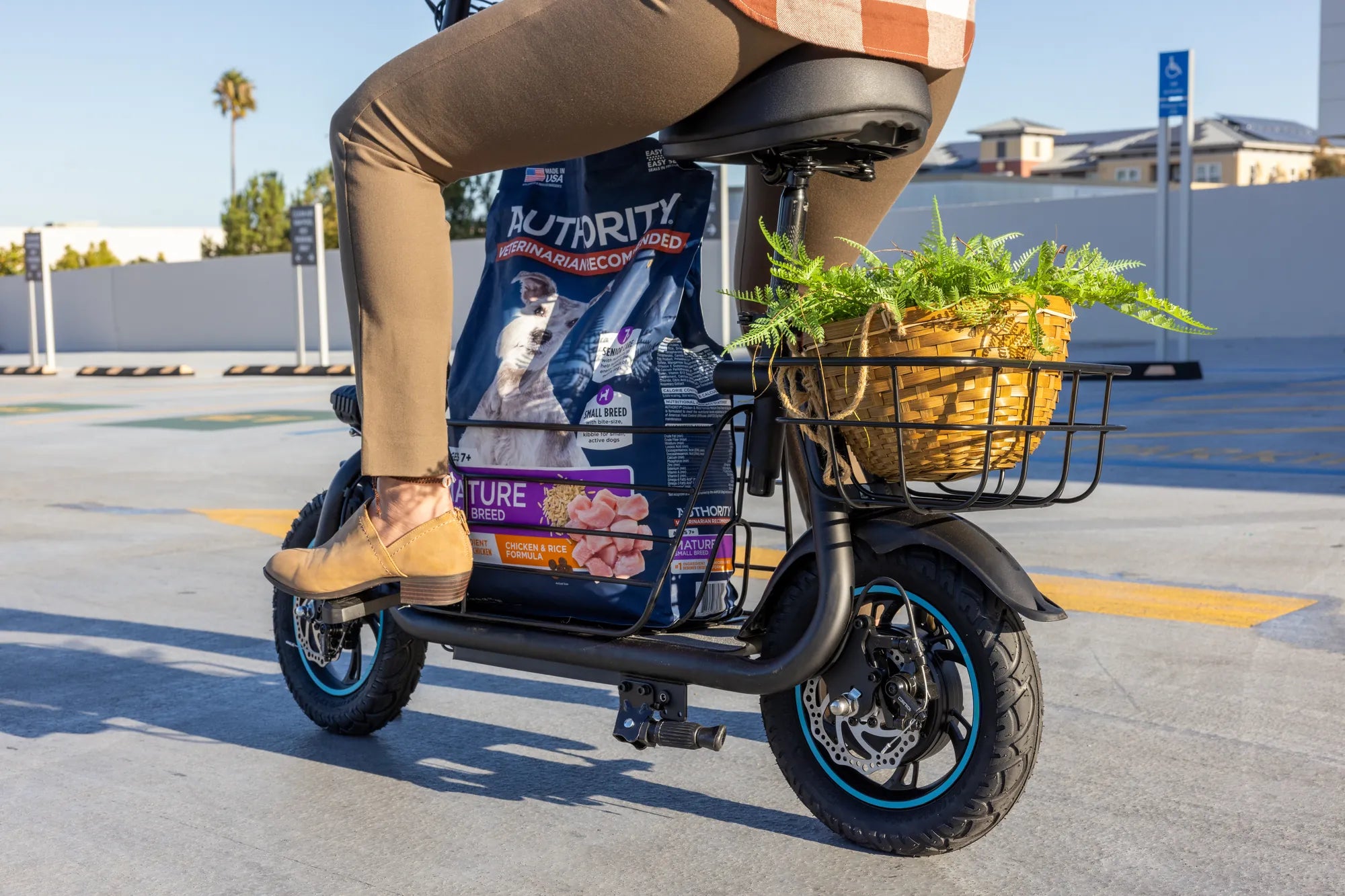
Electric scooters have revolutionized urban mobility, offering a convenient and eco-friendly way to navigate busy streets. But to keep your ride running smoothly, understanding how to properly recharge your electric scooter is crucial. Whether you're a daily commuter or a weekend rider, mastering the art of battery management can extend the lifespan of your scooter and ensure optimal performance.
Why Proper Recharging Matters
The battery is the heart of your electric scooter, and how you recharge it directly impacts its longevity and efficiency. A well-maintained battery can last for hundreds of charge cycles, while poor charging habits can lead to premature degradation. By following a few simple guidelines, you can keep your scooter's battery in top condition for years to come.
Understanding Charging Cycles
A charging cycle refers to the process of discharging and recharging the battery from 100% to 0%. Most electric scooter batteries are rated for a specific number of cycles before their capacity begins to decline. To maximize your battery's lifespan, avoid letting it drain completely before recharging. Instead, aim to keep the charge level between 20% and 80% for daily use.
Optimal Charging Practices
Here are some key tips to ensure efficient recharging:
- Use the right charger: Always use the charger provided by the manufacturer or one that meets the specified voltage and current requirements.
- Avoid overcharging: Unplug the charger once the battery reaches 100% to prevent overheating and stress on the battery cells.
- Charge in a cool, dry place: Extreme temperatures can damage the battery, so avoid charging in direct sunlight or freezing conditions.
- Don't charge immediately after riding: Let the battery cool down for at least 30 minutes before plugging it in.
Safety Tips for Recharging
Safety should always be a priority when recharging your electric scooter. Follow these precautions to avoid accidents:
- Inspect the charger and cables: Look for frayed wires or damaged connectors before each use.
- Don't leave charging unattended: While modern chargers have safety features, it's best to monitor the process.
- Keep away from flammable materials: Charge your scooter in a clear, ventilated area.
- Store batteries properly: If not using your scooter for an extended period, store the battery at around 50% charge in a cool, dry place.
Smart Charging Habits for Long-Term Performance
Developing good charging habits can significantly extend your battery's life. Here are some advanced tips:
- Partial charging is better: Frequent top-ups are less stressful on the battery than deep discharges.
- Balance charging: Occasionally allow the battery to charge to 100% to help balance the cells.
- Monitor battery health: Keep an eye on charging times and range to detect early signs of degradation.
- Consider charging speed: Fast charging is convenient but can reduce battery lifespan over time.
Troubleshooting Common Charging Issues
Even with proper care, you might encounter charging problems. Here's how to address some common issues:
- Scooter won't charge: Check the power outlet, charger connection, and battery terminals for issues.
- Slow charging: This could indicate a failing charger or battery. Test with another charger if possible.
- Battery draining quickly: This may signal battery degradation or a problem with the scooter's electronics.
- Overheating during charging: Immediately disconnect the charger and allow the battery to cool before investigating.
Seasonal Charging Considerations
Temperature changes affect battery performance. Here's how to adapt your charging routine:
- Winter charging: Store and charge batteries at room temperature when possible, as cold reduces capacity.
- Summer charging: Avoid charging in hot environments and never leave batteries in a parked vehicle.
- Humid conditions: Ensure charging areas are dry to prevent moisture damage to electrical components.
When to Consider Battery Replacement
Even with perfect care, batteries eventually wear out. Signs you might need a replacement include:
- Significantly reduced range per charge
- Frequent charging needed for the same distance
- Battery swelling or physical damage
- Error messages related to battery performance
Mastering electric scooter recharge techniques isn't just about keeping your ride powered—it's about ensuring years of reliable service from your battery. By implementing these smart charging strategies today, you'll enjoy longer rides, better performance, and fewer battery headaches down the road. Your future self (and your wallet) will thank you for taking the time to charge right!
Trendy Electric Scooter: The Future of Urban Mobility
Electric Scooter Red Colour: A Stylish and Efficient Ride for Urban Commuters