

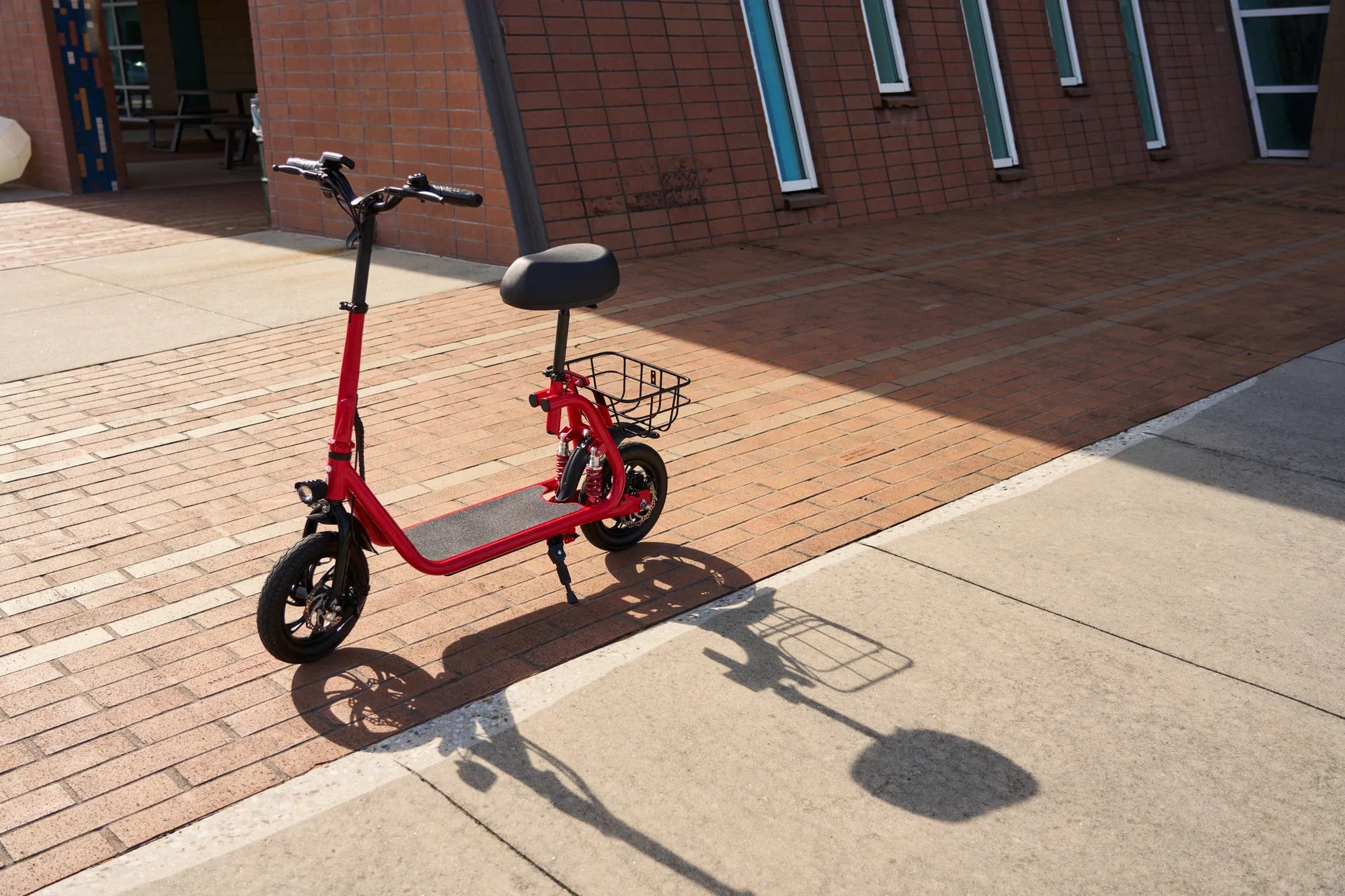
Electric scooters have become a popular mode of transportation, offering convenience and eco-friendly travel. But before you hop on one, it's crucial to understand the electric scooter requirements that ensure your safety and compliance with local laws. Whether you're a daily commuter or a weekend rider, knowing these rules can save you from fines and accidents.
Age and Licensing Requirements
One of the most common electric scooter requirements is age restrictions. Many regions mandate that riders must be at least 16 or 18 years old to operate an electric scooter. Some areas also require a valid driver's license or learner's permit, while others have no licensing requirements at all. Always check your local laws to avoid legal trouble.
Speed Limits and Power Restrictions
Electric scooters often come with speed limits imposed by local regulations. In many places, the maximum allowed speed is 15-20 mph (25-32 km/h). Some jurisdictions also restrict the motor power, typically capping it at 750 watts. Exceeding these limits could classify your scooter as a motor vehicle, subjecting it to additional regulations.
Safety Gear and Equipment
Wearing the right safety gear is a non-negotiable part of electric scooter requirements. Helmets are mandatory in most areas, especially for younger riders. Reflective clothing, knee pads, and elbow pads are also recommended for added protection. Additionally, your scooter should have working lights, reflectors, and a bell or horn for visibility and communication.
Where You Can Ride
Not all roads and paths are open to electric scooters. Many cities restrict them to bike lanes or roads with speed limits under 30 mph. Sidewalks are often off-limits due to pedestrian safety concerns. Always familiarize yourself with local riding zones to avoid fines or confiscation of your scooter.
Insurance and Registration
While most electric scooters don't require registration or insurance, some regions are starting to implement these electric scooter requirements. High-powered models or those used for commercial purposes may need coverage. Check with your local Department of Motor Vehicles to stay compliant.
Parking and Storage Rules
Improper parking can lead to fines or your scooter being impounded. Many cities have designated parking areas for electric scooters, and blocking sidewalks or ramps is often prohibited. If you're storing your scooter at home, ensure it's in a safe, dry place to prevent battery damage.
Environmental and Noise Regulations
Electric scooters are praised for being quiet and eco-friendly, but some areas have specific noise limits to prevent disturbances. Additionally, improper disposal of scooter batteries can result in penalties. Always recycle or dispose of batteries according to local environmental guidelines.
Riding an electric scooter is fun and efficient, but ignoring the electric scooter requirements can turn your joyride into a headache. Stay informed, ride safely, and enjoy the freedom of zipping through the streets without any legal or safety concerns holding you back.
Electric Scooter Stops Suddenly While Driving: Causes and Solutions
Electric Scooter Stops Suddenly While Driving: Causes and Solutions