


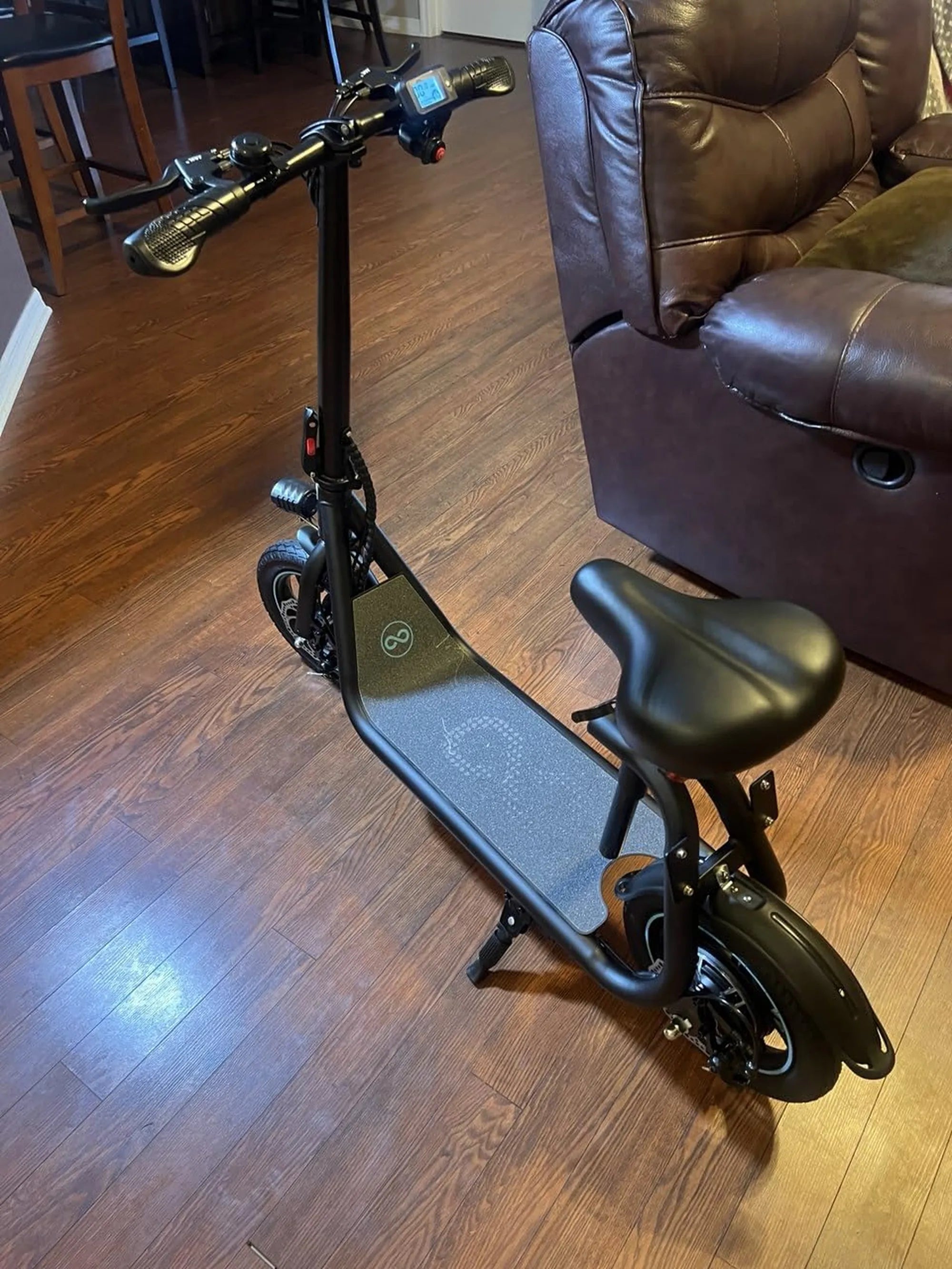
Electric scooters have become a popular mode of transportation for teens, offering a fun and eco-friendly way to zip around town. But with great speed comes great responsibility. Ensuring electric scooter safety for teens is crucial to prevent accidents and injuries. Whether your teen is a seasoned rider or just starting, this guide will help them stay safe on the road.
Why Electric Scooter Safety Matters for Teens
Teens are naturally drawn to the thrill of riding electric scooters, but their lack of experience and sometimes reckless behavior can lead to accidents. According to recent studies, a significant number of scooter-related injuries involve teens who weren’t following basic safety rules. From minor scrapes to serious collisions, the risks are real. That’s why understanding and practicing safety measures is non-negotiable.
Essential Safety Gear for Teen Riders
Before hopping on an electric scooter, teens should always gear up. Here’s what they need:
- Helmet: A properly fitted helmet is the most critical piece of safety gear. It can prevent head injuries in case of a fall.
- Knee and Elbow Pads: These protect joints from scrapes and fractures during accidents.
- Reflective Clothing or Accessories: Visibility is key, especially when riding at night or in low-light conditions.
- Closed-Toe Shoes: Sandals or flip-flops won’t protect feet in a crash.
Understanding Local Laws and Regulations
Electric scooter laws vary by location, and teens must be aware of the rules in their area. Some common regulations include:
- Age restrictions (many places require riders to be at least 16).
- Speed limits (often capped at 15-20 mph).
- Where scooters can be ridden (sidewalks, bike lanes, or roads).
- Helmet requirements (mandatory in many regions).
Ignoring these laws can result in fines or even confiscation of the scooter, so it’s best to stay informed.
Safe Riding Practices for Teens
Even with the right gear and knowledge of the law, teens need to adopt safe riding habits. Here are some tips:
- Start Slow: Beginners should practice in a safe, open area before hitting busy streets.
- Stay Alert: Avoid distractions like phones or headphones. Always watch for cars, pedestrians, and obstacles.
- Use Hand Signals: Communicating turns and stops helps drivers and other riders anticipate movements.
- Ride Solo: Most scooters are designed for one person. Adding a passenger increases the risk of losing control.
- Avoid Wet or Uneven Surfaces: Slippery or rough terrain can lead to accidents.
Common Electric Scooter Hazards and How to Avoid Them
Teens should be aware of potential dangers and how to steer clear of them:
- Collisions with Vehicles: Always assume drivers don’t see you. Ride defensively and avoid blind spots.
- Pedestrian Interactions: Yield to pedestrians and slow down in crowded areas.
- Mechanical Failures: Regularly check the scooter’s brakes, tires, and battery to ensure everything is in working order.
- Night Riding Risks: If riding after dark, use lights and wear reflective gear to stay visible.
Teaching Teens Responsibility and Accountability
Parents play a vital role in promoting electric scooter safety for teens. Here’s how to encourage responsible riding:
- Set Clear Rules: Establish boundaries, such as no riding after dark or in heavy traffic.
- Lead by Example: Wear safety gear and follow traffic laws when riding together.
- Discuss Consequences: Talk about the real-life impact of reckless riding, from injuries to legal trouble.
- Encourage Regular Maintenance: Teach teens how to inspect their scooters for wear and tear.
What to Do in Case of an Accident
Despite precautions, accidents can happen. Teens should know how to respond:
- Stay Calm: Assess injuries and move to a safe location if possible.
- Seek Help: Call emergency services if needed, and notify a parent or guardian.
- Document the Incident: Take photos of the scene and gather contact information from witnesses.
- Report to Authorities: If the accident involves a vehicle or another rider, file a police report.
Electric scooters can be a blast for teens, but safety should never take a back seat. By following these guidelines, young riders can enjoy the freedom of scootering while minimizing risks. Ready to hit the road? Gear up, stay alert, and ride smart!
Acadia National Park Mountain Biking: Trails, Tips, and Adventure
Best Mountain Biking Washington State: Trails, Tips, and Adventure