


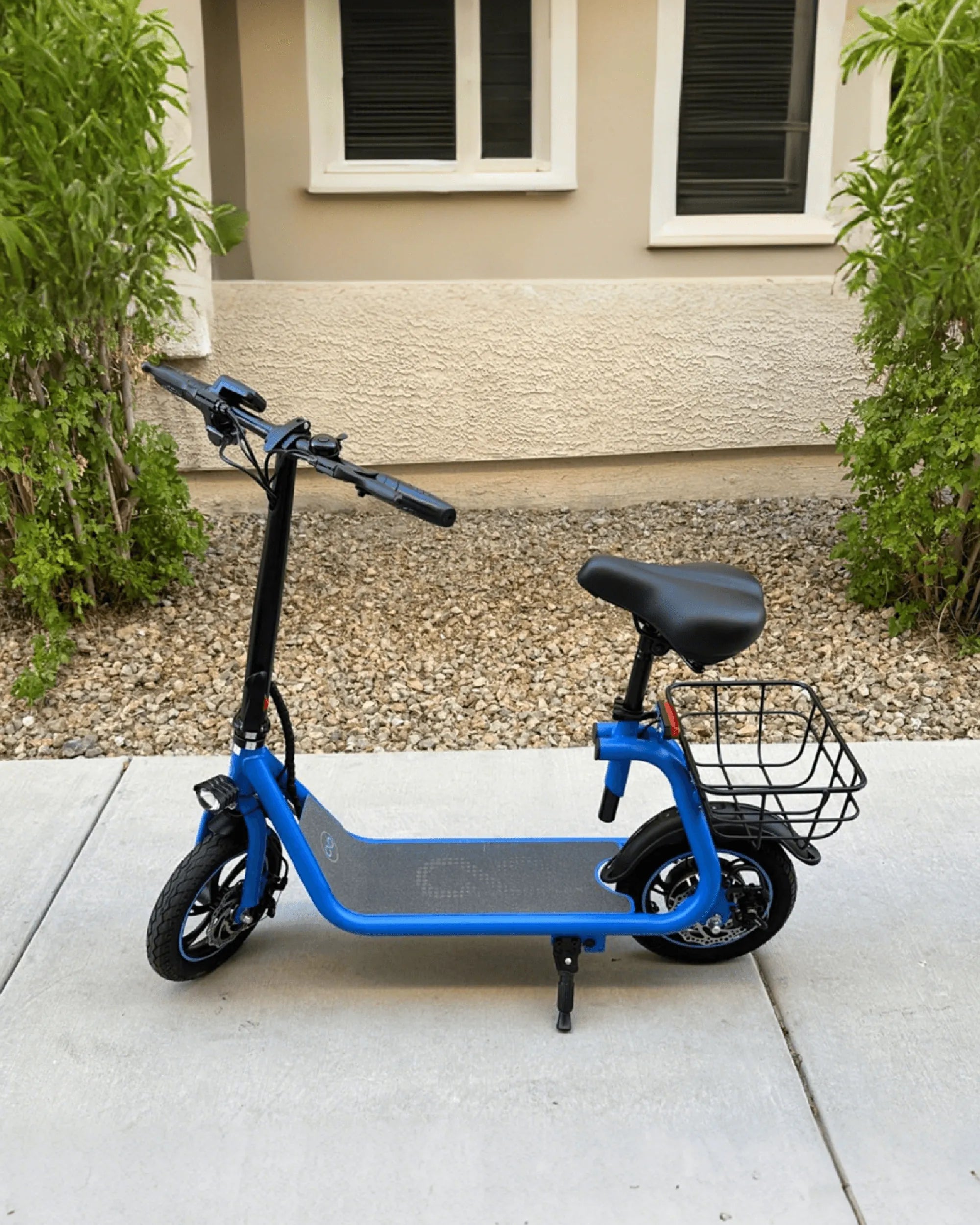
Few things are as frustrating as hopping on your electric scooter, pressing the power button, and... nothing happens. Whether you're commuting to work or just enjoying a leisurely ride, an electric scooter starting problem can ruin your plans and leave you scratching your head. But don't worry - most starting issues have straightforward solutions if you know where to look.
Common Causes of Electric Scooter Starting Problems
Before you can fix your scooter's starting issue, you need to understand what might be causing it. Here are the most frequent culprits:
Battery Issues
The battery is the heart of your electric scooter's power system. If it's not functioning properly, your scooter won't start. Common battery-related problems include:
- Completely drained battery
- Loose or corroded battery connections
- Faulty battery management system
- Battery that won't hold a charge
Power Button Malfunctions
Sometimes the problem isn't with the scooter's internals but with the power button itself. This could be due to:
- Physical damage to the button
- Water damage causing electrical shorts
- Worn-out contacts from frequent use
Controller Problems
The controller acts as the brain of your electric scooter. If it's malfunctioning, your scooter might not respond when you try to start it. Controller issues can stem from:
- Water damage
- Overheating
- Electrical shorts
- Manufacturing defects
Troubleshooting Your Electric Scooter Starting Problem
Now that you know the potential causes, let's walk through some troubleshooting steps to identify and fix the issue.
Step 1: Check the Basics
Before diving into complex diagnostics, verify these simple things:
- Is the scooter properly turned on? (Some models require holding the power button)
- Is the battery charged? (Check the indicator lights if available)
- Are all connections secure? (Inspect battery terminals and wiring)
- Is the kickstand up? (Many scooters won't start with the kickstand down)
Step 2: Battery Diagnostics
If the basics check out, focus on the battery:
- Measure the battery voltage with a multimeter (if possible)
- Check for visible damage or swelling
- Clean any corroded terminals with a wire brush
- Try charging the battery for several hours
Step 3: Power Button Test
To test the power button:
- Listen for a click when pressing the button
- Check for any physical damage or sticking
- If comfortable, open the housing to inspect the button's connections
Preventing Future Starting Problems
Once you've resolved your current electric scooter starting problem, follow these tips to prevent future issues:
Proper Battery Maintenance
- Charge the battery regularly, even during periods of non-use
- Store the scooter in moderate temperatures
- Avoid completely draining the battery
- Clean battery terminals periodically
Protect from the Elements
- Avoid riding in heavy rain or through deep puddles
- Store the scooter in a dry place
- Consider using protective covers for electrical components
Regular Inspections
- Check all connections monthly
- Look for signs of wear on wires and components
- Test the power button responsiveness
- Listen for unusual sounds when starting
Don't let an electric scooter starting problem leave you stranded. With this guide's troubleshooting steps and prevention tips, you'll be back to smooth, reliable starts in no time. Remember that regular maintenance is key to avoiding most electrical issues, and when in doubt, consult a professional technician for complex repairs.
3000 Dollar Electric Scooter: The Ultimate Guide to Premium Performance and Value
Smart Balance Wheel Electric Self Balancing Scooter: The Future of Urban Mobility