

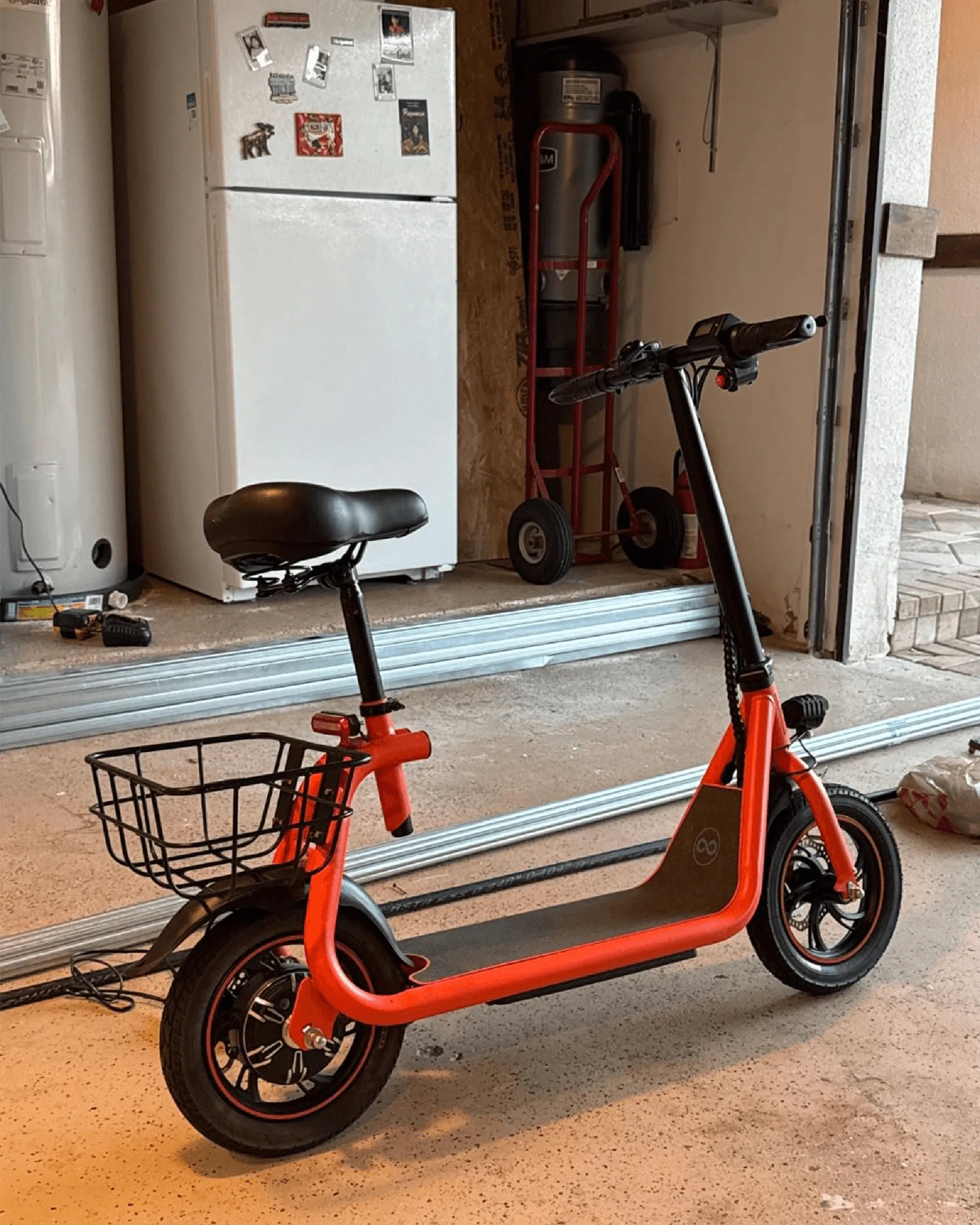
Electric scooters have become a popular mode of transportation, offering convenience and eco-friendly travel. However, one factor that often goes overlooked is how temperature affects their performance. Whether you're riding in scorching heat or freezing cold, understanding the impact of weather on your electric scooter can help you optimize its lifespan and ensure a safer ride.
How Temperature Affects Electric Scooter Batteries
The battery is the heart of an electric scooter, and temperature plays a crucial role in its efficiency. Lithium-ion batteries, commonly used in electric scooters, perform best in moderate temperatures between 50°F to 77°F (10°C to 25°C). Outside this range, you may notice reduced performance.
Cold Weather Challenges
In cold temperatures, chemical reactions within the battery slow down, leading to:
- Reduced range (up to 30% less in freezing conditions)
- Slower charging times
- Potential voltage drops during use
Hot Weather Risks
Excessive heat can be just as damaging, causing:
- Faster battery degradation
- Increased risk of overheating
- Potential safety hazards
Optimal Riding Conditions for Electric Scooters
While electric scooters can operate in various temperatures, certain conditions are ideal for both performance and longevity:
| Temperature Range | Effect on Performance |
|---|---|
| Below 32°F (0°C) | Significant range reduction, potential battery damage |
| 32°F to 50°F (0°C to 10°C) | Noticeable range reduction, slower acceleration |
| 50°F to 77°F (10°C to 25°C) | Optimal performance |
| 77°F to 95°F (25°C to 35°C) | Slight performance reduction in prolonged use |
| Above 95°F (35°C) | Risk of overheating, accelerated battery wear |
Tips for Riding in Extreme Temperatures
Cold Weather Riding Tips
If you must ride in cold conditions:
- Store your scooter indoors when not in use
- Allow the battery to warm up before riding
- Charge the battery at room temperature
- Reduce speed expectations and plan for shorter range
Hot Weather Riding Tips
For riding in high temperatures:
- Avoid leaving your scooter in direct sunlight for extended periods
- Monitor battery temperature during charging
- Take breaks during long rides to prevent overheating
- Consider riding during cooler parts of the day
Safety Considerations for Temperature Extremes
Beyond performance issues, temperature extremes can create safety concerns:
Traction and Handling
Cold weather often means slippery surfaces, while hot pavement can affect tire performance. Adjust your riding style accordingly:
- Reduce speed on wet or icy surfaces
- Be cautious of reduced braking efficiency in cold weather
- Watch for tire pressure changes in temperature swings
Battery Safety
Extreme temperatures can increase the risk of battery-related issues:
- Never charge a frozen battery
- Avoid charging immediately after riding in hot conditions
- Look for warning signs like unusual heat or swelling
Long-Term Maintenance for Temperature Resilience
Proper care can help your electric scooter withstand temperature variations:
- Store in climate-controlled environments when possible
- Keep the battery at 40-60% charge for long-term storage
- Regularly inspect electrical components for weather damage
- Consider weatherproofing options for your specific model
Understanding how temperature affects your electric scooter can mean the difference between a smooth ride and unexpected performance issues. By following these guidelines, you'll extend your scooter's lifespan while enjoying safer rides in all weather conditions. Don't let the weather catch you off guard—prepare your electric scooter for whatever temperature comes your way!
Electric Scooter 120 kg: The Ultimate Guide for Heavy Riders
Electric Scooter Assembly Parts: The Complete Guide to Building Your Ride