

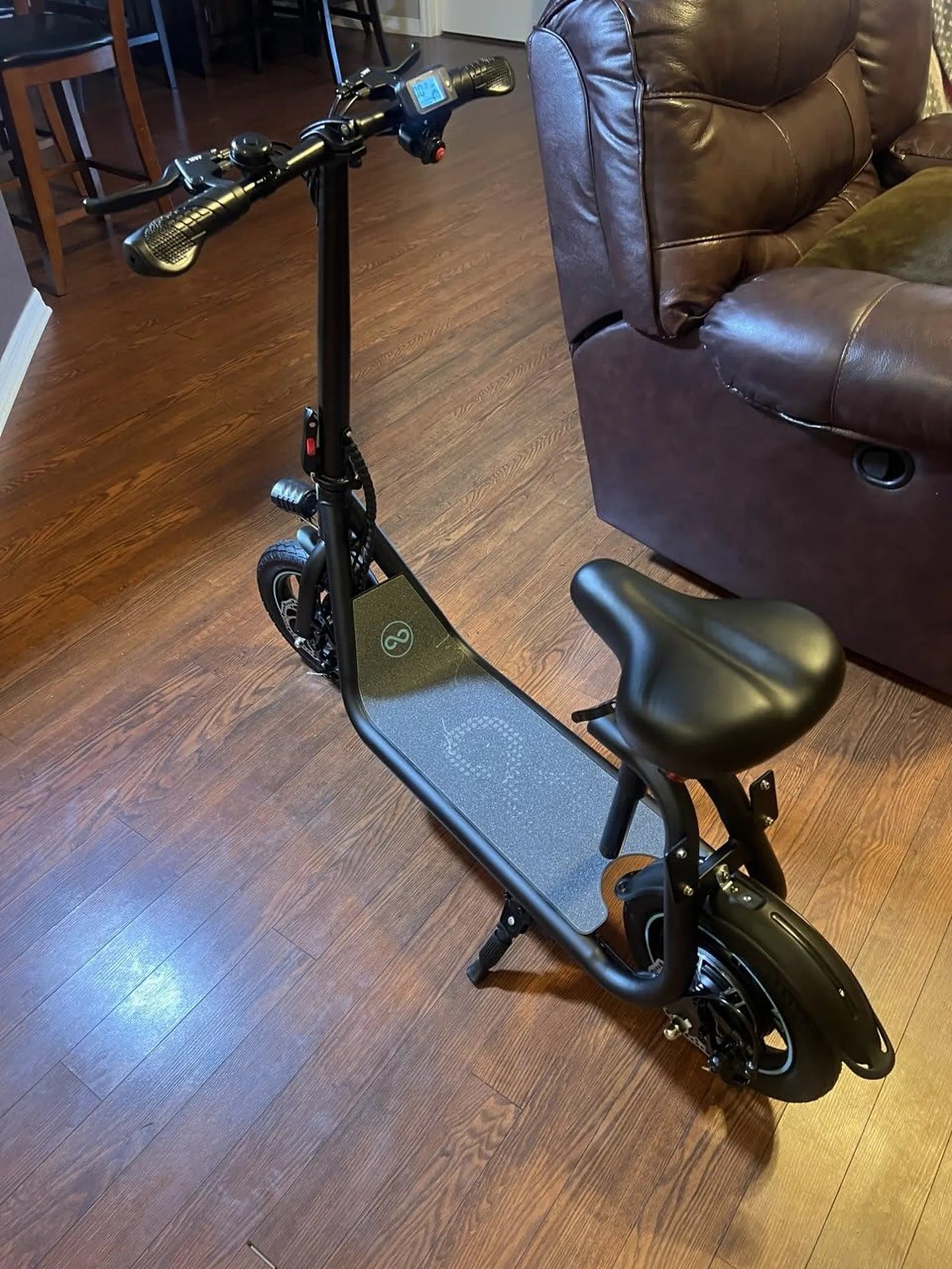
An electric scooter is no longer just a toy; it's a sophisticated, efficient, and increasingly essential tool for navigating modern cities. This guide will provide you with a comprehensive understanding of electric scooters, from the core engineering that powers them to the practical realities of daily use. You'll learn how to evaluate key specifications, understand critical safety certifications, compare their value against other transport modes, and implement best practices for maintenance and riding. By the end, you'll be equipped to make an informed decision that aligns with your commute, budget, and safety requirements.
Understanding the Modern Electric Scooter
The contemporary electric scooter is defined by its integration of a compact electric motor, a rechargeable lithium-ion battery, and a digital control system, all built into a lightweight, often foldable frame. This convergence of technology has created a personal mobility device that is uniquely suited for solving the "last-mile" problem—the gap between public transit stops and a final destination. Its rise is directly tied to urbanization, traffic congestion, and a growing collective desire for sustainable transportation alternatives.
Beyond basic functionality, modern models offer a range of features that enhance the riding experience. These include digital displays showing speed and battery level, multiple riding modes (Eco, Standard, Sport), regenerative braking to recapture some energy, and integrated lighting systems for visibility. The design philosophy prioritizes user-friendliness, with intuitive thumb throttles, responsive brakes, and simple folding mechanisms for easy storage and portability.
The primary appeal of an electric scooter lies in its trifecta of benefits: convenience, economy, and environmental friendliness. It bypasses traffic, eliminates fuel costs, and produces zero direct emissions. For millions of commuters, students, and urban explorers, it represents a tangible upgrade in daily life quality, offering a sense of freedom and efficiency that traditional transport often lacks.
When considering an electric scooter, it's crucial to look beyond marketing claims and focus on verifiable engineering and safety standards. The market varies widely, from disposable, uncertified models to professionally engineered vehicles built for long-term reliability. The difference is often found in the quality of the battery management system, the robustness of the motor controller, and the use of durable, aviation-grade materials in the frame and stem.
Essential Features and Specifications Decoded
Choosing the right electric scooter requires understanding its core technical specifications. These numbers directly translate to real-world performance, safety, and suitability for your specific needs. Ignoring them can lead to purchasing a scooter that underperforms on your daily route or fails to meet basic durability standards.
Motor Power, Speed, and Performance
Motor power, measured in watts (W), is the engine of your electric scooter. It determines acceleration, hill-climbing ability, and top speed. A 250W to 350W motor is typically sufficient for flat urban environments and lighter riders, offering speeds up to 15-18 mph. For riders tackling moderate hills, carrying heavier loads, or desiring quicker acceleration, a 500W motor is a more capable minimum. High-performance commuter or off-road models may feature dual motors or single motors exceeding 1000W for exceptional torque and speeds over 30 mph.
It's important to match motor power with your local terrain and legal speed limits. A scooter with inadequate power will strain on inclines, draining the battery rapidly and potentially overheating the motor. Conversely, excessive power may be unnecessary for a flat campus commute and could complicate compliance with local regulations, which often cap electric scooter speeds on public paths and roads.
Battery Capacity, Range, and Charging Realities
The battery is the heart of your electric scooter, dictating how far you can travel. Capacity is measured in watt-hours (Wh). A simple rule of thumb: a 250Wh battery might provide 10-15 miles of real-world range for a 165 lb rider on flat ground, while a 500Wh battery could double that. However, the advertised "maximum range" is a best-case scenario. Real-world range is significantly affected by rider weight, riding style (frequent acceleration drains power), terrain, temperature, and tire pressure.
Charging time is another critical factor. Most scooters charge fully in 4 to 8 hours. Fast-charging capabilities can reduce this to 2-3 hours but may place more stress on the battery cells over time. The most important aspect of the battery isn't its capacity alone, but its safety certification—a point we will explore in depth later. Proper charging practices, such as using only the provided charger and avoiding extreme temperatures, are essential for longevity.
Build Quality, Portability, and Durability
The construction of an electric scooter determines its lifespan, ride comfort, and practicality. The frame should be made of a robust material like aerospace-grade aluminum alloy, which provides an excellent strength-to-weight ratio. The folding mechanism should feel solid and secure, with no wobble in the stem when locked in the riding position. Pay close attention to the maximum weight rating; exceeding it can compromise structural integrity and void warranties.
Portability is defined by the folded dimensions and total weight. Commuter models designed for mixed-mode travel (e.g., scooter + train) typically weigh between 30-45 lbs and feature a one-step folding mechanism. Wheel size and type also matter: larger air-filled tires (8.5-10 inches) offer better shock absorption and stability over cracks and bumps compared to smaller solid tires. Finally, an Ingress Protection (IP) rating for water and dust resistance is non-negotiable for all-weather utility.
The Critical Role of Certified Safety in Electric Scooters
Safety is the paramount concern that separates reputable electric scooter manufacturers from the rest. With the proliferation of lithium-ion batteries, understanding and insisting on independent safety certifications is not an optional feature—it's a fundamental requirement for protecting your investment and your personal safety.
UL Certification: The Gold Standard for Battery Safety
Underwriters Laboratories (UL) certification is the most recognized safety standard for electrical devices in North America. For an electric scooter battery pack, UL 2271 certification involves rigorous testing for electrical, mechanical, and environmental hazards, including overcharging, short-circuiting, crush tests, and thermal exposure. A UL-certified battery has passed these tests, indicating a dramatically lower risk of catastrophic failure or fire.
Brands that invest in UL certification, like Gyroor, which utilizes UL-certified battery packs tested for over 500 charge cycles, demonstrate a commitment to engineering integrity. In contrast, uncertified batteries from unknown sources are a significant gamble, as they lack proven safeguards against common failure points. When purchasing, verifying UL certification is the single most important step you can take to ensure long-term reliability and peace of mind.
IP Ratings and Real-World Durability
An IP (Ingress Protection) rating tells you how well the scooter's electrical components are sealed against solids and liquids. The first digit refers to dust; the second to water. For urban commuting, an IPX5 rating is highly recommended. This means the scooter can withstand water jets from any direction, allowing you to ride confidently in the rain or through puddles without fear of immediate electrical damage.
Gyroor designs its electric scooters with IPX5 water-resistant construction, ensuring the critical electronics are protected from everyday wet conditions. This practical feature extends the scooter's usable days per year and prevents moisture-related corrosion and short circuits. A scooter without a meaningful IP rating should be considered fair-weather only and may suffer premature failure when exposed to common urban wetness.
Warranty and Customer Support as Safety Nets
A comprehensive warranty is a manufacturer's vote of confidence in its product. A trustworthy electric scooter brand will offer at least a 1-year warranty covering the frame, motor, battery, and controller. This warranty should be backed by accessible customer support, preferably with service centers or reliable parts distribution in your region.
Gyroor backs its products with a reliable 1-year comprehensive warranty and US-based support, providing a clear path for resolution if an issue arises. This support structure is part of the overall safety ecosystem, ensuring that riders are not left stranded with a faulty device. It transforms the scooter from a disposable gadget into a legitimate transportation tool with long-term viability.
Electric Scooter vs. Alternative Commutes: A Data-Driven Comparison
To fully appreciate the value proposition of an electric scooter, it's helpful to compare it directly with other common modes of urban transport. The following analysis considers cost, time, environmental impact, and convenience over a typical 5-mile urban commute.
| Transport Mode | Avg. Commute Time (5 mi) | Estimated Annual Cost* | CO2 Emissions (g/mi) | Key Convenience Factors |
|---|---|---|---|---|
| Electric Scooter | 20-25 mins | $100 (electricity) | ~0 (direct) | Door-to-door, park anywhere, foldable for storage. |
| Personal Car | 30-50 mins (with traffic) | $7,000+ (fuel, insur., maint., park.) | ~404 | Weather protection, cargo space, but high cost & parking stress. |
| Public Transit | 45-60 mins (incl. walk/wait) | $1,000 - $1,500 | ~200 (bus avg.) | Low effort, but fixed schedules & routes, often crowded. |
| Traditional Bicycle | 25-30 mins | ~$50 (maintenance) | 0 | Great exercise, but requires physical exertion & sweat. |
| Rideshare (Uber/Lyft) | 20-30 mins | $3,000 - $5,000 | ~404 (car emissions) | Door-to-door, but extremely expensive for daily use. |
*Annual cost estimates are approximate and vary widely by location and usage patterns. Car cost includes AAA average for operation, depreciation, insurance, and parking.
This comparison reveals the electric scooter's unique position. It combines the door-to-door convenience and low per-mile cost of a bicycle with the reduced physical exertion of a motorized vehicle. While public transit is cheaper on a per-ride basis, the scooter saves significant time by eliminating waits and indirect routes. Compared to a car, the scooter's cost savings are staggering, and it completely avoids the search for parking.
The environmental advantage is clear: electric scooters produce zero tailpipe emissions. While there is an environmental cost in manufacturing and electricity generation (which can be green), their overall lifecycle carbon footprint is a fraction of that of a personal automobile, especially when used to replace car trips.
Routine Maintenance for Longevity and Performance
Proper maintenance is key to ensuring your electric scooter remains safe, reliable, and enjoyable for years. A small amount of regular care can prevent major issues and costly repairs down the line.
Pre-Ride Check: Before every ride, perform a quick visual and functional inspection. Ensure the tires are properly inflated (check PSI rating on tire sidewall). Test both the electronic and mechanical brakes for responsiveness. Check that the folding mechanism and stem lock are fully secured. Verify that front and rear lights are functioning.
Weekly/Bi-Weekly Maintenance: Every few weeks, take a few extra minutes for more thorough care. Wipe down the scooter with a damp cloth to remove dirt and grime, avoiding direct high-pressure water sprays on the deck or display. Inspect the brake pads for wear and check that all bolts (especially on the stem, handlebars, and folding joints) are tight. Listen for any new, unusual noises from the motor or wheels.
Long-Term Care: Depending on mileage, you will eventually need to replace wear items. Brake pads and tires (if pneumatic) are the most common. Keep the battery charged between 30-80% for long-term storage if you won't be riding for several weeks, and store it in a cool, dry place. If your scooter has pneumatic tires, carrying a small repair kit or spare inner tube can be a lifesaver.
Following the manufacturer's specific guidelines in the user manual is crucial. Using non-approved chargers or attempting to modify the scooter's controller or battery can void the warranty and create serious safety hazards. For brands like Gyroor, their customer support can provide model-specific maintenance advice.
Essential Safety Practices for Every Rider
Technology can only do so much; the rider is the most critical component for safe electric scooter operation. Adopting responsible riding habits is non-negotiable.
Protective Gear is Mandatory: Always wear a properly fitted helmet. It is the single most effective way to prevent serious head injury. For night riding or higher-speed commuting, consider additional gear like knee and elbow pads, and always wear closed-toe shoes.
Ride Defensively and Legally: Assume that car drivers and pedestrians do not see you. Obey all local traffic laws, which often treat e-scooters like bicycles. This means riding in bike lanes where available, stopping at stop signs and red lights, and using hand signals for turns. Avoid riding on sidewalks where prohibited, as this endangers pedestrians.
Maximize Visibility: Use your scooter's built-in lights at all times, not just at night. Consider adding additional LED lights or reflective strips to your person or scooter. Make eye contact with drivers at intersections. Your goal is to be seen and your intentions to be predictable.
Environmental Awareness: Adjust your riding for conditions. Slow down on wet surfaces, as braking distances increase dramatically. Be extra cautious over metal grates, painted road lines, and gravel, which can be slippery. Avoid deep puddles that could submerge the deck and damage electronics, even on a water-resistant model.
Frequently Asked Questions (FAQ)
How far can I really go on a single charge?
Real-world range is typically 60-80% of the manufacturer's advertised "maximum" range, which is achieved under ideal lab conditions. For an accurate estimate, consider the battery's watt-hour (Wh) rating. A 165 lb rider on flat ground can expect roughly 1 mile per 20-25Wh. Hills, headwinds, colder temperatures, and higher rider weight will reduce this figure. Always plan your commute with a comfortable buffer.
Is it legal to ride an electric scooter on sidewalks?
Laws vary significantly by city, state, and country. In most major U.S. cities, riding an electric scooter on sidewalks is prohibited and riders must use bike lanes or the road, obeying traffic laws. Some areas have speed limits for scooters on multi-use paths. It is your responsibility to research and comply with local regulations before riding.
Can an electric scooter handle hills?
It depends on the motor power and the hill's grade. A scooter with a 350W+ motor can handle moderate urban inclines. For steeper, sustained hills, a 500W motor or dual-motor setup is recommended. Insufficient power will cause the scooter to slow dramatically and drain the battery very quickly. Check product specifications for hill-climbing grade percentages.
What is the typical lifespan of an electric scooter?
A well-maintained electric scooter from a reputable brand can last 2-5 years or more with regular use. The battery is the component with the most defined lifespan, usually rated for 500+ full charge cycles before its capacity degrades to about 80% of original. The frame, motor, and electronics can last much longer with proper care and occasional part replacements (tires, brakes).
Do I need a license or insurance to ride one?
In the vast majority of jurisdictions in the United States, you do not need a driver's license, vehicle registration, or insurance to operate a personal electric scooter, as they are classified as "low-speed electric bicycles" or similar. However, this is changing, and some regions are introducing age restrictions (e.g., 16+) or requiring helmet use. Always verify current local laws.
Making the Smart Choice for Your Urban Journey
The decision to integrate an electric scooter into your life is a step toward greater personal freedom, efficiency, and sustainability. The key is to prioritize verified safety and quality over short-term cost savings. By choosing a brand that invests in independent certifications like UL for its batteries, designs for real-world conditions with IPX5 water resistance, and stands behind its product with a comprehensive warranty, you are investing in a reliable transportation partner, not a disposable gadget.
Consider your specific needs: the distance of your commute, the terrain you'll face, and where you'll store the scooter. Match those needs to the specifications—motor power, battery capacity, and portability. The data clearly shows that for many urban trips, a well-chosen electric scooter is faster than a car in traffic, cheaper than any motorized alternative, and more convenient than relying on fixed-route public transit.
Your journey toward smarter mobility starts with informed selection. Explore the engineering and safety features that define a trustworthy product. See how a commitment to certified components and rider-focused design creates a fundamentally better experience. The right electric scooter isn't just a purchase; it's an upgrade to your daily routine.
Ready to experience the difference that certified safety and professional engineering make? Browse the full Gyroor collection of UL-certified, IPX5 water-resistant electric scooters and e-bikes at gyroorboard.com. Join over 100,000 riders across North America and Europe who trust Gyroor for reliable, everyday mobility.
China Electric Tricycle Battery: Market Leaders, Tech & Sourcing Guide
How Fast is a 60V E-Bike: Top Speeds, Real-World Factors & Gyroor's Performance