


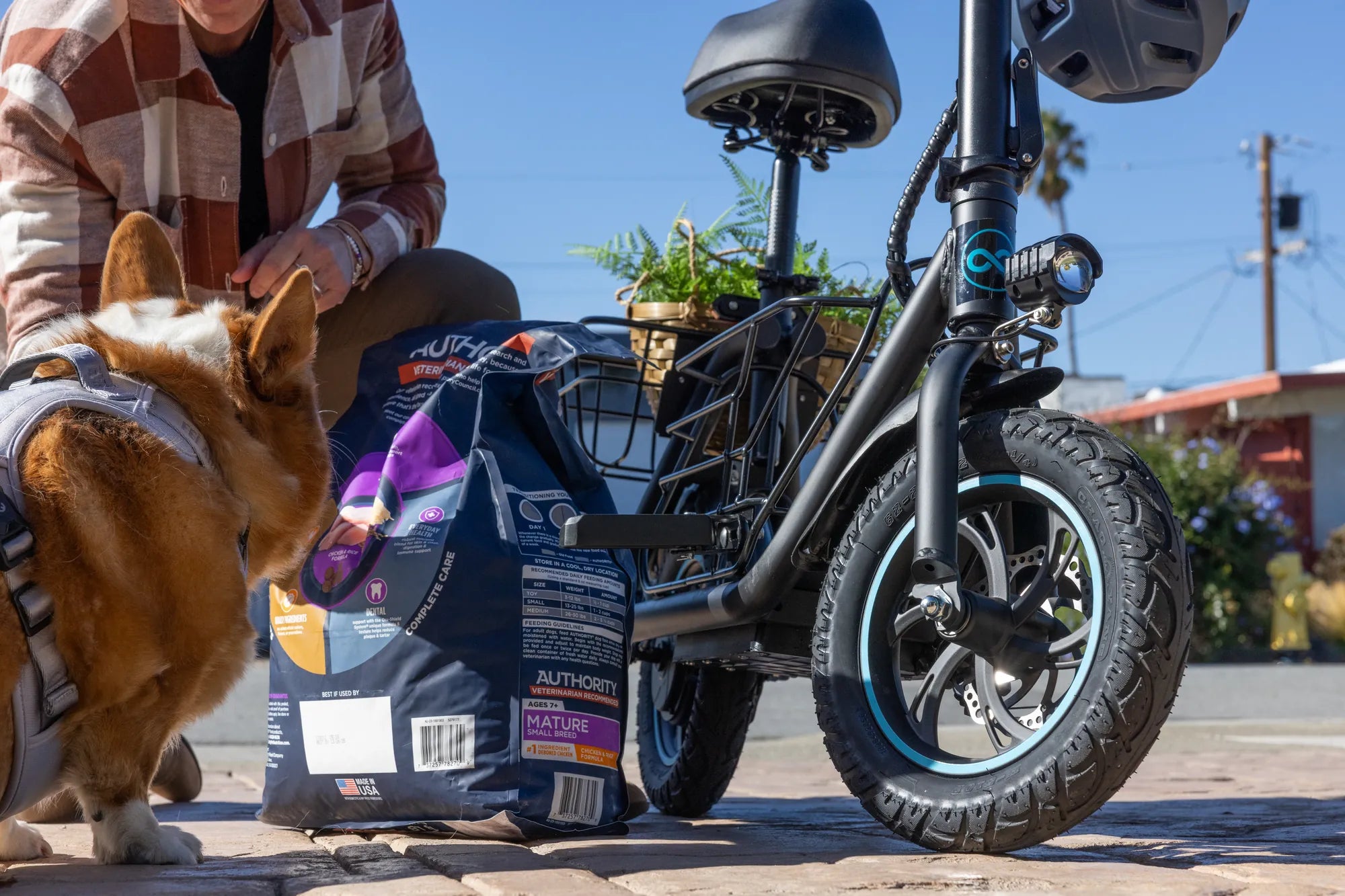
Imagine cruising through the city streets at 100 km/h on an electric scooter—feeling the wind rush past you while effortlessly gliding past traffic. Electric scooters with a top speed of 100 are no longer a futuristic dream but a thrilling reality for adrenaline seekers and commuters alike. But what does it take to ride one safely, and what should you know before hitting the throttle? Let’s dive into the world of high-speed electric scooters.
What Makes an Electric Scooter Reach 100 km/h?
Electric scooters capable of hitting 100 km/h are engineered for power and precision. Unlike standard models, these high-performance machines feature:
- High-Wattage Motors: Typically 2000W or higher, delivering immense torque and acceleration.
- Advanced Battery Systems: Large-capacity lithium-ion batteries with fast-charging capabilities to sustain high speeds.
- Robust Frame Design: Reinforced materials like aerospace-grade aluminum for stability at extreme speeds.
- Premium Suspension: Dual or hydraulic suspension systems to absorb shocks and maintain control.
- High-Grip Tires: Wide, puncture-resistant tires for better traction and handling.
Safety Considerations for Riding at 100 km/h
Speed thrills but also demands responsibility. Here’s how to stay safe:
- Protective Gear: Always wear a full-face helmet, armored jacket, gloves, and knee pads.
- Braking Systems: Look for scooters with dual disc or regenerative brakes for quick stops.
- Rider Experience: High-speed scooters are not for beginners. Master lower speeds first.
- Road Conditions: Avoid wet or uneven surfaces—speed amplifies risks.
- Legal Compliance: Check local laws; many regions restrict speeds above 25-30 km/h on public roads.
Performance vs. Practicality: Is 100 km/h Overkill?
While 100 km/h is exhilarating, it’s worth asking if such speed is practical for daily use:
- Battery Drain: Higher speeds drastically reduce range—expect 20-30 km per charge at top speed.
- Weight and Portability: These scooters are heavier (30-50 kg), making them harder to carry.
- Use Case: Ideal for thrill-seekers or private tracks, but impractical for crowded urban commutes.
Legal and Regulatory Challenges
Laws vary widely, but most countries classify 100 km/h scooters as motor vehicles, requiring:
- Licensing: A valid driver’s license or special permit.
- Registration: Mandatory in some areas, with insurance and road tax.
- Restricted Zones: Banned from bike lanes, sidewalks, or highways in many places.
Maintenance Tips for High-Speed Scooters
To keep your scooter running smoothly:
- Regular Inspections: Check brakes, tires, and bolts before every ride.
- Battery Care: Avoid full discharges; store at 50% charge if unused.
- Software Updates: Some models receive firmware upgrades for performance tweaks.
Riding an electric scooter at 100 km/h is an unmatched experience—blending freedom, speed, and cutting-edge tech. But with great power comes great responsibility. Whether you’re chasing adrenaline or simply love innovation, understanding the mechanics, safety, and legalities ensures you ride smart. Ready to push the limits? The road (or track) awaits.
Quality Matte Black Electric Scooters: The Ultimate Urban Commuting Solution
Levy Light Electric Scooter Price: What You Need to Know Before Buying