


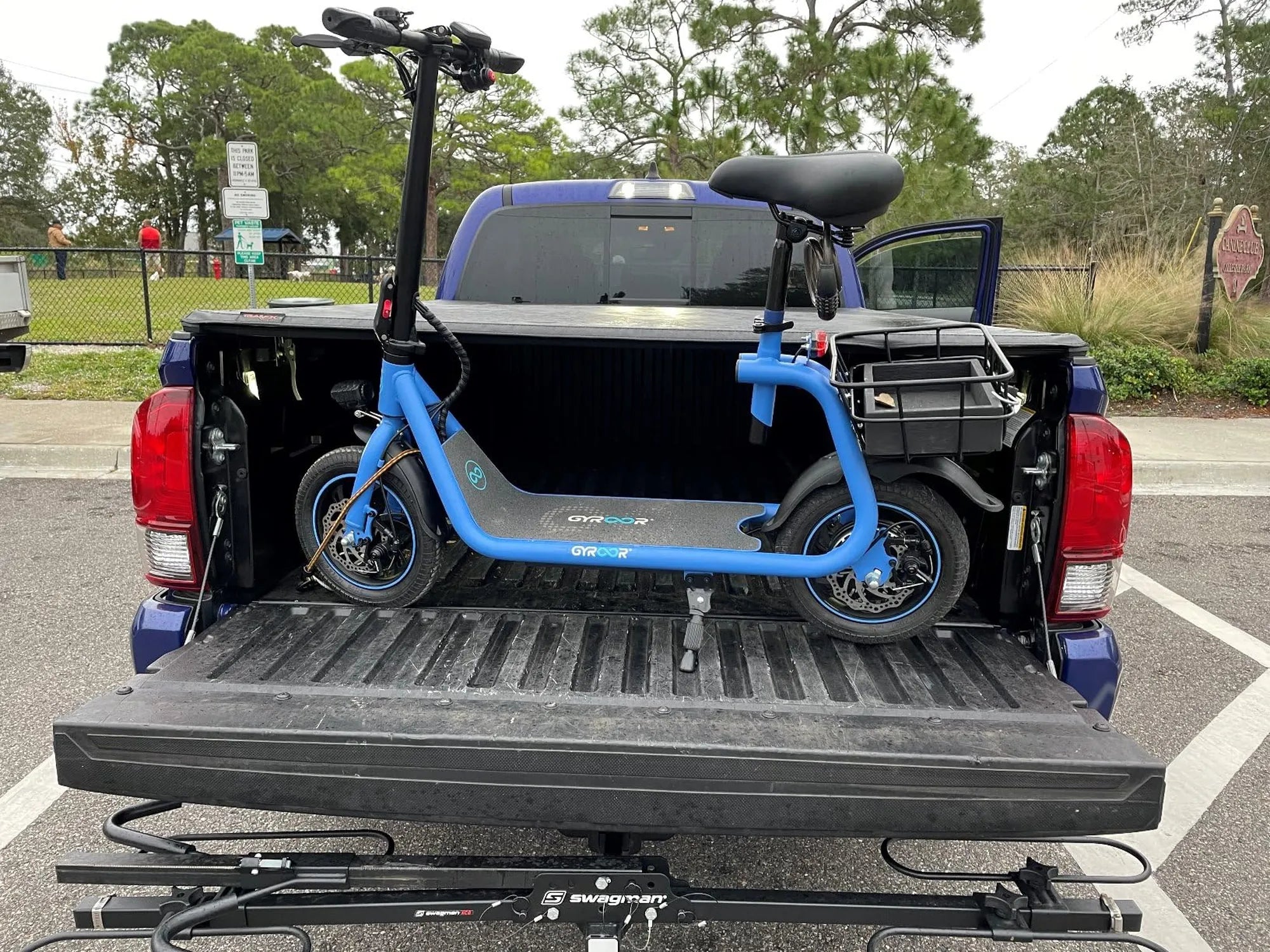
Choosing between an electric scooter and an electric bike can be a tough decision, especially when both offer unique advantages for urban commuters and eco-conscious riders. Whether you're looking for speed, convenience, or cost-effectiveness, understanding the benefits of each can help you make the right choice. Let’s dive into the details to see which one aligns with your needs.
Cost and Affordability
When it comes to affordability, electric scooters generally have the upper hand. They are typically less expensive than electric bikes, making them an attractive option for budget-conscious buyers. Additionally, maintenance costs for electric scooters are often lower due to their simpler design and fewer moving parts.
On the other hand, electric bikes, while pricier upfront, can offer long-term savings for those who use them as a primary mode of transportation. Many cities offer incentives or subsidies for e-bike purchases, and their durability can make them a worthwhile investment over time.
Portability and Storage
Electric scooters shine in terms of portability. Most models are lightweight and foldable, making them easy to carry on public transport or store in small apartments. This makes them ideal for last-mile commuting or mixed-mode travel.
Electric bikes, however, are bulkier and heavier, requiring more storage space. While some folding e-bike models exist, they are still less convenient to carry around than scooters. If storage space is limited, an electric scooter might be the better choice.
Speed and Range
Electric bikes generally offer higher top speeds and longer ranges compared to electric scooters. With pedal-assist technology, e-bikes can cover greater distances on a single charge, making them suitable for longer commutes or recreational rides.
Electric scooters, while slower, are more nimble in urban environments. Their compact size allows for easier maneuvering through traffic, and their shorter range is often sufficient for daily city commutes.
Comfort and Riding Experience
Electric bikes provide a more comfortable ride, especially over longer distances. With features like adjustable seats, suspension systems, and the ability to pedal, e-bikes reduce fatigue and offer a more traditional cycling experience.
Electric scooters, while fun and convenient, can be less comfortable on rough terrain due to their smaller wheels and lack of suspension. They are best suited for smooth pavements and short trips.
Environmental Impact
Both electric scooters and electric bikes are eco-friendly alternatives to cars, reducing carbon emissions and traffic congestion. However, e-bikes often have a slight edge in sustainability due to their longer lifespan and ability to replace car trips more effectively.
Electric scooters, while still green, may have a shorter lifespan and higher turnover rate, which can impact their overall environmental footprint.
Legal and Safety Considerations
Laws regarding electric scooters and bikes vary by location. In many areas, e-bikes are treated similarly to traditional bicycles, allowing them on bike lanes and paths. Electric scooters, however, may face stricter regulations, including speed limits and restricted access to certain roads.
Safety is another critical factor. E-bikes, with their larger frames and stability, are often perceived as safer, especially at higher speeds. Electric scooters require more balance and caution, particularly in busy urban settings.
Ultimately, the choice between an electric scooter and an electric bike depends on your specific needs, budget, and lifestyle. Whether you prioritize speed, portability, or comfort, both options offer fantastic benefits for modern commuters. Ready to make the switch to eco-friendly transportation? The perfect ride is waiting for you!
Best Fat Tire Folding Electric Bike: The Ultimate Guide for Adventure Seekers
Electric Harley Scooter 60V 1500W: The Ultimate Ride for Urban Commuters