



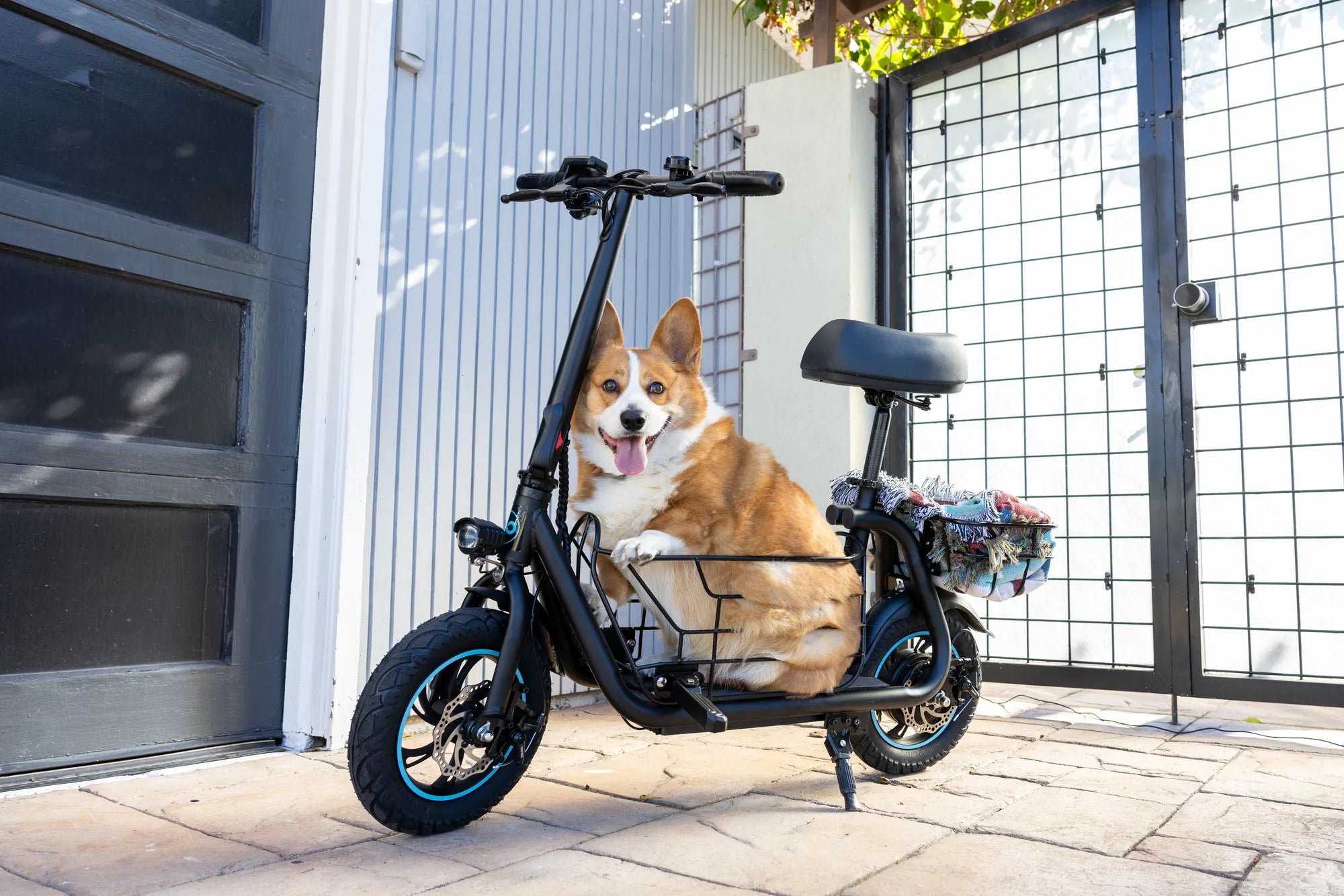
When it comes to urban mobility, electric scooters and electric bikes are two of the most popular choices. But which one is safer? The debate over electric scooter vs electric bike safety is more than just about speed—it’s about stability, rider protection, and real-world risks. Let’s dive into the details to help you decide which option best suits your needs.
Speed and Stability: How They Impact Safety
Electric scooters are known for their compact design and agility, but their smaller wheels and narrow handlebars can make them less stable at higher speeds. On the other hand, electric bikes typically have larger wheels and a more robust frame, providing better balance and control. While both vehicles can reach similar top speeds, the bike’s design often makes it a safer choice for uneven terrain or sudden stops.
Braking Systems: Stopping Power Matters
Braking efficiency is a critical factor in safety. Most electric scooters rely on hand-operated brakes, which can be less responsive in emergencies. Electric bikes, however, often feature advanced braking systems like disc or hydraulic brakes, offering more reliable stopping power. Riders should always check the braking capabilities of their chosen vehicle to ensure maximum safety.
Visibility and Road Presence
Electric bikes tend to be more visible to other road users due to their larger size and upright riding position. Scooters, being smaller and lower to the ground, may blend into traffic, increasing the risk of accidents. Adding lights, reflectors, and bright clothing can help mitigate this risk for scooter riders.
Rider Protection: Helmets and Gear
No matter which vehicle you choose, wearing a helmet is non-negotiable. However, electric bike riders often benefit from additional protective gear like gloves and knee pads, given the higher speeds and longer distances typically traveled. Scooter riders should also consider full-face helmets for added protection, especially in high-traffic areas.
Legal Regulations and Road Rules
Laws governing electric scooters and bikes vary by location. Some cities restrict scooters to bike lanes or sidewalks, while others treat them like motor vehicles. Electric bikes, especially pedal-assist models, are often subject to fewer restrictions. Always check local regulations to ensure compliance and avoid fines.
Weather Conditions and Terrain
Rain, wind, and rough roads can significantly impact safety. Electric bikes handle adverse weather better due to their sturdier build and wider tires. Scooters, with their smaller wheels, are more prone to slipping on wet surfaces. If you live in an area with unpredictable weather, an electric bike might be the safer option.
Battery and Maintenance Safety
Both electric scooters and bikes rely on lithium-ion batteries, which can pose fire risks if damaged or improperly charged. Regular maintenance, such as checking tire pressure, brakes, and battery health, is essential for both vehicles. Always follow manufacturer guidelines for charging and storage to minimize risks.
User Experience and Skill Level
Beginners may find electric scooters easier to ride due to their simplicity, but mastering balance at higher speeds can be challenging. Electric bikes require more initial effort but offer greater control over time. Your skill level and comfort with each vehicle should play a role in your decision.
Accident Statistics and Real-World Risks
Studies show that electric scooter riders are more likely to suffer injuries from falls or collisions, often due to their lower stability. Electric bike riders, while not immune to accidents, generally experience fewer severe injuries. Understanding these risks can help you make a safer choice.
Whether you choose an electric scooter or an electric bike, safety should always be your top priority. By considering factors like speed, stability, braking, and visibility, you can enjoy a smoother, safer ride every time. Ready to hit the road? Make sure you’re equipped with the right knowledge—and the right gear—before you go.
Fastest Foldable Mobility Scooter: The Ultimate Guide to Speed and Convenience
Mountain Biking Minneapolis: Trails, Tips, and Thrills in the Twin Cities