


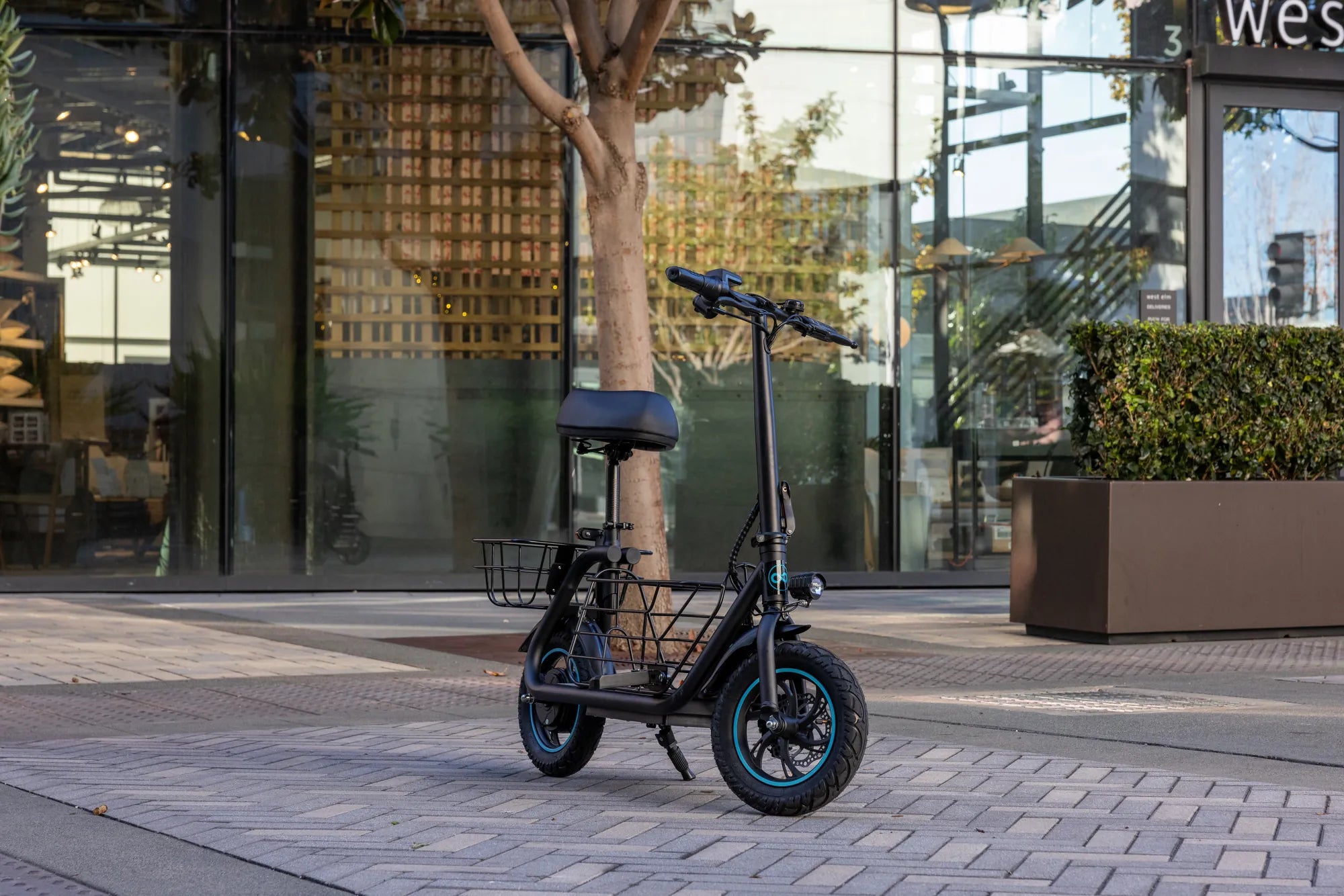
When it comes to choosing between an electric scooter and a petrol scooter, price is often the deciding factor. But is the upfront cost the only thing that matters? Let's dive deep into the financial and practical differences between these two popular modes of transportation.
Upfront Costs: Electric vs Petrol Scooters
The initial purchase price of an electric scooter is typically higher than that of a petrol-powered model. However, this gap is narrowing as battery technology improves and production scales up. While petrol scooters have been around for decades, electric models are catching up in terms of affordability.
Long-Term Cost Considerations
When evaluating electric scooter vs petrol scooter price, it's crucial to look beyond the sticker price. Electric scooters have significantly lower operating costs, with electricity being much cheaper than petrol on a per-mile basis. Maintenance costs are also substantially lower for electric models, as they have fewer moving parts and don't require oil changes or complex engine maintenance.
Fuel and Energy Costs Compared
The cost of charging an electric scooter is typically a fraction of what you'd spend on petrol for the same distance. While petrol prices fluctuate frequently, electricity rates tend to be more stable. Over the course of a year, these savings can add up to hundreds of dollars, potentially offsetting the higher initial purchase price of an electric scooter.
Maintenance and Repair Expenses
Petrol scooters require regular maintenance including oil changes, spark plug replacements, and air filter cleanings. Electric scooters, by contrast, need little more than occasional brake checks and tire maintenance. The simplicity of electric drivetrains translates to lower repair bills over the lifespan of the vehicle.
Government Incentives and Tax Benefits
Many governments offer incentives for purchasing electric vehicles, which can significantly reduce the effective price of an electric scooter. These may include tax credits, rebates, or exemptions from certain fees. Such incentives can make electric scooters more financially attractive when compared to petrol models.
Resale Value and Depreciation
While the used market for electric scooters is still developing, early indications suggest they may hold their value better than petrol scooters. As battery technology improves and charging infrastructure expands, the demand for used electric scooters is likely to increase, potentially making them a better long-term investment.
Environmental Costs and Savings
While not directly reflected in the purchase price, the environmental benefits of electric scooters translate to societal savings. Reduced emissions mean cleaner air and lower healthcare costs associated with pollution-related illnesses. Some cities are beginning to factor these savings into their transportation policies.
Total Cost of Ownership Analysis
When all factors are considered - purchase price, fuel costs, maintenance, incentives, and resale value - electric scooters often prove to be the more economical choice over time. The break-even point where the higher initial cost is offset by operational savings typically occurs within a few years of ownership.
As you weigh electric scooter vs petrol scooter price, remember that the true cost extends far beyond the showroom floor. With rising fuel prices and increasing environmental awareness, electric scooters are proving to be not just the cleaner choice, but often the smarter financial decision for urban commuters.
Electric Women Bike: The Ultimate Guide to Choosing the Perfect Ride
Which Electric Scooter Has Best Suspension: A Comprehensive Guide