



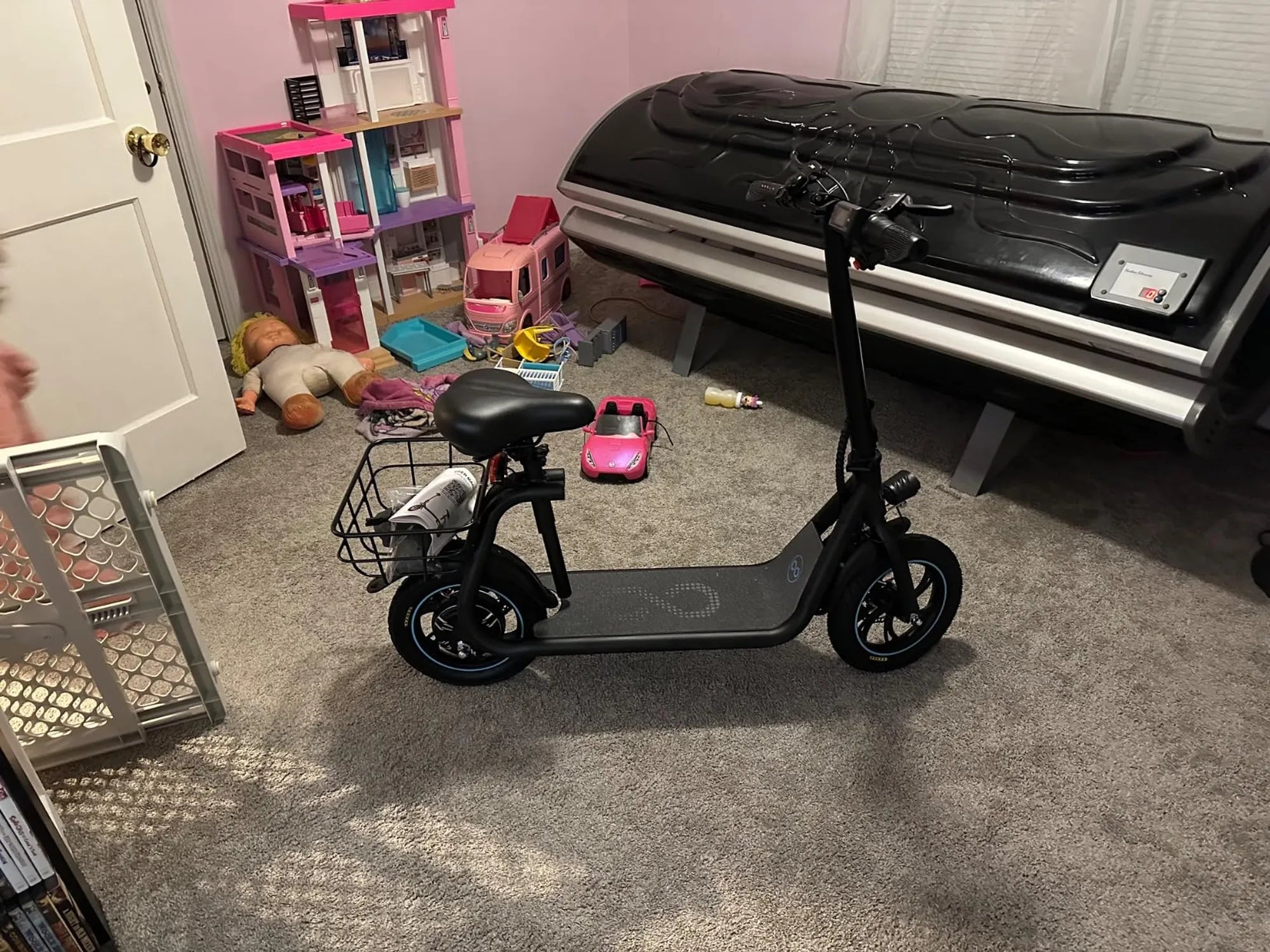
Electric scooters have become a popular mode of transportation, offering convenience, eco-friendliness, and fun. But before you hop on one, there's a critical factor you can't afford to ignore: electric scooter weight carrying capacity. Whether you're commuting to work or cruising for leisure, knowing how much weight your scooter can handle ensures a smooth, safe ride. Let's dive into everything you need to know.
Why Weight Carrying Capacity Matters
The weight carrying capacity of an electric scooter determines how much load it can safely support without compromising performance or safety. Exceeding this limit can lead to:
- Reduced battery life
- Slower speeds
- Increased wear and tear
- Potential safety hazards
Manufacturers design scooters with specific weight limits based on motor power, frame strength, and battery efficiency. Ignoring these limits can void warranties or even cause accidents.
Factors Affecting Electric Scooter Weight Capacity
Several elements influence how much weight an electric scooter can handle:
1. Motor Power
A scooter's motor is its powerhouse. Higher-wattage motors can handle heavier loads more efficiently. For example, a 250W motor may support up to 220 lbs (100 kg), while a 500W motor can handle 265 lbs (120 kg) or more.
2. Battery Performance
Heavier riders demand more energy from the battery. A scooter with a high-capacity battery will maintain speed and range better under load than one with a smaller battery.
3. Frame and Build Quality
Sturdy materials like aluminum or reinforced steel can support more weight than plastic frames. Check the scooter's build quality to ensure it won't buckle under pressure.
4. Tire Type
Solid tires are durable but may struggle with heavy loads, while pneumatic (air-filled) tires offer better shock absorption for heavier riders.
5. Suspension System
Scooters with suspension systems distribute weight more evenly, improving stability and comfort for riders nearing the weight limit.
How to Choose the Right Scooter for Your Weight
Picking the right electric scooter starts with knowing your weight and adding a buffer for safety. Follow these steps:
- Weigh yourself – Include any bags or gear you’ll carry while riding.
- Check the manufacturer's specs – Look for the maximum weight capacity in the product description.
- Add a safety margin – If you weigh 200 lbs, opt for a scooter rated for at least 220-250 lbs.
- Test ride if possible – Ensure the scooter feels stable and responsive under your weight.
Tips for Riding Near the Weight Limit
If you're close to your scooter's maximum capacity, these tips can help optimize performance:
- Avoid steep hills – Extra weight strains the motor on inclines.
- Maintain proper tire pressure (if using pneumatic tires) – Underinflated tires reduce efficiency.
- Charge the battery fully – Heavier loads drain batteries faster.
- Distribute weight evenly – Stand centered on the deck for better balance.
Common Misconceptions About Weight Capacity
Many riders assume that exceeding the weight limit slightly won’t cause issues, but even small overloads can:
- Shorten the scooter's lifespan
- Reduce braking efficiency
- Increase the risk of tire blowouts
Always respect the manufacturer's guidelines to ensure a safe and enjoyable ride.
Final Thoughts
Choosing an electric scooter with the right weight carrying capacity isn’t just about comfort—it’s about safety and longevity. By understanding the factors that influence performance and following the tips above, you’ll enjoy smoother rides and avoid unnecessary wear and tear. Ready to find your perfect match? Keep these insights in mind, and you’ll be zipping around town with confidence in no time!
Azores Mountain Biking: An Unforgettable Adventure in the Atlantic
How to Tell If Your Electric Scooter Is Charging: A Complete Guide