

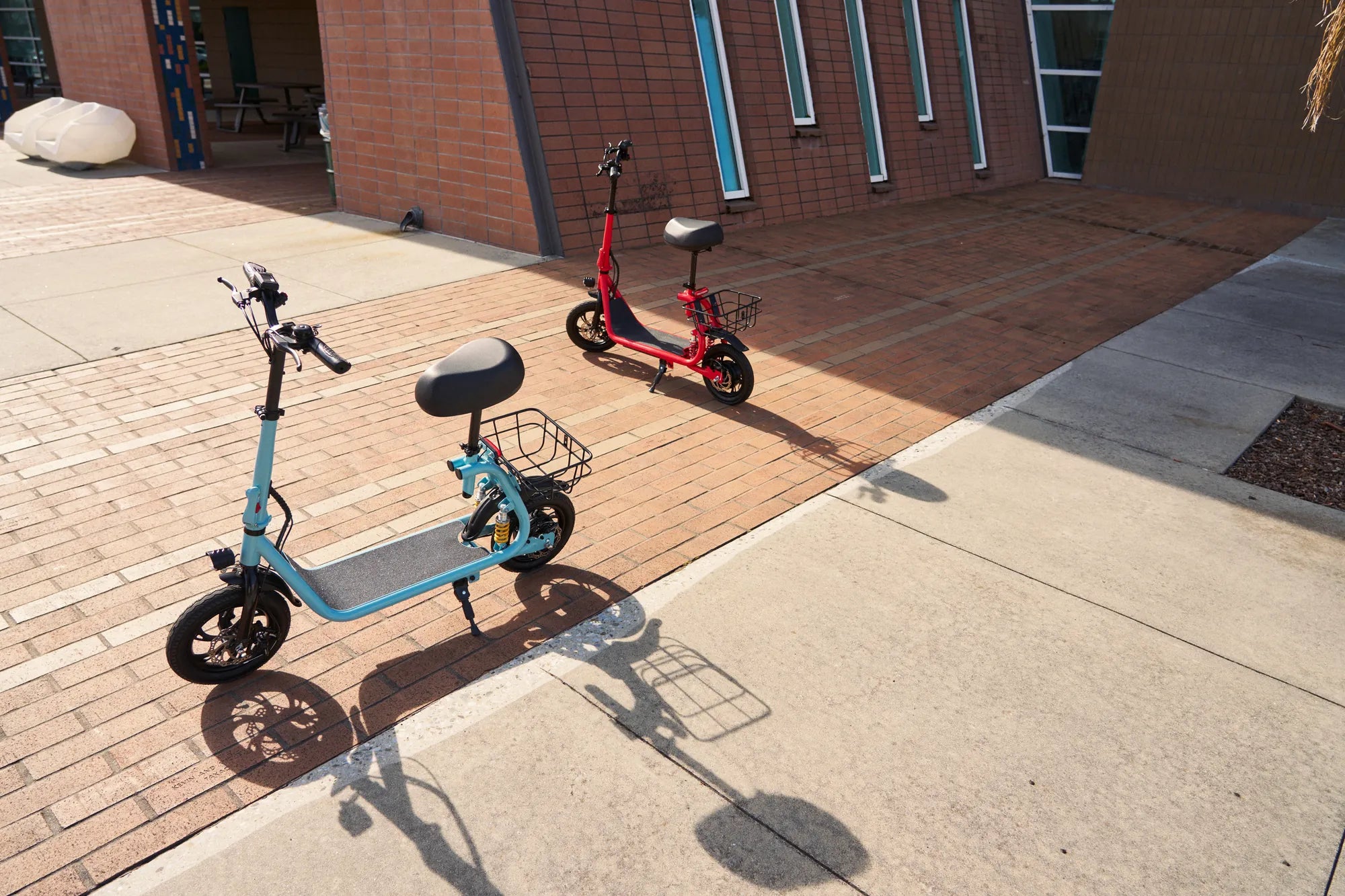
Electric scooters have revolutionized urban mobility, offering a convenient and eco-friendly way to navigate busy streets. But behind their sleek designs and smooth rides lies a network of critical components, with electric scooter wire connectors being one of the most overlooked yet essential parts. These tiny connectors ensure that power flows seamlessly from the battery to the motor, lights, and other electrical systems. Without them, your scooter wouldn't move an inch. Let's dive into the world of electric scooter wire connectors and uncover why they matter more than you think.
What Are Electric Scooter Wire Connectors?
Electric scooter wire connectors are small but mighty components that join electrical wires together, ensuring a secure and stable connection. They come in various shapes, sizes, and materials, each designed to handle specific voltage and current requirements. These connectors are the lifelines of your scooter's electrical system, transmitting power and signals between the battery, controller, motor, and other electronic parts.
Types of Electric Scooter Wire Connectors
Not all connectors are created equal. Here are the most common types you'll find in electric scooters:
- Bullet Connectors: Simple and easy to use, these are often found in battery and motor connections.
- XT Connectors: Known for their high current capacity, these are ideal for power-hungry components.
- JST Connectors: Smaller and lightweight, these are commonly used for signal wires and low-current applications.
- Anderson Connectors: Robust and durable, these are perfect for heavy-duty scooters.
Why Quality Matters
Cheap or faulty connectors can lead to a host of problems, from intermittent power loss to complete electrical failure. Poor connections generate heat, which can melt wires or even cause fires. High-quality connectors, on the other hand, ensure minimal resistance, efficient power transfer, and long-term reliability. Investing in good connectors can save you from costly repairs and dangerous situations.
Signs of Failing Connectors
How do you know if your scooter's connectors are on their way out? Watch for these red flags:
- Inconsistent performance or sudden power drops
- Visible corrosion or discoloration on the connectors
- Loose or wobbly connections
- Burning smell or excessive heat around the connectors
Maintenance Tips
To keep your electric scooter running smoothly, follow these simple maintenance tips:
- Regularly inspect connectors for signs of wear or damage.
- Clean connectors with a soft brush or compressed air to remove dust and debris.
- Apply dielectric grease to prevent corrosion and ensure a solid connection.
- Replace any damaged connectors immediately to avoid further issues.
Upgrading Your Connectors
If you're looking to boost your scooter's performance, upgrading to higher-quality connectors is a smart move. Opt for connectors with gold-plated contacts for better conductivity or those with waterproof ratings if you ride in wet conditions. Always ensure compatibility with your scooter's voltage and current requirements.
The Future of Electric Scooter Wire Connectors
As electric scooters evolve, so do their connectors. Future innovations may include self-cleaning contacts, wireless power transfer, or even smart connectors that monitor their own health. One thing's for sure: these tiny components will continue to play a pivotal role in the reliability and efficiency of electric scooters.
Next time you hop on your electric scooter, take a moment to appreciate the humble wire connectors working tirelessly behind the scenes. They may be small, but their impact on your ride is enormous. Keep them in top shape, and your scooter will thank you with miles of trouble-free adventures.
Best Low Cost Electric Scooter: Affordable and Efficient Rides for Everyone
Best Electric Scooter 2000W: Power, Performance, and Practicality