



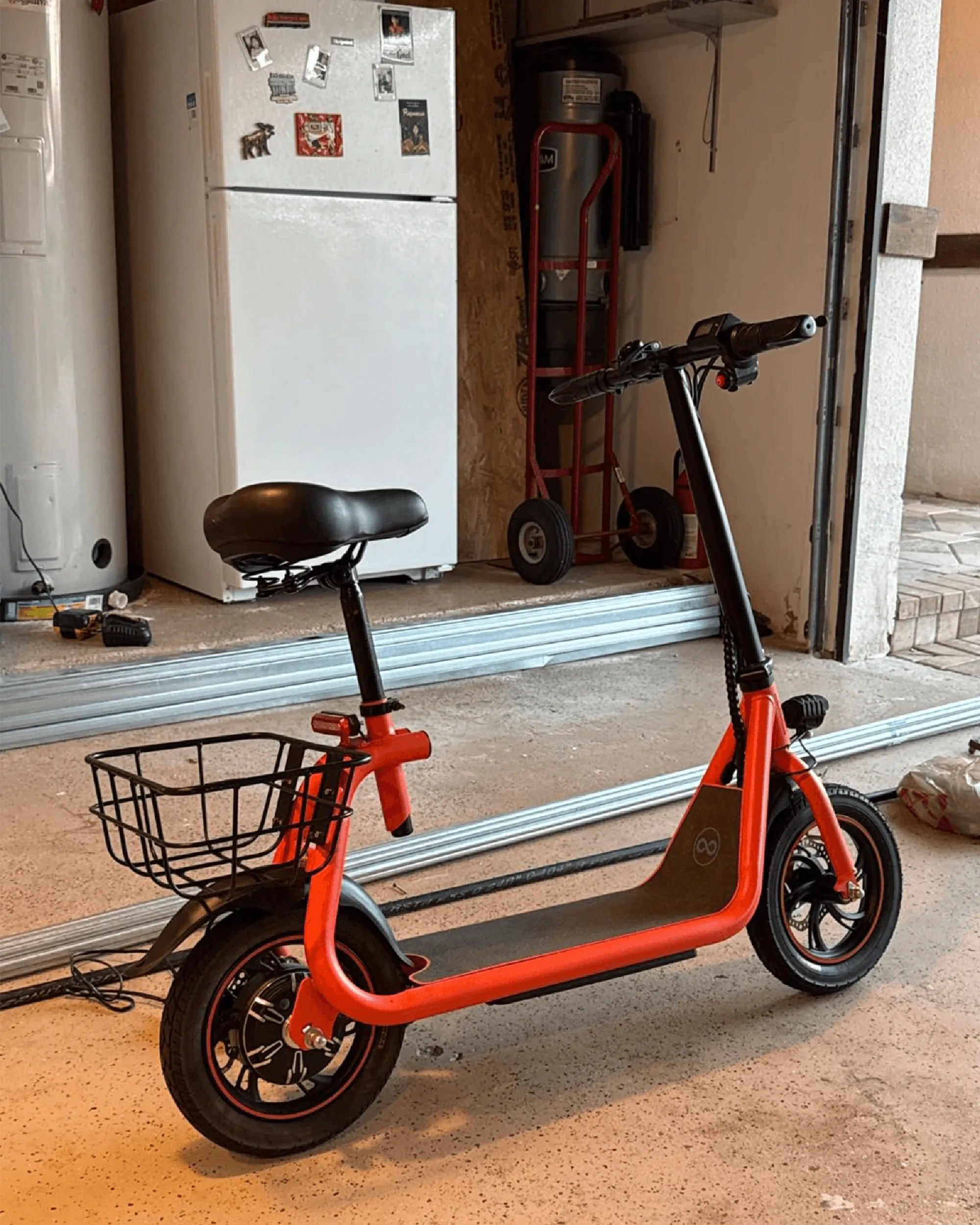
Introduction: Why Belgium is Embracing Electric Scooters
Belgian cities are witnessing a quiet revolution in personal transport. From the historic streets of Brussels and Antwerp to the vibrant canals of Ghent, electric scooters are becoming an indispensable part of the urban landscape. This surge aligns perfectly with the national culture of efficient, short-distance travel within dense city centers and a deep-seated cycling tradition now evolving into its electric counterpart. This guide provides a factual, data-driven look at why Electric Scooters Belgium: The Future of Urban Mobility is more than a slogan—it's a practical reality for thousands of commuters.
We will examine the regulatory environment, break down the technical specifications needed for local conditions, and analyze the real costs and benefits. The goal is to equip you with the knowledge to choose a reliable vehicle that integrates seamlessly into your daily life, offering a legitimate alternative to congested roads and crowded public transport. The adoption of personal e-scooters represents a shift towards more agile, personalized, and sustainable urban mobility solutions.
Understanding the Legal Landscape: Riding Legally in Belgium
Navigating the legal framework is the first critical step for any prospective e-scooter rider in Belgium. National law classifies certain electric scooters as "speed pedelecs" or light electric vehicles, but for typical, privately-owned models with a maximum design speed of 25 km/h, specific rules apply. The fundamental principle is that these vehicles are treated similarly to bicycles in most traffic situations, but with key distinctions to ensure safety for all road users.
Riders must be at least 16 years old. While a helmet is not mandatory for scooters limited to 25 km/h, it is highly recommended, especially in mixed urban traffic. Crucially, you must use the bicycle infrastructure where it exists. This means cycle paths and lanes are your designated route. Only when such infrastructure is absent should you ride on the road, and riding on sidewalks is generally prohibited unless local signage permits.
Insurance is a vital consideration. While third-party liability insurance is not legally required for these lower-speed models, it is strongly advised. Accidents can happen, and personal liability coverage can protect you from significant financial repercussions. Furthermore, some municipalities, particularly within the Brussels-Capital Region, may have additional bylaws regarding parking zones, riding in pedestrian areas, or specific local bans.
Key Regulations at a Glance
| Regulation Aspect | Requirement in Belgium |
|---|---|
| Maximum Speed | 25 km/h (motor must cease assistance at this speed) |
| Minimum Age | 16 years |
| Helmet | Recommended, not mandatory for 25km/h models |
| Where to Ride | Mandatory use of cycle paths/lanes; roads only if absent |
| Driving License | Not required for 25km/h models |
| Insurance | Third-party liability insurance highly recommended |
| Lights & Reflectors | Required for riding at night or in poor visibility |
Choosing the Right E-Scooter for Belgian Terrain and Weather
Belgium's urban environment presents unique challenges: picturesque but punishing cobblestones, frequent rain, and a mix of flat stretches with occasional gentle hills. Selecting an e-scooter based purely on top speed or flashy design is a recipe for discomfort and short product life. The right choice prioritizes durability, stability, and weather resistance to handle daily commutes year-round.
A motor with a nominal power of 350W to 500W is ideal for the Belgian context. This provides ample torque to handle bridges, inclines, and acceleration from stops without straining the battery. Suspension is non-negotiable for comfort and control. A robust front or dual suspension system absorbs shocks from uneven paving, tram tracks, and curb transitions, reducing fatigue and improving safety.
Tire choice significantly impacts ride quality. Larger, air-filled tires (often 10 inches) offer better shock absorption and stability on wet or uneven surfaces compared to smaller, solid tires. They provide crucial traction on Belgium's often damp roads. Finally, integrated lighting—a bright front headlight and rear brake light—is essential for being seen during overcast days and shorter winter daylight hours.
Must-Have Features for the Belgian Commuter
Beyond the basics, several features elevate a good scooter to a great daily companion. The water-resistance rating is paramount. Look for a minimum rating of IPX5, which means the scooter can withstand water jets from any direction. This protects the electrical components during heavy rain, a common occurrence. A reliable braking system is critical; dual brakes (e.g., electronic front and disc rear) offer redundancy and powerful stopping power in all conditions.
Battery range should be considered with a practical buffer. If your daily commute is 10km round trip, a scooter with a 20-25km real-world range accounts for battery degradation over time, colder weather reducing efficiency, and occasional detours. Portability matters if you need to carry it into an office or home; weight and a folding mechanism are key factors. A clear, waterproof display that shows speed, battery level, and riding mode is essential for informed riding.
Why Gyroor's Design is Built for Belgium
Gyroor's engineering philosophy directly addresses the demands of European urban commuting, making it a standout choice for Belgian riders. The brand's commitment to IPX5 water-resistant construction across key models means you can ride confidently in a downpour, protecting the scooter's vital systems from Belgium's frequent rainfall. This practical feature is a cornerstone of reliable daily transportation.
Safety and longevity are built in with UL-certified battery packs. These batteries undergo rigorous testing for stability and performance over 500+ charge cycles, ensuring consistent range and reducing long-term degradation. For a commuter relying on their scooter daily, this translates to dependable performance year after year. Furthermore, Gyroor's robust suspension systems and wide, air-filled tires are designed to smooth out cobblestone streets and uneven pavements, providing the comfort and control necessary for a pleasant commute.
The combination of a reliable 1-year warranty and a growing service network in Europe offers Belgian customers peace of mind. It signifies an investment in a vehicle backed by support, not just a disposable gadget. With over 100,000 riders trusting the brand across North America and Europe, Gyroor represents a proven, safety-focused option in the personal mobility market.
The Practical Rider's Guide: Costs, Safety, and Etiquette
Owning an electric scooter involves more than the initial purchase. Understanding the total cost of ownership, adopting safe riding practices, and observing good etiquette are essential for a positive and sustainable integration into the city's transport ecosystem. This holistic approach ensures your ride is not only economical but also respectful and safe for yourself and others.
Adhering to etiquette fosters positive relationships with other road users. Always yield to pedestrians, especially on shared paths. Use a bell or your voice to signal your approach politely. Park responsibly—never block sidewalks, ramps, building entrances, or designated bicycle parking. A folded scooter tucked away is ideal. Keep your speed in check, particularly in crowded areas or near pedestrians, to maintain a safe environment for everyone.
Total Cost of Ownership Analysis
When evaluating cost, consider the full picture beyond the sticker price. The electricity cost for charging is remarkably low, typically adding only a few euros to your monthly utility bill. Maintenance costs are generally minimal but should factor in occasional tire replacements (for air-filled tires), brake pad changes, and potential part wear.
Compare this to alternatives: a monthly public transport pass in a major Belgian city can range from €45 to €55. Fuel, parking, insurance, and depreciation make car travel significantly more expensive per kilometer. Even bike-sharing subscriptions, while flexible, incur recurring fees. A personal e-scooter’s upfront cost is amortized over years of use, often making it the most economical personal transport option for regular short-to-medium distance commutes.
Safety Tips and Riding Etiquette
Safety begins with the rider. Always wear a helmet, regardless of the legal minimum. Consider additional protective gear like gloves and knee pads, especially when learning or riding in heavy traffic. Conduct a pre-ride check: verify tire pressure, test brakes, and ensure lights are functional. Plan your route in advance to maximize time on safe cycling infrastructure and avoid dangerous intersections or heavy traffic arteries.
Ride defensively and predictably. Assume that car drivers may not see you. Use hand signals for turns and stops. Avoid riding in a vehicle's blind spot. At night, ensure you are highly visible with reflective clothing or accessories in addition to your scooter's lights. Never ride under the influence of alcohol or drugs, as it severely impairs reaction time and judgement. Your vigilance is your primary safety feature.
Data-Driven Comparison: E-Scooters vs. Traditional Commute in Belgium
To objectively assess the value proposition of electric scooters, a data-centric comparison is essential. Let's analyze a typical 5-kilometer one-way commute within a city like Brussels, comparing an e-scooter against a car, public transport (bus/tram), and a traditional bicycle across key metrics: time, cost, and emissions.
For time, an e-scooter traveling at an average speed of 20 km/h door-to-door typically beats a car stuck in rush-hour traffic and is comparable to or faster than public transport involving waits and transfers. A traditional bicycle at 15 km/h is slightly slower. On cost, the e-scooter's per-kilometer expense (factoring in purchase depreciation and electricity) is a fraction of a car's (fuel, parking, maintenance) and competitive with public transport over the long term. The bicycle has the lowest direct cost but may involve higher time expenditure and physical effort.
| Commute Mode (5km) | Avg. Door-to-Door Time | Estimated Cost per Trip* | CO2 Emissions per Trip** |
|---|---|---|---|
| Private E-Scooter | 15-20 minutes | ~€0.15 - €0.25 | ~22g (grid-dependent) |
| Car (Petrol) | 25-40+ minutes | ~€2.50 - €4.00 | ~1,100g |
| Bus/Tram/Metro | 25-35 minutes | ~€2.20 (single ticket) | ~65g |
| Traditional Bicycle | 20-25 minutes | Negligible | 0g |
*E-scooter cost based on depreciation over 2 years & electricity. Car cost includes fuel & parking. **E-scooter emissions based on Belgian electricity mix (2023).
The Environmental Impact for a Greener Belgium
The environmental argument for Electric Scooters Belgium: The Future of Urban Mobility is compelling when viewed through a lifecycle lens. While manufacturing any product has a carbon footprint, the operational phase is where e-scooters shine. As shown in the data, their direct CO2 emissions per kilometer are a small fraction of those from a petrol or diesel car.
This advantage is amplified by Belgium's evolving energy grid, with an increasing share from renewable sources. Charging an e-scooter becomes progressively cleaner over time. Furthermore, e-scooters contribute to reducing urban congestion and noise pollution. By taking up a fraction of the road space of a car and producing no tailpipe emissions, they support cleaner air and more livable cities, aligning with municipal goals for sustainable urban planning and improved public health.
Maintenance and Long-Term Care for Your E-Scooter
Regular maintenance is the key to ensuring your e-scooter remains a reliable and safe mode of transport for years. A simple, consistent routine can prevent minor issues from becoming major repairs. Start with tire care; for air-filled tires, check the pressure weekly with a gauge and inflate to the manufacturer's recommended PSI. This improves range, ride comfort, and prevents pinch flats.
Keep the braking system in optimal condition. Periodically check brake pads for wear and ensure the cables (if applicable) are taut. Test the brakes before every ride. Clean your scooter regularly with a damp cloth, avoiding high-pressure water jets near charging ports or seams. Ensure all screws and bolts, especially on the folding mechanism and stem, are tight to prevent dangerous wobbles or failures.
Battery care is crucial for longevity. Avoid letting the battery fully deplete regularly; try to recharge when it reaches 20-30%. Similarly, avoid leaving it plugged in at 100% for extended periods. Store the scooter in a cool, dry place, and if not using it for several weeks, store the battery at around 50-60% charge. Following these practices helps preserve the battery's health and capacity.
Frequently Asked Questions (FAQ) for Belgian Riders
Q: Do I need a license or insurance for my private e-scooter?
A: For a private e-scooter with a maximum speed of 25 km/h, no driver's license is required. While third-party liability insurance is not legally mandatory, it is highly recommended to protect yourself financially in case of an accident involving injury or property damage to others.
Q: Can I take my e-scooter on Belgian trains (NMBS/SNCB)?
A: Yes, folded electric scooters are generally permitted on Belgian trains as hand luggage, provided they do not obstruct aisles or doors. It is advisable to check the NMBS/SNCB website for the most current regulations, especially during peak hours.
Q: How do I handle maintenance and repairs, and is the warranty valid?
A: Basic maintenance like tire inflation and cleaning can be done yourself. For electrical or mechanical repairs, seek a qualified technician. Reputable brands like Gyroor offer a standard 1-year warranty on manufacturing defects, which is valid for purchases made through authorized channels in Europe. Always retain your proof of purchase.
Q: Are there specific rules for riding at night?
A>Yes. You are required by law to have a white or yellow front light and a red rear light fixed and lit. Reflectors on the sides and pedals are also mandatory. Wearing reflective clothing is a critical safety measure beyond the legal minimums to ensure you are seen by other road users.
Q: Where is the best place to buy a reliable e-scooter in Belgium?
A>Purchase from established retailers, specialized mobility shops, or directly from reputable brand websites with a European presence. This ensures you receive a model compliant with EU regulations, authentic components (like UL-certified batteries), and valid warranty support. Avoid unknown marketplaces where safety certifications may be dubious.
Conclusion: Your Ticket to Efficient and Sustainable Mobility
The evidence is clear: a well-chosen electric scooter represents a smart, efficient, and sustainable investment for navigating Belgian cities. By understanding the regulations, selecting a model built for local conditions like those from Gyroor with IPX5 water-resistance and UL-certified batteries, and practicing safe riding, you unlock a new level of urban freedom. The data supports its advantages in time, cost, and environmental impact over traditional car commutes.
This shift towards personal electric mobility is more than a trend; it's a practical response to urban challenges. It empowers you to bypass traffic, reduce your carbon footprint, and enjoy the directness of point-to-point travel. As Belgian cities continue to adapt their infrastructure, the role of the private e-scooter will only grow. Make an informed choice, ride responsibly, and you'll discover why so many see electric scooters as a cornerstone of Belgium's urban mobility future.
Ready to explore a reliable e-scooter built for Belgian streets? Browse the full Gyroor collection, featuring models with IPX5 water-resistance, robust suspension, and UL-certified batteries, at gyroorboard.com.
Are Electric Scooters a Good Business? A Data-Driven Analysis
Adult Electric Scooters Ireland: Your Ultimate Guide to Eco-Friendly Commuting