

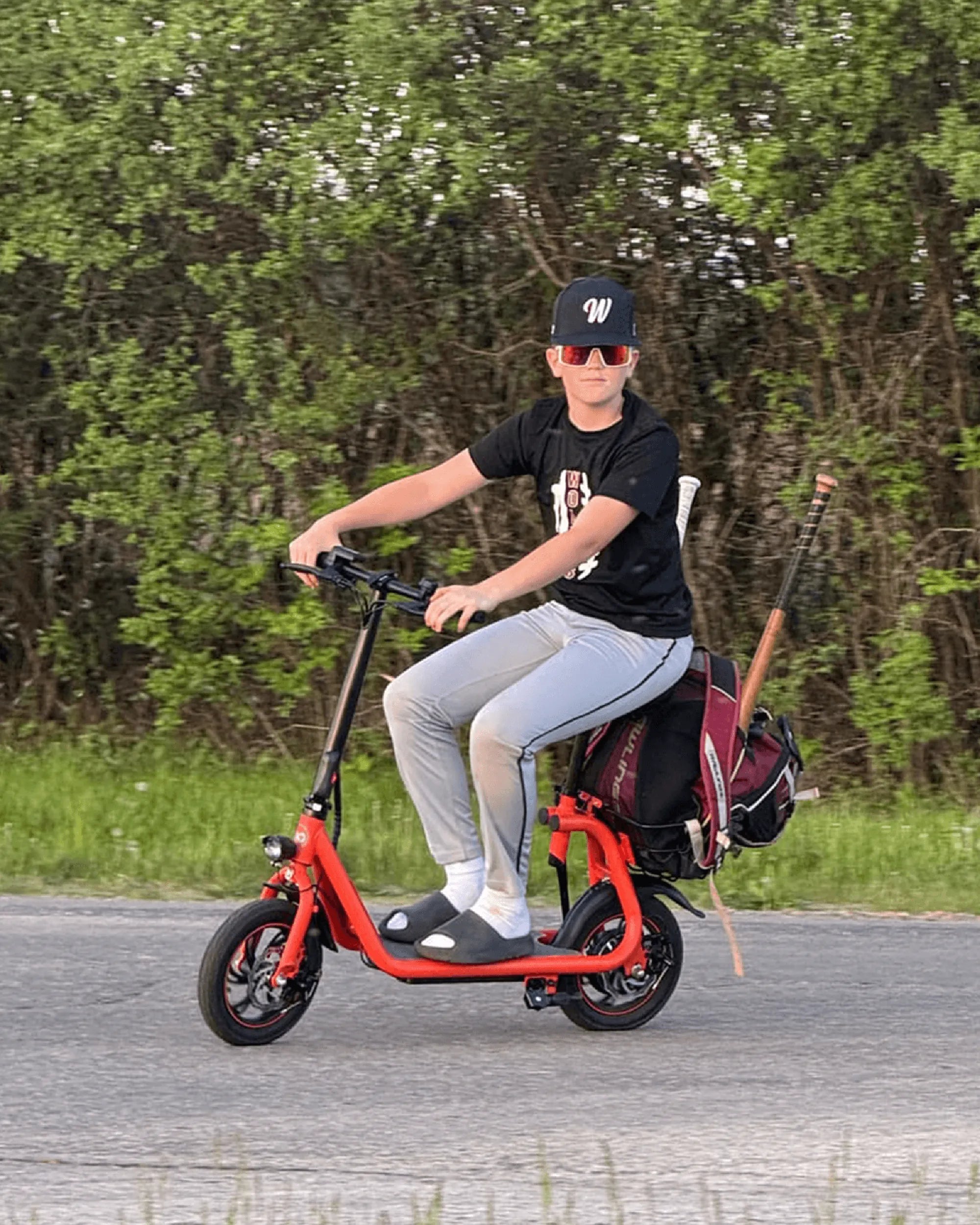
Navigating Chicago's bustling streets requires smart mobility solutions. Electric scooters have emerged as a transformative option for beating traffic, avoiding parking headaches, and bridging gaps in public transit. This guide, Electric Scooters Chicago IL: The Ultimate Guide to Riding in the Windy City, provides residents and visitors with the essential knowledge to ride safely, legally, and efficiently. You'll learn about local regulations, how to select a scooter built for Chicago's climate and pavement, master seasonal riding strategies, and discover how this mode of transport can redefine your experience of the city.
Understanding Chicago's E-Scooter Landscape: Rules & Programs
Chicago has a structured approach to micromobility. The city operates a regulated shared scooter program, while private ownership is also permitted with specific rules. Knowing these distinctions is crucial for legal and safe riding.
The Chicago Department of Transportation (CDOT) oversees the shared scooter pilot, licensing operators to deploy scooters in designated areas. These zones typically cover much of the city's central and north sides but exclude the downtown Central Business District and the Lakefront Trail. Riders must use designated parking corrals to avoid clutter and fines.
For private scooter owners, the rules are clear. Electric scooters are classified as "low-speed electric scooters" under Illinois law. They are prohibited on sidewalks everywhere in Chicago. Riders must use bike lanes or the road, following the same traffic laws as bicycles. Helmets are strongly recommended for all, and required for riders under 17.
Key prohibited areas include the Lakefront Trail, the 606 Bloomingdale Trail, and sidewalks. Riding in the downtown "Scooter Disabled Zone" (bounded by Halsted, 26th St, Lake Michigan, and the Chicago River) is illegal for both private and shared scooters. Always check the latest CDOT maps for the most current geofencing boundaries.
Choosing the Right E-Scooter for Chicago's Terrain and Weather
Chicago's environment demands a specific set of scooter features. From pothole-riddled streets and steep bridge inclines to lake-effect rain and freezing winters, your scooter must be robust. The right choice balances power, range, durability, and safety features.
For navigating neighborhoods like the West Loop or Logan Square, a scooter with ample torque is non-negotiable. You'll need power for quick acceleration at intersections and to maintain speed on gradual inclines. A minimum 350W motor is a good starting point, but 500W or more provides the necessary headroom for Chicago's varied topography.
Battery range is equally critical. A stated range of 15-20 miles is often halved in real-world conditions, especially in cold weather. For a reliable commute from, say, Wicker Park to the Loop and back, seek a scooter with a manufacturer-rated range of at least 25 miles, powered by a high-quality, UL-certified battery pack.
Durability against the elements is paramount. Look for an IP water resistance rating; an IPX5 rating means the scooter can withstand water jets from any direction, protecting it from rain puddles and street spray. A sturdy frame, reliable braking system, and good suspension are essential for handling the city's infamous pavement challenges.
Key Features for Windy City Riding: Motor, Range, and Tires
Delving into specifications reveals what truly matters for Chicago commuting. Motor power directly impacts your ability to tackle hills on bridges over the Chicago River or navigate through crowded streets. A dual-motor setup can offer superior traction and hill-climbing ability, though a single robust motor is sufficient for most riders.
Realistic range expectations must account for temperature. Lithium-ion batteries can lose 20-40% of their capacity in freezing temperatures. A scooter that gets 20 miles in summer may only achieve 12-15 miles in January. Factor this into your purchase and daily planning. Brands that use UL-certified batteries, like Gyroor, ensure higher safety standards and more consistent performance across charge cycles.
Tire choice significantly affects ride quality and safety. Pneumatic (air-filled) tires provide far better shock absorption on cracked concrete and cobblestone streets, offering a smoother ride and improved traction in wet conditions. While solid tires eliminate flats, they transmit more vibration and offer less grip, a serious drawback on Chicago's often-slick streets.
Why Build Quality & Warranty Matter: A Case for Brands Like Gyroor
Investing in a well-constructed scooter from a reputable brand pays long-term dividends in safety, reliability, and total cost of ownership. Chicago's riding conditions are a rigorous test of engineering and materials.
A robust warranty is your first indicator of manufacturer confidence. A comprehensive 1-year warranty that covers the motor, battery, and frame suggests a product built to last. It protects your investment against defects that could be exacerbated by daily urban use.
Specific features become critical in this context. An IPX5 water-resistant rating is not just a marketing term; it's essential protection against the sudden rain showers that sweep off Lake Michigan. A UL-certified battery pack, a standard in Gyroor's lineup, is a non-negotiable safety feature that minimizes fire risk—a crucial consideration for apartment dwellers.
Brands with a proven track record, trusted by over 100,000 riders across North America and Europe, understand the demands of four-season commuting. They design scooters with reinforced stems, reliable electronic braking systems, and batteries tested for 500+ charge cycles. This translates to a scooter that won't fail you during a critical commute or leave you stranded due to a minor component failure.
Mastering Your Chicago E-Scooter Commute: Safety & Route Planning
Safe riding in Chicago requires a defensive mindset and strategic planning. You are sharing space with cars, buses, cyclists, and pedestrians. Always assume others may not see you.
Essential safety gear starts with a helmet. While only mandated for minors, it is the single most effective piece of protective equipment. Use bright, reflective clothing or accessories, especially during Chicago's short winter days. Front and rear lights are legally required at night and are vital for visibility.
Adopt bicycle riding principles. Ride in the direction of traffic, signal your turns, and make eye contact with drivers at intersections. Be hyper-aware of car doors opening ("dooring")—maintain a safe distance from parked vehicles. Use bike lanes whenever available, but be prepared for obstructions or sudden endings.
Plan your route before you go. Familiarize yourself with Chicago's network of bike lanes, neighborhood greenways, and calmer side streets. Apps like Google Maps (set to bicycle mode) or dedicated cycling maps from the City of Chicago can help identify scooter-friendly paths that avoid the most chaotic arterials.
Navigating Neighborhoods and Avoiding High-Traffic Zones
Strategic route selection transforms your commute from stressful to enjoyable. Different neighborhoods offer distinct advantages and challenges for scooter riders.
For north-south travel, corridors like Halsted Street or Clark Street often have bike lanes or calmer traffic patterns compared to major thoroughfares like Ashland or Western Avenues. The elevated 606 trail is off-limits to scooters, but the streets parallel to it, like Bloomingdale Ave, can be good alternatives.
For commuting into or around the Loop, remember the scooter prohibition in the central zone. Plan to park at its edge and walk or use public transit for the final leg. During rush hour, avoid congested areas like the intersections around the Merchandise Mart or the Mag Mile, where pedestrian and vehicle traffic peaks.
Exploring neighborhoods like Lincoln Park, Lakeview, or Pilsen by scooter is a delight. Stick to residential side streets where traffic is lighter. Be extra cautious in commercial districts like Division Street in Wicker Park or 18th Street in Pilsen, where pedestrian activity is high and parking lanes are busy.
Cost Analysis: Owning vs. Renting an E-Scooter in Chicago
Understanding the financial implications is key to deciding between using shared services and purchasing your own scooter. The break-even point comes sooner than many expect for regular riders.
| Cost Factor | Owning a Personal Scooter (e.g., Gyroor Model) | Using Shared Scooter Services |
|---|---|---|
| Upfront Cost | $500 - $1,200+ (one-time) | $1 to unlock + per-minute fee |
| Typical Daily Commute (5 miles round trip) | ~$0.05 (electricity cost) | $10 - $15+ (varies by provider & surge pricing) |
| Annual Cost (200 commute days) | ~$10 (electricity) + minimal maintenance | $2,000 - $3,000+ |
| Convenience & Availability | Always available at your door; personalized settings | Subject to availability, battery charge, and geofencing |
| Long-Term Value | Lasts 3-5+ years; high resale potential | No ownership equity; purely operational expense |
For a commuter using a scooter just twice a week, the annual cost of rentals can exceed $1,000. A quality personal scooter, like those from Gyroor, often pays for itself in under six months of equivalent rental use. Ownership also guarantees a consistently well-maintained vehicle with a battery you know the history of, unlike shared fleets.
Additional ownership costs are minimal: occasional tire replacement, brake pad changes, and seasonal maintenance. The peace of mind from having a reliable, always-available vehicle tailored to your needs provides intangible value that far outweighs the initial investment for active riders.
Seasonal Riding Guide: From Summer Streets to Winter Challenges
Chicago's four distinct seasons demand adaptation in both riding technique and scooter care. A proactive approach ensures safety and extends your scooter's lifespan.
Spring & Summer: Ideal riding conditions. Focus on hydration and sun protection. Be aware of increased pedestrian and tourist traffic, especially near the lakefront and downtown. Summer thunderstorms can arrive quickly; have a plan to seek shelter and protect your scooter's electronics from heavy rain, even with a good water resistance rating.
Autumn: Enjoy the crisp air but beware of hazards. Wet leaves on pavement are as slippery as ice. They can also hide potholes and streetcar tracks. Daylight fades earlier, so using lights from late afternoon becomes essential. This is the perfect time for a pre-winter maintenance check on brakes and tire pressure.
Winter: The most challenging season. Cold drastically reduces battery range; store and charge your scooter indoors whenever possible. Allow the battery to warm to room temperature before charging. Traction is minimal on snow and ice; reduce speed significantly, avoid leaning on turns, and consider dismounting on particularly treacherous patches. Use fenders to manage slush and road salt, which is highly corrosive—wipe down your scooter after wet winter rides.
Top Destinations and Scenic Routes Accessible by E-Scooter
Beyond commuting, electric scooters unlock Chicago for exploration. These routes maximize enjoyment while respecting local regulations.
The Chicago Riverwalk (Access Points): While riding directly on the crowded Riverwalk is not permitted, scooters are perfect for accessing it. Park at a corral near entry points like Michigan Avenue or State Street, then enjoy a stroll. Use your scooter to efficiently hop between different Riverwalk sections or connecting neighborhoods.
Museum Campus to Northerly Island: From the Shedd Aquarium, follow the bike-accessible paths south along the lakefront (outside the prohibited trail zone) towards the serene, man-made landscapes of Northerly Island. It offers stunning skyline views and a unique natural escape minutes from downtown.
The Milwaukee Avenue Corridor: This diagonal artery from the Loop through Wicker Park, Logan Square, and beyond is a classic Chicago ride. It features dedicated bike lanes for much of its length and passes through some of the city's most vibrant commercial districts, perfect for a day of exploring shops, cafes, and street art.
Hyde Park Exploration: Take the Lakefront Trail (by walking your scooter on the pedestrian path) or use side streets to explore the University of Chicago campus, the Museum of Science and Industry, and the beautiful historic homes in this South Side neighborhood. The wider streets and lower traffic density in many areas make for pleasant riding.
Frequently Asked Questions (FAQs) for Chicago Riders
Q: Can I ride my electric scooter on the sidewalk in Chicago?
A: No. It is illegal to operate an electric scooter on any sidewalk in Chicago. You must ride in the street (with traffic) or in a designated bike lane.
Q: Where can I park my private e-scooter?
A> You may park your private scooter at a public bike rack. Do not block sidewalks, building entrances, ADA ramps, or bus stops. Using the shared scooter program's designated parking corrals is also encouraged when available.
Q: Can I take my e-scooter on the CTA 'L' train or a bus?
A> CTA policy allows folded bicycles on trains and buses at all times. A folded electric scooter is generally treated the same way. Always be courteous, keep the scoter clean, and avoid blocking aisles, especially during peak hours.
Q: Do I need a driver's license or insurance to ride an e-scooter in Chicago?
A> Illinois law requires e-scooter riders to have a valid driver's license or state ID. There is no legal requirement for scooter-specific insurance, but it's wise to check if your renters or homeowners policy covers personal electric vehicle liability.
Q: How do I handle my scooter's battery in winter?
A> Store and charge the battery indoors at room temperature whenever possible. Cold reduces capacity and can damage the battery if charged while frozen. Allow a cold battery to warm up for several hours before attempting to charge it. Never leave the scooter or battery outside overnight in freezing temps.
Conclusion: Embracing Efficient, Eco-Friendly Mobility
Mastering electric scooters in Chicago IL opens a new dimension of urban freedom. By understanding local laws, selecting a scooter engineered for durability like those from trusted brands, and adopting safe, seasonally-aware riding habits, you can navigate the Windy City with unprecedented efficiency and joy. This guide to Electric Scooters Chicago IL has equipped you to make informed decisions, whether you're commuting daily or exploring weekend adventures. The right scooter isn't just a purchase; it's an investment in a faster, more flexible, and sustainable way of life in one of America's greatest cities. Ready to find a scooter built for Chicago's streets? Browse the full collection of UL-certified, weather-ready models at gyroorboard.com.
Top Affordable Electric Scooters 2025: Budget-Friendly Rides for Everyone
Best Compact Electric Scooters for Urban Commuters in 2024: The Ultimate Guide