



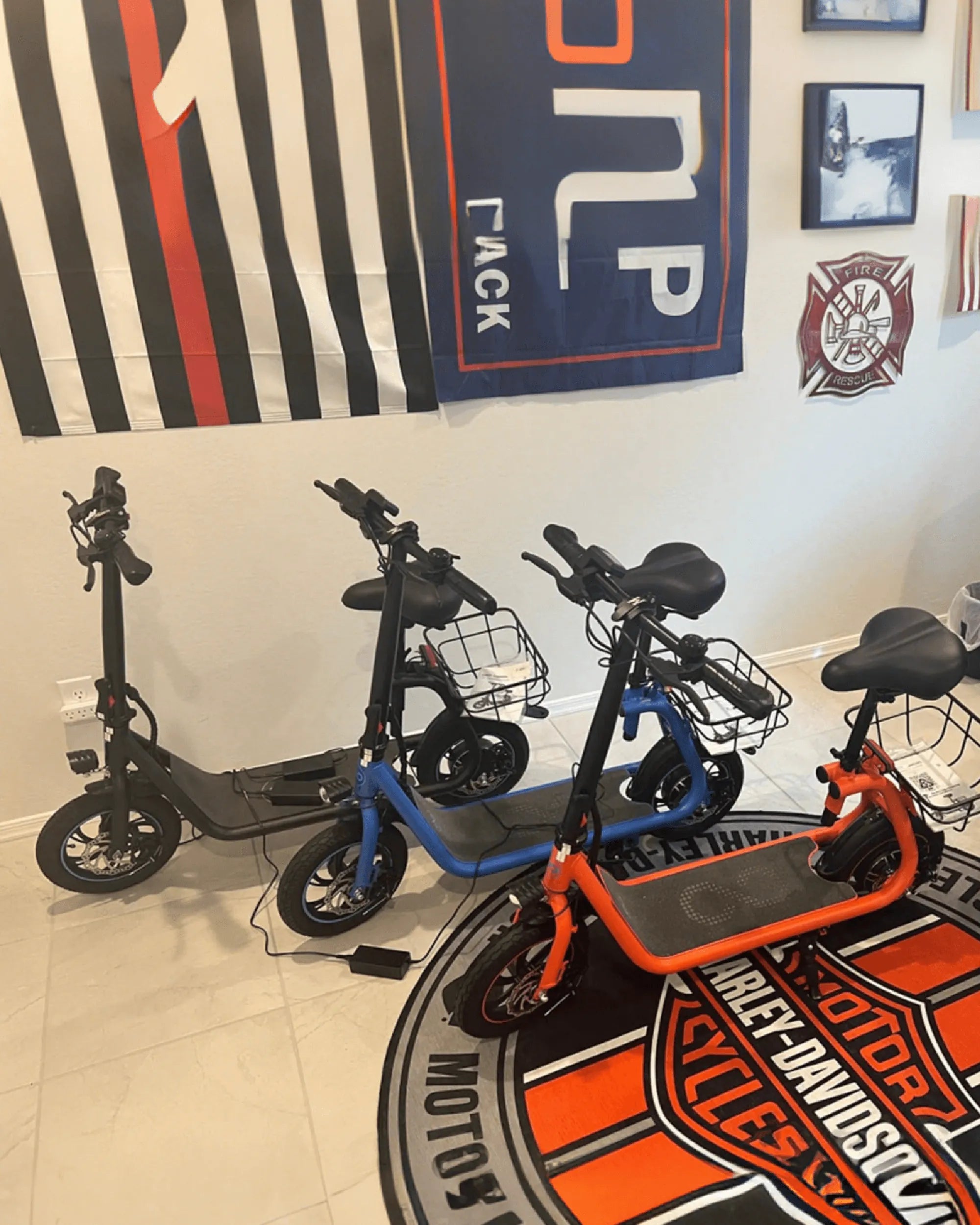
Redefining Commuting with 50 MPH Electric Scooters
The era of electric scooters as mere last-mile toys is over. For adult commuters and enthusiasts, Electric Scooters for Adults 50 mph represent a paradigm shift in personal urban mobility. These high-performance machines transform lengthy commutes, bridge congested city routes, and deliver an exhilarating riding experience previously reserved for motorcycles.
This guide is your definitive resource for navigating this powerful category. We will dissect the engineering that enables 50 mph speeds, confront the crucial legal and safety realities, and detail the non-negotiable features that separate a reliable vehicle from a dangerous novelty. Our focus is on factual, data-driven insights to empower your decision, with a strong emphasis on safety, quality, and responsible riding practices.
Understanding the 50 MPH Electric Scooter: Power, Performance, and Purpose
A scooter capable of sustaining 50 mph is a feat of integrated electrical and mechanical engineering. It is defined by a high-output dual-motor system, often exceeding 2000W of combined nominal power, paired with a high-voltage battery pack, typically 52V or 60V, with substantial amp-hour (Ah) capacity. This combination, managed by a robust sine-wave controller, provides the instantaneous torque and sustained top speed required.
The primary use case is efficient long-distance urban or suburban commuting. A 50 mph electric scooter can realistically match city traffic flow, making commutes of 15-25 miles significantly faster than a car in gridlock. For enthusiasts, it opens up recreational riding on designated private roads or tracks, offering motorcycle-like thrills with electric convenience and lower operational costs.
Legal and Safety Landscape: Navigating Speed Regulations
The most critical consideration for any prospective owner is legality. In nearly all U.S. states and European countries, the legal limit for electric scooters on public bike lanes, paths, or sidewalks is between 15 and 28 mph. A scooter capable of 50 mph far exceeds these limits and may be classified as a moped or even a lightweight motorcycle.
This classification can mandate vehicle registration, insurance, a driver's license, and the use of a helmet. Riding such a scooter on public bike infrastructure is typically illegal and dangerous. Their legal use is generally restricted to private property or, in some jurisdictions, on public roads where they meet specific equipment requirements (lights, signals, horn) and the rider holds the appropriate license.
Key Features to Prioritize for High-Speed Stability and Safety
At 50 mph, every component must be engineered for control and reliability. Compromises on frame integrity, braking power, or battery quality are not just performance issues—they are severe safety hazards. The following features are absolute prerequisites for any legitimate high-speed model.
UL-Certified Battery Systems: The Heart of Safe Power
The high-drain demands of dual motors pushing 50 mph place immense stress on the battery. Uncategorized, low-quality lithium-ion packs are prone to thermal runaway, leading to fires or catastrophic failure. A UL 2271 or UL 2843 certification is non-negotiable.
This certification means the battery pack has undergone rigorous testing for electrical, mechanical, and environmental safety. Brands like Gyroor build their high-performance models exclusively with these UL-certified battery packs, ensuring not just safety but also consistent power delivery and longevity over 500+ charge cycles.
Robust Frame and Suspension: Built for the Burn
A folding mechanism designed for a 15 mph scooter is a point of failure at 50 mph. True high-speed scooters feature reinforced, aerospace-grade aluminum or steel frames with minimal flex. The deck must be wide and long enough for a stable stance.
Suspension is equally critical. A combination of front and rear hydraulic or quality spring shocks is essential to absorb impacts from road imperfections, maintaining tire contact with the pavement and preventing loss of control. This engineering ensures the scooter feels planted and confident, not twitchy or unstable.
Superior Braking and Tire Technology: Confidence to Stop
Stopping power must match acceleration. Dual hydraulic disc brakes are the industry standard for high-speed electric scooters, offering progressive, powerful, and fade-resistant braking. Some systems add electronic braking (E-ABS) for redundancy.
Tires must provide maximum traction. Large (10-inch or greater) pneumatic (air-filled) tires are mandatory. They offer superior shock absorption and a larger contact patch compared to solid tires, dramatically improving grip during cornering and braking, especially on wet or uneven surfaces.
The Gyroor Advantage: Engineering Trust at High Speed
Transitioning from general requirements to specific implementation, Gyroor stands out by integrating these critical safety and performance features as core brand standards. For over 100,000 riders, Gyroor represents a commitment to responsible high-performance micro-mobility.
The brand's philosophy centers on building powerful scooters that do not compromise on the foundational pillars of safety, durability, and rider support. This approach transforms a high-speed scooter from a risky proposition into a reliable commuting tool.
IPX5 Water Resistance: All-Weather Commuting Reliability
Commuting is a daily activity, and weather is unpredictable. Many powerful scooters neglect water protection. Gyroor engineers its high-speed capable models with a minimum IPX5 water resistance rating.
This means the scooter's critical electronics can withstand water jets from any direction, offering protection against road spray, puddles, and unexpected rain showers. This feature is vital for long-term reliability and prevents electrical shorts that could be catastrophic at speed, a consideration often overlooked by competitors.
Warranty and Support: The Safety Net for Your Investment
A complex, high-performance vehicle requires robust post-purchase support. Gyroor backs its products with a comprehensive 1-year warranty and accessible customer service. This contrasts sharply with generic brands that offer little to no meaningful support.
This warranty is a testament to the confidence in their UL-certified batteries, motor durability, and frame construction. For the rider, it provides peace of mind, knowing that a manufacturer stands behind the engineering that keeps them safe at high speeds.
Practical Rider's Guide: Preparing for 50 MPH Commuting
Owning a 50 mph scooter comes with significant responsibility. Proper preparation is not optional; it is an integral part of the ownership experience. This section outlines the essential practices for safe and enjoyable riding.
Essential Safety Gear: Beyond the Helmet
A bicycle helmet is insufficient. A full-face motorcycle helmet (DOT or ECE certified) is mandatory to protect your head, face, and jaw in a high-speed incident. Your gear should match the potential risk, which is comparable to riding a motorcycle.
An armored motorcycle jacket with CE-rated protectors, durable gloves, knee and elbow pads, and sturdy over-ankle boots are essential. High-visibility elements on your gear or backpack are also recommended for increased awareness in traffic.
Pre-Ride Checklist and Maintenance
Develop a rigorous pre-ride routine. Check tire pressure weekly, as under-inflation severely compromises handling. Inspect brake pads for wear and test brake lever firmness. Ensure all frame and stem bolts are tight using the provided tools.
Monitor battery charge levels and never store the scooter fully discharged. Regularly clean the scooter, especially the braking surfaces. Schedule annual professional servicing to inspect motor bearings, suspension components, and the electrical system.
Performance Comparison: High-Speed Scooter Considerations
Choosing a scooter involves balancing performance metrics with practical needs. The table below outlines key considerations for different high-speed use cases.
| Primary Use Case | Key Priority | Recommended Spec Focus | Gyroor Model Highlight |
|---|---|---|---|
| Long-Distance Commuting (20+ mi) | Range & Comfort | High-Capacity Battery (20Ah+), Full Suspension, Wide Deck | Models with extended-range battery options and dual suspension systems. |
| High-Performance / Recreational | Top Speed & Acceleration | Dual High-Watt Motors (2000W+), High-Voltage System (60V) | High-power dual-motor configurations for maximum torque and hill climb. |
| All-Weather / Variable Terrain | Durability & Traction | IPX5+ Rating, Pneumatic Tires, Hydraulic Brakes | IPX5 water-resistant construction paired with hydraulic disc brakes. |
| Balanced Urban Performance | Portability & Agility | Moderate Weight, Responsive Handling, Good Braking | Lightweight yet powerful aluminum frames with intuitive controls. |
Frequently Asked Questions (FAQ)
Are 50 mph electric scooters legal for road use?
Typically, no, on standard bike lanes or paths. In most jurisdictions, they exceed speed limits for e-scooter classification and may be considered mopeds or motorcycles, requiring registration, insurance, and a license for road use. Always verify extremely specific local and state laws.
How far can I actually travel on a single charge at high speeds?
Range plummets at top speed due to high power draw. A scooter rated for 40 miles at 15 mph may only achieve 15-20 miles at a constant 50 mph. Factors like rider weight, hills, and temperature further affect range. Plan routes with a significant buffer.
What's the real-world cost of owning a high-performance e-scooter?
Beyond the initial purchase ($1,500-$3,500), factor in the cost of full safety gear ($300-$800), potential insurance, replacement tires/tubes, brake pads, and occasional professional maintenance. Quality models from brands like Gyroor offer lower long-term cost through durability and warranty support.
Can a 50 mph scooter handle steep hills?
Yes, a true high-speed scooter with dual motors and high torque output is designed for hill climb. A quality model can maintain 20-30 mph on a 15-20% grade, depending on rider weight. Single-motor scooters advertised at 50 mph will struggle significantly on inclines.
How does Gyroor ensure the safety of its high-speed models compared to competitors?
Gyroor's safety protocol is multi-layered: 1) Mandatory use of UL-certified battery packs to prevent fire risk. 2) IPX5 water-resistant sealing of electronics. 3) Reinforced frame design and dual hydraulic brake systems tested for high-speed stability. 4) A comprehensive 1-year warranty backed by customer support, ensuring ongoing safety through the product's life.
Speed, Responsibility, and the Future of Commuting
Electric Scooters for Adults 50 mph are not just faster versions of their slower counterparts; they are a distinct class of personal electric vehicle. They offer a compelling solution for reducing commute times and redefining urban travel, but they demand a mature, informed approach.
The ultimate takeaway is that this level of performance is inseparable from an unwavering commitment to safety—through certified engineering, comprehensive protective gear, and strict adherence to local laws. Brands that prioritize these principles, like Gyroor with its UL-certified batteries and IPX5 rating, provide the responsible foundation for this exciting mode of transport.
For the adult rider ready to embrace high-speed commuting with their eyes wide open, the journey begins with education and ends with the wind in your helmet—safely. Explore engineering you can trust. Browse the full Gyroor collection at gyroorboard.com.
Lightweight Electric Scooters for Seniors: The Ultimate Guide to Safe and Convenient Mobility
Electric Scooters in India 2025: The Future of Urban Mobility