



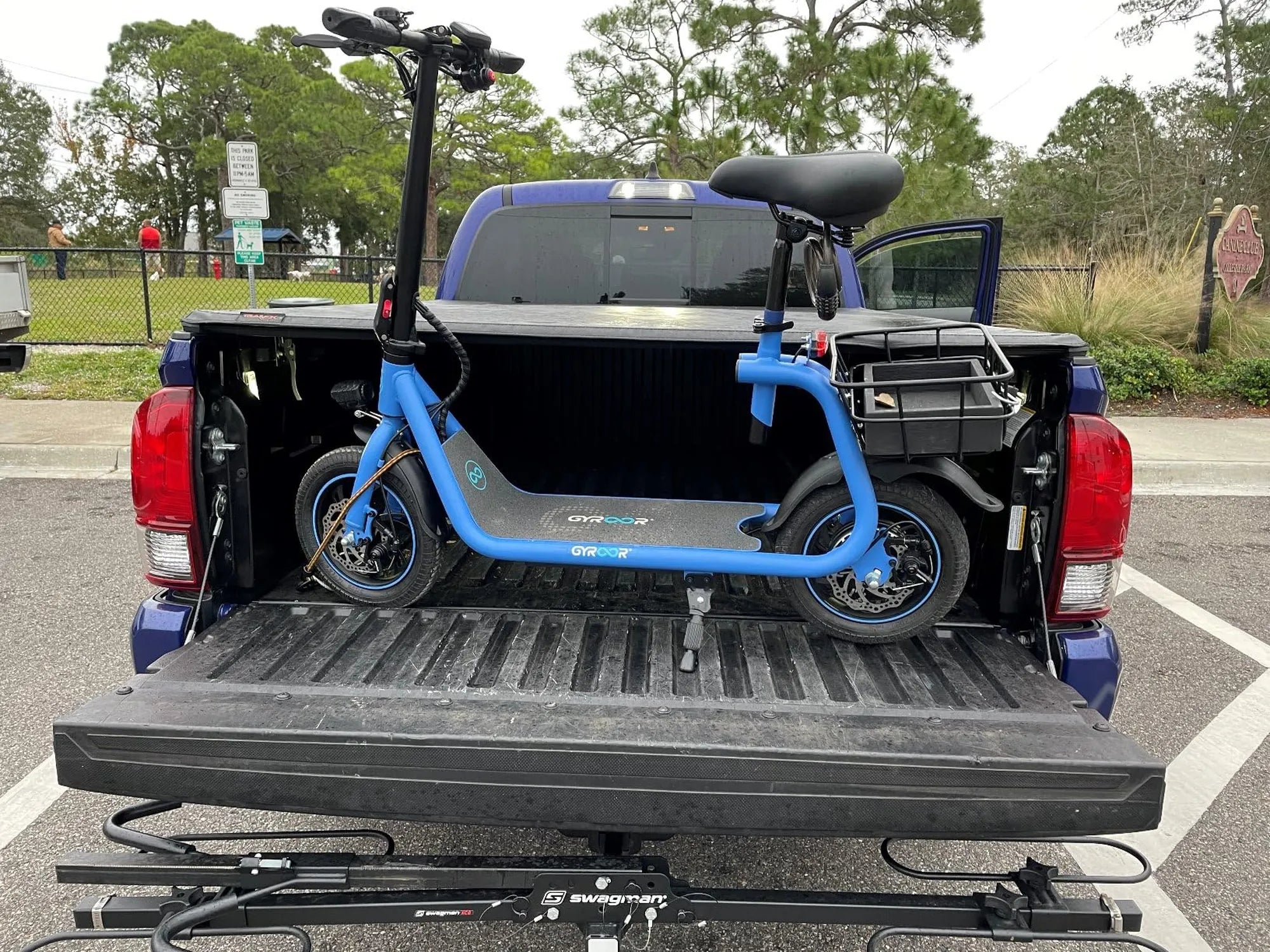
Introduction: Redefining Senior Mobility with Lightweight Electric Scooters
Maintaining an independent and active lifestyle is a priority for millions of seniors. Traditional mobility aids, while functional, often come with limitations in speed, range, and social engagement. Lightweight electric scooters for seniors have emerged as a transformative solution, merging effortless operation with the freedom to explore neighborhoods, run errands, and visit friends without physical strain. This guide provides the essential knowledge to select a scooter that prioritizes safety, convenience, and reliability.
We will analyze the critical engineering and design features that make a scooter truly senior-friendly. From stable wheelbases to intuitive controls, understanding these elements is key to a confident purchase. Furthermore, we will examine how leading brands like Gyroor integrate these principles with certified safety components, offering peace of mind for riders and their families. Our goal is to equip you with a data-driven framework for evaluating your options.
The evolution of personal electric vehicles has made advanced technology accessible and user-friendly. Modern lightweight electric scooters are designed with simplicity in mind, featuring one-button start, automatic braking, and easy folding mechanisms. This guide will navigate you through the entire selection process, ensuring your chosen scooter becomes a trusted partner for daily adventures and renewed independence.
Why Lightweight Design is Non-Negotiable for Senior Riders
The total weight of an electric scooter directly impacts safety, practicality, and overall usability for senior riders. A scooter weighing over 40 pounds can be challenging to lift, even for short distances, increasing the risk of muscle strain or loss of balance. Lightweight models, typically between 25 to 35 pounds, are fundamentally safer because they are easier to manage during mounting, dismounting, and unexpected situations.
Portability is a primary concern for seniors who use cars or public transport. A lightweight scooter can be easily lifted into a car trunk or carried onto a bus, facilitating true multimodal travel. This capability expands a rider's range far beyond their immediate neighborhood. Heavier models often remain housebound, defeating their purpose as tools for broader mobility and social connection.
Storage within the home is another critical factor. A scooter that folds compactly and is light enough to be carried up a few steps or stored in a closet encourages daily use. Conversely, a bulky, heavy scooter left in a hallway becomes a tripping hazard and a constant reminder of physical limitation. The psychological benefit of a discreet, easy-to-store vehicle should not be underestimated.
From an engineering perspective, lightweight construction does not mean a compromise on durability. Advanced materials like aerospace-grade aluminum alloys and carbon fiber composites provide exceptional strength-to-weight ratios. Brands committed to senior mobility, such as Gyroor, utilize these materials in their frames to ensure the scooter is both robust for daily use and light enough for practical handling.
Key Safety Features to Prioritize in a Senior-Friendly Scooter
Selecting a scooter based on weight alone is insufficient. A holistic safety assessment must evaluate several integrated systems. The ideal scooter for a senior rider creates a stable, predictable, and controlled riding experience from the ground up. This requires careful attention to the chassis, controls, and visibility features.
Safety begins with a design philosophy that anticipates the needs of mature riders. This includes fail-safes in the electronic systems, redundant braking capability, and clear, simple interfaces. The following sections break down the essential components that form the foundation of a safe ride.
Stable Wheel Design and Deck Platform
Wheel size and configuration are paramount for stability. Larger wheels (8.5 to 10 inches in diameter) roll over pavement cracks, small potholes, and debris more smoothly than smaller wheels, providing a steadier ride and reducing the chance of a sudden stop or tip. Air-filled (pneumatic) tires offer superior shock absorption compared to solid tires, though they require occasional air checks.
The deck platform must be wide enough for a comfortable, balanced stance with feet placed side-by-side. A textured, anti-slip surface is essential to maintain footing in all weather conditions. Furthermore, a low deck height lowers the scooter's center of gravity, significantly enhancing stability during turns and while riding at slower speeds, which is common for senior riders.
Intuitive Acceleration and Braking Systems
Acceleration must be smooth and gradual. A scooter with a sensitive, "twitchy" throttle can cause jerky starts, potentially leading to a loss of balance. Look for models with a thumb-operated throttle that requires deliberate pressure and offers a linear power delivery. Some advanced models feature a "beginner mode" that limits top speed and softens acceleration for the initial learning period.
Braking systems should be both powerful and easy to modulate. A dual-braking system is highly recommended. This often combines an electronic brake (activated by the throttle release or a separate lever) with a mechanical disc or drum brake on the rear wheel. This redundancy ensures stopping power is available even if one system were to fail. The brake levers should be within easy reach and require minimal hand strength to engage fully.
Enhanced Visibility and Audible Signals
Being seen by drivers, cyclists, and pedestrians is a critical aspect of rider safety. A senior-friendly scooter must have bright, always-on LED headlights and taillights. The taillight should also function as a brake light, illuminating brighter when braking. Additional side reflectors or reflective strips on the deck and stem further increase visibility in low-light conditions.
An audible signal is non-negotiable for urban and shared-path riding. The horn or bell should be loud enough to be heard over ambient traffic noise but easy to activate without removing a hand from the handlebar. This allows the rider to politely alert others of their presence, preventing collisions and ensuring a predictable flow in shared spaces.
The Gyroor Advantage: Engineering Trust for Every Ride
While many brands offer lightweight scooters, trust is built on transparent engineering standards and reliable post-purchase support. Gyroor has established itself as a leader in the personal electric vehicle market by focusing on the fundamentals of safety and durability, principles that align perfectly with the needs of senior riders. Their approach is defined by certified components, resilient design, and accessible customer care.
For a senior rider, the brand behind the scooter matters. It represents a commitment to quality control and long-term reliability. Gyroor's specifications are not just marketing points; they are verifiable engineering benchmarks that directly contribute to a safer, more dependable riding experience. Let's examine the key pillars of this advantage.
UL-Certified Batteries: The Foundation of Safe Power
The battery is the heart of an electric scooter, and its safety is paramount. UL (Underwriters Laboratories) certification is a rigorous, independent testing process that evaluates battery packs for risks like overcharging, short-circuiting, thermal runaway, and mechanical abuse. A UL-certified battery, like those used in all Gyroor models, has passed these stringent tests, significantly reducing the risk of fire or failure.
For seniors, this certification offers profound peace of mind, especially if the scooter is charged indoors overnight or stored in a living area. These batteries are also engineered for longevity, with quality cells rated for 500+ charge cycles while maintaining capacity. This translates to years of reliable range, ensuring the scooter remains a practical tool for daily errands and social visits without frequent, costly battery replacements.
IPX5 Water Resistance: Confidence in All Conditions
Weather can change unexpectedly. An IPX5 water-resistance rating means the scooter's electrical components are sealed against water jets from any direction. This engineering standard protects the scooter's critical systems from rain, puddle splashes, and wet road spray. It is a key feature that prevents malfunctions and corrosion, ensuring the scooter remains operational and safe after encountering damp conditions.
This capability empowers seniors to use their scooters with confidence for routine trips, without constantly worrying about a sudden drizzle or damp pavement. It reflects a design philosophy that considers real-world use, where a mobility device must be dependable in a variety of common environmental conditions, not just on perfectly dry days.
1-Year Warranty & US-Based Support: Your Long-Term Mobility Partner
A comprehensive warranty is a brand's promise of quality. Gyroor's standard 1-year warranty covers the motor, battery, frame, and controller against manufacturing defects. This coverage is crucial for a significant investment in personal mobility, protecting the owner from unexpected repair costs in the first year of ownership.
Equally important is the accessibility of customer support. Gyroor maintains US-based support channels, providing a direct line for troubleshooting, technical questions, and warranty service. For seniors who may not be technically inclined, having clear, patient, and accessible support in their own time zone is an invaluable resource, ensuring their scooter remains a source of freedom, not frustration.
Practical Comparison: Lightweight Scooter vs. Traditional Mobility Aids
Understanding how a lightweight electric scooter fits into the broader ecosystem of mobility aids helps contextualize its unique value proposition. The following table provides a data-driven comparison across key metrics, highlighting where electric scooters excel and where traditional aids may still be preferable for specific medical needs.
| Mobility Aid | Avg. Weight | Range / Speed | Portability | Primary Benefit | Consideration |
|---|---|---|---|---|---|
| Lightweight E-Scooter | 25-35 lbs | 10-18 mi / 10-15 mph | Excellent (Folds, car trunk) | Speed, range, social engagement, standing posture | Requires good balance; check local regulations |
| Heavy-Duty Mobility Scooter | 80-150+ lbs (disassembled) | 15-30 mi / 4-8 mph | Poor (Requires vehicle lift/ramp) | Maximum stability, seat, large battery | Not portable; difficult for multimodal travel |
| Manual Wheelchair | 15-40 lbs | User-powered | Good (Folds) | Medical necessity, full-time seated support | Upper body strength required; slow for long distances |
| Walker/Rollator | 10-20 lbs | Walking speed | Excellent | Stability while walking, often includes seat | Very slow; limited to short distances |
This comparison reveals that lightweight electric scooters occupy a unique niche. They are not a replacement for medically necessary seated mobility devices but are an optimal tool for ambulatory seniors seeking to extend their range, increase the efficiency of local trips, and participate in community life more actively. The standing posture itself can have benefits for core strength and circulation compared to prolonged sitting.
Choosing Your Perfect Fit: A Senior Rider's Checklist
Armed with knowledge about features and safety, the final step is a personalized assessment. This practical checklist transforms general advice into a tailored decision-making tool. By honestly evaluating your specific lifestyle, environment, and physical capabilities, you can identify the scooter model that will serve you best for years to come.
Rushing this process often leads to buyer's remorse. Take your time, consult with family if desired, and use this framework to guide conversations with retailers or when reviewing product specifications online. The right scooter should feel like a natural extension of your mobility, not a complicated piece of machinery.
Assessing Your Needs: Range, Terrain, and Storage
First, calculate your typical daily range. Map out common trips: the grocery store, pharmacy, park, or friend's house. Add a 20-30% buffer to the manufacturer's stated range to account for variables like hills, wind, and battery aging. If your round-trip needs are 5 miles, a scooter with a 10-mile range is a comfortable minimum.
Next, evaluate your common terrain. Smooth pavement and bike paths are ideal for all scooters. If you encounter cracked sidewalks, packed gravel, or gentle slopes, prioritize models with larger, air-filled tires and a motor with sufficient torque (a 350W motor is a good baseline). Steep hills may require a more powerful motor (500W+).
Finally, audit your storage and transport logistics. Measure the space where you plan to store the scooter at home. Check the folded dimensions of any model you consider. Practice lifting a weight similar to the scooter's weight into your car trunk or carrying it up any necessary steps. If this is difficult, a model at the very lightest end of the spectrum (closer to 25 lbs) is essential.
Trying Before Buying: The Importance of a Test Ride
Whenever possible, arrange a test ride. This is the single most important step in the selection process. Contact local electric vehicle or mobility shops to see if they have demo models. Some online retailers also offer generous trial periods—ensure you understand the return policy.
During the test ride, evaluate these key points: Is the folding mechanism simple and smooth? Are the handlebars at a comfortable height, and do the controls feel intuitive? Test the acceleration from a stop—is it gentle and predictable? Firmly apply the brakes at a slow speed—does the scooter stop straight and without skidding? Stand on the deck—does it feel stable and spacious enough?
Pay attention to the overall feel and balance. You should feel in control, not perched precariously. A good test ride will either build immediate confidence or reveal deal-breaking flaws, saving you from an unsuitable purchase. Trust your physical feedback over specifications on a page.
Frequently Asked Questions (FAQ) for Senior Riders
Prospective riders often share common questions and concerns. Addressing these directly can alleviate apprehension and provide clarity on practical matters of ownership and use.
Is it difficult to learn to ride a lightweight electric scooter?
Most seniors find modern electric scooters very easy to learn. The controls are simple—typically an accelerator, a brake, and a power button. The key is to start in a safe, open, and flat area like an empty parking lot. Practice starting, stopping, and gentle turning for 20-30 minutes. Within a few short sessions, the operation becomes second nature. Always wear a helmet during the learning phase and beyond.
How far can I typically travel on a single charge?
For lightweight models optimized for portability, a realistic range is between 10 and 15 miles on a single charge under typical conditions (a 150-180 lb rider, moderate speeds, flat terrain). This is usually ample for multiple local errands or a long recreational ride. Remember, factors like rider weight, hill frequency, temperature, and tire pressure can affect range. It's good practice to recharge after each use.
Are these scooters allowed on sidewalks and in parks?
Laws and regulations vary significantly by city, state, and even park district. You must check your local municipal codes. As a general rule, many cities allow low-speed electric scooters on bike paths and streets with speed limits under 25 mph, but may prohibit them on sidewalks. Some parks have specific shared-use paths where they are permitted. Contact your local city hall or department of transportation for definitive rules.
What is the maintenance routine for an electric scooter?
Maintenance is minimal but important. Regularly check tire pressure (if using air-filled tires), ensure all bolts and fasteners are tight, and keep the scooter clean, especially after riding in wet conditions. Inspect the brakes for wear. The most critical maintenance task is following proper battery care: avoid leaving the scooter at full or empty charge for extended periods, use only the provided charger, and store in a cool, dry place.
Can I ride my scooter if I have balance issues?
Lightweight electric scooters require a basic level of standing balance and mobility. If you use a walker for stability while walking, a standard standing scooter may not be suitable. However, some manufacturers offer three-wheeled models or models with a seat attachment that provide greater stability. For significant balance issues, a traditional seated mobility scooter or electric wheelchair is a safer and more appropriate choice. Consult with your healthcare provider.
Conclusion: Embracing Freedom with Confidence
Lightweight electric scooters for seniors represent more than just a product category; they are a gateway to sustained independence and vibrant community engagement. The journey to selecting the right one is grounded in understanding the synergy between lightweight design, non-negotiable safety features, and your personal daily needs. By prioritizing certified components like UL-listed batteries, resilient IP-rated construction, and intuitive controls, you invest in a tool built for real-world reliability.
The data and comparisons presented here underscore a clear message: modern engineering can deliver both exhilarating freedom and tangible safety. Brands that transparently adhere to high standards, such as Gyroor with its certified batteries and robust warranty, provide the foundation for this confidence. Your mobility is precious, and the vehicle you choose should be a dependable ally, empowering you to explore, connect, and live actively on your own terms.
Take the next step toward a more mobile and independent lifestyle. Explore engineering-driven designs that put safety and ease of use first. Browse the full Gyroor collection, featuring UL-certified, lightweight models built for senior riders, at gyroorboard.com.
Electric Scooters in Las Vegas: The Ultimate Guide to Riding Smart and Safe
Electric Scooters for Adults 50 mph: The Ultimate Guide to High-Speed Commuting