


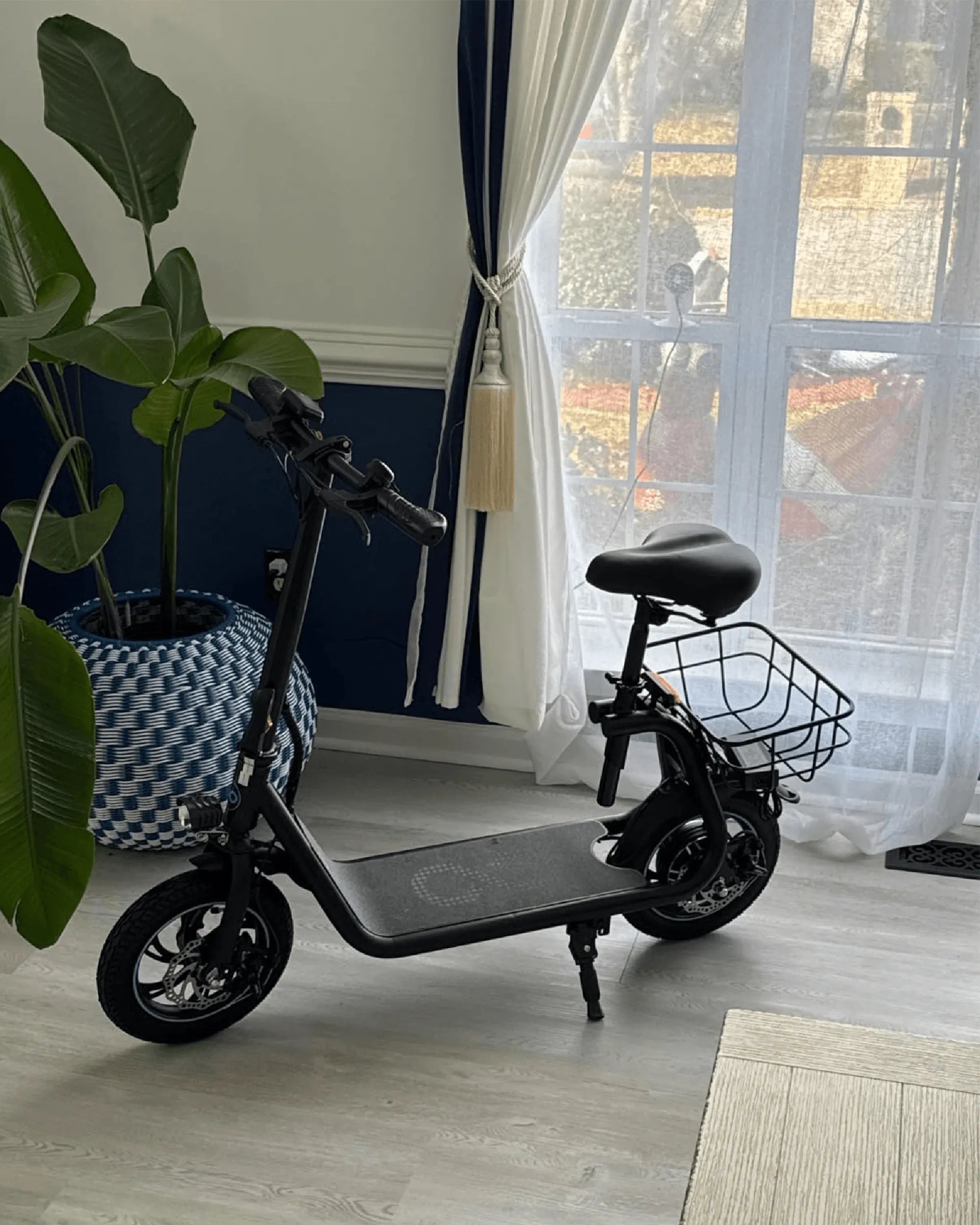
The Quest for Affordable, Fast Adult Electric Scooters
The urban mobility landscape is shifting. Commuters and recreational riders are actively seeking cost-effective alternatives to cars and public transit. The central question for many is clear: can you find a reliable, genuinely fast electric scooter for adults without spending over $350?
The answer is a qualified yes, but it hinges on informed expectations. This price point represents a critical segment where performance, safety, and durability must be carefully balanced. Riders are no longer satisfied with slow, toy-like devices; they demand legitimate personal transport that offers both thrill and utility.
The market for Electric Scooters for Adults Fast Under $350: Affordable Speed and Convenience is competitive, but not all options are equal. Success in this category requires prioritizing engineering fundamentals over flashy, often misleading specifications. A focus on core components—motor, battery, and frame—separates a worthwhile purchase from a disposable gadget.
This guide provides a data-driven framework for navigating this market. We will define realistic performance metrics, explain the non-negotiable safety features, and show how trusted brands deliver value where it matters most for adult riders.
Defining "Fast" and "Adult" in the Sub-$350 Category
Setting realistic expectations is the first step to a satisfying purchase. In the premium scooter market (">$600), "fast" often means 25+ mph. In the under-$350 category, "fast" typically translates to a top speed between 15 and 19 miles per hour.
This speed range is significant. It is approximately 2-3 times average walking speed and is perfectly suited for keeping pace with urban bicycle traffic. It transforms a scooter from a last-mile solution into a viable primary vehicle for short-to-medium commutes (3-8 miles).
The term "adult" in this context encompasses three key factors: weight capacity, build scale, and intended use. A true adult scooter should support a minimum weight capacity of 220 pounds, with better models accommodating up to 265 pounds. The deck size and handlebar height should be designed for a full-grown person's stance, not a child's.
Engineering trade-offs at this price are inevitable. Manufacturers often optimize for one or two headline features. Understanding that a scooter advertised at 19 mph might have a reduced range or take longer to reach that speed on an incline is crucial. The goal is to find the best-balanced package.
Key Features to Prioritize for Speed and Safety on a Budget
When budget is a constraint, feature prioritization becomes paramount. Chasing the highest speed number alone can lead to compromises in safety and longevity. A strategic approach focuses on components that directly enable safe, sustained performance.
The foundation of a good ride is a rigid, responsive frame. Look for aircraft-grade aluminum alloys, which provide an optimal strength-to-weight ratio. Weld points should be clean and solid. A shaky frame at 18 mph is not just uncomfortable; it's a safety hazard.
Braking systems are non-negotiable. A combination brake system is ideal. This often includes an electronic (e-brake) or regenerative brake paired with a mechanical disc or rear fender brake. Single-brake systems are insufficient for consistent, safe stopping at higher speeds, especially on declines or wet surfaces.
Tire choice dramatically affects stability and comfort at speed. While puncture-resistant solid tires exist, air-filled (pneumatic) tires, even if smaller (8.5-inch), offer superior shock absorption and traction. This improves control and reduces fatigue, making a faster ride feel more secure and manageable.
Motor Power and Type: The Heart of Speed
The motor is the engine of your scooter. In the sub-$350 range, a brushless hub motor is the standard due to its reliability and efficiency. Motor power, measured in watts (W), is the primary determinant of acceleration and hill-climbing ability.
For a genuinely fast electric scooter for adults under $350, target a continuous power rating of at least 250 watts. Some models may advertise a higher "peak" power (e.g., 350W or 500W), which is the maximum short-term output. The continuous rating is more indicative of sustained performance.
A 250W motor can comfortably achieve 15-16 mph on flat ground for an average-weight rider. To consistently reach the upper limit of 18-19 mph, especially with a rider near the weight capacity, a 350W motor is often necessary. This extra power also provides more torque for tackling gentle inclines without a dramatic speed drop.
Battery Capacity and Real-World Range
The battery fuels both speed and distance. Key specifications are voltage (V) and capacity in amp-hours (Ah) or watt-hours (Wh). Most quality budget scooters use a 36V system. A higher voltage system can support more power but is less common under $350.
Capacity determines range. A typical configuration might be a 36V 7.5Ah (270Wh) battery. Manufacturers often advertise a "maximum range" of 15-20 miles, but this is based on ideal conditions: a lightweight rider, slow speeds, and flat terrain.
It is critical to understand the speed-range trade-off. Riding consistently at top speed (18+ mph) can reduce the advertised range by 30-40%. For a scooter with a 15-mile max range, expect a realistic high-speed range of 9-11 miles. Always plan your commute with this buffer in mind.
Battery management systems (BMS) are also vital. A good BMS protects against overcharging, over-discharging, and short circuits, which preserves battery health over hundreds of charge cycles.
Why Trust Matters: Evaluating Brand Reputation and Warranties
At this price point, brand trust is your primary defense against poor quality and safety risks. A reputable brand invests in engineering, safety certifications, and customer support, which are reflected in the product's total cost of ownership.
Brands like Gyroor, with a track record of serving over 100,000 riders across North America and Europe, build products to a different standard than anonymous generic brands. This experience translates into refined designs, reliable components, and accessible customer service.
User reviews and aggregate ratings are telling. Look for patterns in feedback regarding durability over months of use, not just initial impressions. A 4.5/5 average rating from thousands of users is a stronger signal than a perfect score from a handful.
The Critical Importance of UL-Certified Batteries
This is the single most important safety feature. A UL-certification (especially UL 2271 for the battery pack) means the battery has undergone rigorous independent testing for electrical, mechanical, and environmental safety.
Uncertified, cheap lithium-ion batteries are a fire hazard. They can overheat, catch fire, or even explode due to poor cell quality, lack of proper internal fusing, or inadequate thermal management. A UL-certified battery, like those used across Gyroor's lineup, is a non-negotiable benchmark for safe operation.
This certification ensures the battery can withstand hundreds of charge cycles (often 500+) with minimal degradation. It is a direct investment in both your safety and the scooter's long-term value and reliability.
Understanding IP Ratings: What IPX5 Water Resistance Really Means
An IP (Ingress Protection) rating defines a device's resistance to solids and liquids. For commuter scooters, water resistance is key. A rating of IPX5 is highly meaningful for this category.
The "X" means it's not specifically rated for dust (though it still offers some protection). The "5" means it can withstand water jets (6.3mm nozzle) from any direction without harmful effects. In practical terms, an IPX5-rated scooter can safely handle wet roads, puddles, and light rain.
This feature greatly enhances practicality. You won't be stranded by a sudden drizzle, and cleaning the scooter is less worrisome. It protects the electrical components from moisture, which is a common cause of failure in unprotected models.
The Value of a Comprehensive Warranty
A warranty is a brand's promise. A 1-year warranty covering the motor, battery, and frame (like Gyroor's standard offering) signals confidence in the product's durability. It protects your investment from manufacturing defects.
Scrutinize warranty details. Some brands offer only 90 days or exclude the battery—the most expensive component. A strong warranty provides peace of mind and reduces the long-term risk of your purchase, making a slightly higher upfront cost more justifiable.
Performance in Practice: Speed vs. Range, Terrain, and Weight
Ownership satisfaction depends on aligning the scooter's capabilities with your real-world needs. Theoretical specs must be translated into practical expectations for daily use.
The interplay between speed and range is the most critical dynamic. The following table illustrates typical performance under different conditions for a well-specified scooter in this class (e.g., 36V 7.8Ah battery, 350W motor):
| Riding Mode / Condition | Avg. Speed | Estimated Range | Notes |
|---|---|---|---|
| Eco Mode / Flat Terrain | 10 mph | 16-18 mi | Maximizes distance, ideal for leisurely rides. |
| Standard Mode / Mixed Urban | 15 mph | 12-14 mi | Balanced performance for typical commuting. |
| Sport Mode (Top Speed) / Flat | 18 mph | 8-10 mi | High energy draw, fun but range-limited. |
| Sport Mode / Gentle Inclines (3-5°) | 14-16 mph | 6-8 mi | Motor draws peak power, significantly reduces range. |
| Rider at Max Weight Capacity (265 lbs) | 13-16 mph | 7-9 mi | Reduced acceleration and top speed; higher strain on battery. |
Terrain compatibility is another key factor. Scooters in this class are designed for paved surfaces: bike lanes, sidewalks (where legal), and smooth pathways. They can handle minor cracks and bumps, especially with pneumatic tires, but are not intended for off-road use, gravel, or steep hills (> 10% grade).
Rider weight directly impacts all performance metrics. A rider weighing 150 pounds will experience faster acceleration, a higher achievable top speed, and longer range than a rider at 240 pounds on the same scooter. Always consider your weight plus any regular cargo (backpack, briefcase).
Essential Safety Gear and Riding Practices for Faster Riding
Operating at 15-19 mph requires a responsible approach to safety. Your protective gear is as important as the scooter's built-in safety features.
A helmet is an absolute minimum. A certified bicycle or multi-sport helmet is adequate. For those regularly riding at top speed in traffic, consider a full-face mountain biking helmet for enhanced protection.
Visibility is crucial for urban riding. Ensure your scooter has a bright front headlight and a rear brake light. Adding reflective stickers to the deck or stem and wearing reflective clothing or bands significantly increases your visibility to drivers at dawn, dusk, or night.
Consider wearing gloves. They improve grip, reduce hand fatigue from vibration, and offer protection in the event of a fall. Closed-toe shoes are mandatory, and avoid loose clothing that could catch in the wheels.
Practice defensive riding. Assume cars do not see you. Obey local traffic laws, use hand signals, and avoid sudden maneuvers. Regularly check your scooter's tire pressure, brake function, and light operation before riding.
Making an Informed Choice: A Buyer's Checklist
Use this consolidated checklist when comparing models to find the best Electric Scooters for Adults Fast Under $350 for your needs.
- Performance: Target top speed of 15-19 mph. Seek a 250W-350W continuous motor power.
- Battery & Safety: Must have a UL 2271 certified battery pack. Look for 36V system with 7.5Ah+ capacity. A Battery Management System (BMS) is essential.
- Durability: Aircraft-grade aluminum frame. Minimum weight capacity of 220 lbs (265 lbs preferred).
- Braking & Tires: Combination brake system (e-brake + mechanical). Air-filled (pneumatic) tires for better traction and comfort.
- Weather & Warranty: IPX5 water resistance rating for all-weather practicality. A comprehensive 1-year warranty covering motor, battery, and frame.
- Practical Features: Bright LED headlight and brake light. Clear digital display for speed and battery level. Folding mechanism for portability and storage.
Frequently Asked Questions (FAQ)
Q1: Is 18 mph really fast enough for an adult commuter?
A: Absolutely. In dense urban environments with frequent stops, traffic, and intersections, an average speed of 15-18 mph is highly efficient. It often matches or exceeds door-to-door travel times for car commutes under 5 miles when parking is factored in. It provides a thrilling sense of speed while remaining manageable and safe.
Q2: How long does the battery last before needing replacement?
A: A quality UL-certified battery, like those from reputable brands, is rated for 500+ full charge cycles while retaining ≈80% of its original capacity. With typical use (charging every other day), this translates to 2-3 years of service before you might notice a significant range reduction. Proper care (avoiding full discharge, not leaving it fully charged for weeks) extends lifespan.
Q3: Can these scooters handle hills?
A> They can handle gentle to moderate hills (up to ≈10% grade). A 350W motor will perform noticeably better on inclines than a 250W motor. Expect a reduction in speed while climbing. Steep hills may require occasional kick-assist from the rider. They are not designed for sustained mountain climbing.
Q4: Are they legal to ride on roads and bike lanes?
A> Laws vary significantly by city, state, and country. In many U.S. jurisdictions, electric scooters with a top speed under 20 mph are permitted in bike lanes and on roads with speed limits up to 25 or 35 mph. Always check your local regulations regarding helmet requirements, age limits, minimum equipment (lights, bell), and where scooters are explicitly allowed or prohibited.
Q5: What is the most common maintenance required?
A> Regular maintenance is minimal but crucial. The most frequent task is checking and maintaining proper tire pressure (PSI listed on tire sidewall). Regularly inspect and test brakes for responsiveness. Tighten any bolts that may loosen from vibration. Keep the scooter clean, especially the braking surfaces, and store it in a dry place. Refer to the user manual for specific lubrication points.
Smart Speed and Lasting Value Within Reach
The pursuit of an electric scooter for adults fast under $350 is not about finding the cheapest option, but the most intelligent one. It involves recognizing where value is engineered into the product: in the safety of a UL-certified battery, the reliability of a robust motor, and the confidence of a solid warranty.
Brands that have earned rider trust, like Gyroor, demonstrate that affordable speed does not require compromising on foundational safety or durability. Their commitment to IPX5 water resistance, comprehensive 1-year warranties, and proven performance for over 100,000 riders sets a benchmark in the category.
By prioritizing these core engineering and trust factors over mere spec-sheet numbers, you secure more than a gadget. You gain a reliable, exhilarating, and practical tool for urban freedom. The convenience of bypassing traffic, the thrill of an open pathway, and the savings on fuel and fares become your everyday reality.
Ready to experience the perfect balance of affordable speed, trusted quality, and everyday convenience? Explore a range of high-value, performance-engineered options designed for adult riders. Browse the full Gyroor collection at gyroorboard.com and find your ideal ride today.
Electric Scooters in New Jersey: The Ultimate Guide to Riding Smart and Safe
Where Do You Get Electric Scooters: A Complete Guide to Finding Your Perfect Ride