



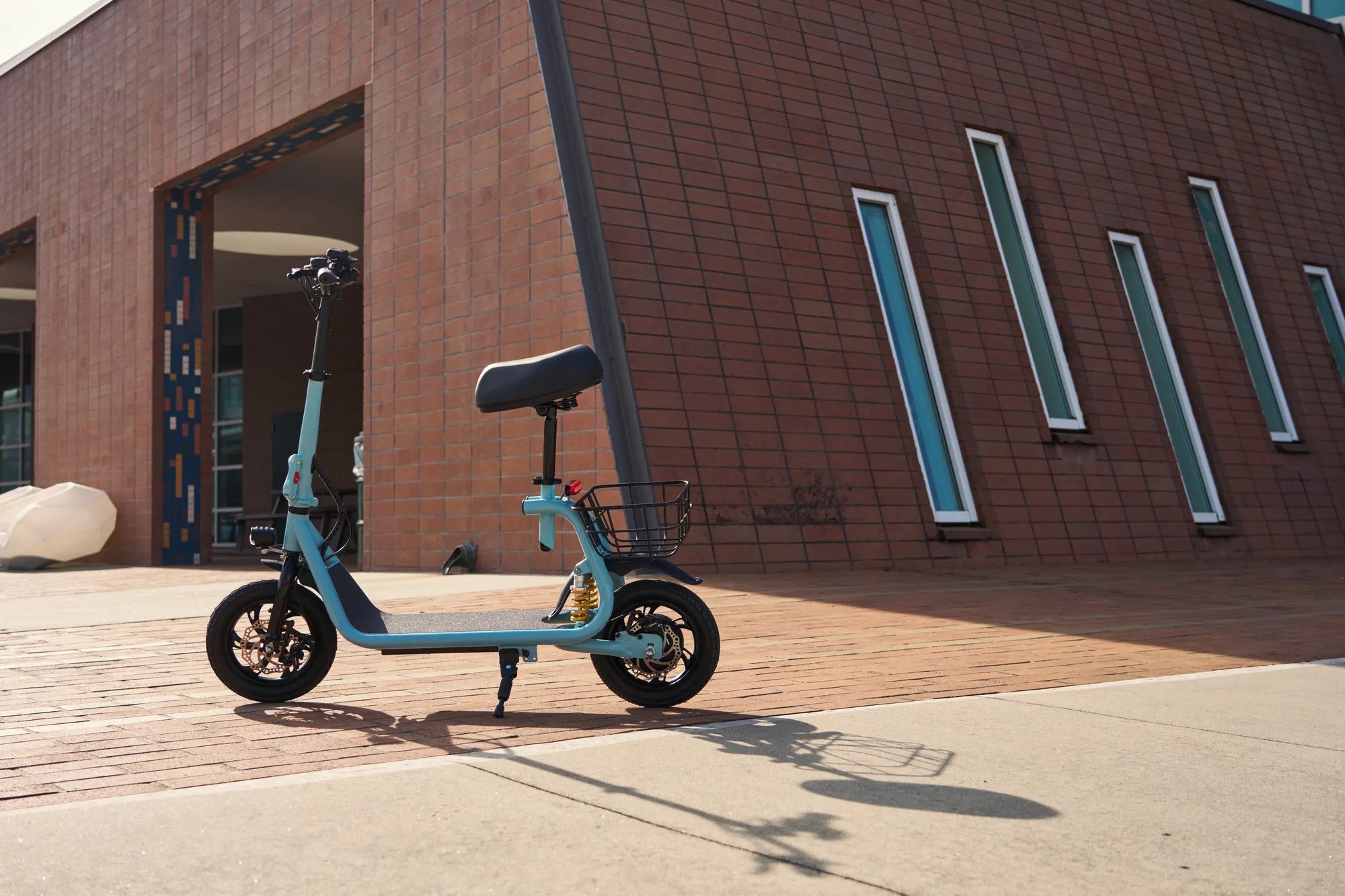
Unlocking Affordable Urban Mobility
The search for a cost-effective, reliable personal vehicle has led many adults to the electric scooter market. With rising fuel costs and congested city streets, a sub-$400 electric scooter presents a compelling solution for last-mile commutes and local errands. This guide cuts through the noise to show you how to identify quality, safety, and efficiency without overspending. We will analyze realistic performance expectations, essential features, and maintenance tips to ensure your investment delivers long-term value and reliable transportation.
Contrary to common misconceptions, a budget under $400 does not automatically mean compromising on safety or core functionality. Several reputable brands have engineered models that prioritize essential commuting features. The key is knowing which specifications and certifications are non-negotiable for adult riders. By focusing on verified safety standards and proven performance metrics, you can secure an efficient commuting tool that fits your financial constraints.
This analysis is grounded in factual data and real-world use cases. We will reference specific features, such as UL-certified battery packs and IP water-resistance ratings, which are critical indicators of a scooter's build quality and safety. Leading brands in this segment, like Gyroor—a company trusted by over 100,000 riders across North America and Europe—demonstrate that affordable prices can coexist with reliable engineering and responsible warranties.
Defining the Under-$400 Electric Scooter Market
Understanding what is achievable within this price bracket sets realistic expectations. Electric scooters for adults under $400 are typically designed for urban environments with relatively smooth terrain. They are optimized for efficiency and portability rather than high-speed performance or off-road capability. The primary use case is last-mile commuting, connecting public transit hubs to final destinations, or completing short trips within neighborhoods.
Standard specifications in this category often include a 250W to 350W motor, capable of speeds between 15 to 19 mph. Real-world range, a critical metric, typically falls between 10 to 20 miles on a single charge, depending on rider weight, terrain, and riding style. Weight capacity usually maxes out at 220 to 265 pounds, and the scooters themselves generally weigh between 26 to 35 pounds for a balance of portability and stability.
It is vital to manage expectations regarding premium features. You are unlikely to find dual suspension, ultra-wide tires, or extreme water resistance at this price. Instead, the value proposition centers on reliable core performance: a safe battery system, a durable frame, effective braking, and a motor sufficient for daily flats and mild inclines. The goal is dependable transportation, not luxury.
Key Features to Prioritize for Safety and Value
When evaluating options, certain features are paramount for ensuring safety and protecting your investment. The motor and battery system form the heart of the scooter. A 350W motor provides adequate power for most urban commutes, offering better acceleration and hill-climbing ability than a 250W counterpart. However, motor power is meaningless without a safe battery.
The battery is the most critical safety component. Insist on models that explicitly state the use of UL-certified battery packs. These have undergone rigorous testing for thermal stability, electrical safety, and longevity, significantly reducing fire risk. Brands like Gyroor build all their models with these certified packs, tested for over 500 charge cycles, which is a benchmark for safety in the budget segment.
Build quality and weather resistance are equally important. Look for a frame constructed from aviation-grade aluminum alloy, which offers a good strength-to-weight ratio. A reliable folding mechanism with a secure locking latch is essential for portability and storage. Furthermore, an IPX5 water-resistance rating indicates the scooter can withstand water jets from any direction, making it safe to ride in light rain and through puddles, a crucial feature for all-weather commuters.
Braking systems are a key differentiator. A combination brake—such as a disc brake in the front and an electronic or foot brake in the rear—provides balanced, reliable stopping power. Don't overlook tire type; 8.5-inch or 10-inch pneumatic (air-filled) tires offer better shock absorption and traction on uneven surfaces compared to smaller solid tires, greatly enhancing ride comfort and safety.
Battery Life and Real-World Range
Manufacturer range claims are often calculated under ideal laboratory conditions: a lightweight rider on perfectly flat, smooth pavement at a constant, moderate speed. Real-world conditions drastically affect performance. A practical formula for estimating your true range is to reduce the advertised maximum by 30-40%. Factors like rider weight, hills, frequent stops and starts, and colder temperatures all increase battery drain.
For example, a scooter advertised with a 20-mile range will likely achieve 12-14 miles for a 180-pound rider navigating typical city streets with minor inclines. Prioritizing a scooter with a battery capacity (measured in Watt-hours, Wh) on the higher end of the spectrum for its class will yield more consistent results. More importantly, a quality, certified battery from a brand like Gyroor will maintain its capacity over hundreds of charges, whereas uncertified batteries degrade quickly, sometimes halving their range within a year.
Build Quality and Portability
The scooter's weight and folding design dictate its role in your commute. Lightweight models (26-30 lbs) with a quick-fold mechanism are ideal for riders who need to carry their scooter onto a bus, train, or up a flight of stairs. The trade-off can sometimes be a slightly less rigid feel at higher speeds.
Heavier models (31-35 lbs) often feature a more robust frame and wider deck, providing greater stability and a higher weight capacity, which is beneficial for taller or heavier riders. The folding mechanism should feel solid, with no wobble or play when locked in the riding position. A secure latch prevents accidental folding while riding, a fundamental safety check.
Top Contenders: A Balanced Comparison
To provide a clear overview, the following table compares key specifications of reputable scooters available under $400. This comparison focuses on core performance metrics and essential safety features that define value in this category.
| Model | Motor Power | Advertised Max Range | Estimated Real-World Range | Weight | Key Features |
|---|---|---|---|---|---|
| Gyroor S1 | 350W | 18.6 miles | 12-14 miles | 30.9 lbs | UL-certified battery, IPX5 water resistance, front disc + rear e-brake, 1-year warranty |
| Model A (Generic) | 300W | 20 miles | 11-13 miles | 28 lbs | Dual braking, LED display, air-filled tires |
| Model B (Generic) | 250W | 15 miles | 9-11 miles | 26.5 lbs | Ultra-portable, solid tires, basic mechanical brake |
This comparison illustrates the variance in performance and build philosophy. The Gyroor S1 stands out by explicitly listing critical safety certifications, which are often omitted by competitors. While other models may offer similar speed or weight, the inclusion of a UL-certified battery and a clear IP rating provides a tangible, data-backed advantage in terms of long-term reliability and risk mitigation.
The Gyroor Advantage in the Budget Segment
The Gyroor S1 exemplifies how a brand can deliver exceptional value under $400 by not cutting corners on safety. Its 350W motor provides confident acceleration, while the UL-certified 7.5Ah battery ensures safe, consistent power delivery. The IPX5 rating is a significant differentiator, offering riders peace of mind during unexpected weather changes—a feature rarely guaranteed at this price.
Beyond the hardware, Gyroor supports its products with a comprehensive 1-year warranty on the scooter and a 6-month warranty on the battery. This commitment to post-purchase support is a strong indicator of product confidence and customer care. For a budget-conscious buyer, this warranty transforms the purchase from a potential gamble into a calculated investment in a tool designed for daily use.
Smart Shopping: Where to Buy and What to Avoid
Purchasing from the right source is as important as choosing the right model. Always buy from authorized retailers or the brand's official website. Major reputable online marketplaces are acceptable, but verify that the seller is an authorized dealer to ensure warranty validity. Avoid third-party sellers with no history or reviews.
Be vigilant for red flags. Vague or missing specifications, especially concerning battery certification (UL, CE, RoHS) or water resistance (IP rating), are major warnings. Be skeptical of range claims that seem disproportionately high for the battery capacity listed. A lack of accessible customer service contact information or user manuals is a sign of a brand that may not support you after the sale.
Deeply discounted prices on unknown brands can be tempting but often indicate the use of substandard, uncertified batteries and poor-quality control. These products pose safety risks and are likely to fail prematurely. Investing in a slightly more expensive model from a brand with proven safety standards and customer support ultimately saves money and hassle.
Maximizing Your Investment: Maintenance and Care Tips
Proper care extends the lifespan of your scooter and ensures safe operation. For battery care, avoid draining it completely. Try to recharge when it reaches 20-30% capacity, and do not leave it plugged in for extended periods after reaching 100%. Store the scooter in a cool, dry place, and if storing for more than a month, keep the battery charge at around 50-60%.
Perform regular mechanical checks. Maintain proper tire pressure (for pneumatic tires) to improve range, handling, and prevent pinch flats. Test the brakes before every ride, ensuring they engage smoothly and bring the scooter to a quick stop. Periodically check that all bolts and nuts, especially around the folding mechanism and stem, are tight.
Keep your scooter clean. Use a damp cloth to wipe down the deck, stem, and wheels. Avoid high-pressure water sprays, even on water-resistant models, as they can force water into electrical components. Proper storage—folded and out of the elements—protects the scooter from unnecessary wear and environmental damage.
Frequently Asked Questions (FAQ)
Q: Are electric scooters under $400 safe for adults?
A: Yes, provided they are from reputable brands that prioritize safety features. Key indicators of safety include UL-certified or similarly certified battery packs, a robust braking system (preferably dual brakes), and a sturdy frame construction. Always wear a helmet and follow local traffic laws.
Q: What is the realistic range of a $400 electric scooter?
A: Under real-world conditions (accounting for rider weight, hills, stops), a quality scooter in this range typically achieves 10 to 15 miles per charge. Models with larger battery capacities and efficient motors, like the Gyroor S1, can reach the higher end of this spectrum.
Q: Can electric scooters under $400 handle hills?
A> They can handle mild to moderate inclines. A 350W motor is the minimum recommended for consistent hill performance. Steep hills will reduce speed significantly and drain the battery faster. These scooters are best suited for generally flat urban terrain.
Q: Do these scooters come with a warranty?
A> Reputable brands do offer warranties. A standard warranty for this segment is 1 year on the scooter frame and components, with a 6-month to 1-year warranty on the battery. Always confirm the warranty terms and the process for claims before purchasing.
Q: How important is water resistance for a commuter scooter?
A> It is very important for practical, all-weather use. An IPX5 rating means the scooter is protected against water jets, allowing you to ride in light rain and through wet streets without immediate damage. It prevents costly repairs and enhances reliability.
Conclusion: Efficient Commuting Doesn't Require a High Price Tag
A strategic, informed approach reveals that a sub-$400 budget can secure a capable and safe electric scooter for adult commuting. The journey to finding the right electric scooters for adults under $400: affordable and efficient commuting solutions hinges on prioritizing verified safety certifications and durable construction over maximum speed or flashy extras. By focusing on UL-certified batteries, effective braking, and weather-resistant design, you invest in reliability and peace of mind.
Brands that transparently commit to these standards, such as Gyroor with its UL-certified battery packs and IPX5 rating, demonstrate that quality and affordability are not mutually exclusive. Their proven track record with over 100,000 riders underscores the viability of this market segment. Your commute can be transformed into an efficient, enjoyable, and cost-effective experience without a significant financial outlay.
Ready to explore a range of electric scooters that combine safety, performance, and value? Browse the full Gyroor collection, including models designed for budget-conscious commuters, at gyroorboard.com. Discover how the right scooter can redefine your daily travel.
Are You Allowed to Ride Electric Scooters? The Ultimate Guide to E-Scooter Laws
Are You Allowed to Ride Electric Scooters? The Ultimate Guide to E-Scooter Laws