



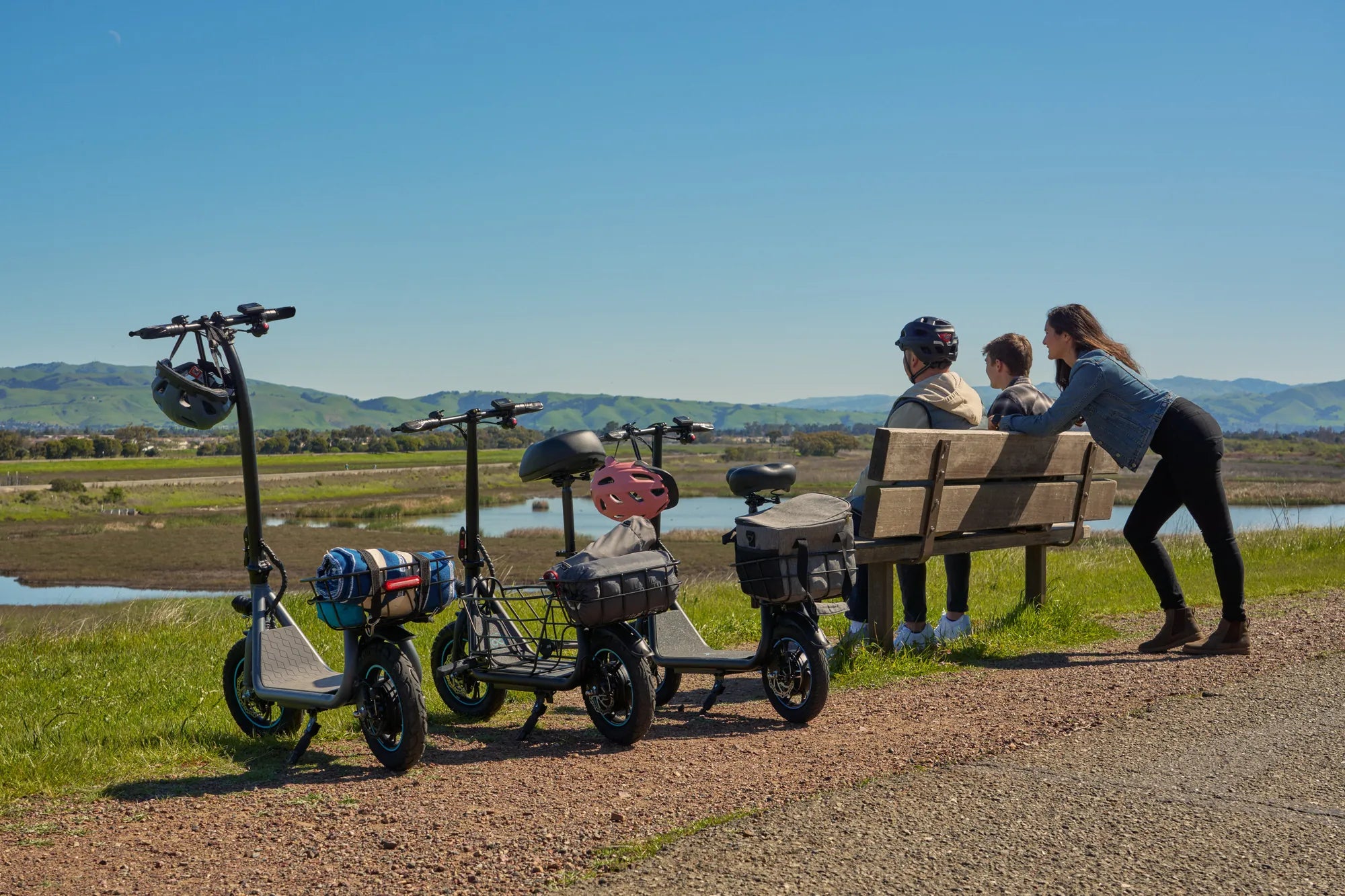
Introduction: Redefining the Urban Commute
City commuting is broken. Gridlocked traffic, soaring fuel and parking costs, and overcrowded public transport drain time, money, and patience. A transformative solution has emerged, not from futuristic concepts, but from practical, personal electric mobility. Electric scooters for city commuting are the future of urban transportation, offering a direct, efficient, and clean alternative for millions. This shift represents more than a trend; it's a fundamental rethinking of how we navigate dense urban environments.
For the modern commuter, the value proposition is clear: reclaim time, slash expenses, and reduce your carbon footprint—all from a device that folds and fits under a desk. Leading this reliable mobility revolution are brands like Gyroor, a trusted name for over 100,000 riders across North America and Europe. By focusing on certified safety, durable construction, and rider-centric warranties, Gyroor transforms the e-scooter from a recreational gadget into a dependable daily workhorse. This article will provide a comprehensive, data-driven analysis of why electric scooters for city commuting are a superior choice, what features truly matter, and how to integrate them safely and effectively into your urban life.
The Core Advantages: Why an E-Scooter Beats Traditional Commuting
The superiority of an electric scooter for the daily urban grind is rooted in four tangible benefits: time efficiency, cost savings, environmental impact, and unparalleled convenience. Unlike a car stuck in traffic or a bus on a fixed route, an e-scooter provides agile, point-to-point mobility. Riders can legally filter through stationary traffic and use bike lanes, often cutting commute times in half during peak hours. This time savings translates directly into improved quality of life and productivity.
Financially, the argument is compelling. The elimination of fuel, parking fees, insurance premiums, and steep maintenance costs associated with car ownership creates massive savings. Even compared to monthly transit passes, the one-time investment in a quality e-scooter pays for itself rapidly. Environmentally, while the manufacturing and electricity charging have a footprint, the direct operational emissions are zero. This contributes to cleaner air and quieter streets, directly improving urban livability.
The convenience factor is often the most immediately gratifying. There's no more circling blocks for a parking spot or sprinting to catch a bus. Your commute becomes a seamless, door-to-door experience. You can fold your scooter and carry it into your office, apartment, or a coffee shop, eliminating theft concerns that plague bicycles. This combination of benefits solidifies the position of electric scooters for city commuting as a rational, high-impact personal transportation solution.
Cost-Benefit Analysis: A 12-Month Commuting Breakdown
Let's quantify the savings with a realistic scenario: a 5-mile (8 km) each-way commute, 220 days per year. The table below compares estimated first-year costs for three primary modes of transport. The scooter model used for this comparison is based on a commuter-focused Gyroor scooter with a sufficient range for this daily distance.
| Cost Category | Electric Scooter (Gyroor) | Personal Car | Public Transit Pass |
|---|---|---|---|
| Upfront Purchase | $600 - $900 | $N/A (Depreciation) | $0 |
| Annual "Fuel"/Energy | $20 (Electricity) | $1,800 (Gas @ $4/gal) | $1,200 (Monthly Pass) |
| Annual Parking | $0 | $2,400 ($10/day) | $0 |
| Annual Maintenance | $50 (Tire, brake pads) | $800 (Oil, tires, services) | $0 |
| Insurance/Registration | $0* | $1,200 | $0 |
| Total Year 1 Cost | $670 - $970 | $6,200+ | $1,200 |
*Note: E-scooter insurance is optional in most jurisdictions. The scooter pays for itself versus a transit pass in 6-8 months, and versus car ownership in just 2-3 months. The long-term savings are exponential, making the case for electric scooters for city commuting overwhelmingly financial.
Choosing Your Urban Workhorse: Key Features for City Riding
Not all electric scooters are built for the daily demands of city commuting. Selecting the right model requires prioritizing features that ensure reliability, safety, and practicality. The core specs to scrutinize are motor power, range, portability, durability, and braking systems. A commuter scooter needs a motor (typically 350W to 500W) with enough torque to handle urban inclines and provide quick acceleration from stops.
The braking system is a critical safety component. A combination of electronic (regenerative) braking and a robust mechanical disc or drum brake offers the best-controlled stopping power in all conditions, especially on wet pavement. Tire choice is another key decision. Pneumatic (air-filled) tires provide superior shock absorption and traction on uneven city streets compared to solid tires, though they require occasional maintenance to check pressure and prevent punctures.
Finally, the deck size, handlebar height, and overall ergonomics contribute to ride comfort over longer distances. A scooter designed for commuting will have a stable, wide deck for secure footing and intuitive controls. These features, when engineered correctly, create a tool that feels dependable and safe, encouraging daily use. This is where brands with a focus on certified quality, like Gyroor, distinguish themselves in the future of urban transportation.
Battery & Range: Avoiding "Range Anxiety"
The battery is the heart of your e-scooter, and its quality defines your commuting reliability. Advertised range figures are typically based on ideal lab conditions: a light rider on flat ground at low speed. Real-world range can be 60-70% of that figure due to rider weight, hills, frequent stops/starts, and ambient temperature. For city commuting, your scooter's *real* range should be at least double your round-trip distance to account for battery degradation over time and unexpected detours.
This makes battery certification non-negotiable. UL-certified battery packs, like those used in all Gyroor models, have undergone rigorous testing for safety, stability, and longevity. They are engineered to withstand 500+ charge cycles while maintaining performance and, crucially, minimizing fire risk—a paramount concern when storing or charging in an apartment or office. Investing in a scooter with a certified battery isn't just about range; it's about investing in peace of mind for your home and daily commute.
Portability & Weight: Navigating Stairs and Public Transport
A true commuting scooter must bridge the "last-mile" gaps in your journey, which often means carrying it. Portability is defined by the folding mechanism's ease and security, and the scooter's total weight. A good folding mechanism should be intuitive, quick to operate, and lock securely in both the riding and folded positions to prevent accidental collapse.
Weight is a key trade-off. Heavier scooters (over 40 lbs / 18 kg) offer more stability and often larger batteries, but become a burden to carry up a flight of stairs or onto a crowded train. Lighter models (30-40 lbs) sacrifice some range or power for daily practicality. The ideal commuter scooter finds a balance, offering sufficient performance while remaining manageable to carry for short distances. This feature is essential for the multimodal commuter who uses an e-scooter in conjunction with buses or trains.
Durability & Weather Resistance: Built for the Concrete Jungle
City streets are harsh. Potholes, curbs, debris, and wet conditions test a scooter's build quality daily. Durability starts with a sturdy frame, typically made from aerospace-grade aluminum alloy, which provides strength without excessive weight. Suspension, whether in the front wheel, rear wheel, or both, is highly recommended for commuting, as it absorbs impacts, improves control, and reduces rider fatigue.
Weather resistance is arguably the most important feature for a reliable commuter. An IP rating defines a device's protection against solids and liquids. For urban use, an IPX5 rating is the practical minimum. This means the scooter can withstand water jets from any direction, making it safe to ride through puddles and in light rain. Gyroor's IPX5-rated designs ensure that a sudden downpour or wet streets won't end your commute or damage critical electronics. This level of protection is what separates a fad from a dependable tool in the landscape of electric scooters for city commuting.
Safety and Etiquette: The Responsible Urban Rider
Adopting an e-scooter as your primary commute vehicle comes with significant responsibility. Your safety and the positive perception of micro-mobility depend on it. The absolute non-negotiable is a helmet. A certified bicycle or multi-impact helmet should be worn on every ride, regardless of distance. High-visibility clothing or reflective elements, especially for night riding, are also strongly advised.
Understanding and obeying local traffic laws is essential. Regulations vary widely: some cities allow e-scooters in bike lanes, others on roads with speed limits under 25 mph, and some on sidewalks (though this is often discouraged for pedestrian safety). It is the rider's duty to know the rules. Always use hand signals for turns, and equip your scooter with front and rear lights—not just to see, but to be seen.
Shared-path etiquette is crucial for community harmony. Control your speed around pedestrians, announce yourself politely when passing (a bell is useful), and always yield. Never park your scooter in a way that blocks sidewalks, ramps, or building entrances. By riding defensively, predictably, and courteously, you become an ambassador for this new mode of urban transportation, helping to ensure its long-term acceptance and success.
Maintenance Essentials: Keeping Your Commute Reliable
Regular, simple maintenance is the key to extending your scooter's lifespan and ensuring safe operation. A quick pre-ride check should become a habit. Inspect tires for proper pressure (if pneumatic) and any signs of wear or damage. Test both brakes to ensure they engage smoothly and firmly. Check that all folding mechanisms and nuts/bolts are secure, and ensure lights are functioning.
For pneumatic tires, maintaining correct PSI is the single most effective way to improve range, ride comfort, and prevent pinch flats. Brake pads will wear down over time and need replacement; squealing or reduced braking power are clear indicators. Keep the deck and mechanical parts clean from dirt and grime, and regularly check for any loose connections or unusual noises from the motor or wheels.
Proper battery care is foundational. Avoid draining the battery to 0% regularly; try to recharge when it reaches 20-30%. Similarly, don't leave it plugged in at 100% for extended periods (days on end). Store the scooter in a cool, dry place, especially in extreme temperatures. Following these basic steps will make your investment in electric scooters for city commuting last for years, providing a consistently dependable ride.
The Gyroor Difference: Engineering Trust for Your Daily Commute
In a market flooded with options, Gyroor stands out by engineering specifically for the needs of the serious commuter. This focus translates into tangible differences that provide daily peace of mind. The cornerstone is safety through certification: every Gyroor scooter uses a UL-certified battery pack. This third-party validation means the power source has passed stringent tests for electrical, mechanical, and environmental safety, a critical factor often overlooked in cheaper models.
Durability is engineered in. The IPX5 water-resistance rating isn't an afterthought; it's a core design requirement, ensuring the scooter can handle the realities of urban weather. Frames are built from reinforced aluminum to withstand the vibrations and impacts of daily use. Furthermore, Gyroor supports this reliability with a comprehensive 1-year warranty covering the battery, motor, and controller, backed by accessible, U.S.-based customer support for quick issue resolution.
This holistic approach—certified safety, purpose-built durability, and strong warranty support—positions Gyroor not as a manufacturer of disposable gadgets, but as a provider of legitimate transportation tools. For the commuter relying on their vehicle every day, this difference is invaluable. It transforms the e-scooter from a potential point of failure into a trusted component of a streamlined urban life, truly embodying the promise of electric scooters for city commuting.
FAQ: Your City Commuting Questions Answered
Q: How do I securely park my scooter when I reach my destination?
A: The best security is to never leave it unattended in public. Use the folding feature to bring it inside your office, home, or store. If you must leave it, use a high-quality U-lock or heavy-duty chain lock to secure it through the frame (not just the wheel) to a fixed, immovable object like a bike rack. Always remove the battery if it is easily detachable.
Q: Are electric scooters allowed in bike lanes?
A: This is entirely dependent on local municipal and state/provincial laws. In many cities in North America and Europe, e-scooters with a top speed under a certain threshold (e.g., 20 mph / 32 km/h) are permitted in bike lanes. It is your legal responsibility to research and follow the specific regulations in your area before riding.
Q: What basic maintenance does a commuter e-scooter require?
A: Regular maintenance includes checking and inflating pneumatic tires, testing and adjusting brake tension, ensuring all bolts are tight, and keeping the scooter clean. Periodically inspect the brake pads for wear and check for any damage to the frame or wiring. Refer to your manufacturer's manual for a detailed schedule.
Q: Is the warranty process complicated if something goes wrong?
A> With a reputable brand like Gyroor, the process is designed to be straightforward. Their 1-year warranty covers defects in materials and workmanship. Customers can contact U.S.-based support directly to diagnose issues. Many problems can be resolved remotely with troubleshooting or by sending a replacement part. For more complex issues, clear instructions for return or service are provided.
Q: Can I ride an e-scooter in the rain?
A> With a properly rated scooter, yes. A rating of IPX5 or higher, like those on Gyroor models, means the scooter is protected against water jets and can safely be ridden in light to moderate rain and on wet roads. However, you should avoid deep puddles (which could submerge the deck), torrential downpours, and always ride more cautiously in wet conditions as braking distances increase and traction decreases.
Conclusion: Your Commute, Upgraded
The evidence is clear and compelling. Electric scooters for city commuting offer a smarter way to navigate our urban centers. They solve tangible problems: liberating time from traffic, freeing income from transportation costs, and contributing to cleaner, quieter cities. This isn't a speculative future; it's a viable present, enabled by robust engineering and smart urban policy. The key to a positive experience lies in choosing a tool built for the task—prioritizing certified safety, real-world durability, and reliable support.
When you select a commuter e-scooter, you're not just buying a product; you're investing in a more efficient and enjoyable daily routine. You're choosing direct control over your travel time and joining a growing movement towards sustainable personal mobility. The future of urban transportation is personal, electric, and intelligent. It's time to upgrade your commute.
Ready to transform your daily travel? Explore Gyroor's range of UL-certified, IPX5-rated commuter scooters engineered for reliability and backed by a comprehensive 1-year warranty. Browse the full Gyroor collection at gyroorboard.com and find the perfect model for your city journey.
Electric Mobility Scooters for Seniors: The Ultimate Guide to Independence
When Did Electric Scooters Become Popular: A Look at Their Rise in Urban Mobility