



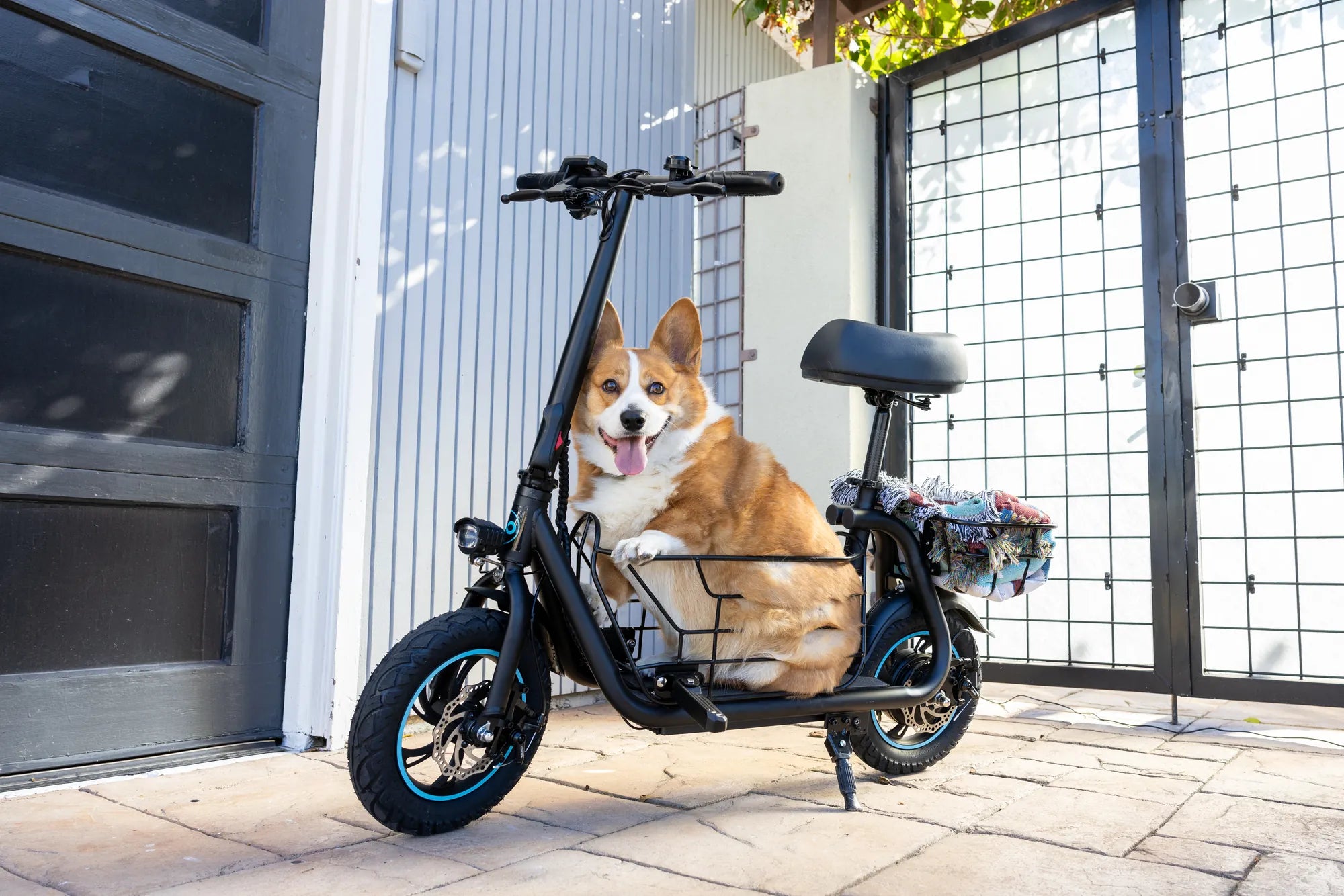
Conquering Uncharted Terrain with Electric Scooters
Pavement is just the beginning. The true frontier for personal electric mobility lies off the beaten path, across grassy fields, packed dirt trails, and gentle slopes. Electric scooters for grass represent a shift from urban utility to adventurous exploration, offering an eco-friendly way to connect with outdoor spaces. This pursuit demands more than a standard commuter scooter; it requires a machine engineered for traction, power, and durability. Brands like Gyroor have risen to this challenge, designing vehicles that unlock a new dimension of riding freedom where concrete ends and adventure begins.
This guide will equip you with everything you need to know. We will decode the critical features that make a scooter "grass-worthy," provide actionable safety and riding techniques, and examine the engineering principles behind reliable off-road performance. Whether you're aiming to explore local parks, traverse campgrounds, or simply enjoy your backyard in a new way, understanding the intersection of capable hardware and informed riding is key to the ultimate off-road riding experience.
What Makes an Electric Scooter "Grass-Worthy"? Key Features Decoded
Not all electric scooters are created equal, especially when the terrain changes from smooth asphalt to unpredictable grass and dirt. A scooter built for this environment is defined by specific engineering choices that prioritize traction, power, and resilience over lightweight portability. Ignoring these features can lead to poor performance, increased wear, and even safety risks.
The core differentiators lie in three interconnected systems: the tires that contact the ground, the motor that provides propulsion, and the suspension that manages impacts. A commuter scooter excels on flat, hard surfaces, but its narrow, solid tires and modest motor will struggle and stall on soft or uneven ground. An off-road-capable model is built from the ground up to overcome these challenges.
Tire Technology: Air vs. Solid, Tread Pattern, and Size
Tire choice is the single most important factor for grass riding. Pneumatic (air-filled) tires are non-negotiable for serious off-road use. The air cushion provides essential shock absorption, smoothing out bumps and ruts that would be jarring on solid tires. More critically, they conform to uneven surfaces, providing a larger contact patch for vastly improved traction.
Tread pattern and width are equally crucial. Look for wide, knobby treads reminiscent of mountain bike tires. These lugs dig into soft ground, loose soil, and wet grass to prevent slippage. A tire width of at least 3 inches is recommended; wider tires (4+ inches) distribute weight better, reducing sinkage in soft terrain. The combination of pneumatic construction, aggressive tread, and ample width transforms a scooter's capability on natural surfaces.
Motor Power & Torque: The Need for High Wattage
Grass, slopes, and uneven ground create significant rolling resistance. Overcoming this demands a motor with ample power and, more importantly, high torque. A minimum of 500 watts is a practical starting point for gentle grassy terrain, but 800W to 1000W dual-motor systems are ideal for consistent performance on hills and through thicker vegetation.
Torque is the rotational force that gets you moving from a stop and powers up inclines. A high-torque motor ensures the scooter doesn't bog down when you hit a patch of long grass or a gentle slope. It provides the necessary punch to maintain momentum without requiring a running start. Insufficient power will result in frustrating stalls, excessive battery drain, and potential motor overheating.
Ground Clearance & Suspension: Navigating Bumps and Ruts
Ground clearance—the distance between the lowest point of the scooter's deck and the ground—is your buffer against obstacles. Aim for at least 4 inches of clearance to avoid "bottoming out" on roots, rocks, or sudden dips. A scooter that scrapes its undercarriage is at risk of damaging its battery compartment, wiring, or structural components.
A robust suspension system is the partner to good ground clearance. While air-filled tires provide primary cushioning, a dedicated front and/or rear suspension (spring or hydraulic) actively absorbs larger impacts. This maintains wheel contact with the ground for better control, reduces fatigue on the rider, and protects the scooter's frame from stress. For the ultimate off-road riding experience, a full suspension setup is a significant advantage.
Gyroor's Off-Road Engineering: Built for the Challenge
Understanding the theory of off-road scooters is one thing; implementing it reliably is another. Gyroor's design philosophy integrates the critical features for grass riding with a foundational emphasis on safety and durability. This approach ensures that adventure doesn't come at the expense of reliability, making their scooters a trusted choice for over 100,000 riders exploring beyond city limits.
The brand's commitment extends beyond raw specs to holistic engineering. It's about creating a system where powerful components work in harmony within a protected, resilient frame. This results in vehicles that aren't just capable on paper but are dependable in the variable conditions of real-world off-road use, from dry park paths to dewy morning fields.
UL-Certified Power: Safety and Reliability on Every Ride
The heart of any electric scooter is its battery, and off-road use places unique demands on it. Gyroor equips all its models with UL-certified lithium-ion battery packs. This certification is more than a safety badge; it signifies rigorous testing for stability, performance, and longevity, with cells rated for 500+ charge cycles.
For grass riding, this translates to consistent power delivery when you need it most. A high-quality battery maintains voltage under the high-load conditions of climbing a hill, preventing sudden power drops. More importantly, the built-in Battery Management System (BMS) protects against overcharging, deep discharge, and short circuits, critical factors when you're far from an outlet. Reliability is the cornerstone of a confident off-road experience.
IPX5 Resilience: Weather and Terrain Ready
Off-road adventures don't always happen under perfect skies. Wet grass, morning dew, and unexpected puddles are part of the journey. Gyroor's IPX5 water-resistant rating across its lineup means the scooter's electrical components are protected against low-pressure water jets from any direction.
This engineering provides a crucial margin of safety. It allows riders to confidently traverse damp fields or handle light rain without fear of immediate water damage. Combined with sealed bearings and protected wiring harnesses, IPX5 resilience ensures that the scooter can handle the incidental moisture of outdoor riding, increasing its durability and lifespan.
Warranty & Support: Adventure with Confidence
Pushing a vehicle's limits on varied terrain inherently carries more risk than smooth commuting. Gyroor backs its off-road-ready designs with a comprehensive 1-year warranty, covering manufacturing defects in the frame, motor, battery, and electronic controllers. This warranty provides tangible peace of mind, protecting your investment.
Supported by US-based customer service, this warranty means riders have a direct line for troubleshooting and parts. Knowing that the brand stands behind its product's durability in challenging conditions allows riders to explore with greater confidence, focusing on the experience rather than worrying about potential breakdowns.
Practical Guide: Riding Your Electric Scooter on Grass Safely and Effectively
Mastering off-road riding requires adapting your technique. The skills that work on pavement can fail on grass. Success hinges on terrain assessment, controlled inputs, and proactive maintenance. This guide shifts focus from the machine to the rider, outlining the practices that ensure safety and maximize enjoyment.
The key principles are traction management and momentum conservation. Sudden acceleration, hard braking, and sharp turns—maneuvers that are fine on asphalt—can lead to loss of control on loose or slippery surfaces. Adopting a smooth, anticipatory riding style is essential for maintaining stability and preventing falls.
Terrain Assessment: Where and Where Not to Ride
Always scout your path. Ideal terrain for electric scooters includes short, well-maintained grass (like athletic fields), hard-packed dirt or gravel trails, and dry, open meadows. These surfaces provide reasonable traction and minimal hidden hazards. Check local regulations; many public parks permit scooters on paved paths but may have rules against riding on landscaped grass.
Avoid these high-risk areas: long, wet grass (causes severe slippage and can clog the scooter's deck), muddy or saturated ground (risk of getting stuck and damaging components), steep slopes beyond your scooter's rated incline ability, and ecologically protected zones. Always respect "No Trespassing" signs and private property.
Riding Techniques for Optimal Traction and Control
Adopt a ready posture: bend your knees slightly, keep your weight centered over the deck, and be prepared to shift your weight backward for climbs and forward for descents. Start slowly and accelerate gradually to prevent wheel spin. Use the scooter's momentum to your advantage; carrying a little extra speed into a gentle hill is easier than trying to accelerate from a stop on the incline.
Brake early and gently. Use both electronic and mechanical brakes (if equipped) in a modulated manner to avoid skidding. For turns, lean your body into the turn while keeping the scooter relatively upright to maximize tire contact. Look ahead in your path to anticipate ruts, holes, or changes in terrain, allowing you to adjust your line smoothly.
Pre-Ride Checklist and Post-Ride Maintenance
Pre-Ride: Check tire pressure (crucial for pneumatic tires), ensure the battery is adequately charged (expect 20-40% faster drain off-road), inspect for loose bolts or fasteners, and verify that brakes are functioning correctly. Wear appropriate safety gear: a helmet is mandatory, and gloves, knee pads, and elbow pads are highly recommended.
Post-Ride: Clean your scooter thoroughly. Use a damp cloth to wipe down the frame, deck, and wheels. Remove any grass, mud, or debris stuck in the fenders, brake calipers, or under the deck. Inspect the tires for punctures or embedded objects. Check the suspension components for damage. Allow the scooter to dry completely before storing it in a cool, dry place. This routine prevents corrosion and identifies wear before it becomes a failure.
Data-Driven Comparison: Urban Commute vs. Off-Road Adventure
The requirements for a scooter change dramatically based on its primary use case. The table below contrasts the key specifications and design priorities for a typical urban commuter scooter versus a model built for grass and off-road adventures. This highlights why a dedicated off-road scooter is necessary for consistent performance and safety on natural terrain.
| Feature | Urban Commute Scooter | Off-Road/Grass Scooter |
|---|---|---|
| Primary Tire Type | Solid or small pneumatic (≤ 2.5") | Large pneumatic (≥ 3"), knobby tread |
| Motor Power | 250W - 350W (sufficient for flat pavement) | 500W minimum, 800W+ preferred (high torque) |
| Suspension | Often minimal or front-only | Full suspension (front & rear) strongly recommended |
| Ground Clearance | 2 - 3 inches | 4+ inches |
| Frame & Build | Lightweight, folding focus | Robust, reinforced, often heavier |
| Battery Range Impact | Advertised range (e.g., 20 miles) | 30-50% reduction due to high load |
| Key Design Priority | Portability, weight, sleekness | Traction, durability, shock absorption |
FAQ: Your Electric Scooter Grass Riding Questions Answered
Q: Does riding on grass damage the scooter?
A: Not if you use a scooter designed for it. Off-road models with proper suspension, ground clearance, and sealed components are built to handle the stress. However, riding a pavement-only scooter on grass can overheat the motor, damage solid tires, and strain the frame due to lack of suspension.
Q: How much does range decrease when riding on grass?
A> Expect a significant decrease of 30% to 50%. Grass, dirt, and inclines create much higher rolling resistance than smooth pavement, forcing the motor to draw more power. Always plan your off-road trips with a substantial range buffer and start with a full charge.
Q: Can any electric scooter be used on grass?
A> Technically, you can attempt it, but most consumer-grade commuter scooters will perform poorly or fail. They lack the necessary traction, power, and clearance. Using an unsuitable scooter is frustrating, unsafe, and likely to cause premature wear or damage. For regular or intentional grass riding, a purpose-built model is essential.
Q: Is it legal to ride electric scooters on grass in public parks?
A> Laws and ordinances vary widely by city, county, and park district. Many classify electric scooters similarly to bicycles, restricting them to paved paths or designated areas. Riding on landscaped grass is often prohibited to protect the turf. Always check the specific rules posted at park entrances or on municipal websites before riding.
Q: What's the most important maintenance task after riding on grass?
A> Thorough cleaning. Removing dirt, moisture, and organic debris (grass, leaves) is critical. This prevents corrosion, keeps moving parts like brakes and bearings functioning smoothly, and allows you to inspect for any damage incurred during the ride, such as tire punctures or loose components.
Unlocking a New Dimension of Riding Freedom
The world of electric scooters extends far beyond city sidewalks and bike lanes. With the right machine—defined by powerful motors, rugged pneumatic tires, robust suspension, and durable construction like that found in Gyroor's lineup—grass, trails, and fields become accessible new frontiers. This ultimate off-road riding experience combines the thrill of exploration with the convenience of electric power.
Success hinges on pairing capable hardware with informed technique. By understanding terrain limits, adopting smooth control inputs, and committing to diligent maintenance, you ensure every adventure is both exhilarating and safe. Gyroor's engineering principles—UL-certified batteries for reliable power, IPX5 resilience for weather readiness, and strong warranty support—provide a foundation for confidence, letting you focus on the ride itself. The path less traveled is now yours to ride.
Ready to explore beyond the pavement? Discover scooters built to handle the challenge. Browse the full Gyroor collection at gyroorboard.com and find the model engineered for your next adventure.
Bloomington Electric Scooters: The Future of Urban Mobility
Are Electric Scooters Legal in New Jersey? The Complete Rider's Guide