

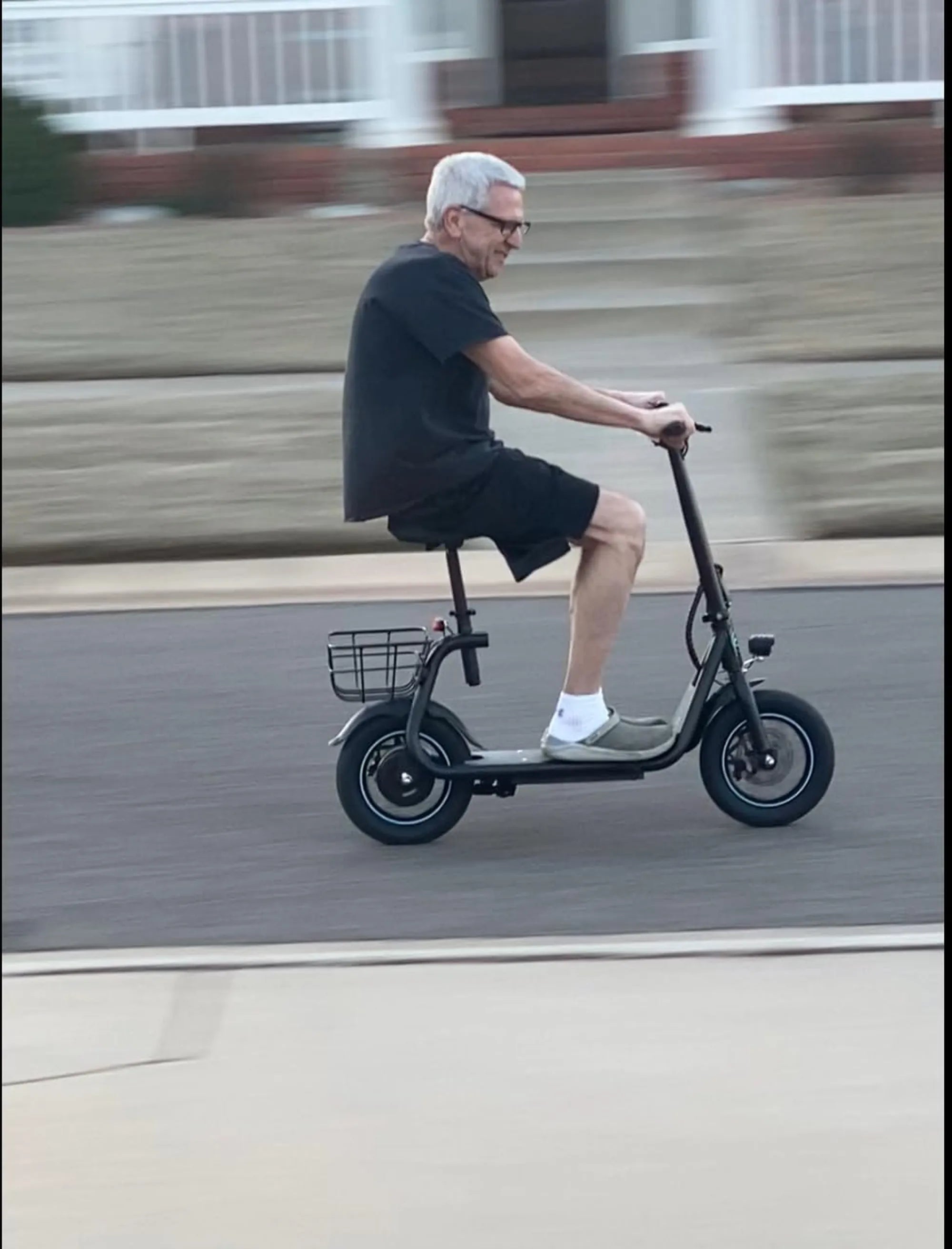
Redefining Mobility for Seniors with Electric Scooters
For many older adults, maintaining independence and staying connected to community life is paramount. Electric scooters for old people have emerged as a transformative mobility solution, offering far more than just transportation. They represent freedom, accessibility, and a renewed sense of adventure. This guide will explore how modern, well-designed e-scooters provide a safe, convenient, and empowering alternative to traditional aids, helping seniors navigate daily errands, social visits, and local parks with ease and confidence.
We will analyze the specific features that make these vehicles suitable for senior riders, from stability and intuitive controls to comfort and reliability. You'll learn how to select the right model based on practical needs, understand crucial safety protocols, and see data-driven comparisons with other mobility options. The goal is to provide a complete resource for seniors and their families considering this life-enhancing technology.
Why Electric Scooters are an Ideal Choice for Senior Riders
Electric scooters address several key challenges faced by older adults. They bridge the gap between limited walking endurance and the desire for active, engaged living. Unlike a car, they are perfect for short trips to the grocery store, pharmacy, or a friend's house, often eliminating the stress of parking and high fuel costs. The gentle assistance of the electric motor means hills and longer distances are no longer barriers to getting out and about.
Beyond practical transportation, riding an e-scooter offers low-impact physical activity. Maintaining balance and coordinating movement provides subtle exercise for core muscles and improves joint flexibility. Perhaps most importantly, the psychological benefits are significant. Regaining the ability to move freely without relying on others for rides boosts self-esteem, reduces feelings of isolation, and promotes mental well-being. Electric scooters for old people are, therefore, not just vehicles but tools for holistic health.
The convenience factor cannot be overstated. Modern scooters feature simple operation, often with a single throttle and brake lever. They are quiet, emission-free, and can be charged overnight from a standard wall outlet. For seniors who may find driving increasingly challenging or who wish to reduce their carbon footprint, an electric scooter presents a perfect middle ground—offering personal mobility without the complexities of operating a full-sized automobile.
Key Safety Features to Prioritize for Senior Riders
Safety is the non-negotiable foundation for any senior mobility device. When evaluating electric scooters for old people, certain features are essential. First and foremost is stability. Look for models with a wide, textured deck for secure footing and larger wheel diameters (10 inches or more). Larger wheels roll more smoothly over cracks, bumps, and minor pavement imperfections, providing a stable and comfortable ride that reduces the risk of losing balance.
The braking system must be reliable and easy to operate. A combination of electronic (regenerative) and mechanical (disc or drum) brakes offers redundancy and smooth stopping power. Intuitive controls are critical; the throttle and brake should require minimal hand strength and be clearly differentiated. Additionally, comprehensive lighting is a must—bright front and rear LEDs, along with side reflectors, ensure the rider is visible to others in low-light conditions.
Speed management is another vital safety aspect. Scooters with multiple speed modes allow a new rider to start in a slow, gentle setting (often 5-7 mph) and gradually increase as confidence grows. A robust frame construction with a low center of gravity further enhances stability. Finally, an audible bell or horn is a simple but crucial communication tool for alerting pedestrians.
Advanced Stability and Control Systems
Some premium models incorporate advanced engineering for even greater safety. Features like anti-lock braking systems (ABS) prevent wheel lock-up during sudden stops, maintaining steering control. Wide, pneumatic (air-filled) tires offer superior shock absorption compared to solid tires. A well-designed suspension system, even a simple spring-based one, can dramatically improve comfort and handling on uneven surfaces, making the ride safer and less jarring for joints.
Comfort and Ease of Use: What Matters Most
If safety is the priority, comfort is what makes an electric scooter a practical daily companion. The design should minimize physical strain. An adjustable handlebar height allows the rider to find a natural, upright posture that doesn't stress the back or shoulders. A step-through frame design, as opposed to a high crossbar, makes mounting and dismounting significantly easier and safer, especially for those with limited leg mobility.
The deck should provide ample space for feet to be placed comfortably side-by-side, and a slightly cushioned or non-slip surface adds to comfort and security. The weight of the scooter itself is a major usability factor. While heavier scooters are often more stable, a model that is too heavy becomes impossible to lift into a car trunk or up a single step. Look for a balance, or models with a folding mechanism that aids in transport and storage.
User interface simplicity is key for senior riders. A clear, backlit digital display that shows speed, battery level, and riding mode is essential. Controls should be minimal and logical. The charging port should be easily accessible without needing to crouch or bend excessively. Overall, the design philosophy should be intuitive—enabling the rider to focus on the journey, not on operating complicated machinery.
Choosing the Right Electric Scooter: A Senior-Friendly Checklist
Selecting the perfect model requires matching features to individual needs and lifestyle. Use this checklist as a practical guide during your research and purchasing process.
- Motor Power & Speed: A 350W-500W motor is typically sufficient for most urban and suburban terrains, offering good acceleration and hill-climbing ability. Ensure it has variable speed settings.
- Battery Range: Match the scooter's range to your typical daily travel. A 15-20 mile range covers most local errands. Remember, real-world range is affected by rider weight, terrain, and speed.
- Weight Capacity: Verify the scooter's maximum load rating exceeds the rider's weight, plus any items they might carry (e.g., a grocery bag).
- Portability: Can you fold it? What is its folded size and weight? Can you manage it for storage or to load into a vehicle?
- Tires & Suspension: Prefer larger pneumatic tires and at least a front suspension for comfort. Solid tires are puncture-proof but give a harsher ride.
- Braking System: Dual braking (electronic + mechanical) is highly recommended for safety redundancy.
- Lighting & Visibility: Must have bright front and rear lights, reflectors, and ideally a brake light that activates when slowing.
Gyroor's Commitment to Safe Senior Mobility
Brands like Gyroor engineer their products with these senior-specific needs in mind. Their commitment to safety starts with the power source: all Gyroor models use UL-certified lithium-ion battery packs. This certification is a critical benchmark, indicating the batteries have passed rigorous tests for electrical, mechanical, and fire safety, providing peace of mind against potential malfunctions.
Durability and reliability are ensured through an IPX5 water-resistant rating. This means the scooter can withstand water jets from any direction, making it safe to ride in light rain or on damp roads, a crucial feature for unpredictable weather. Furthermore, Gyroor backs its scooters with a 1-year comprehensive warranty and US-based customer support, ensuring help is readily available if needed. With over 100,000 riders trusting the brand across North America and Europe, their focus on reliable, user-friendly design aligns perfectly with the requirements for safe electric scooters for old people.
Data and Comparison: Electric Scooters vs. Traditional Mobility Aids
Understanding how electric scooters fit into the broader mobility landscape is helpful. The table below provides a data-driven comparison with common alternatives.
| Feature | Electric Scooter | Manual Mobility Scooter | Power Wheelchair | Walking Aid (Cane/Roller) |
|---|---|---|---|---|
| Average Cost | $500 - $1,500 | $300 - $800 | $2,000 - $5,000+ | $20 - $150 |
| Typical Range | 10-25 miles | Limited by user strength | 10-15 miles | Limited by user endurance |
| Max Speed | 15-20 mph (adjustable) | 3-5 mph (user-powered) | 3-6 mph | Walking speed |
| Physical Effort | Very Low (motorized) | Moderate to High (arm strength) | Very Low (joystick) | High (full body weight) |
| Portability & Storage | Good (many fold) | Poor (often bulky) | Poor (heavy, requires vehicle lift) | Excellent |
| Social/Outdoor Use | High (upright, active posture) | Medium | Low (often associated with disability) | High |
| Primary Benefit | Independence, speed, range | Low-cost seated option | Maximum seated support | Stability while walking |
This comparison highlights the unique niche of electric scooters for old people. They offer a blend of range, speed, and an active riding posture that other aids do not, often at a more accessible price point than advanced power wheelchairs. They are ideal for individuals who have good balance and upper-body control but need assistance with endurance and distance.
Practical Tips for Getting Started Safely
Embarking on your first ride should be a positive and secure experience. Begin by finding a safe, open, and smooth practice area like an empty parking lot. Wear appropriate safety gear every time: a properly fitted bicycle helmet is essential, and consider knee and elbow pads, especially during the learning phase. Wear sturdy, closed-toe shoes for optimal foot control on the deck.
Before each ride, perform a quick pre-ride check: verify tire pressure, test the brakes, ensure lights are working, and confirm the battery has adequate charge. Start with the slowest speed setting on your scooter. Practice starting, stopping, and making wide, gentle turns before attempting tighter maneuvers. Always be hyper-aware of your surroundings, watching for pedestrians, cars, and road hazards like potholes or gravel.
Understand and obey local laws regarding where electric scooters are permitted (bike lanes, sidewalls, roads) and any speed limits or helmet requirements. Plan your routes to use bike paths or quiet residential streets whenever possible. Finally, never ride in the dark without full lighting, and avoid wet or icy conditions until you are highly experienced, as traction is significantly reduced.
Frequently Asked Questions (FAQ) for Seniors and Caregivers
Q: Is it difficult for a senior to learn to ride an electric scooter?
A: Most seniors find modern electric scooters very intuitive to learn. With stable designs, simple thumb throttles, and beginner speed modes, the basics can often be mastered in a single 30-minute practice session in a safe area. The key is starting slowly and building confidence gradually.
Q: What is the average range on a single charge, and how long does charging take?
A>Range varies by model, battery size, rider weight, and terrain. A typical model suitable for seniors offers 15-20 miles per charge. Charging a depleted battery to full usually takes 4-6 hours using a standard household outlet. It's best practice to recharge after each use.
Q: How do I maintain the scooter to ensure its longevity and safety?
A>Basic maintenance is straightforward. Keep the tires properly inflated, regularly check that all bolts and fasteners are tight, and keep the scooter clean and dry. Avoid storing it in extreme temperatures. The most important task is following the manufacturer's guidelines for battery care, which usually involves avoiding complete discharges and not leaving it plugged in indefinitely after a full charge.
Q: Are electric scooters safe for riders with minor balance issues?
A>Stability varies by design. Scooters with a wide deck, large wheels, and a low center of gravity are very stable. However, if balance is a significant concern, a three-wheeled mobility scooter or power wheelchair may be a safer initial choice. Consulting with a healthcare professional or occupational therapist is advised to assess individual capability.
Q: What is the typical weight capacity for these scooters?
A>Most quality adult electric scooters have weight capacities between 220 and 300 pounds. It is crucial to choose a model whose maximum load rating comfortably exceeds the rider's weight to ensure performance, safety, and the longevity of the frame and motor.
Embracing Independence and Joy on Two Wheels
Electric scooters for old people have evolved into a sophisticated, safe, and deeply empowering mobility solution. They offer a unique combination of practicality, comfort, and the pure joy of movement, directly addressing the desire for independence that defines a high quality of life in later years. By carefully selecting a scooter with the right safety features, comfort design, and reliable engineering from a trusted brand, seniors can unlock new possibilities for daily adventure and social connection.
The journey towards renewed freedom begins with informed choice. Prioritize safety certifications like UL-listed batteries, seek out user-friendly designs, and don't hesitate to take a test ride if possible. The right electric scooter is more than a purchase; it's an investment in an active, engaged, and independent lifestyle. Explore the range of options designed with senior riders in mind and take the first step toward reclaiming your mobility on your own terms.
Ready to explore models built for safety, comfort, and reliability? Browse the full Gyroor collection, featuring UL-certified batteries, IPX5 water-resistant designs, and a comprehensive 1-year warranty, at gyroorboard.com.
Used Electric Mobility Scooters for Adults: A Smart Buyer's Guide
Electric Scooters That Go 25 MPH: The Ultimate Urban Commuter's Guide