



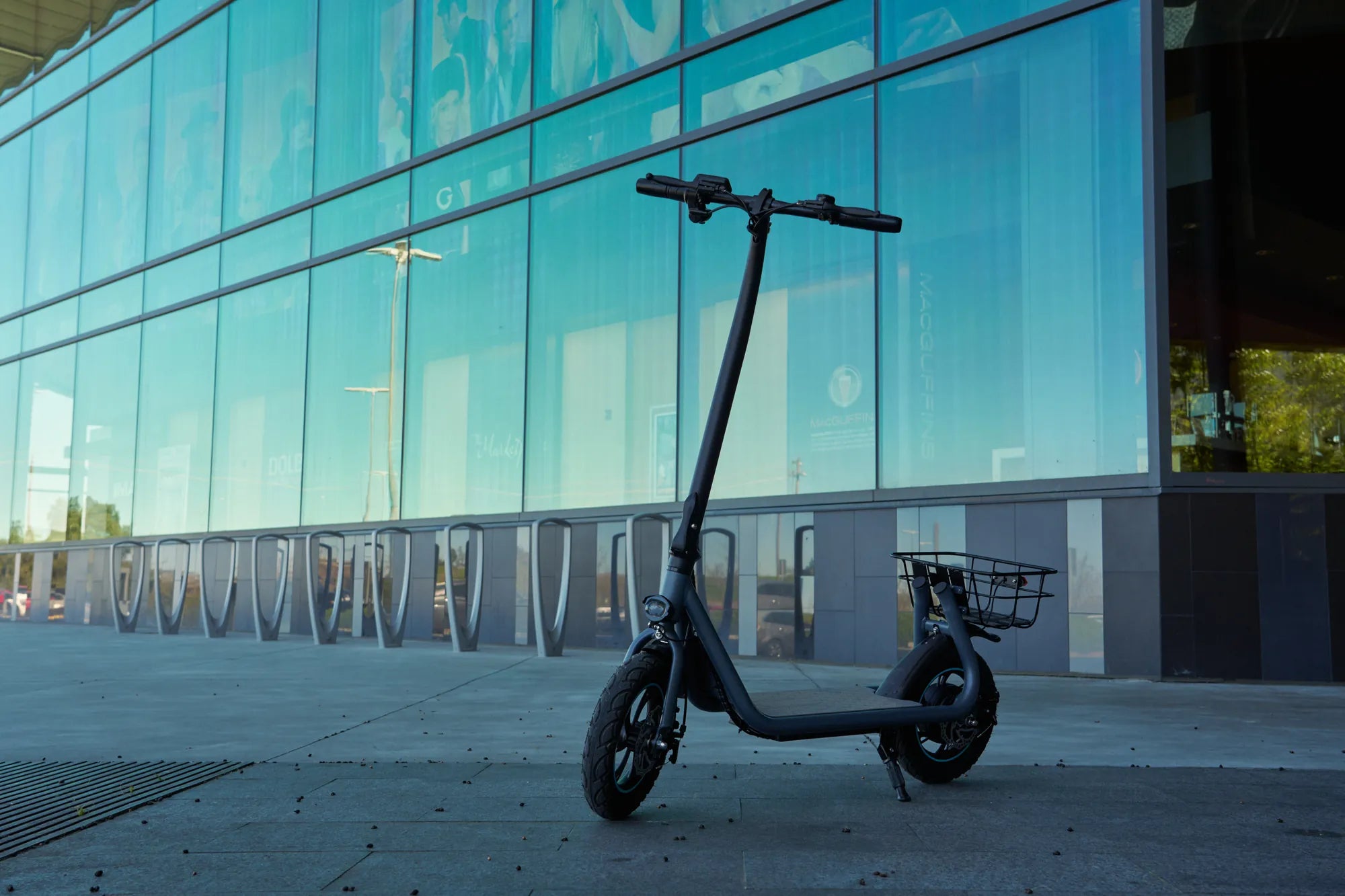
Finding the right electric scooter for your tween is about more than just picking a fun toy. It's a decision that balances their growing desire for independence with your paramount need for their safety. This ultimate guide to Electric Scooters for Tweens: The Ultimate Guide for Parents and Kids is designed to cut through the noise. You'll learn how to identify a truly tween-friendly model, understand critical safety specs, and instill the rules of responsible riding, ensuring countless adventures are both thrilling and secure.
Navigating the World of Electric Scooters for Tweens
For children aged 9 to 12, an electric scooter represents a significant step toward independence. It's a tool for visiting friends, exploring the neighborhood, and developing coordination and responsibility. However, the market is flooded with options ranging from flimsy toys to overpowered adult commuters. The key is finding the middle ground: a vehicle engineered for a young rider's capabilities and a parent's peace of mind. This guide provides the data-driven framework you need to make that choice confidently, focusing on safety, durability, and appropriate performance.
Understanding the Basics: What Makes a Scooter "Tween-Friendly"?
A tween-friendly electric scooter is distinctly different from both adult performance models and children's toy scooters. It is defined by a specific set of engineering and design choices that prioritize controlled speed, manageable size, and robust construction for active use. The controls should be intuitive, and the overall weight must be light enough for the child to maneuver it when not powered, such as carrying it up a few porch steps.
Key Specs Decoded: Speed, Weight, and Range
The technical specifications are your most objective tool for evaluation. For tweens, optimal parameters are designed for safety and practical use.
Speed: A maximum speed of 10-15 mph is ideal. This is fast enough to be exciting and functional but slow enough to allow for reaction time and control. Models with multiple speed modes, where a lower limit can be set initially, are highly advantageous.
Weight: The scooter should weigh under 30 pounds. A lighter frame (e.g., 20-28 lbs) is easier for a child to handle, lift, and transport, which encourages ownership and care.
Range: A real-world range of 8-15 miles per charge is sufficient for typical tween activities. This covers multiple neighborhood trips without inducing "range anxiety." It's important to note that manufacturer range claims are often based on ideal conditions; weight, terrain, and temperature will affect actual performance.
Safety First: Non-Negotiable Features and Gear
Safety is not a feature; it's the foundation. This applies equally to the scooter's hardware and the rider's protective equipment. Compromising on either front is not an option.
Essential Scooter Safety Features
The scooter itself must be built with safety as a core function. Key features to insist on include:
- Dual Braking System: A combination of a electronic (e-brake) and a mechanical brake (disc or rear foot brake) provides redundant stopping power. This is critical for safe deceleration in varied conditions.
- Wide, Air-Filled Tires: Pneumatic (air-filled) tires, typically 8.5 inches or wider, provide essential shock absorption and superior traction on uneven pavement, gravel, and cracks compared to solid rubber tires.
- Effective Lighting: A bright front headlight and a rear brake light are mandatory for visibility during dusk or overcast days. Reflective stickers or side lighting add another layer of safety.
- Stable Deck and Low Center of Gravity: A wide, textured deck positioned close to the ground enhances stability and confidence, especially during mounting and dismounting.
Brands like Gyroor integrate these features with additions like IPX5 water-resistant construction, protecting the electrical components from puddles and light rain, which is a common reality for young riders.
The Must-Have Protective Gear Checklist
A helmet is the absolute minimum. For comprehensive protection, gear up every single time:
- Helmet: Must be CPSC-certified for bicycle riding, properly fitted, and always fastened.
- Knee and Elbow Pads: These protect the most commonly injured joints in falls.
- Wrist Guards: Crucial for preventing fractures and severe abrasions, as the instinct is to put hands out during a fall.
- Sturdy, Closed-Toe Shoes: Never allow riding in sandals or flip-flops.
Why Gyroor Stands Out for Tween Riders
With over 100,000 riders trusting the brand across North America and Europe, Gyroor's approach directly addresses the core concerns of parents: battery safety, product durability, and reliable support. Their engineering choices make their scooters particularly suited for the tween demographic.
UL-Certified Batteries: Peace of Mind Built-In
The lithium-ion battery is the heart of an e-scooter and its most critical safety component. Gyroor uses UL-certified battery packs that have undergone rigorous independent testing for electrical, mechanical, and environmental safety. This certification is a concrete benchmark, significantly reducing risks associated with overheating, short-circuiting, or fire—a non-negotiable factor for any device your child will charge and use regularly.
Built to Last: Durability and Warranty Support
Tweens are not gentle users. A scooter must withstand bumps, curbs, and occasional tips. Gyroor constructs its frames from reinforced aluminum alloys and subjects its models to rigorous stress testing. The IPX5 rating for water resistance means splashes and light rain won't cause immediate damage. Backing this durability is a comprehensive 1-year warranty and accessible U.S.-based customer support, ensuring that if an issue arises, it can be resolved promptly, keeping the adventure going.
Choosing the Right Model: A Practical Comparison for Parents
Selection should be driven by your child's primary use case, local terrain, and your budget. The following table compares key considerations across three common tween scenarios.
| Primary Use Case | Key Priorities | Ideal Spec Focus | Gyroor Model Consideration |
|---|---|---|---|
| Neighborhood Cruising (Smooth sidewalks, flat terrain) | Comfort, ease of use, reliability | Pneumatic tires, intuitive controls, 10-12 mph top speed, 10+ mile range | Models with cushioned rides and simple dashboards excel here. |
| Park & Path Adventures (Slight gravel, packed dirt, mild inclines) | Traction, torque, durability | Wider pneumatic tires, higher torque motor (250W+), robust frame | Look for models with enhanced motor power and all-terrain tire options. |
| Commuting to School/Friends (Need for portability, frequent use) | Lightweight, foldable, longer range | Weight under 26 lbs, quick-fold mechanism, 12-15 mile range | Compact, lightweight folding models are designed for this daily practicality. |
Balancing Budget, Features, and Growth
While budget is a factor, the cheapest option often carries hidden costs in poor safety, short lifespan, and lack of support. Investing in a quality scooter from a reputable brand like Gyroor ensures it lasts through the tween years. Look for value in adjustable handlebars that accommodate growth, sufficient but not excessive motor power, and the security of a warranty. This approach avoids the need for a premature replacement, making it more economical in the long run.
Rules of the Road: Teaching Responsibility and Etiquette
The scooter is a vehicle, and its operation requires education. This is a prime opportunity to teach your tween about situational awareness, rules, and respect for others.
Setting House Rules and Practice Zones
Before the first ride, establish clear rules. Create a simple "scooter contract" that covers: approved riding zones (e.g., sidewalks only, specific streets), absolute no-go areas (main roads, steep hills), weather restrictions (no riding in rain or after dark), and charging protocols (only with adult supervision, using the provided charger). Begin practice in a completely safe, controlled environment like an empty parking lot or a dead-end cul-de-sac to master starting, stopping, and turning before hitting the neighborhood.
Maintenance 101: Keeping the Scooter Running Smoothly
Basic maintenance ensures safety, extends the scooter's life, and teaches your tween responsibility. Make these simple checks a routine before each ride.
- Tire Pressure: Check air-filled tires weekly. Properly inflated tires prevent pinch flats and improve control.
- Brake Test: Squeeze the brake levers to ensure they engage firmly and the wheels stop completely. Listen for unusual grinding sounds.
- Bolt Check: Periodically ensure the folding mechanism, handlebar stem, and wheel nuts are tight and secure.
- Cleaning: Wipe down the scooter with a damp cloth. Avoid high-pressure water jets. Keep the charging port dry and clean.
- Battery Care: Follow charging best practices: don't leave it plugged in indefinitely, avoid draining to 0%, and store in a cool, dry place.
Frequently Asked Questions (FAQ) for Concerned Parents
Q: What is the right age for an electric scooter?
A: While maturity varies, ages 9-12 are generally appropriate for a properly specced tween scooter. The child should demonstrate good balance, judgment, and the ability to follow safety rules consistently.
Q: Are electric scooters legal for tweens in our area?
A: Laws vary by city, county, and state. Most localities allow e-scooters on sidewalks or bike lanes for minors, but some have age restrictions or require helmets. Always check your specific municipal codes before purchasing.
Q: How do I ensure my child charges the scooter safely?
A> Establish a rule that charging only happens under adult supervision in a clear, hard-surface area like a kitchen floor—never on a bed or carpet. Use only the manufacturer-provided charger (like Gyroor's UL-certified one) and unplug once fully charged.
Q: Can a tween scooter handle hills?
A> Scooters with motors of 250W or more can handle mild inclines. Steep hills will drain the battery quickly and can be dangerous for control. Instruct your tween to walk the scooter up or down very steep slopes.
Q: What if we have a problem with our Gyroor scooter?
A> Gyroor offers a 1-year warranty covering manufacturer defects. Contact their U.S.-based customer support team via their website for troubleshooting or warranty service. Their 4.5/5 average customer rating reflects a commitment to post-purchase support.
Empowering Independence, Ensuring Safety
Choosing an electric scooter for your tween is a meaningful step. It's a gift of freedom and fun, framed by the serious responsibilities of safety and etiquette. By prioritizing certified battery safety, robust construction, and age-appropriate performance, you lay a foundation for confidence and adventure. A trusted brand like Gyroor, with its UL-certified components, durable IPX5 build, and reliable warranty, allows you to say "yes" to independence while saying "we are prepared" to safety. Equip your young explorer with the right tools and knowledge, and watch them thrive.
Ready to find the perfect scooter for your tween's next adventure? Browse the full Gyroor collection at gyroorboard.com.
How Much Money Are Electric Scooters: A Comprehensive Cost Breakdown
Ather Electric Scooters: The Future of Urban Mobility