



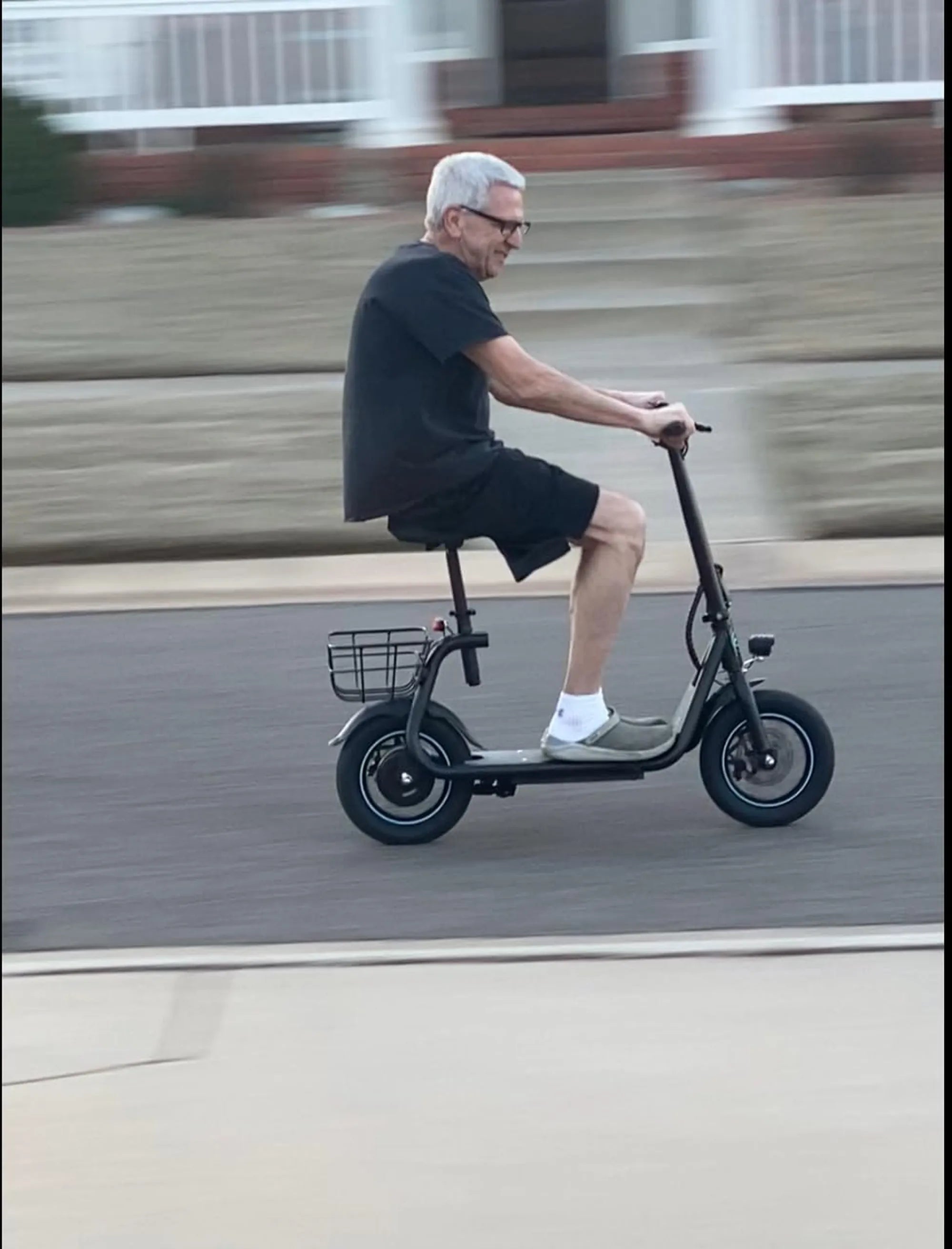
Introduction: Understanding the True Cost of Electric Scooter Ownership
When asking "Electric Scooters How Much," the answer extends far beyond the initial price tag. The true cost of ownership encompasses the upfront investment, ongoing operational expenses, and the value derived from reliability, safety, and performance. This guide provides a complete financial breakdown for urban commuters and new buyers, empowering you to make an informed decision that balances cost with long-term utility and peace of mind.
Understanding all financial aspects, from battery replacement cycles to maintenance schedules, is crucial. A well-researched purchase is not just an expense but an investment in efficient, sustainable, and enjoyable personal mobility. We'll explore how leading brands, like Gyroor—a trusted name with over 100,000 riders—offer value through certified components and comprehensive warranties, impacting the total cost of ownership.
Upfront Purchase Price: Breaking Down the Initial Investment
The retail price of an electric scooter is the most visible cost, typically segmented into three distinct tiers: budget, mid-range, and premium. Each bracket corresponds to specific performance thresholds, build quality, and intended use cases. Knowing where your needs fit is the first step in answering "Electric Scooters How Much" for your situation.
Budget scooters, often under $500, are designed for very light, infrequent use on smooth surfaces. They may have lower-capacity batteries, less powerful motors (250W-350W), and basic construction. Mid-range models, priced between $500 and $1,200, represent the sweet spot for most daily commuters. This tier offers robust motors (350W-500W), better range (15-25 miles), and enhanced features like suspension and improved braking systems.
Premium electric scooters, costing $1,200 and above, are built for performance, long-range commuting, or off-road capability. They feature high-wattage motors (500W+), large-capacity batteries for 30+ mile ranges, superior suspension, advanced display systems, and premium materials like aerospace-grade aluminum. Brands like Gyroor operate primarily in the mid-to-premium segment, focusing on durability and safety certifications that justify the investment.
What You Get for Your Money: Key Components and Their Cost Impact
Every dollar spent on an electric scooter is allocated to specific components that dictate its performance and longevity. The battery is the single most expensive part, often comprising 251-40% of the total cost. A high-quality, UL-certified battery pack, like those used in Gyroor scooters, ensures safety, consistent performance over 500+ charge cycles, and reliability, directly impacting long-term value.
Motor wattage directly influences power, hill-climbing ability, and top speed. A 350W motor suits flat urban commutes, while a 500W or dual-motor setup commands a higher price for tackling hills and providing quicker acceleration. The frame material, whether standard aluminum or reinforced alloys, affects weight, portability, and durability, with premium materials adding to the cost.
Additional features like hydraulic or disc brakes, pneumatic tires with suspension, IPX water-resistance ratings, and smart connectivity (app integration, LED displays) all incrementally increase the price. Gyroor's focus on IPX5 water-resistant designs and UL-certified batteries are prime examples of cost-drivers that translate into tangible user benefits like all-weather capability and enhanced safety.
The Hidden Costs of Ownership: Beyond the Sticker Price
The initial purchase is just the beginning. Responsible ownership involves several mandatory and potential costs that must be factored into your budget. Ignoring these can turn a seemingly affordable scooter into a financial burden.
Safety gear is non-negotiable. A quality helmet can cost $50-$200. High-visibility clothing, gloves, and optional knee/elbow pads add to this essential upfront cost. For night riding, additional front and rear lights beyond the scooter's built-in ones are a wise investment for visibility.
Maintenance is an ongoing reality. Pneumatic tires may need replacement every 500-1,500 miles, costing $20-$50 per tire including service. Brake pads wear down and require periodic replacement ($15-$40). Regular checks and minor adjustments to brakes, bolts, and folding mechanisms are necessary for safe operation.
Unexpected repairs can arise. While a strong warranty mitigates this, out-of-warranty repairs for electronics, controllers, or deck damage can be costly. Some owners opt for personal property insurance or rider insurance, which adds a small monthly or annual fee but provides significant financial protection against theft or major accidents.
Cost Per Mile: Calculating the Long-Term Value
To truly understand the economics, calculating the operational cost per mile is revealing. Electric scooters are exceptionally efficient. Assuming an average electricity cost of $0.15 per kWh, a scooter with a 0.5 kWh battery costs about $0.075 to fully charge for a 20-mile range—that's a remarkable $0.00375 per mile.
Compare this to other modes of transport. Public transit can cost $2.50-$5.00 per trip. Ride-sharing services like Uber can exceed $0.50 per mile. Personal car ownership, factoring in fuel, insurance, depreciation, and maintenance, often costs between $0.50 and $1.00 per mile. Even a comparable e-bike, while efficient, often has a slightly higher upfront cost and similar per-mile electricity expense.
This stark contrast highlights the potential for massive savings, especially for daily commuters. An individual spending $100 monthly on transit could see a return on investment for a mid-range scooter in under a year, with pure savings accruing thereafter. This long-term value is a critical part of the "Electric Scooters How Much" equation.
Key Considerations Before You Buy: Aligning Cost with Need
Your ideal scooter and its associated cost are dictated by your specific needs. A mismatch here leads to either overspending or underbuying. Carefully evaluate your primary use case to guide your budget.
Required Range: Your daily round-trip distance is paramount. Always choose a scooter whose rated range exceeds your need by 30-40%, as real-world conditions (hills, rider weight, temperature) reduce manufacturer claims. Paying for excess range you'll never use is unnecessary.
Terrain and Commute Profile: Flat city pavements require less power and suspension. Hilly areas or uneven paths necessitate a more powerful motor (500W+) and a suspension system, which increases cost. Portability, measured by weight and foldability, is crucial if you need to carry it onto public transport or up stairs.
Local Regulations: Many cities impose speed limits (often 15-20 mph), power restrictions, and mandate specific safety features. Investing in a scooter that is non-compliant is a financial and legal risk. Storage and security (a robust lock is an added cost) are also vital practical considerations that influence your overall investment strategy.
The Premium for Peace of Mind: Why Certifications and Warranty Matter
Opting for a scooter with recognized safety certifications and a strong warranty is a financially prudent decision. It represents a premium for long-term peace of mind and lower total cost of ownership. The battery is the most critical component; a UL 2271 or UL 2843 certification, as found on Gyroor models, rigorously tests for electrical and fire safety, reducing catastrophic risk.
A comprehensive warranty, like Gyroor's 1-year coverage on the scooter, directly protects your investment against manufacturing defects and component failures. It transforms potential out-of-pocket repair costs into covered services. Brands that stand behind their products with strong support networks tend to produce more reliable vehicles, which also retain better resale value.
This investment in certified safety and warranty coverage is not an extra fee but a form of insurance. It safeguards your larger purchase and ensures that your mode of transport remains reliable, safe, and cost-effective over its entire lifespan.
The Resale Value Equation: Depreciation and Total Cost of Ownership
While not an investment in the traditional sense, a scooter's resale value significantly impacts its net cost. Depreciation is steepest in the first year but is influenced by several key factors. Understanding these can help you preserve value.
Brand reputation is paramount. Scooters from established, trusted brands known for reliability and customer support, like Gyroor, depreciate slower than generic or unknown brands. Model popularity and parts availability also play a role; a common model is easier to resell.
Battery health is the single biggest determinant of resale value. A scooter with a well-maintained battery that still holds 80%+ of its original capacity is far more attractive. Physical condition—scratches, tire wear, functionality of all components—obviously affects price. A complete service history and original packaging can further enhance resale potential.
By choosing a quality scooter, performing regular maintenance, and caring for the battery, you can expect to recover a meaningful portion of your initial outlay, effectively lowering the total cost of ownership over the years you use it.
Electric Scooter Cost Comparison Table
| Cost Category | Budget Scooter (<$500) | Mid-Range Scooter ($500-$1,200) | Premium Scooter ($1,200+) | Notes & Considerations |
|---|---|---|---|---|
| Upfront Price | $300 - $500 | $600 - $1,100 | $1,300 - $3,000+ | Initial investment for the scooter itself. |
| Typical Range | 10-15 miles | 15-28 miles | 30-60+ miles | Real-world range is often 70-80% of claimed. |
| Motor Power | 250W - 350W | 350W - 500W | 500W - 2000W (Dual) | Higher wattage improves hill climb and acceleration. |
| Battery Certification | Often uncertified | May include UL-certified | Typically UL-certified | UL certification (like Gyroor uses) is a key safety benchmark. |
| Common Hidden Costs | Essential safety gear, frequent tire/part replacement | Safety gear, annual maintenance, potential insurance | High-end safety gear, premium maintenance, insurance recommended | All tiers require a helmet ($50+). Premium models may have higher repair costs. |
| Best For | Short, occasional rides on smooth paths | Daily urban commuting, most common use case | Long-distance commuters, performance enthusiasts, off-road | Align your primary use with the scooter's capabilities. |
Frequently Asked Questions (FAQ)
Q: Is an electric scooter cheaper than a monthly bus or train pass?
A: In most urban areas, yes. A mid-range scooter costing $800 can pay for itself in 6-10 months compared to a $80-$100 monthly transit pass. After that, your operational cost is just pennies per day for electricity, leading to significant annual savings.
Q: How often do electric scooter tires need replacing, and what's the cost?
A> Pneumatic (air-filled) tires typically last 500 to 1,500 miles depending on terrain and weight. Replacement costs $20-$50 per tire, including the tube and labor if you don't DIY. Solid tires last longer but provide a much harsher ride.
Q: Are expensive electric scooters worth it for a short commute?
A> For a very short, flat commute (under 2 miles), a budget scooter may suffice. However, investing in a mid-range model from a reputable brand often pays off through greater reliability, comfort (suspension, better tires), safety (better brakes), and longevity, reducing long-term frustration and potential replacement costs.
Q: What is the typical cost of a battery replacement?
A> Replacing a scooter battery is a major expense, typically ranging from $150 to $500+, depending on capacity and brand authenticity. This underscores the importance of choosing a scooter with a high-quality, UL-certified battery from the start to maximize its lifespan, often exceeding 3-5 years with proper care.
Q: Do I need insurance for my electric scooter?
A> Legally, it's rarely required (check local laws). However, it is highly recommended. Personal articles insurance (via renters/homeowners policies) can cover theft. Specific e-scooter liability insurance can protect you financially if you cause an accident involving injury or property damage. Costs can range from $5 to $20 per month.
Conclusion: Investing Smartly in Your Ride
The question of "Electric Scooters How Much" is answered by looking at the complete financial picture: a responsible upfront investment aligned with your needs, plus planned costs for safety and maintenance, minus the long-term savings versus alternatives and potential resale value. The cheapest option often carries the highest hidden cost in repairs, short lifespan, and safety concerns.
Prioritizing safety certifications like UL for the battery, robust construction, and a solid warranty from a trusted brand is the most cost-effective path. This approach ensures your scooter is a reliable, enjoyable, and economical asset for years to come. For those seeking this balance of performance, safety, and value, exploring a reputable lineup is the logical next step.
Ready to find an electric scooter that offers lasting value? Browse the full Gyroor collection, featuring UL-certified batteries, IPX5 water-resistant designs, and a reliable 1-year warranty, at gyroorboard.com.
Are Electric Scooters Fixable? A Comprehensive Guide to Repairs and Maintenance
Electric Commuter Scooters for Adults: The Ultimate Urban Mobility Solution