



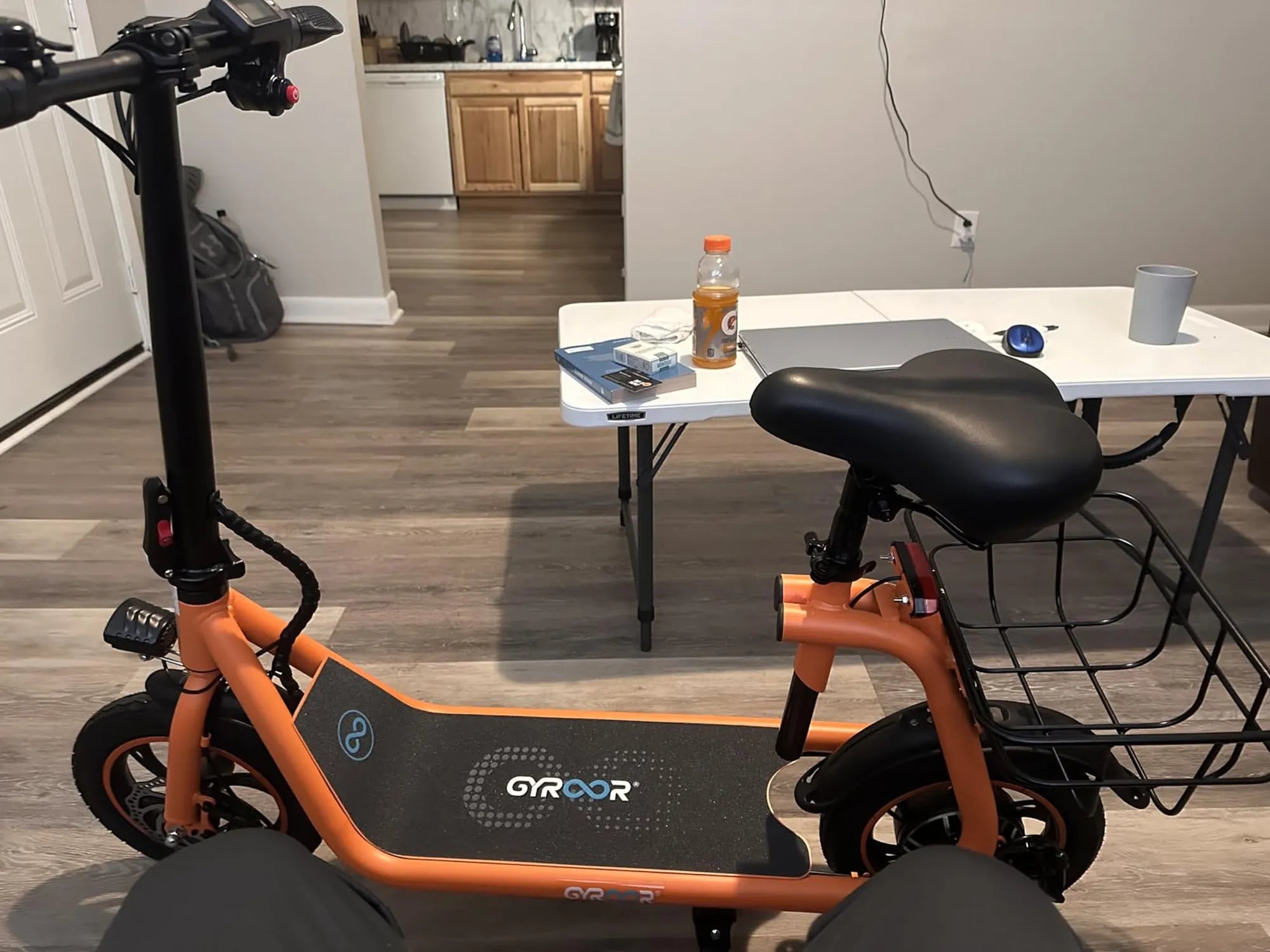
Navigating Jersey City's streets presents a daily puzzle of congestion, limited parking, and crowded transit. The solution is emerging on two wheels: the electric scooter. For commuters traveling from the Heights to the Waterfront or students moving between campuses, Electric Scooters Jersey City: The Future of Urban Mobility is not just a concept—it's a practical reality. This guide will detail how e-scooters solve specific local challenges, what features matter for Jersey City's terrain and climate, and how to choose a reliable model that prioritizes safety and durability for the long term.
Introduction to Urban Mobility in Jersey City
Jersey City's population density has surged, intensifying pressure on an already strained transportation network. Kennedy Boulevard crawls during rush hour, PATH trains reach capacity, and the search for parking can consume valuable time. The 'last-mile' gap—the distance between a transit stop and a final destination—remains a significant hurdle for efficient urban movement.
Electric scooters directly address this gap. They offer a nimble, efficient, and cost-effective mode of transport for short to medium distances. For a city built on a mix of historic grids and modern developments, the compact nature of e-scooters is ideal. They provide a legitimate alternative to rideshare dependency and personal car ownership, which is increasingly impractical and expensive.
The adoption of personal micro-mobility devices like electric scooters represents a fundamental shift. It empowers residents with flexible, on-demand transit that complements the existing infrastructure. This isn't about replacing the PATH or the light rail; it's about creating a more seamless, interconnected, and personalized transportation ecosystem for every Jersey City resident.
Leading this shift requires reliable technology. Brands like Gyroor, a trusted name in electric mobility across North America and Europe, are engineering scooters specifically for urban environments. Their focus on certified safety, weather resistance, and rider support makes them a pivotal part of Jersey City's mobility future, moving beyond novelty to become a core component of daily life.
The Jersey City Commuter's Guide to Electric Scooters
For the daily commuter, an electric scooter transforms the journey. The primary advantage is time. Scooters can bypass standstill traffic on major arteries, using bike lanes and side streets to maintain a consistent 15-20 mph pace. A trip from Journal Square to Exchange Place that might take 30 minutes in a car can be reliably cut in half.
Integration with public transit is seamless. A scooter solves the first and last mile problem perfectly. Ride from your home in Bergen-Lafayette to the Grove Street PATH station, fold your scoter, board the train, and then unfold for the final leg to your office near Newport. This multimodal approach maximizes efficiency and eliminates the walk in the rain or heat.
The financial savings are substantial. Compared to daily rideshares, monthly parking fees, or car payments/insurance/maintenance/gas, an e-scooter offers an incredibly low cost per mile. For apartment dwellers, the compact, portable design is a major benefit. Unlike a bicycle, a quality folding scooter can be easily carried inside, stored in a closet, or placed under a desk, eliminating theft concerns.
Beyond practicality, there's an undeniable quality-of-life improvement. The commute becomes an active, engaging experience. You feel the city, choose your route, and enjoy a sense of autonomy. For short trips to local shops, cafes, or parks, the scooter encourages exploration of your neighborhood without the hassle of finding parking, making local commerce more accessible.
Navigating Local Regulations and Safe Riding Zones
Responsible riding is paramount. In Jersey City, electric scooters are generally treated similarly to bicycles under New Jersey state law. They are permitted on streets with speed limits at or below 25 mph and in designated bike lanes. Riding on sidewalks is prohibited for safety.
Riders must be at least 18 years old. While not always mandated for adults, wearing a helmet is strongly advised and a critical safety practice. Using front and rear lights is essential for visibility during dawn, dusk, and night riding. Always signal your turns and obey all traffic signals and signs.
Parking etiquette is crucial for community acceptance. Never block sidewalks, ADA ramps, building entrances, or bus stops. Use designated bicycle parking areas when available. Gyroor emphasizes rider education as part of its mission, advocating for safe, respectful riding practices that ensure scooters remain a welcome part of the urban landscape.
Key zones for scooter use include the extensive Hudson River Waterfront Walkway (where bike/pedestrian paths are suitable), the protected bike lanes on Grand Street and Jersey Avenue, and the quieter streets of the historic districts. Always yield to pedestrians and exercise caution in shared spaces.
Key Features for Jersey City's Terrain and Climate
Jersey City's environment demands specific engineering. The terrain varies from smooth waterfront paths to the cobblestone sections of Paulus Hook and the steep inclines of the Heights. A scooter with a robust suspension system—typically incorporating front spring or hydraulic suspension and a rear shock absorber—is non-negotiable for comfort and control on uneven surfaces.
Motor power directly impacts hill-climbing ability. A continuous power rating of 350W is a good baseline, but 500W or more provides confident ascent on steeper grades without straining the battery. Torque is equally important for quick acceleration from stops, which is essential for urban safety when merging with traffic.
Climate resilience is a year-round concern. Spring showers and summer storms are common. An IPX5 water resistance rating is the minimum standard for a reliable commuter scooter. This rating means the scooter can withstand water jets from any direction, protecting it from road spray, puddles, and unexpected rain. Gyroor models are built to this standard, ensuring internal electronics are safeguarded.
Tire choice matters. Pneumatic (air-filled) tires offer better shock absorption and traction on wet roads compared to solid tires, though they require occasional maintenance. A combination of a pneumatic front tire and a solid rear can be a good balance. Disc brakes, preferably hydraulic or electronic, provide reliable stopping power in all weather conditions, a must for busy intersections.
Battery Performance and Range: Real-World Expectations
Manufacturer range estimates are conducted under ideal laboratory conditions. Real-world range is affected by rider weight, hills, frequent stops/starts, temperature, and tire pressure. A scooter advertised with a 25-mile range will typically achieve 18-22 miles for an average rider in Jersey City.
Plan your commute using this realistic metric. A round trip from Downtown to Journal Square, with some errands, is approximately 6-8 miles. Therefore, a scooter with a 20-mile real-world range easily covers a full day's use with a safety margin, eliminating 'range anxiety.' Most commuters charge their scooters nightly.
Battery safety is the most critical feature, especially for apartment storage. UL 2271 certification for the battery pack and UL 2849 for the entire electrical system are the gold standards. These certifications mean the battery has undergone rigorous testing for overcharge, short circuit, and thermal stability. Gyroor exclusively uses UL-certified battery packs, tested for over 500 charge cycles, prioritizing rider and home safety above all.
Charging time is also a practical consideration. A standard charger typically replenishes a battery in 4-6 hours. For those with access to an outlet at work, a partial midday charge can effortlessly extend the scooter's operational range for evening activities.
Comparing Scooter Types for Jersey City Use Cases
Not all electric scooters are created equal for urban commuting. The right choice depends on commute distance, storage needs, and the rider's priority between portability and performance. Below is a comparison of common scooter profiles relevant to Jersey City riders.
| Type / Use Case | Key Features | Ideal For | Considerations |
|---|---|---|---|
| Ultra-Portable Commuter | Lightweight (under 30 lbs), fast folding, compact, range 10-15 miles. | Multimodal commuters (PATH + scooter), small apartment storage, last-mile focus. | Less powerful motor, smaller wheels, minimal suspension. Best for smooth, short trips. |
| Performance Commuter | Powerful motor (500W+), long range (25+ miles), dual suspension, hydraulic brakes, IPX5+ rating. | Primary commute vehicle, handling hills (Heights), all-weather reliability, longer distances. | Heavier (40-55 lbs), higher cost, but built for durability and comfort on varied terrain. |
| Off-Road / All-Terrain | Large pneumatic tires, extreme suspension, very high torque motors. | Recreational use in Liberty State Park or exploring less-developed areas. | Overkill for paved urban commutes, often bulky and heavy, not ideal for frequent carrying. |
For most Jersey City residents, the Performance Commuter category offers the best balance. It provides the power for hills, the suspension for comfort, the range for flexibility, and the water resistance for reliability. While slightly heavier, its robust construction translates to longevity and a better riding experience on the city's mixed surfaces.
Why Gyroor Stands Out for Jersey City Riders
In a market flooded with options, Gyroor distinguishes itself through a commitment to safety, durability, and post-purchase support. For a Jersey City rider, these are not just features but necessities. The foundation of this commitment is the UL-certified battery system, a non-negotiable safety standard that many generic brands lack.
The comprehensive 1-year warranty on the scooter, including the battery and motor, provides significant peace of mind. Gyroor's US-based customer support team ensures that if an issue arises, resolution is prompt and communication is clear. This contrasts sharply with brands that offer only distant or non-existent support.
Engineering for real-world conditions is evident. The IPX5 water-resistant construction is tested to handle the spray from wet Jersey City streets. The integration of robust suspension systems and high-torque motors directly addresses the local terrain challenges discussed earlier. These are not afterthoughts but core design principles.
With over 100,000 riders globally and a 4.5/5 average customer rating, Gyroor has proven reliability at scale. Choosing a Gyroor scooter means investing in a product designed for daily use, backed by a company that stands behind it. This reduces long-term risk and total cost of ownership, making it a smarter choice than opting for an untested, potentially unsafe alternative.
The Future of Mobility in Jersey City: Trends and Sustainability
Electric scooters are a key component of Jersey City's sustainable urban development goals. Each scooter trip that replaces a car trip reduces carbon emissions, local air pollution, and traffic congestion. They align with the city's Vision Zero initiative by promoting slower-speed, human-scale transportation options when integrated safely into the street design.
The future will likely see greater infrastructure investment in micro-mobility. This includes more protected and connected bike/scooter lanes, secure parking corrals, and potential integration with transit payment systems. As adoption grows, city planning will increasingly accommodate these vehicles as legitimate traffic.
Technological innovation will continue. We can expect advancements in battery energy density for longer ranges, smarter connectivity for theft prevention and diagnostics, and even more sophisticated safety features like automatic brake lights and turn signal integration. Gyroor and other responsible manufacturers are actively involved in this R&D cycle.
Ultimately, the growth of personal electric vehicles like scooters contributes to a more resilient, efficient, and equitable transportation network. It offers affordable mobility to a broader population, reduces dependence on fossil fuels, and helps create more vibrant, less car-dominated streetscapes—a future where the phrase Electric Scooters Jersey City: The Future of Urban Mobility is simply a statement of fact.
Frequently Asked Questions (FAQ)
Are electric scooters legal on the Hudson River Waterfront Walkway?
Yes, electric scooters are permitted on the sections of the Walkway designated as shared-use paths for bicycles and pedestrians. Riders must operate at safe speeds, yield to pedestrians, and use caution, especially in crowded areas. Motorized vehicles are prohibited on pedestrian-only sections.
How do I store my scooter in a small Jersey City apartment?
Gyroor's folding design is ideal for small spaces. Once folded, most models can be stored upright in a closet, behind a door, or in a corner. Many riders also use wall-mounted hooks for vertical storage. The compact footprint takes up less space than a standard bicycle.
What is Gyroor's process for warranty service?
Gyroor offers a 1-year comprehensive warranty covering manufacturing defects. Customers contact the US-based support team via email or phone. The team diagnoses the issue and typically ships necessary replacement parts directly to the customer, along with clear instructions or video support for installation, minimizing downtime.
Is the scooter suitable for commuting across the cobblestones in Paulus Hook?
Scooters with dual suspension systems, like several in Gyroor's performance line, handle cobblestones and uneven brickwork much better than rigid models. While not as smooth as pavement, a quality suspension absorbs most of the vibration, making the ride manageable and far more comfortable.
Can I ride my e-scooter in the rain?
With an IPX5 water resistance rating (standard on Gyroor commuter models), riding in light to moderate rain is safe for the scooter. Always exercise extreme caution: reduce speed, avoid large puddles that could submerge the deck, and allow extra braking distance. Avoid riding in heavy downpours or flooding conditions.
Conclusion: Your Next Step Towards Easier Commuting
The evidence is clear: electric scooters provide a powerful solution to the unique transportation challenges of Jersey City. They offer unmatched efficiency for short trips, seamless integration with public transit, and significant cost savings. The key to a positive experience lies in selecting a scooter engineered for the demands of urban life—robust suspension, reliable brakes, water resistance, and, above all, certified battery safety.
Gyroor has built its reputation on these pillars, supporting a global community of over 100,000 riders with UL-certified, durable, and well-supported micro-mobility products. Choosing a trusted brand is an investment in your safety, convenience, and long-term satisfaction. It transforms the scooter from a gadget into a dependable daily tool.
Assess your typical commute distance, storage situation, and the terrain you navigate most often. Let these practical needs guide your decision. The future of urban mobility in Jersey City is electric, connected, and personally empowering. Your journey toward a simpler, more enjoyable commute starts with the right vehicle.
Ready to explore models built for Jersey City streets? Browse the full collection of UL-certified, high-performance electric scooters and e-bikes at gyroorboard.com.
Best Electric Scooters 2025 Lineup: The Future of Urban Mobility
Buy Electric Scooters for Kids: A Complete Guide for Parents