


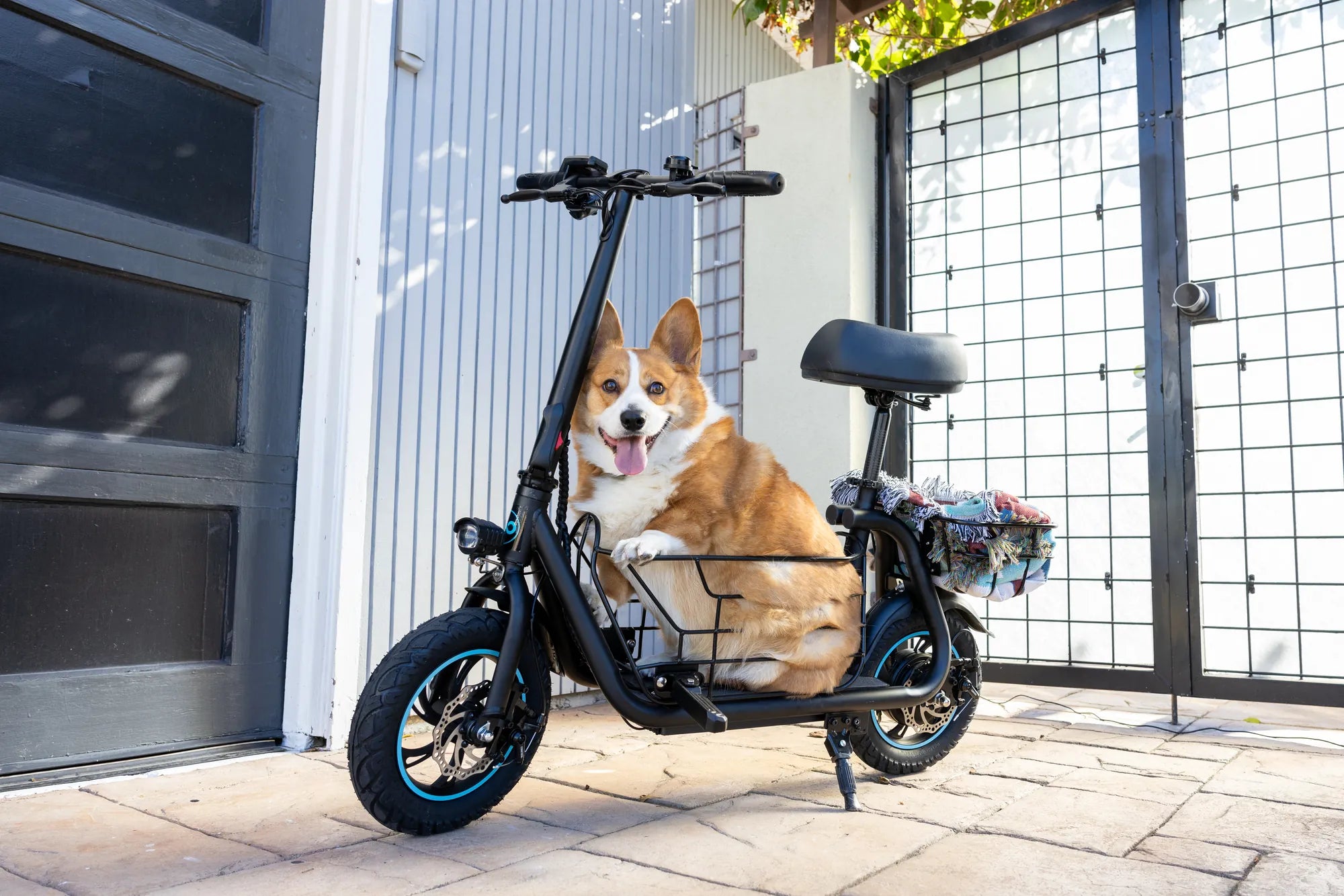
Introduction: Why a Kid's Electric Scooter is More Than Just a Toy
Choosing to buy electric scooters for kids is a decision that extends far beyond a simple toy purchase. For modern parents, it represents a thoughtful investment in outdoor activity, physical confidence, and the early lessons of responsible independence. The right model can spark a lifelong love for adventure while developing crucial motor skills and coordination.
However, navigating the market requires a focus on safety, value, and developmental appropriateness. This guide is designed to cut through the marketing hype and provide data-driven, practical advice. We will equip you with the knowledge to select a scooter that matches your child's age and skill level while meeting the highest safety standards.
Leading brands like Gyroor have engineered their products specifically to address these parental concerns. With features like UL-certified batteries and IPX5 water-resistant designs, they demonstrate that fun and safety are not mutually exclusive. The goal is to find a scooter that is as reliable as it is exciting.
Key Factor 1: Safety First – Non-Negotiable Features to Look For
Safety is the paramount concern when you buy electric scooters for kids. It must be the foundation of your purchasing decision. Overlooking critical safety components can turn a fun activity into a hazardous one. This section details the essential features that separate a well-built scooter from a potentially dangerous one.
Every component, from the braking system to the speed controls, must be evaluated for its protective role. Parents should prioritize models that offer multiple layers of safety, ensuring redundancy if one system fails. The following subsections break down these vital elements.
Speed Settings and Parental Controls
Adjustable speed modes are not a luxury; they are a necessity for child safety. A quality scooter will offer at least two or three modes, such as a beginner setting (3-5 mph), an intermediate setting (7-10 mph), and possibly a higher mode for experienced teens.
Parental controls are the key to managing these settings effectively. Look for features like a PIN-locked control panel, a dedicated remote control for parents, or a companion smartphone app. These tools allow you to set a maximum speed limit that matches your child's current ability, preventing accidental acceleration beyond their comfort zone.
Braking System: Disc vs. Electronic vs. Foot Brakes
The braking system is your child's primary means of stopping safely. There are three main types, each with pros and cons. Electronic (e-brakes) engage the motor to slow the scooter and are often combined with a regenerative function to recharge the battery slightly.
Disc brakes, common on higher-performance models, offer strong, consistent stopping power but may require more hand strength. A rear foot brake, where the rider presses down on the fender, provides a simple, mechanical backup. The safest configuration for younger riders is often a dual-brake system, such as an electronic brake paired with a foot brake, for redundancy.
Stability and Design: Wheel Size, Deck, and Handlebar
Stability is dictated by the scooter's physical design. Larger wheel diameters (e.g., 8.5-inch or 10-inch) roll over cracks and small obstacles more smoothly than smaller wheels, reducing the risk of a sudden stop. Air-filled (pneumatic) tires provide better shock absorption than solid rubber ones.
A wide, textured deck gives your child a secure footing. The handlebar should be adjustable in height to ensure an ergonomic, upright riding posture, which improves control. A wobbly or poorly fitted handlebar can lead to instability and accidents.
Key Factor 2: Matching the Scooter to Your Child's Age & Skill Level
Selecting a scooter with inappropriate power or size is a common mistake. An overpowered scooter can intimidate a beginner, while an underpowered one will be quickly outgrown. This framework helps you align the scooter's specifications with your child's developmental stage.
The categories below provide general guidelines based on age, but always prioritize your individual child's size, coordination, and maturity level. The recommended maximum speed and weight capacity are the most critical specifications to check.
Ages 3-5: Beginner Models with Extreme Limits
For this youngest group, the focus must be on extreme safety and simplicity. Look for models with a maximum speed no higher than 5 mph (walking pace). The scooter should be very lightweight, making it easy for a parent to carry and for a small child to maneuver if they need to push it.
Features should be minimal: a single speed mode, a simple thumb throttle, and a reliable brake. Close, constant parental supervision is non-negotiable. Rides should be short and on perfectly smooth, flat, car-free surfaces like a driveway or empty parking lot.
Ages 6-9: Balanced Scooters for Growing Confidence
This is the most common starting age for responsible electric scooter use. Children have better balance and judgment. Scooters for this group can have speeds up to 10 mph, with a mandatory beginner mode to start.
Durability becomes more important as kids ride more frequently. Look for sturdier construction, a higher weight capacity (around 120-140 lbs), and features like a simple suspension system to handle park paths and sidewalks. Parental controls remain essential to manage speed as skills improve.
Ages 10+: Performance-Oriented Scooters for Teens
Teens are ready for scooters that can handle longer commutes or recreational trail riding. These models may offer speeds up to 15 mph or more, with longer ranges (10+ miles) and more powerful motors for inclines.
Build quality must be robust, with features like full suspension, brighter lights, and stronger disc brakes. At this stage, the conversation shifts heavily toward responsible riding habits: obeying local traffic laws, wearing full safety gear, and understanding that higher performance requires greater maturity.
Key Factor 3: Battery, Range, and Durability – Understanding the Specs
Technical specifications can be confusing, but understanding them is key to avoiding disappointment and ensuring long-term satisfaction. This section decodes the most important specs related to performance, safety, and longevity.
We move beyond advertised numbers to explain real-world performance. A scooter's battery and build quality directly impact its safety, how long it will last, and how much fun your child will have before it needs a recharge.
Battery Safety and Certification: The UL-Certified Imperative
This is the single most important safety specification. A UL-certified battery pack has undergone rigorous independent testing for electrical, mechanical, and fire safety. It includes protections against overcharging, short-circuiting, and overheating.
Brands like Gyroor use UL-certified batteries tested for 500+ charge cycles, providing a critical layer of protection for your home and child. Never compromise on this feature. Uncertified, generic lithium-ion batteries pose a significant fire risk and are a hallmark of low-quality products.
Real-World Range vs. Advertised Range
Manufacturers often list a "maximum" range under ideal laboratory conditions. Real-world range is consistently lower. Factors that reduce range include the rider's weight, riding on uphill terrain, frequent stopping and starting, use of the highest speed mode, and cold weather.
A practical rule is to expect 60-70% of the advertised range. If a scooter claims 10 miles, plan for 6-7 miles of actual ride time. For most kids, this is still ample for daily adventures. Teach your child to monitor the battery indicator and return home with a charge reserve.
Build Quality and Warranty: IPX Ratings and Support
Durability is tested by real kid adventures. An IPX5 water-resistance rating means the scooter can withstand water jets from any direction, protecting it from puddles, wet roads, and light rain. It is a key indicator of overall build quality.
Equally important is the warranty and customer support. A comprehensive 1-year warranty on the motor, battery, and frame (like Gyroor's) signals the manufacturer's confidence in its product. It provides peace of mind that you have support if an issue arises, unlike with no-name brands that offer little to no after-sales service.
The Gyroor Advantage: Engineered for Peace of Mind
Applying the criteria from this guide highlights why a trusted brand matters. Gyroor's design philosophy directly addresses the core concerns of parents: certified safety, real-world durability, and reliable support. This section compares how Gyroor's USPs solve common pain points.
With over 100,000 riders and a 4.5/5 average rating across North America and Europe, Gyroor has built a reputation on performance and safety. Their 20+ model lineup offers options for every age and skill level discussed in this guide.
How Gyroor's UL-Certified Battery Addresses Top Safety Concerns
Gyroor makes UL-certified battery packs a standard feature across its range. This commitment directly tackles the top safety concern for parents—fire risk from lithium-ion batteries. Each battery undergoes extensive cycle testing to ensure longevity and stability throughout its life.
This focus on certified components is a direct response to industry-wide safety advisories about uncertified power sources. It allows parents to focus on their child's fun, not on potential hazards lurking in the garage.
Durability in Action: IPX5 Design for Real Kid Adventures
The IPX5 rating on Gyroor scooters isn't just a spec sheet bullet point. It translates to practical resilience. Whether it's a splash through a driveway puddle after washing the car, riding on a damp sidewalk, or getting caught in a sudden light shower, the scooter's electrical components are protected.
This engineering ensures the scooter remains a reliable companion through everyday play, reducing the likelihood of water damage that could end the fun prematurely and lead to costly repairs.
The Value of a Trusted Brand with a Real Warranty
Choosing a brand with an established reputation and a clear warranty is an investment in reliability. Gyroor's 1-year warranty provides tangible support, contrasting sharply with generic brands that are difficult to contact and offer no meaningful guarantees.
This warranty, backed by accessible customer service, means your purchase is protected. It reflects a brand that stands behind its products for the long term, ensuring that your child's scooter is a source of joy, not frustration.
Essential Pre-Ride Checklist and Safety Gear
Safety continues after the purchase. Establishing consistent pre-ride habits is crucial for preventing accidents. This checklist should be followed before every single ride, turning safety into a routine.
Mandatory safety gear is non-negotiable. Never allow a child to ride an electric scooter without the following protective equipment, regardless of the distance or location.
- Helmet: Must be CPSC-certified, properly fitted, and securely fastened.
- Knee and Elbow Pads: Protect against the most common scrapes and impacts.
- Wrist Guards: Essential for preventing fractures from instinctive falls.
- Footwear: Closed-toe shoes with grippy soles are required; no sandals or flip-flops.
- Visibility: Add reflective stickers to the scooter and helmet, and wear bright or reflective clothing, especially in low light.
Pre-Ride Scooter Check: Inspect tires for proper inflation and wear. Test the brakes to ensure they engage fully and smoothly. Check that the handlebar and stem are tight and secure. Verify the battery has sufficient charge for the planned ride. Ensure all lights are functioning.
Frequently Asked Questions (FAQ) for Parents
Q: What is the right age for an electric scooter?
A: While some models are designed for ages 3+, they require extreme, hands-on supervision. A more common and practical starting age is 6, when children have developed better balance, coordination, and the ability to understand and follow safety rules.
Q: How do I maintain the scooter's battery for longest life?
A> Follow the manufacturer's charging instructions precisely. Avoid letting the battery fully discharge regularly. Store the scooter and battery in a cool, dry place, away from direct sunlight or freezing temperatures. Do not leave it plugged in for extended periods after it is fully charged.
Q: Are electric scooters for kids allowed on sidewalks or in parks?
A> Laws and ordinances vary significantly by city, town, and even specific parks. It is the parent's responsibility to check local rules. Generally, sidewalks may be permitted for younger children at low speeds, but bike lanes or designated paths are often safer and more appropriate. Many parks prohibit motorized vehicles on walking paths.
Q: What if my child outgrows the scooter quickly?
A> Look for models with adjustable handlebars and a high maximum weight capacity relative to your child's current size. Purchasing a scooter rated for the next age bracket (e.g., buying a 6-12 year model for an 8-year-old) can extend its usable life. Consider the scooter's resale value; reputable brands often have better resale markets.
Q: Can two children ride together on a single scooter?
A> No. Electric scooters are designed and tested for a single rider of a specified weight. Doubling up severely compromises stability, braking performance, and control, making a crash highly likely. It also voids the warranty and can damage the scooter's frame and motor.
Comparison Table: Key Features by Age Group
| Age Group | Recommended Max Speed | Key Safety Features | Ideal Use Case | Gyroor Model Example Focus |
|---|---|---|---|---|
| Ages 3-5 | 3-5 mph | Beginner speed mode, lightweight, simple controls | Supervised driveway/parking lot play | Ultra-stable, low-speed beginner models |
| Ages 6-9 | Up to 10 mph | Multiple speed modes, parental control, dual brakes, wider deck | Park paths, smooth sidewalks with supervision | Balanced models with durability and growth adjustment |
| Ages 10+ (Teens) | Up to 15+ mph | Robust disc brakes, suspension, longer range, bright lights | Neighborhood commuting, paved trails | Performance-oriented models with extended range & power |
Conclusion: Investing in Fun, Freedom, and Responsibility
The journey to buy electric scooters for kids successfully ends with a model that masterfully balances exhilarating fun with uncompromising safety and quality. This guide has provided the framework to evaluate scooters based on certified safety features, age-appropriate performance, and durable construction that stands up to real-world use.
By prioritizing brands that invest in UL-certified batteries, water-resistant engineering, and strong customer warranties, you are investing in more than a product. You are investing in your child's outdoor activity, their growing confidence, and their early education in responsible ownership and road awareness.
The right electric scooter becomes a catalyst for adventure and a tool for development. Choose a partner in that journey that shares your priorities for safety and reliability. Explore the full range of UL-certified, IPX5-rated models engineered for every age and stage.
Ready to find the perfect match for your young rider? Browse the full Gyroor collection at gyroorboard.com and invest in a scooter built for peace of mind.
Electric Scooters Jersey City: The Future of Urban Mobility
Best Electric Scooters South Africa: Top Picks for Urban Commuters