



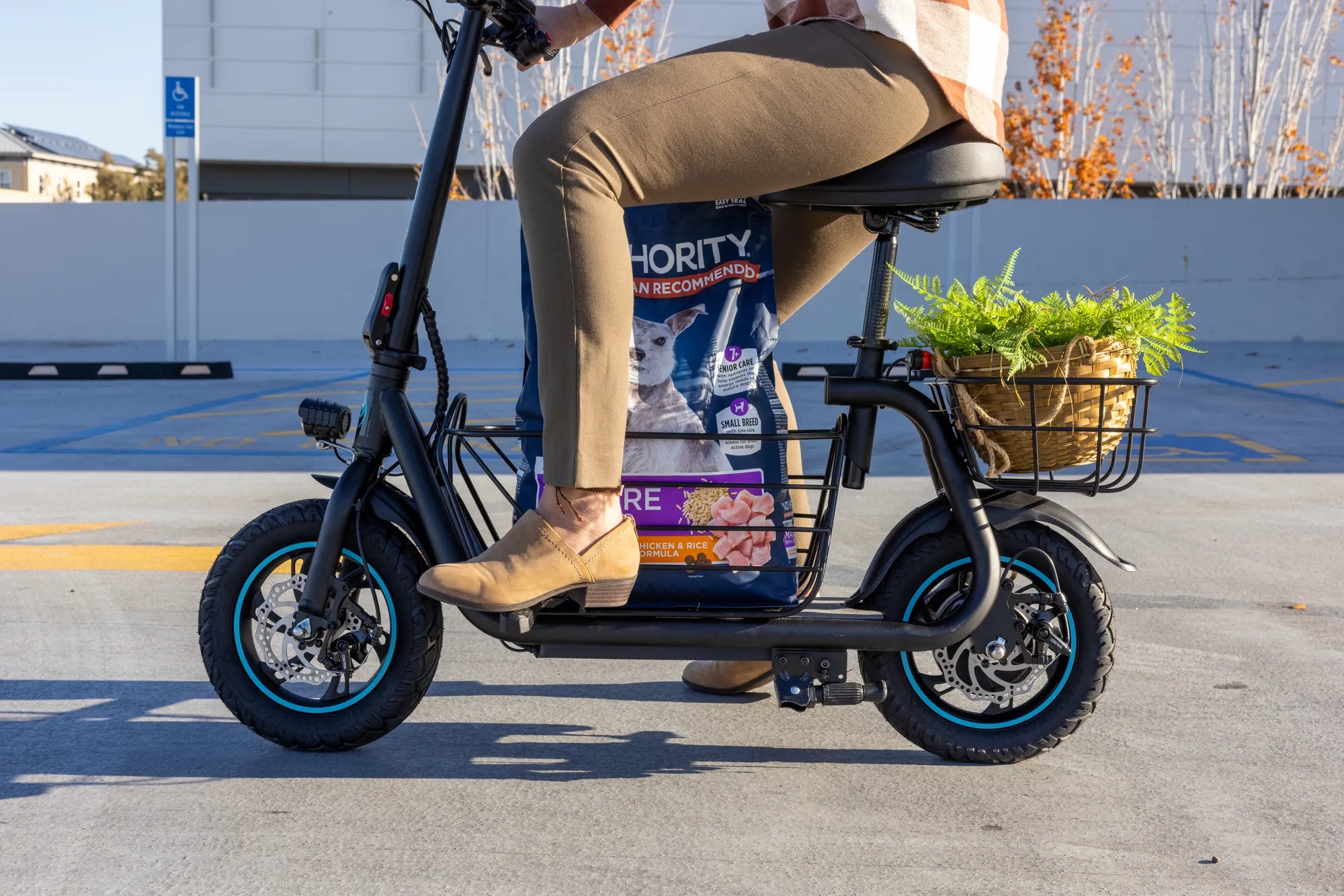
Introduction: Why Portland is an Electric Scooter Paradise
Portland, Oregon, stands as a model for sustainable urban transportation, making it an ideal environment for electric scooters. The city's extensive network of bike lanes, greenways, and progressive policies actively supports micro-mobility. For residents and visitors alike, electric scooters Portland Oregon offer a practical solution to navigate the city's vibrant neighborhoods, bypass traffic, and connect seamlessly with public transit.
This guide serves as your definitive resource. We will dissect local regulations, analyze the terrain to help you select the perfect scooter, map out premier routes, and provide essential safety and maintenance advice. Whether you're commuting from the Alberta Arts District or exploring the Waterfront, understanding the synergy between Portland's infrastructure and e-scooter technology is key to a superior riding experience.
Navigating Portland's E-Scooter Laws & Regulations
Operating an electric scooter in Portland requires adherence to specific city and state ordinances designed for safety and harmony on shared pathways. The foundational rule classifies e-scooters similarly to bicycles under Oregon law. Riders must follow the same traffic laws that apply to cyclists, including stopping at red lights and yielding to pedestrians.
Portland prohibits electric scooter riding on sidewalks in the Central City, defined roughly as the area west of the Willamette River, east of I-405, and south of NW Hoyt Street. Outside this zone, sidewalk riding is permitted only if no bike lane or roadway is available, and you must yield to all pedestrians. The city-wide speed limit for e-scooters is 15 mph, but you must reduce speed to a safe walking pace when on a sidewalk or in a crowded area.
Helmets are legally required for all riders under 16 years of age. For adults, while not mandated by law, wearing a helmet is strongly recommended and a critical safety practice. Parking regulations require scooters to be left upright in the furniture zone of the sidewalk (the area next to the curb) or in a designated bike rack, ensuring they do not block pedestrian access, building entrances, or ADA ramps.
Key Rules Every Rider Must Know
- Ride in the Street or Bike Lane: This is the primary and safest location for e-scooter travel. Use bike lanes whenever present.
- Sidewalk Restrictions: No riding on sidewalks in Portland's Central City. Elsewhere, ride at walking speed only if necessary and yield to all pedestrians.
- Speed Limit: Do not exceed 15 mph. Adjust your speed according to conditions, traffic, and pedestrian density.
- Helmet Use: Mandatory for riders under 16. Essential for all riders regardless of age.
- Parking Etiquette: Park upright in the furniture zone or at bike racks. Never block sidewalks, ramps, or building access points.
Choosing the Right Electric Scooter for Portland's Terrain
Portland's unique geography demands an electric scooter built for more than flat, dry paths. The city features notable inclines, especially in the West Hills, and receives an average of 43 inches of rain annually. Your scooter needs sufficient motor power for hills, reliable water resistance for drizzle, and durable tires for varied pavement conditions found on historic streets and newer bike paths.
A scooter with a motor under 350W may struggle on sustained grades. For reliable hill-climbing, look for continuous power ratings of 500W or higher, which provide the necessary torque. Dual-motor models offer maximum capability for steep inclines. Tire choice is also critical; larger, air-filled (pneumatic) tires provide better shock absorption and traction on wet bricks and uneven surfaces compared to small, solid tires.
Given the climate, a high water-resistance rating is non-negotiable. An IPX5 rating means the scooter can withstand water jets from any direction, making it suitable for riding in rain and through wet streets. This protection is vital for the longevity of the scooter's electrical components and battery. Brands like Gyroor prioritize this, integrating IPX5-rated designs to handle Portland's weather confidently.
Feature Spotlight: Conquering the Hills and Rain
Portland's hills, such as the climb from the Pearl District to the Oregon Health & Science University (OHSU), can have grades exceeding 10%. A scooter's hill-climbing ability is determined by motor wattage, torque, and the rider's weight. A 500W single-motor scooter can typically handle a 15-20% grade, while dual-motor setups can conquer steeper inclines with ease, making them ideal for hilly neighborhoods.
For rain, the IP (Ingress Protection) rating is your guide. The first digit (solid particle protection) is often omitted for scooters, while the second digit (liquid protection) is key. IPX4 offers protection against splashing water, but IPX5 is the recommended standard for regular use in wet conditions, as it certifies protection against sustained, low-pressure water jets. This ensures that rain and road spray won't compromise the scooter's vital systems.
Portland-Approved Scooter Comparison
| Model Type | Motor Power | Max Range | Key Features | Ideal Portland Rider |
|---|---|---|---|---|
| City Commuter | 350W Peak | 15-18 miles | IPX4, 8.5" Pneumatic Tires, Foldable | Flatland commuter, short trips, MAX line connector |
| Hill Master | Dual 500W (1000W Peak) | 25-30 miles | IPX5, 10" Pneumatic Tires, Dual Suspension | West Hills resident, power-focused rider, all-weather commuter |
| Long-Range Explorer | 600W Sustained | 40+ miles | IPX5, Large Battery, Dual Braking System | Delivery worker, extensive tourer, cross-city commuter |
Note: Ranges are estimates based on optimal conditions; real-world range is affected by rider weight, hills, temperature, and speed.
Top Routes & Destinations for Your Portland E-Scooter Adventure
Portland's infrastructure unlocks countless scenic and efficient routes for electric scooter users. The city's commitment to the "20-minute neighborhood" concept means many amenities are accessible via low-stress bikeways. Planning your route using the Portland Bureau of Transportation's bike map, which highlights greenways (low-traffic residential streets) and protected bike lanes, is highly recommended for a smooth ride.
Connecting your e-scooter trip with public transit amplifies your range. Electric scooters are permitted on MAX Light Rail and the Portland Streetcar at any time, providing a perfect solution for a "first and last mile" connection. This multimodal approach lets you live further out while maintaining an efficient, car-free commute to the city core or other job centers.
The Essential Commuter Corridors
For daily travel, several corridors stand out. The NE Going Street and NE Tillamook Street Greenways provide east-west crossings with minimal car traffic, perfect for commuting from neighborhoods like Alameda or Beaumont-Wilshire into the inner eastside. The SW Moody Avenue protected bike lane offers a safe, direct route from the South Waterfront into downtown, bypassing congested car traffic.
Another key route is the N Williams and N Vancouver Avenue bike lanes, which serve as a major north-south artery from the Rose Quarter to the Albina district. These lanes are well-marked and heavily used by cyclists, creating a predictable traffic flow for scooter riders. For a riverfront commute, the Eastbank Esplanade path provides a dedicated, car-free route with stunning views, connecting the Central Eastside to the Steel Bridge.
Weekend Exploration on Two Wheels
For leisure, electric scooters open up the city's parks and pathways. The Springwater Corridor is a crown jewel—a 21-mile multi-use path built on a former rail line. A scooter allows you to cover significant stretches, enjoying views of Oaks Bottom Wildlife Refuge and the Willamette River. Within the city, Washington Park offers a challenging but rewarding ride, with paths leading to the International Rose Test Garden and the Hoyt Arboretum.
A popular urban loop is to start in the Pearl District, cross the Steel Bridge using its dedicated lower deck pathway, head south on the Eastbank Esplanade, cross back over the Tilikum Crossing (the nation's first major bridge closed to private cars), and return north through the South Waterfront. This route encapsulates Portland's bridges, riverfront, and innovative transportation planning.
Safety, Etiquette, and Riding Tips for Portland Streets
Safe riding in Portland extends beyond knowing the laws; it involves understanding the shared culture of its streets. Portland has a high volume of cyclists, and as an e-scooter rider, you are part of that ecosystem. Communicate your intentions clearly using hand signals for turns and stops. Always pass cyclists and other scooters on the left, announcing yourself verbally with a friendly "On your left!" when it's safe to do so.
Be hyper-vigilant at intersections, especially where bike lanes merge or cross turning vehicle lanes—a common site for collisions. Make eye contact with drivers when possible. Assume you have not been seen. When riding in groups, ride single file to avoid blocking the bike lane. At night or in low-light conditions, which are frequent in Portland, using front and rear lights is not just wise—it's a legal requirement for bicycles and a critical safety must for scooters.
Gear Up: Beyond the Helmet
While a helmet is the most important piece of safety gear, other equipment enhances safety and comfort. For visibility, invest in a high-lumen front light (300+ lumens) and a solid rear red light, even if your scooter has built-in lights. Adding reflective tape to your scooter's deck or stem and wearing a reflective vest or ankle bands dramatically increases your visibility to drivers during Portland's long, gray winters and rainy evenings.
For practical comfort, waterproof gloves improve grip on wet handlebars and keep your hands warm. A lightweight, packable rain jacket is essential for unexpected showers. Finally, consider a sturdy U-lock or heavy-duty folding lock for securing your scooter during stops. While Portland is relatively bike-friendly, theft can occur, and a quality lock is a strong deterrent.
Maintenance & Support: Keeping Your Scooter Rolling in the Rain
Regular maintenance is crucial for reliability, especially in a damp climate. After riding in the rain, take a few minutes to wipe down your scooter with a dry cloth, focusing on the deck, stem, and brakes. This prevents moisture from accelerating corrosion on metal parts and electrical contacts. Periodically check the tire pressure on pneumatic tires; proper inflation ensures optimal range, traction, and puncture resistance.
Battery care is paramount. Avoid leaving your scooter's battery fully depleted for extended periods. Store the scooter and battery in a cool, dry place, ideally between 50-77°F (10-25°C). Even with an IPX5 rating, do not submerge the scooter or charge it immediately after a very wet ride; allow it to dry first. Regularly inspect the brakes for wear and ensure they engage smoothly and evenly.
Choosing a brand with robust customer support provides long-term peace of mind. Gyroor, for instance, offers a reliable 1-year warranty on its electric scooters and e-bikes, backed by UL-certified battery packs tested for over 500 charge cycles. This commitment to quality and safety, trusted by over 100,000 riders, means you have dedicated support to address any issues, ensuring your electric scooter Portland Oregon investment is protected.
FAQs: Electric Scooters in Portland, Oregon
Q: Can I bring my electric scooter on the MAX train or Streetcar?
A: Yes. Personal electric scooters are allowed on all MAX Light Rail lines and Portland Streetcars at any time of day. Be courteous: fold your scooter if possible, and do not block aisles or doors.
Q: Where can I legally park my e-scooter in downtown Portland?
A> Park in the "furniture zone" of the sidewalk (the area next to the curb with street furniture like lights and benches) or in a designated bicycle rack. Ensure the scooter is upright and does not obstruct the pedestrian path, building entrances, or ADA access ramps.
Q: Do I need a license or insurance to ride an electric scooter?
A: No. Oregon law does not require a driver's license, vehicle registration, or insurance to operate an electric scooter.
Q: How do I handle Portland's hills on an e-scooter?
A> Select a scooter with adequate motor power (500W+ continuous is recommended for regular hill use). Use a running start when approaching a steep hill, and maintain a steady throttle. If the scooter struggles, dismount and walk it—safety first.
Q: What should I do if my scooter is stolen in Portland?
A: File a police report with the Portland Police Bureau online or by phone. Having your scooter's serial number, photos, and receipt greatly aids recovery. Using a strong lock and never leaving your scooter unattended for long periods in high-risk areas are the best preventative measures.
Conclusion: Embrace Efficient, Eco-Friendly Mobility
Electric scooters represent a seamless fit for Portland's forward-thinking urban landscape. By understanding local regulations, selecting a scooter built for hills and rain, and practicing safe and courteous riding, you can unlock a new level of freedom and efficiency in the city. This mode of transportation reduces congestion, lowers your carbon footprint, and offers an unparalleled way to experience Portland's unique neighborhoods and natural beauty.
The key to a positive experience lies in preparation and the right equipment. Investing in a reliable, well-built scooter from a brand that stands behind its products with strong warranties and safety certifications is crucial for navigating Portland's specific challenges. With the knowledge from this guide, you're ready to join the community of riders who have made electric scooters Portland Oregon a cornerstone of their daily mobility. Ready to find your perfect ride? Browse the full Gyroor collection at gyroorboard.com to discover models designed for the demands of cities like Portland.
Shop Electric Scooters Under $250: Your Guide to Value & Safety
Will Electric Scooters Be Legal? Navigating the Future of Urban Mobility