


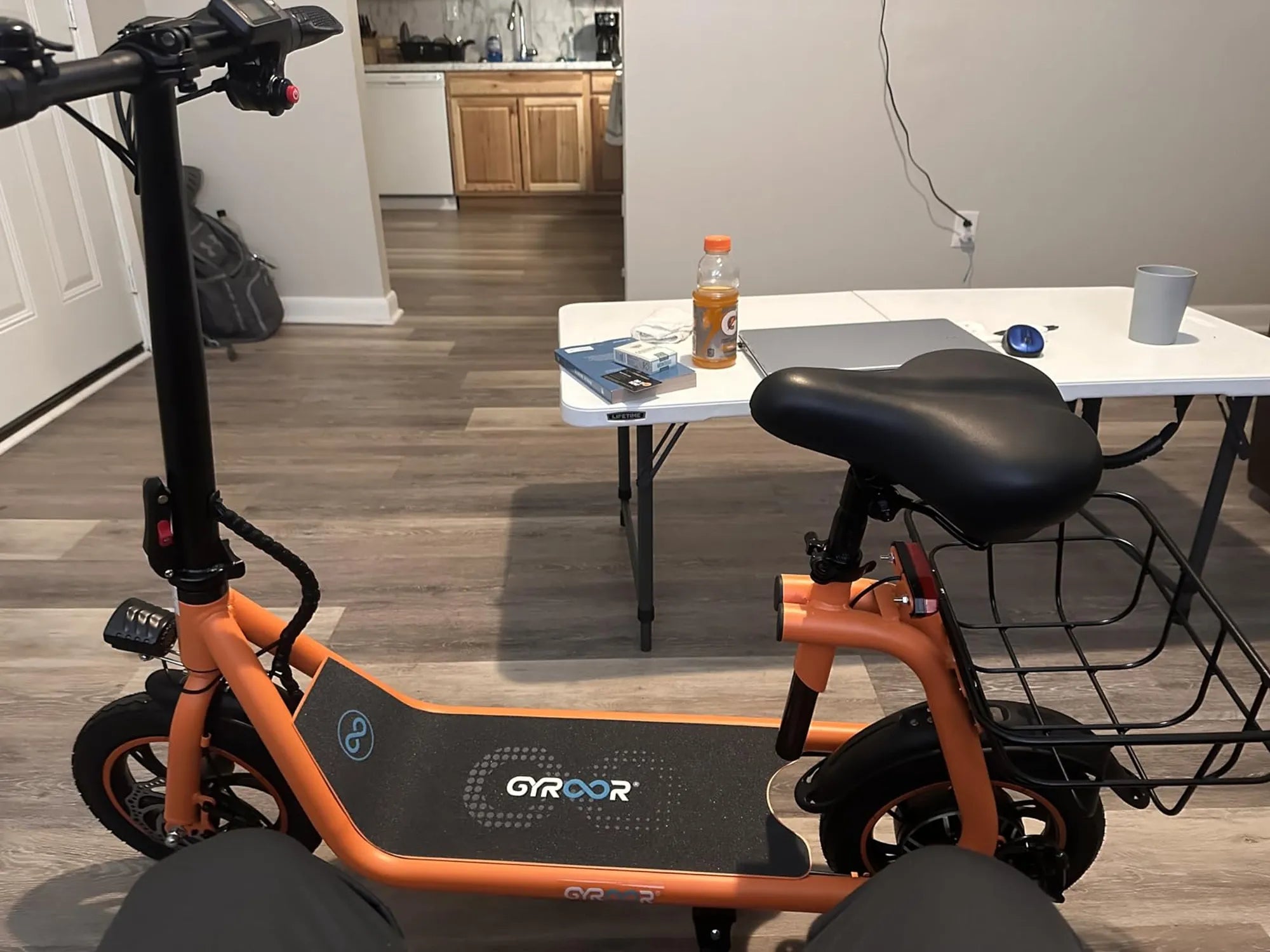
Navigating the Road to Safe E-Scooter Riding
Electric scooters offer an efficient, fun, and eco-friendly way to navigate cities, but their rapid adoption has brought safety into sharp focus. Understanding Electric Scooters Safety Concerns: What You Need to Know Before Riding is not about fear, but about empowerment. This guide moves beyond headlines to provide a factual, comprehensive framework for safe riding, addressing the shared responsibility between the rider, the manufacturer, and the urban environment. By the end, you'll have the knowledge to mitigate risks and enjoy the ride with confidence.
Understanding the Core Safety Concerns: Beyond the Headlines
Safety incidents typically stem from a combination of factors, not a single cause. We can categorize the primary electric scooters safety concerns into three interconnected areas: Rider Behavior, Vehicle Integrity, and Environmental Factors. A holistic approach to safety requires addressing all three. Ignoring any one pillar significantly increases risk.
Rider behavior is the most significant variable. Inexperience, distraction, and poor decision-making are leading contributors to accidents. Vehicle integrity covers the scooter's mechanical and electrical soundness—from its brakes to its battery. Environmental factors include road conditions, traffic density, and pedestrian interactions. A failure in any category can trigger a chain reaction.
The Human Factor: Rider Error and Preparedness
Many new riders underestimate the learning curve. An electric scooter is not a toy; it's a personal mobility vehicle capable of significant speeds. Jumping on without understanding the acceleration curve, braking distance, and balance points is a primary cause of falls. Distraction, particularly smartphone use while riding, dramatically reduces reaction time.
Riding under the influence of alcohol or drugs is exceptionally dangerous and illegal. Furthermore, carrying a passenger on a scooter designed for one person destabilizes the vehicle, overloads the motor and brakes, and is a major safety violation. Proper mindset—staying alert, sober, and focused—is the first and most critical layer of safety.
Machine Reliability: Assessing Your Scooter's Safety Features
Not all electric scooters are built to the same standards. Critical safety components must be reliable every time you ride. This includes dual braking systems (electronic and mechanical), durable tires with sufficient tread, bright lighting for visibility, and a robust frame. A scooter's design directly influences its stability and controllability in emergency situations.
Compromising on build quality for a lower price often means compromising on these essential safety features. This is why choosing a brand with a proven track record of engineering for safety is a non-negotiable part of the Electric Scooters Safety Concerns: What You Need to Know Before Riding equation. Your scooter is your primary safety system.
Pre-Ride Safety Protocol: Your Essential Checklist
Developing a consistent pre-ride routine transforms abstract safety concerns into concrete, preventative habits. This five-minute checklist should become as automatic as putting on a seatbelt. It ensures both you and your vehicle are prepared for the journey ahead, catching potential issues before they become hazards on the road.
Gear Up: The Non-Negotiable Protective Equipment
A certified helmet is mandatory. Data from the CDC and other safety boards consistently shows helmets reduce the risk of head injury by nearly 70%. For urban commuting, a quality bicycle or multi-impact helmet is the minimum. For higher-speed riding, consider a full-face or motorcycle-style helmet.
Additional gear significantly mitigates injury severity. Knee and elbow pads protect against common abrasions in a fall. Gloves improve grip and protect your hands. High-visibility clothing or reflective elements are crucial for being seen by drivers, especially at dawn, dusk, or night. Investing in gear is investing in your well-being.
The T-CLOCS Inspection: Borrowed from Motorcycles, Applied to Scooters
Adapt the motorcyclist's "T-CLOCS" check for your e-scooter. Tires & Wheels: Check pressure (for air-filled tires), look for cuts, wear, and ensure they spin freely. Controls: Test throttle response, squeeze brake levers to ensure they engage firmly and don't touch the handlebar, and check that the folding mechanism (if present) is securely locked.
Lights & Electrics: Verify the headlight, taillight, brake light, and any side reflectors are functioning. Chassis & Body: Look for cracks, loose bolts, or damage to the stem and deck. Ensure the kickstand retracts fully. Stand: Give the scooter a quick shake to check for unusual rattles or play. This systematic inspection takes seconds but is invaluable.
Riding Smart: Strategies for Navigating Urban Environments
Once you're geared up and your scooter is checked, the next layer of safety is intelligent riding technique. Urban landscapes are dynamic and unpredictable. Adopting defensive riding strategies—anticipating the actions of others and positioning yourself for maximum visibility and escape routes—is key to safe coexistence with traffic and pedestrians.
Mastering Control: Braking, Turning, and Hazard Avoidance
Practice smooth, progressive braking. Slamming on only the front brake can cause a forward pitch; using only the rear reduces stopping power. Learn to apply both brakes in harmony. For turning, lean your body into the turn while keeping a light grip on the handlebars—don't just twist them forcefully.
Constantly scan the path ahead 30-50 feet for hazards: potholes, wet metal surfaces (manhole covers, rail tracks), gravel, and debris. When you see a hazard, slow down early, keep the scooter upright as you cross it, and avoid sudden steering inputs. Mastering these fundamentals in a safe, empty parking lot is highly recommended.
Rules of the Road & Etiquette: Legal and Social Responsibility
Know and obey your local laws. These vary widely but commonly regulate where you can ride (bike lanes vs. roads vs. sidewalks), speed limits, age requirements, and helmet laws. Generally, ride in bike lanes where available. On roads, ride with traffic, not against it, and obey all traffic signals and signs.
Pedestrian etiquette is paramount. On shared paths, slow down, announce your presence politely with a bell or voice (“On your left!”), and pass with ample space. In crowded areas, dismount and walk. Your behavior shapes public perception of micro-mobility. Responsible riding helps ensure access for everyone.
Manufacturer's Role: How Brand Choice Impacts Safety
Your scooter's inherent safety is determined long before you step on it—in its design, engineering, and manufacturing. Choosing a brand committed to safety is one of the most consequential decisions a rider makes. It directly affects the reliability of critical systems and your long-term peace of mind, addressing core electric scooters safety concerns at the source.
The Safety Trinity: Battery Certification, Water Resistance, and Warranty
Three technical specifications are paramount for safety and durability. First, a UL-certified battery has passed rigorous independent testing for electrical, mechanical, and fire safety. Brands like Gyroor use these certified packs, which undergo 500+ charge cycle tests, drastically minimizing fire risk compared to uncertified alternatives.
Second, an IPX5 water-resistant rating means the scooter's electronics are protected against low-pressure water jets from any direction. This allows safe riding on wet roads or in light rain, preventing short circuits. Third, a comprehensive 1-year warranty with accessible support is a brand's commitment to standing behind its product's long-term reliability, ensuring you can get parts and service to maintain safety.
Performance Specs and Stability: Wheel Size, Suspension, and Brake Systems
Engineering choices define ride safety. Larger wheels (10-inch or more) and air-filled (pneumatic) tires provide better stability, absorb road vibrations, and handle bumps far better than small, solid tires. A suspension system (spring or hydraulic) further enhances control and comfort on uneven surfaces, keeping the tires in contact with the road.
A dual braking system is essential. A combination of an electronic (regenerative) brake and a physical brake (disc or drum) provides redundancy. If one system fails, the other can still stop the scooter. These are not just "features"; they are foundational safety technologies that define a scooter's capability and rider confidence.
Data-Driven Insights: What the Studies Say About E-Scooter Safety
Grounding the discussion in research provides clarity and authority. A 2021 study published in the journal "Injury Prevention" analyzing U.S. hospital data found that fractures, contusions, and abrasions were the most common e-scooter injuries, with about one-third involving the head. This underscores the non-negotiable need for a helmet.
The same research highlighted that a significant portion of injuries occurred during a rider's first few uses, emphasizing the need for acclimation. Data from city shared-scooter programs often cites sidewalk riding and nighttime riding without lights as key risk factors. These studies collectively point to education, gear, and responsible riding as the most effective countermeasures, not avoidance of the technology itself.
Comparing Scooter Types: A Safety and Use Case Perspective
Choosing the right scooter for your needs is a safety decision. A commuter battling potholes needs a different machine than someone cruising on smooth campus pathways. The table below compares key safety-related specifications across common scooter categories.
| Scooter Type / Use Case | Typical Wheel Size & Type | Suspension | Brake System | Ideal For | Safety Priority |
|---|---|---|---|---|---|
| Compact / Last-Mile | 8.5" Solid / Honeycomb | Often None | Electronic + Foot or Drum | Short, smooth trips; portability | Basic stability, simple controls |
| Commuter / Urban (e.g., Gyroor F1 Pro) | 10" Air-Filled Pneumatic | Front & Rear Spring | Dual Disc + Electronic | Daily commuting, varied surfaces | Stability on rough roads, reliable stopping power |
| Performance / Long-Range | 10"-11" Pneumatic | Advanced Hydraulic | Dual Hydraulic Disc | Longer distances, higher speeds | High-speed control, maximum braking performance |
| Off-Road / All-Terrain | 10"+ Chunky Pneumatic | Robust Dual Suspension | Powerful Disc Brakes | Trails, grass, gravel | Shock absorption, traction on loose surfaces |
As shown, for the typical urban commuter facing real-world road conditions, features like air-filled tires, suspension, and dual disc brakes—common in commuter-focused models from trusted brands—offer a significantly safer and more controlled ride than the most basic options.
Conclusion: Safety is a Feature You Can't Ignore
Addressing Electric Scooters Safety Concerns: What You Need to Know Before Riding boils down to a simple formula: a safety-minded rider plus a reliably engineered scooter plus adherence to road rules. The freedom of electric scooters is unlocked not by ignoring risks, but by proactively managing them through knowledge, preparation, and smart choices. Your safety is the ultimate feature—one that is built by the manufacturer and activated by you every time you ride.
Ready to ride with confidence? Start your journey with a brand that engineers safety into every model. Browse the full collection of UL-certified, IPX5 water-resistant electric scooters and e-bikes, backed by a 1-year warranty and trusted by over 100,000 riders, at gyroorboard.com.
Frequently Asked Questions (FAQ)
Q: Is it safe to ride an electric scooter in the rain?
A: Safety depends on your scooter's water resistance rating. Scooters with an IPX5 rating (like all Gyroor models) are protected against water jets from any direction, making them safe for wet roads and light rain. However, always reduce speed, avoid deep puddles, and never ride in heavy downpours or flooding, as traction is reduced and extreme water ingress can still cause damage.
Q: How often should I perform safety checks on my scooter?
A: Perform the quick T-CLOCS visual inspection before every ride. Conduct a more thorough maintenance check every 1-2 months or after 300 miles, whichever comes first. This should include checking bolt tightness, measuring brake pad wear, inspecting tire tread depth and for embedded debris, and ensuring all electrical connections are secure.
Q: Are electric scooter batteries a fire hazard?
A: The risk is extremely low with high-quality, certified batteries from reputable brands. The primary causes of battery incidents are physical damage, using incorrect chargers, or charging in extreme temperatures. Always use the manufacturer-provided charger, store and charge in a dry area away from flammable materials, and inspect the battery for damage. Brands that use UL-certified battery packs have subjected them to the highest safety standards.
Q: What's the single most important safety tip for new riders?
A> Wear a properly fitted helmet. Always. The second most important tip is to find a safe, empty area like a parking lot for your first 30-60 minutes of riding. Practice starting, stopping, turning, and using the brakes at low speed to build muscle memory and confidence before venturing into traffic or onto shared paths.
Q: Can I carry a passenger on my electric scooter?
A> No. Electric scooters are designed, engineered, and tested as single-rider vehicles. Adding a passenger overloads the frame, motor, and brakes, severely compromising stability, control, and stopping distance. It is dangerous, often illegal, and voids the manufacturer's warranty. Never carry a passenger.
Big Tyre Electric Scooters: The Ultimate Guide to Power and Performance
Big Tyre Electric Scooters: The Ultimate Guide to Power and Performance