



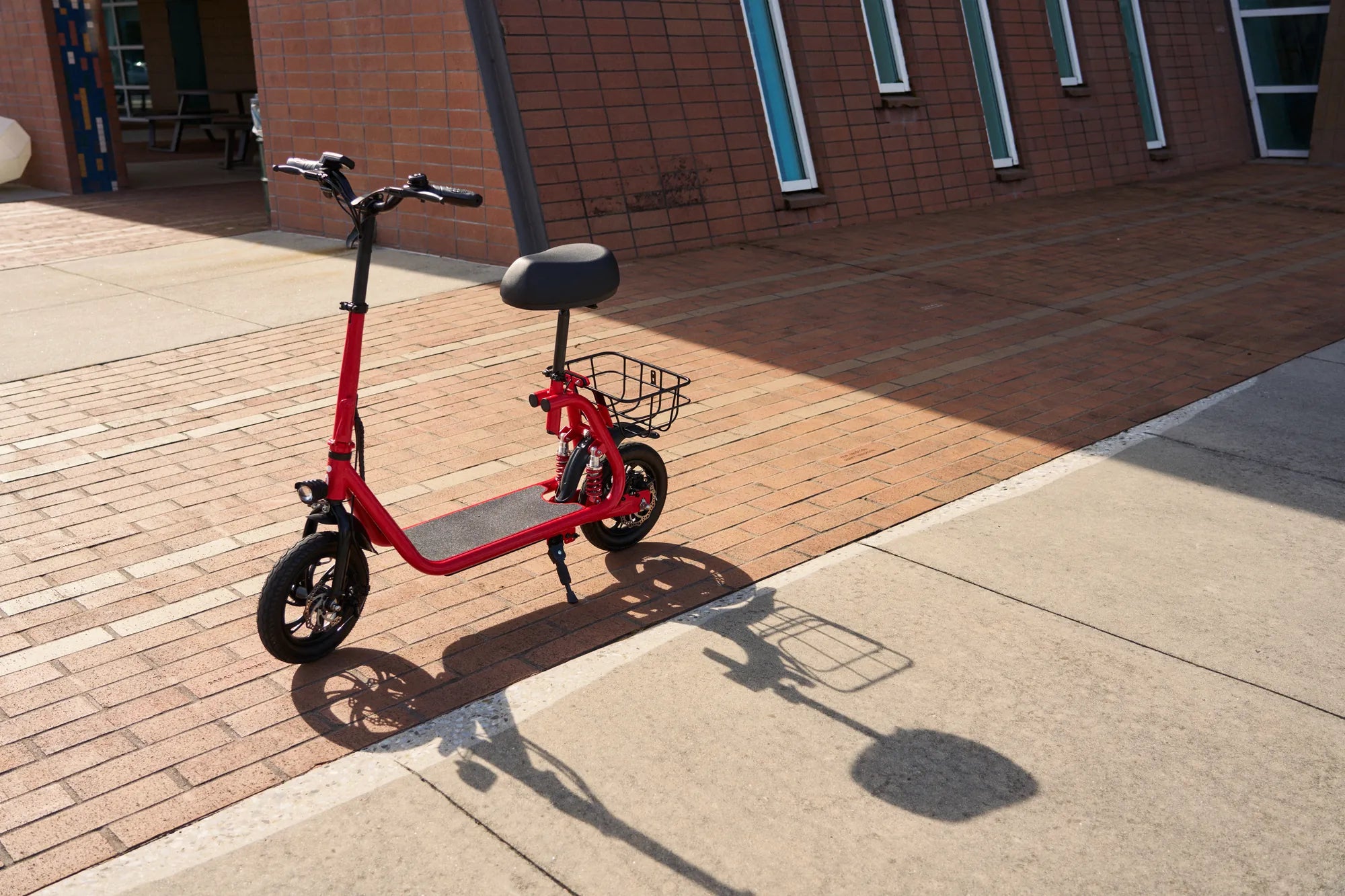
Electric scooters have taken cities by storm, offering a convenient, eco-friendly alternative to traditional transportation. Yet, their sudden proliferation has also ignited fierce debates. Are they the future of urban mobility or a public nuisance? Let’s dive into the electric scooter split and uncover the truth behind the controversy.
The Rise of Electric Scooters
Electric scooters emerged as a game-changer in urban transportation, providing a quick and affordable way to navigate crowded streets. Their compact design and zero emissions make them an attractive option for short commutes. Cities worldwide have seen a surge in scooter-sharing programs, with millions of riders embracing this new mode of transport.
The Benefits of Electric Scooters
Proponents argue that electric scooters offer numerous advantages:
- Eco-Friendly: They produce no emissions, reducing urban air pollution.
- Cost-Effective: Renting or owning a scooter is often cheaper than using a car or rideshare.
- Convenient: Scooters are ideal for last-mile connectivity, bridging gaps between public transit and destinations.
- Reduced Traffic: Their small size helps alleviate congestion in busy cities.
The Challenges and Controversies
Despite their benefits, electric scooters have faced significant backlash. Critics highlight several issues:
- Safety Concerns: Accidents involving scooters have risen, with riders and pedestrians at risk.
- Cluttered Sidewalks: Improperly parked scooters often block walkways, creating hazards.
- Regulatory Hurdles: Many cities struggle to create and enforce scooter laws.
- Public Nuisance: Noise complaints and reckless riding have fueled opposition.
The Polarized Public Opinion
The electric scooter split is evident in how communities react to their presence. Some cities have embraced them, integrating scooters into their transportation networks. Others have banned them outright, citing safety and disorder. This division reflects broader questions about innovation, regulation, and urban livability.
Finding Common Ground
Balancing the pros and cons of electric scooters requires collaboration. Cities, companies, and citizens must work together to address safety, parking, and regulation. Solutions like designated parking zones, speed limits, and rider education could help bridge the gap.
Love them or hate them, electric scooters are here to stay—but their future depends on how we navigate the split. Will cities find harmony, or will the divide grow wider? One thing’s certain: the conversation is far from over.
Where Do You Charge Electric Scooters: A Complete Guide to Powering Up
Is It Legal to Ride E Scooter on Sidewalk? What You Need to Know