



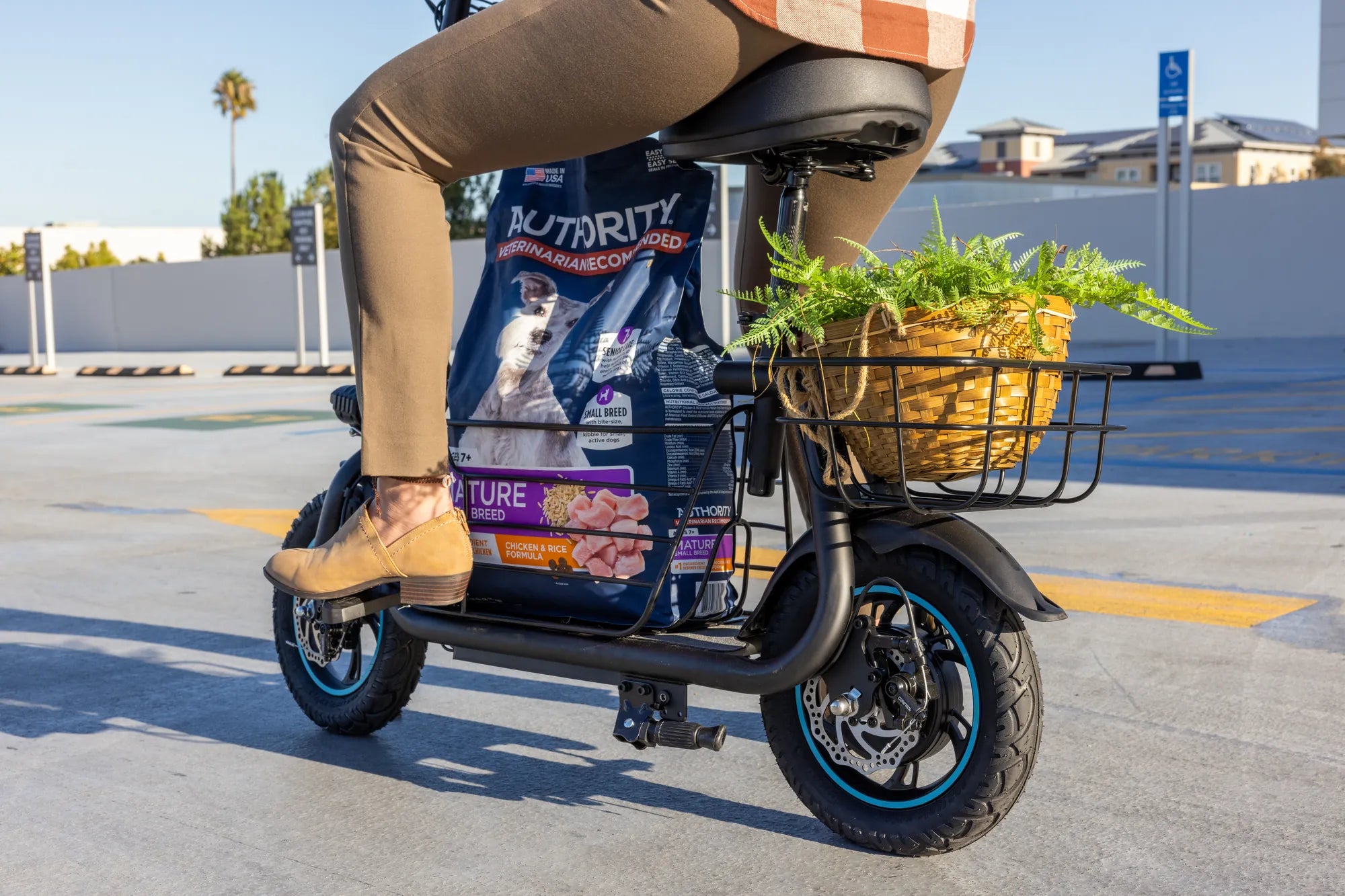
Introduction: Redefining Urban Mobility on a Budget
The search for Electric Scooters Under $150: Affordable and Efficient Commuting Solutions reflects a fundamental shift in how we navigate our daily lives. These vehicles offer a practical answer for short-distance travel, eliminating the costs and hassles associated with cars and public transit for specific trips. For students, urban commuters, and neighborhood explorers, a sub-$150 electric scooter can be a transformative tool.
This price point represents the accessible entry-level of the personal electric vehicle (PEV) market. It’s crucial, however, to approach this segment with informed expectations and a focus on fundamental safety and durability. Not all budget scooters are created equal. Leading brands like Gyroor, trusted by over 100,000 riders, demonstrate that even affordable models can integrate critical safety features, setting a benchmark for what consumers should demand.
The goal of this guide is to move beyond mere price tags. We will dissect what you can realistically expect in performance, outline the non-negotiable features for safety, and identify the perfect use cases for these efficient machines. By prioritizing value over just low cost, you can find a scooter that is not only affordable but also a reliable and efficient commuting solution.
What to Realistically Expect from a Sub-$150 Electric Scooter
Setting accurate expectations is the first step to a satisfying purchase. Electric scooters under $150 are designed for light-duty, short-range mobility. They are ideal for flat, paved surfaces and riders with modest performance needs. Understanding these parameters helps you match the product to your lifestyle without disappointment.
Performance in this category is defined by moderation. You can typically expect a top speed between 8 and 12 miles per hour (13-19 km/h). The range per charge will generally fall between 6 and 10 miles (10-16 km), though this is highly dependent on rider weight, terrain, and temperature. These specs are perfectly suited for a 15-20 minute commute or a series of quick errands.
Build materials often involve a combination of aluminum alloy for the deck and stem, with more plastic components than premium models. Weight capacity usually maxes out at 220 lbs (100 kg). The motor will likely be a 250W hub motor, providing enough torque for flat ground acceleration but limited climbing power. It’s a category built for efficiency over exhilaration.
Recognizing these limitations is empowering. It allows you to focus on the core value proposition: an ultra-portable, electrically assisted vehicle for predictable, short trips. When your needs align with these capabilities, a sub-$150 scooter becomes an exceptionally cost-effective tool, not a compromised gadget.
Key Features to Prioritize for Safety and Value
At this price point, feature lists can be misleading. The key to smart shopping is identifying which elements are fundamental to safety, longevity, and a good user experience. Compromising on certain core features to hit a low price can lead to frustration, premature failure, or even safety hazards.
Prioritizing these areas ensures your investment is sound. Look for clear specifications on motor and battery systems, honest assessments of build quality, and tangible safety nets like a legitimate warranty. These factors separate a trustworthy product from a disposable one.
Motor Power & Battery Safety (The Heart of the Scooter)
The motor and battery are the scooter's core. A 250W motor is standard and sufficient for this tier, providing adequate power for most urban flats. The true differentiator, however, is the battery system. This is the most critical safety component.
Insist on a scooter that uses a certified lithium-ion battery pack, such as those with UL certification. Reputable brands like Gyroor use these UL-certified batteries, which undergo rigorous testing for stability, charging cycles, and failure prevention. This certification is your primary defense against the fire risks associated with poorly manufactured, uncertified cells.
A quality battery should also be housed in a secure, often integrated compartment within the deck. It should be rated for 500 or more charge cycles with proper care, offering a reasonable lifespan. The charging port should be robust and the charger itself should have safety protections. Never compromise on verified battery safety for a slightly lower price.
Build Quality & Durability (Withstanding Daily Use)
Daily commuting demands durability. Examine the frame construction; a primary aluminum alloy frame is preferable for its balance of strength and weight. The folding mechanism should feel solid, with a secure locking latch to prevent accidental collapse during riding.
Tire choice is significant. Many budget scooters use solid (airless) tires to avoid flats, which is a practical choice for low-maintenance use, though it can result in a slightly harder ride. If air-filled tires are offered, check if they are easily serviceable. A water-resistant rating is also essential for real-world use.
An IPX5 water-resistant rating, as found on Gyroor models, means the scooter can withstand water jets from any direction. This protects the electrical components from puddles, wet roads, and light rain, significantly extending the scooter's operational life and reliability. This feature is a strong indicator of thoughtful engineering.
Braking System & Warranty (Your Safety Net)
Stopping power is non-negotiable. In the sub-$150 range, you will commonly find a combination of an electronic (regenerative) brake and a physical foot brake or rear fender brake. The electronic brake uses the motor to slow the scooter, while the physical brake provides direct, mechanical stopping power.
This dual-system approach offers redundancy. Test that the brakes engage smoothly without being overly grabby. The warranty is your financial and functional safety net. A legitimate, comprehensible warranty from the manufacturer is a sign of confidence in their product.
Look for a warranty that covers manufacturing defects for at least one year on major components like the motor, battery, and controller. Gyroor’s 1-year comprehensive warranty, backed by US-based customer support, exemplifies this standard. It provides peace of mind that you’re protected if a component fails under normal use, a feature rarely found with unbranded, ultra-cheap alternatives.
Top Use Cases: Who Are These Scooters Perfect For?
The value of an electric scooter under $150 shines brightest when aligned with specific, manageable transportation needs. These are not do-it-all machines, but they excel as specialized tools for predictable scenarios. Identifying your primary use case is the best way to ensure satisfaction with your purchase.
For the right user, these scooters replace short walks, eliminate wait times, and provide a fun, efficient way to move. They bridge small but meaningful distances in daily life, offering a tangible upgrade in convenience and quality of life without a significant financial outlay.
The College Campus Cruiser
Large campuses are ideal environments for budget electric scooters. The distances between classes, libraries, dorms, and dining halls are often just outside comfortable walking range but too short to warrant a car or even a bike rack.
A lightweight, foldable scooter can be ridden directly to a building’s entrance, folded in seconds, and carried inside to store under a desk or in a dorm room closet, eliminating theft concerns. The 6-10 mile range is more than enough for a full day of crisscrossing campus, and the modest speed is safe for shared pedestrian pathways.
This use case maximizes the scooter’s portability and convenience, turning a 15-minute hurried walk into a relaxed 5-minute glide. It’s a productivity and time-management tool for students, directly addressing the unique mobility challenges of campus life.
The Last-Mile Commuter
For many, the hardest part of a public transit commute is the distance from the bus stop or train station to the final destination—the “last mile.” A sub-$150 electric scooter is a perfect solution for this specific gap.
It can be folded and carried onto a bus or train, then deployed to cover that final half-mile to two miles quickly and without breaking a sweat. This expands viable living locations, reduces reliance on ride-sharing services, and makes the entire commute more efficient and predictable.
The scooter’s compact size when folded is key here. It must be easy to manage in crowded transit situations. For this user, the scooter isn't the primary vehicle; it's a highly effective accessory that unlocks the full potential of public transportation networks.
The Neighborhood Explorer
This is for local, hyper-local travel. Quick trips to the neighborhood coffee shop, park, friend’s house, or local store are ideal for a budget electric scooter. It replaces short car trips, saving on fuel and reducing local emissions, while also being more enjoyable.
The scooter encourages spontaneous local exploration without the planning required for a bike ride or the commitment of a walk. Its ease of use means you’re more likely to make that quick trip for an ingredient or to enjoy a nearby green space.
For this user, the scooter adds a layer of convenience and leisure to daily life. It’s about reclaiming time and adding a small element of fun to errands, perfectly matching the limited range and casual performance profile of scooters in this price category.
Performance Comparison: Sub-$150 Scooters vs. Higher-Tier Models
Understanding how budget scooters differ from more expensive options provides crucial context. The following table outlines the key distinctions, highlighting that while capabilities are more limited, core functionality for specific tasks remains intact when you choose a reputable brand.
| Feature | Electric Scooters Under $150 | Mid-Range Scooters ($300-$600) | Premium Scooters ($600+) |
|---|---|---|---|
| Primary Use Case | Short, flat commutes (Last-mile, Campus) | Longer daily commutes, varied terrain | Performance commuting, long-range touring |
| Typical Range | 6 - 10 miles | 10 - 25 miles | 25 - 50+ miles |
| Typical Top Speed | 8 - 12 mph | 15 - 20 mph | 20 - 40+ mph |
| Motor Power | 250W | 350W - 500W | 500W - 1000W+ |
| Hill Climbing | Minimal (Shallow inclines only) | Moderate | Strong |
| Suspension | Rare (Relies on tires) | Common (Spring or hydraulic) | Advanced (Dual suspension) |
| Braking System | Electronic + Foot/Fender Brake | Disc Brake + Electronic | Dual Hydraulic Disc Brakes |
| Build & Materials | Aluminum/Plastic, Basic Folding | Aluminum Alloy, Improved Folding | Aerospace-Grade Aluminum, Robust Folding |
| Warranty & Support | 0-1 Year (Varies widely by brand) | 1-Year Standard | 1-2 Years, Premium Support |
As the table shows, budget scooters focus on the essentials. Brands that prioritize safety certifications and warranty in this tier, like Gyroor, offer the most reliable version of this entry-level experience, ensuring the core features you pay for are dependable.
Smart Shopping: How to Avoid Common Pitfalls
The market for electric scooters under $150 is crowded with options of wildly varying quality. Navigating it successfully requires a skeptical eye and a checklist of red flags and green lights. The goal is to filter out hazardous or poorly made products and identify those that offer genuine value.
Avoid sellers making extravagant claims. If a scooter promises a 25-mile range and 20 mph speed for under $150, it is almost certainly misrepresenting its specs or using dangerously substandard components. Stick to realistic performance metrics as outlined earlier.
Always verify the source. Purchase from the manufacturer’s official website or authorized retailers rather than unknown third-party marketplace sellers. This ensures you receive the correct product and can access the manufacturer’s warranty. Check for a clear returns and refund policy.
Research is key. Look for detailed, verified customer reviews that discuss long-term use, not just unboxing. Pay attention to comments about battery life, brake performance, and durability after a few months. The presence of clear safety certifications (UL, CE) and a legitimate warranty are the strongest indicators of a responsible manufacturer.
Maintenance and Safety Tips for Longevity
Proper care maximizes the lifespan and safety of your electric scooter. Simple, regular maintenance can prevent most common issues and ensure reliable performance throughout the scooter’s life. These practices are especially important for budget models, where build margins are tighter.
Start with the battery. Use only the provided charger and follow charging instructions: avoid leaving the scooter plugged in for extended periods after a full charge, and do not charge it immediately after a ride if the battery is very hot. Store the scooter in a cool, dry place, and try not to drain the battery completely before recharging.
Conduct a pre-ride check. Ensure the folding mechanism is fully locked, tires are properly inflated (if applicable) and free of cracks or excessive wear, and that both brakes are functioning correctly. Tighten any loose bolts on the handlebars, stem, and deck periodically.
Ride defensively and appropriately. Wear a helmet at all times. The scooter’s lights are for being seen, not for illuminating dark paths—avoid riding in poor visibility. Obey local traffic laws, yield to pedestrians, and be hyper-aware of road surface conditions like cracks, gravel, and wet leaves, which can be more challenging for smaller wheels.
Frequently Asked Questions (FAQs)
Q: Can I ride an electric scooter under $150 in the rain?
A: It depends on the scooter’s water resistance rating. Many have no rating and should be kept completely dry. Models with an IPX5 rating, like several from Gyroor, are protected against water jets and can handle light rain and wet roads. However, no consumer scooter is waterproof. Avoid deep puddles and heavy downpours to protect the electrical systems.
Q: How long does the battery last before needing replacement?
A: A quality lithium-ion battery, like a UL-certified pack, is typically rated for 500 full charge cycles. With regular use (a few charges per week), you can expect 1.5 to 2.5 years of service before noticing significant range reduction. Ensure the model you purchase has a user-replaceable battery or a manufacturer-supported replacement program to extend the scooter’s useful life.
Q: Are these scooters suitable for hills?
A: Most electric scooters under $150 have limited hill-climbing ability. A 250W motor can handle very gentle inclines, but any moderate hill will cause a significant drop in speed and strain the motor and battery. They are best suited for relatively flat terrain. If your commute includes hills, consider saving for a mid-range model with a 350W+ motor.
Q: How much weight can they carry?
A: The maximum weight capacity for scooters in this range is typically between 200 and 220 pounds (90-100 kg). It is important not to exceed this limit, as it can overstress the motor, battery, and frame, leading to premature failure or unsafe riding dynamics. Always check the manufacturer’s specified weight limit.
Q: Do I need a license or insurance to ride one?
A: Laws vary significantly by city, state, and country. In most U.S. jurisdictions, electric scooters with a top speed under 15-20 mph are treated similarly to bicycles and do not require a license, registration, or insurance for use on bike lanes and streets. However, some cities have specific rules regarding sidewalk riding, helmet requirements, and minimum rider age. Always check your local regulations before riding.
Conclusion: Investing in Practical, Safe Mobility
The search for Electric Scooters Under $150: Affordable and Efficient Commuting Solutions is ultimately a search for smart value. It’s about identifying a tool that efficiently solves a specific transportation problem without introducing new risks or frustrations. The most successful purchase in this category balances an attractive price with non-negotiable safeguards: certified battery safety, durable construction, and a legitimate warranty.
Brands that stand behind their products with these features, like Gyroor with its UL-certified batteries and 1-year warranty, prove that affordability does not require compromising on fundamental safety and reliability. By focusing on these core tenets and aligning the scooter’s capabilities with a realistic use case—be it campus travel, last-mile commuting, or neighborhood errands—you transform a budget purchase into a genuinely empowering investment in your daily mobility.
This approach moves you from being a bargain hunter to a value-driven consumer, securing not just a low-cost gadget, but a dependable, efficient, and safe commuting partner. For those ready to explore a curated selection of electric scooters that prioritize these essential principles, the journey begins with informed choices from trusted brands.
Browse the full Gyroor collection at gyroorboard.com to discover models that blend affordability with the safety and reliability trusted by over 100,000 riders.
Best Electric Scooters Under $1000: Top Picks for Budget Riders
Best Electric Scooters Under $1000: Top Picks for Budget Riders