


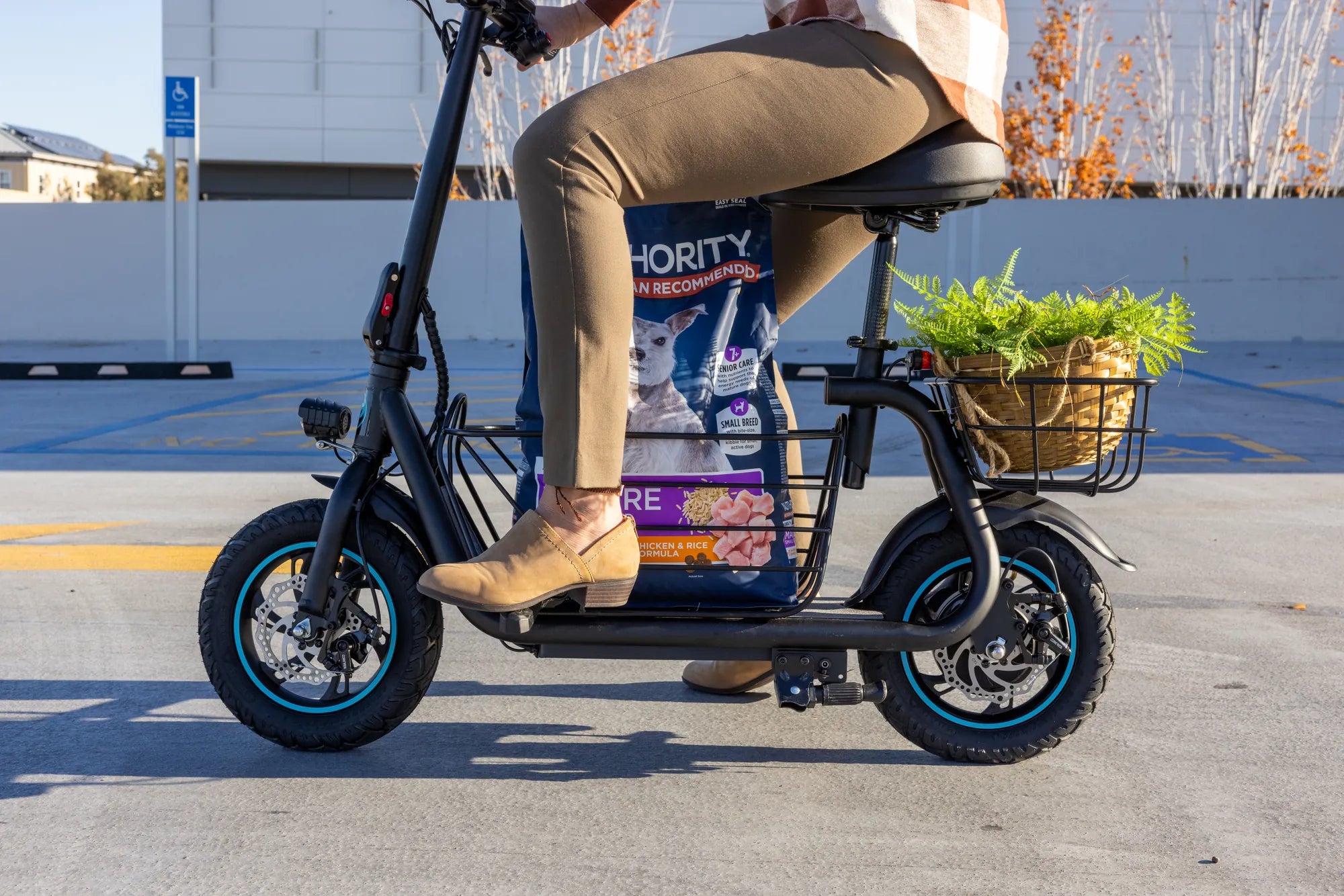
Redefining Urban Mobility on a Budget
Finding a reliable, safe electric vehicle for under $300 seems like a tall order, but it's now a reality. The market for electric scooters under $300: affordable, efficient, and fun commuting solutions has matured, offering legitimate alternatives to walking, driving, or public transit for short trips. This price point opens up micro-mobility to a much wider audience, from students to budget-conscious commuters.
Gone are the days when a sub-$300 scooter meant a flimsy toy with questionable safety. Reputable brands have engineered models that prioritize core functionality and essential safety. The key is knowing which features are non-negotiable and where manufacturers make sensible trade-offs to meet this accessible price point.
Brands like Gyroor have been instrumental in this shift. As a leading electric scooter and e-bike brand trusted by over 100,000 riders, Gyroor brings its commitment to UL-certified batteries and reliable warranties into the budget category. This proves that affordability does not require compromising on fundamental safety or support.
This guide will provide a data-driven look at what these scooters can do, how to choose a safe and durable model, and how to get the most out of your investment. The goal is to equip you with the knowledge to find a scooter that is truly a solution, not just a temporary gadget.
What to Realistically Expect from an Electric Scooter Under $300
Setting accurate expectations is crucial when shopping in this category. An electric scooter under $300 is an entry-level commuter vehicle designed for specific, practical use cases. It won't match the performance of a $1,000+ model, but it will effectively solve many common urban transportation needs.
The primary trade-offs are in top speed, maximum range, and premium features like advanced suspension or ultra-wide decks. Manufacturers focus the budget on a reliable motor, a safe battery, and a sturdy frame. You're paying for the core commuting experience, stripped of luxuries but built on a foundation of essential engineering.
You can expect a competent machine for flat to moderately inclined paved surfaces. It's perfect for last-mile connections, navigating college campuses, or quick trips to the grocery store. The value proposition is immense: for a one-time cost less than a few months of public transit passes or gas, you gain personal, on-demand mobility.
Understanding these parameters helps avoid disappointment. A budget scooter isn't for climbing steep hills or 20-mile joyrides. It's a pragmatic tool for efficient, short-distance travel, offering significant savings over time while reducing your carbon footprint for these trips.
Key Specifications Breakdown
Let's examine the typical performance envelope of a quality scooter in this range. These numbers form a benchmark; significant deviations, especially on the low end, can be a red flag.
- Motor Power: 250W to 300W is standard. This provides enough torque for a 165 lb rider to reach 15-18 mph on flat ground and tackle gentle inclines. A 300W motor, common in Gyroor's entry models, offers a good balance of power and efficiency.
- Max Speed: 15 to 18 mph (24 to 29 km/h). This is regulated for safety and is perfectly adequate for bike lanes and urban paths. It's fast enough to save time but slow enough to remain manageable for new riders.
- Range Per Charge: 10 to 15 miles (16 to 24 km) under ideal conditions. Real-world range is affected by rider weight, terrain, temperature, and speed. Expect 8-12 miles for a more accurate daily planning figure.
- Weight Capacity: 220 to 265 lbs (100 to 120 kg). Most models robustly support average adult weights. Always check the manufacturer's limit and stay well within it for safety and longevity.
- Charge Time: 4 to 6 hours. Fast charging is rare at this price. Planning overnight charging is the most practical approach for daily use.
Safety First: Non-Negotiable Features for Budget Riders
Affordability must never come at the expense of safety. When evaluating electric scooters under $300, certain features are absolute must-haves. Compromising on these can lead to premature failure or hazardous situations.
The braking system is paramount. Look for a combination brake, such as a rear disc brake paired with an electronic (E-ABS) or front regen brake. A single braking mechanism is insufficient for consistent, safe stops, especially at the scooter's top speed or on damp surfaces.
Lighting and visibility are critical for any commuter. The scooter must have a bright front headlight, a rear brake light, and reflective elements on the deck or wheels. Since many budget rides happen in early morning or evening, being seen is a fundamental safety requirement, not an optional extra.
The deck should have a clear, slip-resistant surface. The folding mechanism, if present, must lock securely with no play or wobble when engaged. A loose stem is a major safety hazard. Test this mechanism thoroughly upon receipt and periodically during ownership.
The Importance of UL-Certification and Water Resistance
The battery is the heart and most critical safety component. A UL-certified battery pack, like those used in all Gyroor models, has undergone rigorous independent testing for electrical, mechanical, and fire safety. It ensures protection against overcharging, short-circuiting, and thermal runaway—preventing potential fire hazards.
Uncertified, generic battery packs are a common cost-cutting measure in low-quality products and pose a significant risk. Investing in a scooter with a certified battery is investing in peace of mind and long-term reliability for your home and your ride.
Water resistance is equally vital for a daily commuter. An IPX5 rating means the scooter can withstand water jets from any direction. In practical terms, this protects the electrical components from rain, road spray, and accidental puddle splashes. It dramatically increases the scooter's durability and all-weather usability.
A scooter without a clear IP rating (IPX4 or higher is recommended) is highly vulnerable to moisture damage. This can lead to sudden failure, corrosion, and expensive repairs. For a vehicle used outdoors, robust water resistance is a key feature that extends its operational life.
Maximizing Your Investment: Tips for Performance and Longevity
How you use and care for your scooter directly impacts its performance and lifespan. Proper maintenance is simple but makes a tremendous difference, ensuring your affordable scooter remains a reliable asset for years.
Battery care is the most important practice. Avoid draining the battery to 0% regularly; try to recharge when it drops to 20-30%. Don't leave the scooter plugged in for days on end after a full charge. Store it in a cool, dry place, and avoid exposing it to extreme heat or cold for prolonged periods, as this degrades battery health.
Tire maintenance is often overlooked. For scooters with air-filled (pneumatic) tires, check the pressure every two weeks. Properly inflated tires (to the PSI listed on the tire wall) reduce rolling resistance, improving range and making the ride smoother. They also prevent pinch flats and wear. For solid tires, regularly inspect them for excessive wear or cracks.
Riding technique affects range. Smooth, gradual acceleration is more efficient than jolting starts. Maintaining a steady speed uses less energy than frequent speeding up and slowing down. When possible, use the scooter's lower speed settings for maximum range. Distributing your weight centrally on the deck also helps with stability and motor efficiency.
Understanding the Warranty and Support Lifeline
A strong warranty transforms a purchase from a gamble into a secure investment. It's a direct reflection of the manufacturer's confidence in their product. A comprehensive 1-year warranty, like Gyroor's, should cover the motor, battery, controller, and frame against manufacturing defects.
Pay close attention to the battery warranty specifically. Some brands offer a separate, pro-rated warranty for the battery. A full 1-year battery warranty is a strong indicator of quality. Always register your product to activate the warranty upon purchase.
The quality of customer support is part of the product's value. Access to US-based or responsive support teams, detailed online manuals, and available spare parts (like inner tubes or brake pads) are signs of a company committed to the product's lifecycle. This support is your lifeline if any issues arise.
Before buying, research the brand's reputation for honoring warranties. A low upfront price means little if you're left with an unusable scooter and no recourse after a month. A reputable brand stands behind its products, ensuring your affordable, efficient, and fun commuting solution remains exactly that.
Top Use Cases: Who Are These Scooters Perfect For?
The versatility of a sub-$300 electric scooter makes it an ideal fit for several distinct user profiles. Its value shines in specific, repetitive scenarios where cost, convenience, and efficiency intersect.
Last-Mile Commuters: For those who take a train or bus but have a 1-3 mile gap between the station and their final destination. Carrying a compact, 30-40 lb scooter on transit is easy, and it eliminates wait times and walking for that final leg, turning a tedious walk into a quick, enjoyable glide.
College Campus Dwellers: Navigating large campuses between classes, libraries, and dorms is a perfect application. The scooter's speed matches campus limits, its range covers daily loops, and its cost is accessible for students. It saves time and energy across a sprawling university grounds.
Urban Errand Runners: Residents in dense neighborhoods can replace short car trips for groceries, coffee, or visiting friends within a 2-3 mile radius. It avoids parking hassles and fuel costs, making quick trips truly convenient and economical.
Recreational Riders in Flat Areas: For leisurely rides on bike paths, boardwalks, or parks with paved trails, these scooters provide effortless fun. They are excellent for families or individuals looking for a low-impact way to explore their local area without the physical exertion of a kick scooter or bicycle.
Making the Smart Choice: A Buyer's Checklist
Use this actionable checklist when comparing models. If a scooter misses more than one of these key points, especially the safety-related ones, consider it a red flag.
- UL-Certified Battery: Confirm the battery pack is UL 2271 or UL 2843 certified. This is non-negotiable for safety.
- Comprehensive Warranty: Seek a minimum 1-year warranty covering major components, with clear support contact information.
- Water Resistance Rating: Ensure an IPX4 rating or higher (IPX5 is ideal) for all-weather durability.
- Realistic Range: Compare the advertised range to user reviews. Expect real-world mileage to be 20-30% lower than the ideal test condition figure.
- Brand Reputation & Reviews: Research the brand's history and read verified customer reviews. A track record like Gyroor's with over 100,000 riders provides proven trust.
- Braking System: Dual braking (e.g., disc + electronic) is strongly preferred over a single brake for reliable stopping power.
- Weight Capacity: Must exceed your body weight by a comfortable margin to ensure durability.
Feature Comparison: Budget Scooter Considerations
The table below contrasts typical features you might find in a generic, low-quality scooter versus a well-engineered budget model from a reputable brand. The differences highlight where quality brands invest to ensure safety and longevity.
| Feature | Generic / Low-Quality Model | Well-Engineered Budget Model (e.g., Gyroor) |
|---|---|---|
| Battery Certification | Uncertified, generic cell pack | UL-Certified battery pack (500+ cycle tested) |
| Water Resistance | No rating or vague claim | IPX5 rated for rain & splash protection |
| Braking System | Single, often weak, brake | Dual braking (disc + electronic) |
| Warranty & Support | 90 days or less, difficult contact | 1-year comprehensive, accessible support |
| Frame & Build | Thin materials, wobbly folding mechanism | Reinforced aluminum, secure locking latch |
| Real-World Range | Often under 7 miles | Consistent 10-12 mile commutes |
Frequently Asked Questions (FAQ)
Q1: Are electric scooters under $300 actually safe to ride?
A: Yes, when you choose a model from a reputable brand that prioritizes core safety features. The key is to insist on a UL-certified battery, a reliable dual braking system, and adequate lighting. Brands that cut corners on these to hit a low price point should be avoided.
Q2: How far can I really go on a single charge?
A> For most quality models in this range, plan for 8 to 12 miles of real-world range. This accounts for variables like rider weight, slight hills, and stop-and-go riding. The advertised "max" range of 15+ miles is achieved under perfect laboratory conditions with a very light rider on a perfectly flat track.
Q3: Can these scooters handle hills?
A> They can handle gentle inclines, but steep hills will significantly reduce speed and drain the battery quickly. A 250W-300W motor is designed for flat to moderately rolling urban terrain. If your commute has serious hills, you may need to consider a more powerful (and expensive) model.
Q4: Do I need a license or insurance to ride one?
A> Laws vary by city, state, and country. In most US jurisdictions, for scooters with a top speed under 20 mph, you do not need a driver's license, registration, or insurance. However, you must follow local rules regarding where you can ride (bike lanes vs. sidewalks) and helmet laws, which often apply to all riders.
Q5: What is the most important maintenance task?
A> Regular battery care is paramount. Avoid full discharges and extreme temperature storage. Secondly, for pneumatic tires, maintaining proper tire pressure is the simplest way to preserve range, ensure a smooth ride, and prevent flats. A quick check every two weeks is all it takes.
Affordable Freedom, Without Compromise
The landscape of personal mobility has fundamentally changed. A reliable, safe, and efficient commute is no longer a luxury reserved for those with large budgets. By focusing on certified safety, realistic performance expectations, and brand integrity, you can find an electric scooter under $300 that serves as a genuine transportation solution.
These scooters democratize urban movement, offering a tangible alternative that saves time, money, and reduces environmental impact for short trips. The joy of a breeze-on-your-face commute, the convenience of bypassing traffic, and the savings over other transport modes are all within reach.
The key is informed selection. Prioritize the safety fundamentals that brands like Gyroor have made standard—UL-certification, water resistance, and robust warranties. This approach ensures your investment is protected and your rides are secure, making your chosen scooter a source of freedom, not frustration.
Ready to explore models that blend affordability with proven reliability and safety? Browse the full Gyroor collection at gyroorboard.com to find your perfect affordable, efficient, and fun commuting solution.
Electric Scooters for Adults Under $300: Affordable and Efficient Commuting Solutions
Affordable Electric Scooters: The Smart Commuter's Guide to Saving Money