



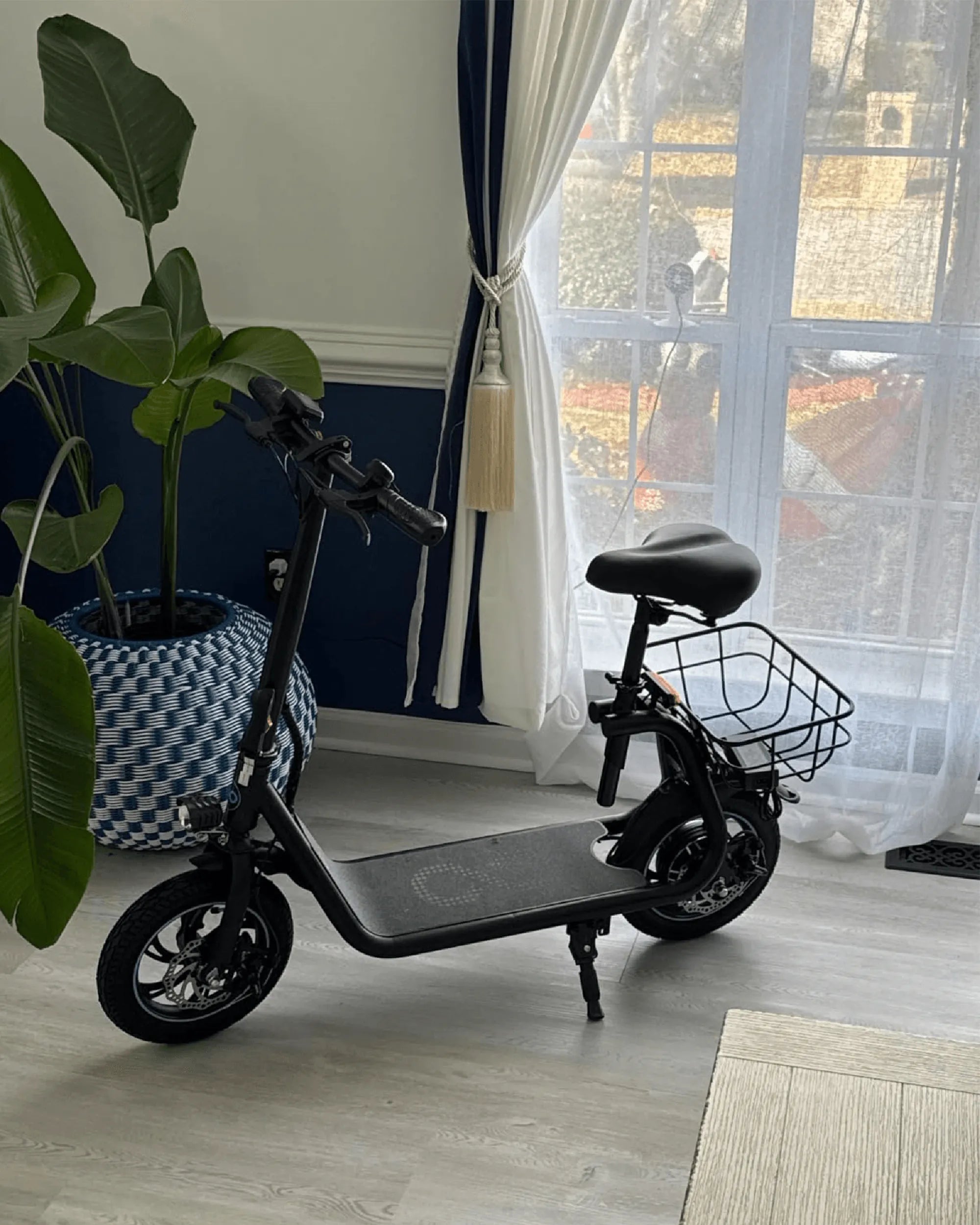
Introduction: Redefining Urban Mobility on a Budget
The search for an efficient, cost-effective, and environmentally conscious commute is driving a transportation revolution. For students, urban dwellers, and first-time buyers, electric scooters under $400 have emerged as a compelling solution, proving that smart commuting doesn't require a premium investment. This price point opens the door to a new wave of riders, offering a practical alternative to public transit, rideshares, and short car trips.
Navigating this market requires understanding the balance between cost and capability. While you won't find the extreme speed or range of high-end models, today's best budget scooters deliver reliable performance for daily errands, campus travel, and last-mile connections. The key is identifying models that prioritize essential safety and durability features without cutting critical corners.
This guide will demystify the market for electric scooters under $400. We'll explore realistic performance expectations, highlight the non-negotiable safety features you must look for, and provide practical advice for choosing, maintaining, and maximizing your investment. Brands like Gyroor have proven that by focusing on core engineering and certified safety, a sub-$400 scooter can be a dependable, long-term commuting partner.
What to Expect from an Electric Scooter Under $400
Setting realistic expectations is crucial when entering the affordable electric scooter market. In this segment, engineering focuses on delivering core commuting functionality reliably. You are investing in a tool designed for specific, common-use cases rather than a high-performance recreational vehicle.
Typical performance parameters for quality electric scooters under $400 include a top speed between 15-19 mph and a real-world range of 10-18 miles on a single charge. This covers most short-to-medium urban commutes, round trips to local destinations, and campus navigation. The motor power usually ranges from 250W to 350W, sufficient for flat terrain and moderate inclines.
Build quality centers on portability and durability. Expect a folding aluminum frame weighing between 25-35 lbs, making it manageable to carry for short distances. Features often include essential LED lighting, a basic digital display for speed and battery level, and either solid or air-filled tires. The focus is on simplicity and reliability over luxury add-ons.
The true value proposition is unlocking efficient, emission-free personal transport. For the price of a few months of public transit passes or fuel, you gain a flexible, on-demand vehicle. It's an entry point into micro-mobility that emphasizes practicality and daily utility above all else.
Key Features That Matter Most
Even on a budget, certain features are non-negotiable for safety and longevity. Prioritizing these elements separates a reliable daily rider from a disposable gadget.
Battery Safety and Certification: This is paramount. Insist on a UL-certified lithium-ion battery pack. This independent certification verifies the battery has passed rigorous tests for electrical, mechanical, and environmental safety, drastically reducing risks of fire or failure. It's the single most important spec for peace of mind.
Water Resistance Rating: Urban commuting means encountering puddles and light rain. A rating of IPX5 or higher indicates the scooter can withstand water jets from any direction, protecting its electrical components. This is essential for real-world usability and durability, preventing costly water damage from everyday conditions.
Braking System: Reliable stopping power is critical. Look for a combination of braking systems, such as a disc brake paired with an electronic or rear fender brake. A single, inadequate braking mechanism is a significant safety compromise, especially at the scooter's maximum speed.
Motor Power and Control: A 250W motor is the functional minimum; 350W provides noticeably better acceleration and hill-climbing ability. Ensure the scooter offers multiple speed modes (e.g., beginner, eco, sport) to match your skill level and conserve battery when full power isn't needed.
Understanding the Trade-Offs: Range, Speed, and Build
Choosing an electric scooter under $400 involves accepting specific trade-offs compared to premium models. Understanding these helps align your purchase with actual needs.
| Feature | Under $400 Category | Premium Models ($600+) |
|---|---|---|
| Max Real-World Range | 10 - 18 miles | 20 - 40+ miles |
| Top Speed | 15 - 19 mph | 20 - 30+ mph |
| Motor Power | 250W - 350W | 500W - 1000W+ |
| Suspension System | Basic or none (reliant on tires) | Front/Rear dual spring or hydraulic |
| Weight Limit | 220 - 265 lbs | 265 - 330 lbs |
| Primary Build Material | Aluminum alloy frame | Reinforced aluminum/aerospace-grade alloy |
| Display & Connectivity | Basic LED/LCD display | Full-color displays, Bluetooth app integration |
The table illustrates the conscious engineering focus. Budget models excel at covering shorter distances at moderate speeds with a lighter, more portable frame. They forego long-range batteries, high-speed motors, and plush suspension to hit a price point. For many urban commutes, the under-$400 specs are not just adequate but ideal, offering a lighter, more manageable vehicle for frequent carrying and storage.
Top Considerations Before You Buy
Your ideal electric scooter depends heavily on your personal use case. Moving beyond specifications, consider these practical aspects of daily life with your scooter.
Commute Distance and Terrain: Map your most frequent routes. If your round trip is under 10 miles with relatively flat terrain, a budget scooter is perfect. For longer distances or hilly areas, prioritize the higher end of the motor power (350W) and range spectrum within the category. Remember, advertised range is under ideal conditions; factor in a 15-20% reduction for real-world variables like rider weight, hills, and stops.
Portability and Storage: How often will you need to carry or store it? A 30-lb scooter is manageable for a flight of stairs; a 35-lb one becomes cumbersome. Check the folded dimensions to ensure it fits under your desk, in a closet, or in a car trunk. A quick-folding mechanism is a valuable quality-of-life feature for multimodal commuters.
Local Laws and Regulations: Jurisdictions vary widely. Common regulations include a minimum rider age (often 16+), prohibitions on sidewalk riding, mandatory helmet laws, and maximum speed limits for electric scooters on bike paths or roads. Research your local laws before purchasing to ensure your scooter is compliant and you ride legally.
Rider Weight and Payload: Always check the manufacturer's maximum weight limit. Exceeding it stresses the frame, motor, and battery, reducing performance, range, and safety. If you plan to carry a backpack or messenger bag regularly, include that weight in your calculation against the scooter's limit.
Safety First: Navigating Certifications and Ratings
Safety should never be a budget compromise. Understanding key certifications helps you identify a responsibly manufactured product.
The UL 2272 certification for the battery system is the gold standard. It involves a battery of tests including overcharge, short circuit, crush, drop, and immersion. A scooter with this certification has undergone independent scrutiny, ensuring the most critical—and potentially hazardous—component is built to stringent safety protocols. It is a primary differentiator for trusted brands.
Ingress Protection (IP) ratings define environmental sealing. The first digit (solid particle protection) is often omitted for scooters (marked 'X'). The second digit (liquid protection) is crucial. IPX4 means protection from splashing water from any direction, suitable for light rain. IPX5, as found on Gyroor models, is a significant step up, guaranteeing protection against sustained water jets, making the scooter resilient in heavier rain and against street spray.
Beyond certifications, inspect the scooter's physical safety features. Bright front and rear lights are essential for visibility. Reflectors on the sides and wheels increase nighttime safety. A wide, stable deck with a non-slip surface provides secure footing. These practical elements work in concert with electronic certifications for comprehensive rider protection.
Why Gyroor Stands Out in the Affordable Segment
In a market segment with varying quality, Gyroor establishes trust by applying principles from higher-end engineering to its affordable models. The brand's approach demonstrates that key reliability features are not exclusive to premium price tags.
Gyroor's commitment starts with safety fundamentals. Every model incorporates UL-certified battery packs, a critical investment in rider safety and product longevity that many budget competitors overlook. This is paired with a consistent IPX5 water resistance rating, ensuring the scooter is built for real-world urban environments, not just fair-weather use.
The brand leverages its experience across a broad product lineup to optimize value. This includes using reliable brushless hub motors known for efficiency and low maintenance, implementing robust folding mechanisms for daily use, and designing frames that balance weight and strength. The result is a product that feels thoughtfully engineered, not minimally spec'd.
With a customer base of over 100,000 riders and a 4.5/5 average rating, Gyroor's reputation is built on delivering consistent performance. This track record, combined with clear communication of features like the 1-year warranty and US-based customer support, provides a level of post-purchase security that is rare in the under-$400 category, transforming a purchase from a gamble into a confident investment.
The True Cost of Ownership: Warranty and Support
The sticker price is only the initial investment. The true cost of ownership includes maintenance, potential repairs, and product lifespan. A robust warranty and accessible support are financial safeguards that define long-term value.
A comprehensive 1-year warranty, like Gyroor's, typically covers the frame, motor, battery, and electronic controller against manufacturing defects. This is vital because it protects you from bearing the cost of a major component failure within the first year of normal use. Always read the warranty terms to understand what is included and the process for claims.
Accessible customer support is equally important. The ability to get timely help with assembly, troubleshooting, or part identification saves immense frustration. Brands that invest in knowledgeable support teams and maintain clear parts inventories demonstrate a commitment to the product's entire lifecycle, not just the initial sale.
Consider the availability of replacement parts like tires, inner tubes, brake pads, and chargers. A scooter from a reputable brand with an established presence will have these parts available for purchase, extending the vehicle's usable life for years. A scooter from an anonymous seller may become a paperweight once a single proprietary part fails.
Maximizing Your Scooter's Performance and Lifespan
Proper care and maintenance directly impact your scooter's reliability, range, and longevity. These practices are especially important for maximizing the value of a budget-friendly model.
Battery Care Best Practices: Lithium-ion batteries degrade with time and use, but you can slow the process. Avoid regularly draining the battery to 0%. Try to recharge when it drops to 20-30%. Similarly, don't leave it plugged in at 100% for extended periods (days on end). Store the scooter in a cool, dry place, and avoid exposing it to extreme heat or cold for prolonged periods, as temperature extremes accelerate battery wear.
Tire Maintenance: For scooters with air-filled (pneumatic) tires, check tire pressure weekly with a gauge. Properly inflated tires (to the PSI listed on the tire sidewall) improve range, provide better shock absorption, and prevent pinch flats. For solid tires, regularly inspect them for excessive wear, cuts, or embedded debris that could affect traction.
Cleaning and Storage: Leverage your scooter's water resistance correctly. Use a damp cloth to wipe down the deck, stem, and wheels. Avoid high-pressure hoses, which can force water past seals. For storage, keep the scooter in a dry environment. If storing for more than a month, charge the battery to approximately 60% first to minimize stress on the cells during inactivity.
Pre-Ride Checks: Develop a quick safety habit. Before each ride, check that the folding mechanism is fully locked, test the brakes, ensure tires are properly inflated, and verify that front and rear lights are functioning. A 30-second inspection can prevent accidents and identify minor issues before they become major problems.
Frequently Asked Questions (FAQ)
Q: Are electric scooters under $400 safe for daily commuting?
A: Yes, when they include essential safety features. Key indicators of a safe daily commuter are a UL-certified battery, a reliable braking system (preferably dual brakes), adequate lighting, and a water resistance rating of at least IPX4, with IPX5 being ideal for all-weather readiness. Brands like Gyroor that prioritize these features in their affordable models make daily commuting a safe, viable option.
Q: How far can I realistically travel on a single charge with a budget scooter?
A> Real-world range is typically 70-80% of the advertised maximum. For a scooter advertised at 15 miles, plan for 10-12 miles under normal conditions (average speed, flat terrain, average rider weight). Factors like hills, headwinds, colder temperatures, and higher rider weight will reduce this further. For a reliable daily commute, choose a scooter whose real-world range exceeds your round-trip distance by 3-4 miles.
Q: Can these scooters handle hills or wet pavement?
A> Handling depends on motor power and traction. A 350W motor can manage moderate hills (grades of 10-15%) at a reduced speed. Steeper hills may require occasional kicking assist. On wet pavement, traction is the main concern. Solid tires can be slippery; pneumatic tires offer better grip. Regardless, always reduce speed, avoid sharp turns, and brake gently and early on wet surfaces. The IPX5 rating protects the scooter's electronics from water damage but does not guarantee tire traction.
Q: What does a UL-certified battery mean for me as a rider?
A> It means the battery pack has been independently tested and certified to meet rigorous safety standards, significantly reducing the risk of fire, explosion, or electrical failure due to design or manufacturing flaws. It provides critical peace of mind, knowing the most energy-dense component in your scooter is not a safety liability, especially important for scooters stored or charged indoors.
Q: Is the 1-year warranty from Gyroor comprehensive, covering the battery and motor?
A> Yes, Gyroor's standard 1-year warranty is a comprehensive limited warranty that covers defects in materials and workmanship for the entire scooter, including the battery, motor, controller, and frame. The battery coverage is particularly important, as it is often a point of failure. Always retain your proof of purchase and register your product to activate the warranty coverage as outlined in the official terms.
Conclusion: Smart, Sustainable Commuting is Within Reach
The market for electric scooters under $400 has matured, offering legitimate, feature-complete vehicles for the urban commuter. The journey is no longer about finding the cheapest option, but about identifying the smartest value—models that integrate non-negotiable safety certifications, practical durability features, and reliable post-purchase support.
By prioritizing a UL-certified battery, meaningful water resistance, and a trustworthy warranty, you invest in a commuting tool built to last. This approach transforms an affordable purchase into a sustainable one, reducing long-term costs and electronic waste. The efficiency and freedom of personal electric mobility are now accessible without compromising on core safety or reliability.
Ready to explore models that deliver this balance of affordability, safety, and performance? Discover how Gyroor's range of electric scooters brings premium peace of mind to the accessible price point. Browse the full Gyroor collection at gyroorboard.com and find the perfect ride for your city journey.
Rules for Electric Scooters: A Complete Guide to Safe and Legal Riding
Expensive Electric Scooters: Are They Worth the High Price Tag?