



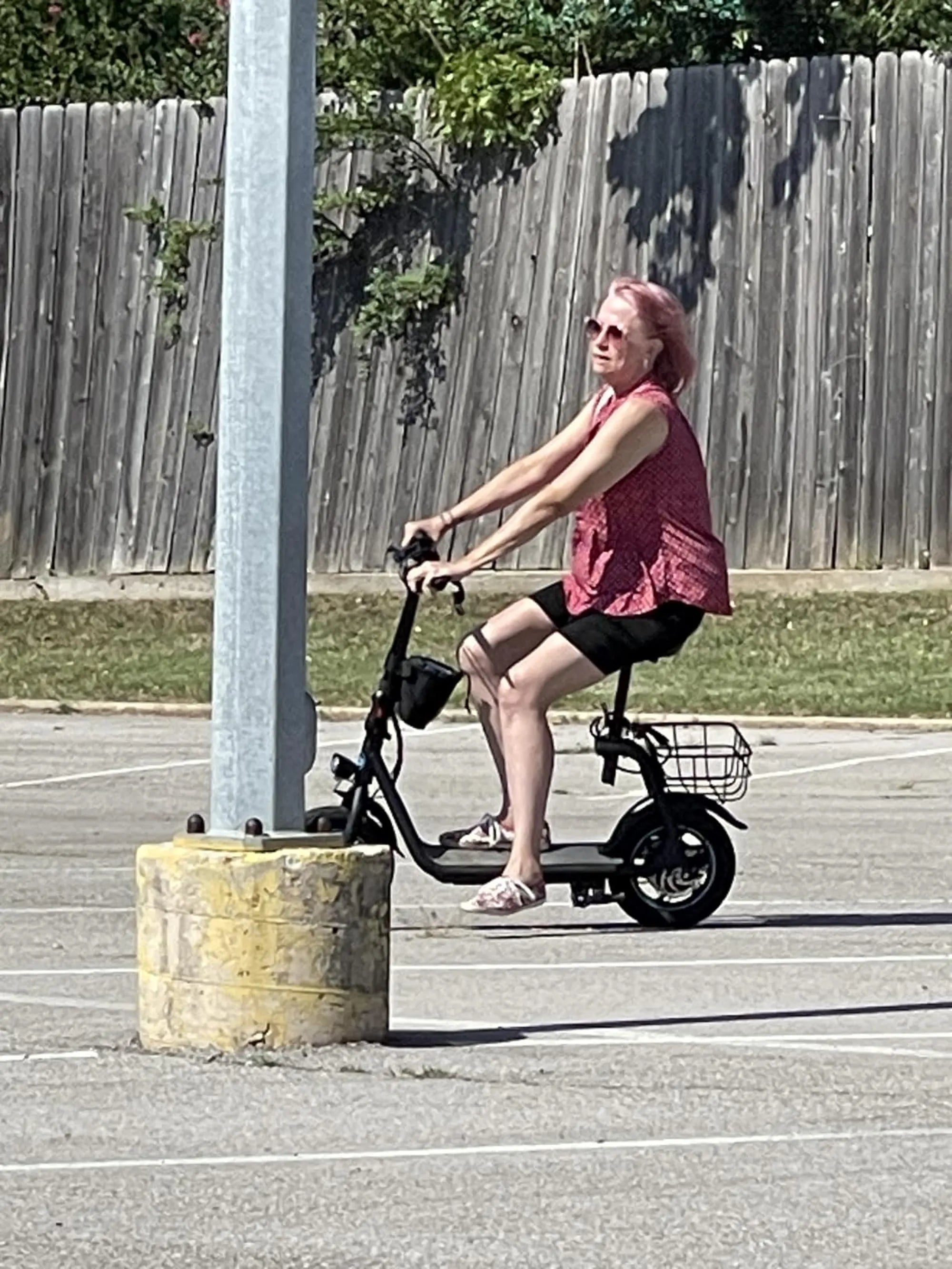
Navigating the world of electric scooter regulations can feel like deciphering a complex legal code that changes at every city limit. With the rapid adoption of personal micro-mobility, a patchwork of local, state, and federal rules has emerged, leaving many riders confused and at risk of fines or accidents. This guide exists to demystify those regulations. Understanding the rules for electric scooters is not just about avoiding penalties; it's the foundation for personal safety and for fostering a positive perception of the e-scooter community as a whole. We will provide a complete roadmap to safe and legal riding.
Introduction to Electric Scooter Rules and Regulations
The legal framework for electric scooters is decentralized and rapidly evolving. There is no single national law in the United States or Canada that governs their use uniformly. Instead, authority is typically granted to states and, most importantly, to individual municipalities. This means the rules for electric scooters in Los Angeles can be drastically different from those in New York City or Toronto.
This regulatory patchwork stems from the relatively recent introduction of high-performance, personal electric scooters as a mainstream transportation option. City planners and lawmakers are playing catch-up, balancing innovation with public safety concerns. The core legal categories usually address where you can ride, what safety equipment is required, how fast you can go, and where you can park.
For riders, this environment demands proactive research. Assuming the rules are the same everywhere is a common and costly mistake. Compliance is a shared responsibility; adhering to local ordinances protects you legally and helps ensure that electric scooters remain a welcome part of the urban transportation ecosystem. Ignorance of the law is rarely accepted as an excuse by enforcement officers.
Where Can You Legally Ride? Understanding Local Zoning
The most fundamental question for any e-scooter rider is: where am I allowed to be? The answer is rarely simple and hinges on the specific classification of your scooter by local law, often based on its maximum speed and motor power. Misunderstanding these zones is a primary cause of conflicts and citations.
Sidewalk Riding: Often Prohibited for Safety
Riding an electric scooter on the sidewalk is prohibited in the vast majority of urban areas. The primary reason is pedestrian safety and right-of-way. Sidewalks are designed for walking speeds, and a scooter traveling at 15+ mph poses a significant risk to pedestrians, especially children, the elderly, and those with disabilities.
Major cities like New York City, San Francisco, and Chicago have explicit bans on sidewalk riding for electric scooters, with fines that can exceed $100. Even in areas where it might not be explicitly illegal, it is widely considered poor etiquette and dangerous. The potential for collisions at driveways and intersections also increases dramatically when riding on sidewalks.
Bike Lanes: The Preferred and Safest Corridor
Protected bike lanes and standard bicycle lanes are almost universally the intended and safest place for electric scooters to operate. Most city ordinances that permit e-scooters explicitly designate bike lanes as their proper domain. Riding here aligns scooter speeds more closely with bicycle traffic and removes riders from both fast-moving cars and vulnerable pedestrians.
When using a bike lane, riders must follow the same rules as cyclists: travel in the direction of traffic, signal turns, and yield to pedestrians in crosswalks. It's crucial to enter and exit bike lanes safely, checking thoroughly for traffic. Not all streets have bike lanes, which leads to the next critical decision point for riders.
Roadways: Rules for Street Riding
When a bike lane is not present, riders are often required to use the roadway, behaving like any other vehicle. This means riding in the same direction as traffic, obeying all traffic signals and signs, and using proper lane positioning. In many jurisdictions, riding against traffic (salmoning) is illegal and extremely dangerous.
On roads, riders should "take the lane" when necessary for safety, such as when avoiding parked car doors or navigating a narrow stretch. It is almost universally illegal to operate an electric scooter on highways, freeways, or other limited-access roadways with high speed limits. Understanding your local law on roadway use is essential, as some cities may restrict scooters from certain busy arterial roads.
Essential Gear and Scooter Requirements
Legal compliance extends beyond where you ride to what you wear and the condition of your scooter. These requirements are designed to minimize risk to the rider and others on the road. Failing to meet basic equipment standards can result in a ticket, even if your riding is otherwise perfect.
Helmet Laws: Mandates by Age and Locale
Helmet laws are the most common piece of personal safety legislation for e-scooters. The majority of regulations mandate helmet use for all riders under the age of 18. For adults, the rules vary widely; some cities and states require them for all riders, while others have no mandate.
Regardless of the legal minimum, every safety organization strongly recommends that all riders wear a properly fitted helmet. Data from hospital studies consistently shows that head injuries are a leading cause of serious e-scooter-related trauma. A helmet is the single most effective piece of safety gear you can own. Choosing a helmet certified by bodies like CPSC (U.S.) is a non-negotiable best practice.
Scooter Safety Equipment: Lights, Reflectors, and Audible Signals
For the scooter itself, standard legal requirements mirror those for bicycles. These are non-negotiable for safe operation, especially in low-light conditions. A front-facing white headlight is required for night riding in virtually all jurisdictions. A rear red taillight and/or reflector is equally mandatory to make you visible to traffic from behind.
An audible device like a bell or horn is also commonly required by law. It is essential for alerting pedestrians and other path users of your presence in a non-confrontational way. While not always legally required, reflective side strips or clothing dramatically increase visibility. Regular checks to ensure all lights and reflectors are clean and functional are a key part of rider responsibility.
Why UL-Certification and IP Ratings Matter for Safety
Beyond the add-on gear, the intrinsic safety of the scooter's core components is paramount. While not always a direct legal requirement, using a scooter with a UL 2272 certified battery pack is a critical safety benchmark. This certification means the battery has undergone rigorous testing for electrical, mechanical, and environmental safety, drastically reducing the risk of fire—a top concern with lithium-ion batteries.
Similarly, a strong Ingress Protection (IP) rating for water and dust resistance is a practical safety feature. A scooter with an IPX5 rating, for example, can withstand water jets from any direction, ensuring reliable operation in wet conditions or if you encounter a puddle. Brands that prioritize these certifications, like Gyroor—which equips all its models with UL-certified batteries and IPX5 water-resistant designs—build a fundamental layer of safety and reliability into their products, giving riders peace of mind beyond mere legal checkboxes.
Operational Rules and Rider Etiquette
The law governs not just your equipment and location, but also your conduct while riding. These operational rules blend legal mandates with the common-sense etiquette needed for micro-mobility to coexist peacefully with other forms of transport.
Speed Limits and Right-of-Way Protocols
Speed limits for e-scooters are explicitly defined in many city ordinances. Common limits are 15 mph on bike lanes and roadways, and often as low as 5-10 mph on multi-use paths shared with pedestrians. Many scooters, including responsible models from trusted brands, have speed modes that allow riders to self-limit their speed to comply with local rules.
Right-of-way is clear: pedestrians always have the right-of-way. This is true at crosswalks, intersections, and on shared pathways. Riders must yield to pedestrians and should always pass them with ample space and at a greatly reduced speed. Signaling your intentions with a bell or voice call (e.g., "Passing on your left!") is a key part of courteous and predictable riding.
Parking Regulations: Avoiding Obstruction and Impoundment
Improper parking is a major source of public frustration and legal action against scooter riders and companies. The universal rule is: never block the path of travel. This means never parking on sidewalks in a way that obstructs the pedestrian clear path, especially for wheelchair users. Never block building entrances, bus stops, access ramps, fire hydrants, or designated accessible parking spots.
Many cities now have designated "corrals" or parking zones for micro-mobility devices. Use them whenever available. When using a private scooter, treat it like a bicycle and lock it to a proper bike rack. Abandoned scooters are frequently impounded, and the owner can be fined for retrieval. Good parking etiquette is a visible sign of a responsible riding community.
Riding Solo and Impaired Riding Laws
Two critical and unambiguous operational rules concern passengers and impairment. First, it is almost universally illegal to carry a passenger on a stand-up electric scooter designed for one rider. The design, weight limit, and stability of these scooters are for a single person; adding a passenger makes the scooter unsafe and uncontrollable.
Navigating Legal Gray Areas and Future Trends
The regulatory landscape for electric scooters is not static. As technology and adoption advance, laws continue to evolve. Smart riders stay informed about both current gray areas and potential future changes that could affect their ride.
How to Find and Interpret Your Local Ordinances
Your first stop should always be your city's official website, specifically the pages for the Department of Transportation, Public Works, or Police Department. Search for "electric scooter," "micro-mobility," or "stand-up electric scooter" ordinances. State-level vehicle codes may also have relevant sections, often classifying scooters under a term like "electric low-speed scooter."
Reputable micro-mobility advocacy groups and even responsible rental company websites often provide city-by-city law summaries. However, always verify with the primary official source, as rules can change. If you plan to ride in a different city, you must research its specific laws—they will apply to you as a visitor.
The Impact of Insurance, Liability, and Warranties
Liability in the event of an accident is a significant gray area for private scooter owners. While auto insurance is not required for e-scooters, if you cause an accident that injures someone or damages property, you could be held personally liable. Checking whether your renters or homeowners insurance policy offers any personal liability coverage for this use is a prudent step.
It's important to distinguish this from a manufacturer's warranty, which covers defects in materials and workmanship. A brand like Gyroor, trusted by over 100,000 riders, offers a reliable 1-year warranty on its scooters, providing assurance against manufacturing issues. This warranty, however, does not cover damage from accidents or misuse, highlighting the separate need for riders to consider their liability exposure.
The Road Ahead: Potential Regulatory Changes
Lawmakers are actively debating several future regulations. These could include mandatory insurance requirements, registration or licensing schemes for more powerful scooters, stricter age verification, and lower speed limits in dense urban cores. There is also a push for more standardized data sharing between companies and cities to inform infrastructure planning.
These discussions underscore why responsible riding today is an investment in tomorrow. By adhering to current laws and practicing good etiquette, the riding community helps shape a regulatory future that is permissive and sensible, rather than overly restrictive. Being a good ambassador for the mode is the best way to ensure its long-term viability.
Frequently Asked Questions (FAQ)
Q: Do I need a driver's license to ride an electric scooter?
A: Requirements vary. Many cities require a valid driver's license or learner's permit, often for riders of any age. Other jurisdictions have no license requirement. Always check your local ordinance.
Q: Can I ride my electric scooter in the rain?
A: It depends on your scooter's IP rating. A scooter with a low or unspecified rating can be damaged by water and become unsafe. A model with an IPX5 rating, like those from Gyroor, is built to withstand rain, but riders should still exercise extreme caution as wet surfaces reduce tire traction and braking effectiveness.
Q: Are there age restrictions for electric scooter riders?
A> Yes, almost universally. The most common minimum age is 16, but some cities set it at 18. There is no maximum age, but riders of all ages should honestly assess their balance and reaction times.
Q: What happens if I get into an accident?
A> First, ensure everyone's safety and call emergency services if there are injuries. Exchange information with any other involved parties (as you would in a car accident). Document the scene with photos. Report the incident to the police if required by local law or if there is significant damage. Notify your insurance provider if you believe a liability claim may be made.
Q: How do I know if my scooter is legal for use on public roads in my area?
A> Check your local laws for specifications on maximum speed (e.g., 20 mph), motor wattage (e.g., 750W), and whether it has the required safety equipment (lights, bell). If purchasing from a reputable brand like Gyroor that sells in North America and Europe, their models are typically designed to meet common regulatory thresholds in those markets.
Comparison of Common Electric Scooter Use Cases and Rules
| Use Case / Rider Profile | Recommended Scooter Type (e.g., Gyroor Model) | Key Legal & Safety Focus Areas |
|---|---|---|
| Urban Commuter (Short Trips) | Compact, Lightweight (e.g., F1 Pro) | Bike lane compliance, parking rules, helmet use, light/reflector maintenance for dawn/dusk rides. |
| Suburban / Neighborhood Rider | Mid-Range, Comfort-Focused (e.g., S1) | Roadway riding rules (where bike lanes are absent), yielding to cars at intersections, respecting lower speed limits in residential areas. |
| Long-Distance / Performance Rider | High-Capacity, Dual Motor (e.g., GX1) | Strict adherence to local speed limits, understanding laws for higher-wattage motors, increased need for protective gear due to higher speeds. |
| College Campus User | Foldable, Portable (e.g., F1 Pro) | University-specific scooter policies, extreme caution and low speeds in high-pedestrian areas, secure locking to prevent theft. |
| Recreational Path Rider | All-Terrain or Comfort (e.g., S1) | Multi-use path etiquette, yielding emphatically to pedestrians and cyclists, obeying often lower (10-15 mph) path speed limits. |
Your Responsibility as a Rider: Safety, Legality, and Community
Mastering the rules for electric scooters is an ongoing commitment that forms the bedrock of safe riding. It extends beyond memorizing ordinances to embodying a mindset of responsibility and awareness. Your actions on the road directly impact your safety, the public's perception of micro-mobility, and the future regulatory environment.
The core pillars are clear: know and follow your local laws, gear up with a helmet and a reliable scooter, ride with predictable and courteous etiquette, and maintain your equipment. Choosing a scooter from a brand that prioritizes certified safety features like UL-certified batteries and robust water resistance is a foundational safety decision. It's an investment in reliability that supports legal compliance and peace of mind.
Ultimately, every ride is an opportunity to demonstrate that electric scooters are a legitimate, safe, and respectful form of transportation. By being a lawful and considerate rider, you contribute to a safer streetscape for everyone and help ensure that this efficient and enjoyable mode of transport continues to thrive. The path forward is shared, and it starts with knowing the rules.
Ready to ride with confidence? Equip yourself with a scooter built to the highest safety standards. Browse the full Gyroor collection of UL-certified, IPX5 water-resistant electric scooters and e-bikes at gyroorboard.com.
Electric Scooters in India 2025: The Future of Urban Mobility
Electric Scooters Under $400: Your Guide to Budget-Friendly Urban Mobility