


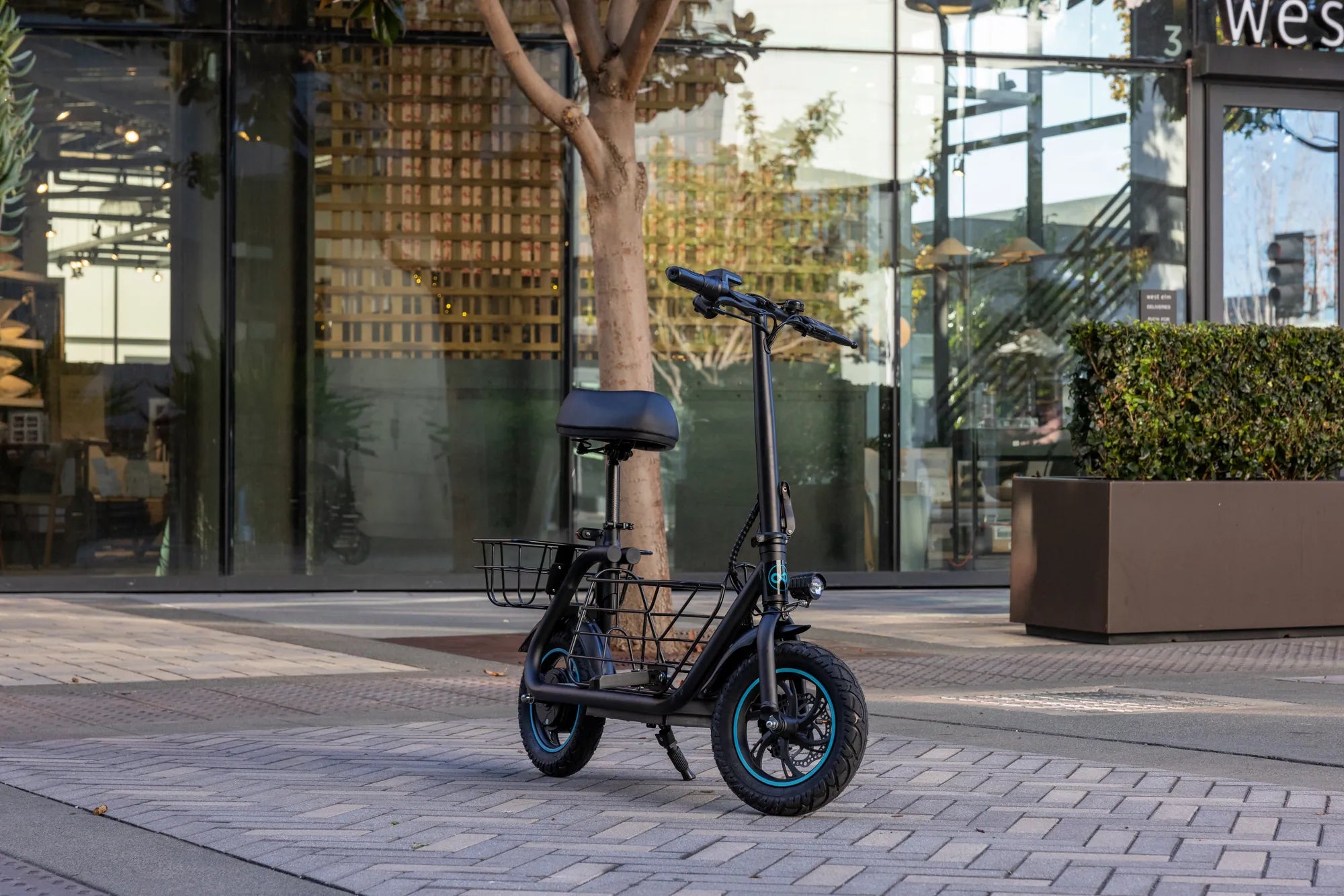
Electric trikes are revolutionizing personal transportation, offering eco-friendly convenience and fun. But like any high-tech vehicle, they require proper maintenance—starting with knowing how to safely remove the battery. Whether you're preparing for storage, replacement, or troubleshooting, mastering this skill keeps your trike running smoothly. Let’s dive into the step-by-step process!
Why Battery Removal Matters
Removing your electric trike’s battery isn’t just about storage—it’s a critical part of maintenance. Regular removal helps prevent corrosion, extends battery life, and ensures safety during transport or repairs. Plus, it’s often necessary for charging in tight spaces where the entire trike can’t fit.
Safety First: Precautions Before Removal
Always power off the trike and remove the key before attempting battery removal. Wear insulated gloves to protect against accidental shocks, and work in a dry, well-ventilated area. Check your owner’s manual for model-specific warnings—some batteries require special handling due to weight or voltage.
Step-by-Step Removal Process
Step 1: Locate the Battery Compartment
Most electric trikes house the battery under the seat, in the rear cargo area, or integrated into the frame. Look for a latch or locking mechanism—sometimes hidden under a protective cover.
Step 2: Disconnect the Power
Unplug any charging cables first. Then, carefully detach the battery’s main connector, gripping the plug (not the wires) to avoid damage. Some models have a quick-release switch—listen for a click when disengaging.
Step 3: Release the Battery
Use the designated release lever or unlock the securing mechanism. For heavy batteries, support the weight with one hand while releasing the lock to prevent drops. Slide or lift the battery out gently, keeping it level.
Post-Removal Care
Store removed batteries in a cool, dry place away from metal objects. If storing long-term, maintain a 50% charge to preserve cell health. Inspect connectors for dirt or corrosion, cleaning with a dry cloth if needed.
Troubleshooting Common Issues
Stuck connectors? A dab of dielectric grease can help. If the battery won’t release, double-check for secondary latches. For persistent problems, consult a professional—forcing components risks damage.
When to Remove Your Battery
Regular removal is ideal for winter storage or when the trike won’t be used for weeks. It’s also smart before deep cleaning to avoid water damage. For daily riders, occasional removal ensures you’re prepared for emergencies.
Mastering electric trike battery removal empowers you to take control of your ride’s maintenance. With these techniques, you’ll save money on professional services and enjoy worry-free adventures. Now that you’re equipped with this knowledge, your next battery removal will be as smooth as your trike’s ride!
Ask My Folding Electric Scooter: The Ultimate Guide to Convenient Urban Commuting
Cheap Electric Scooter Bike for Adults: The Ultimate Guide to Affordable Commuting