


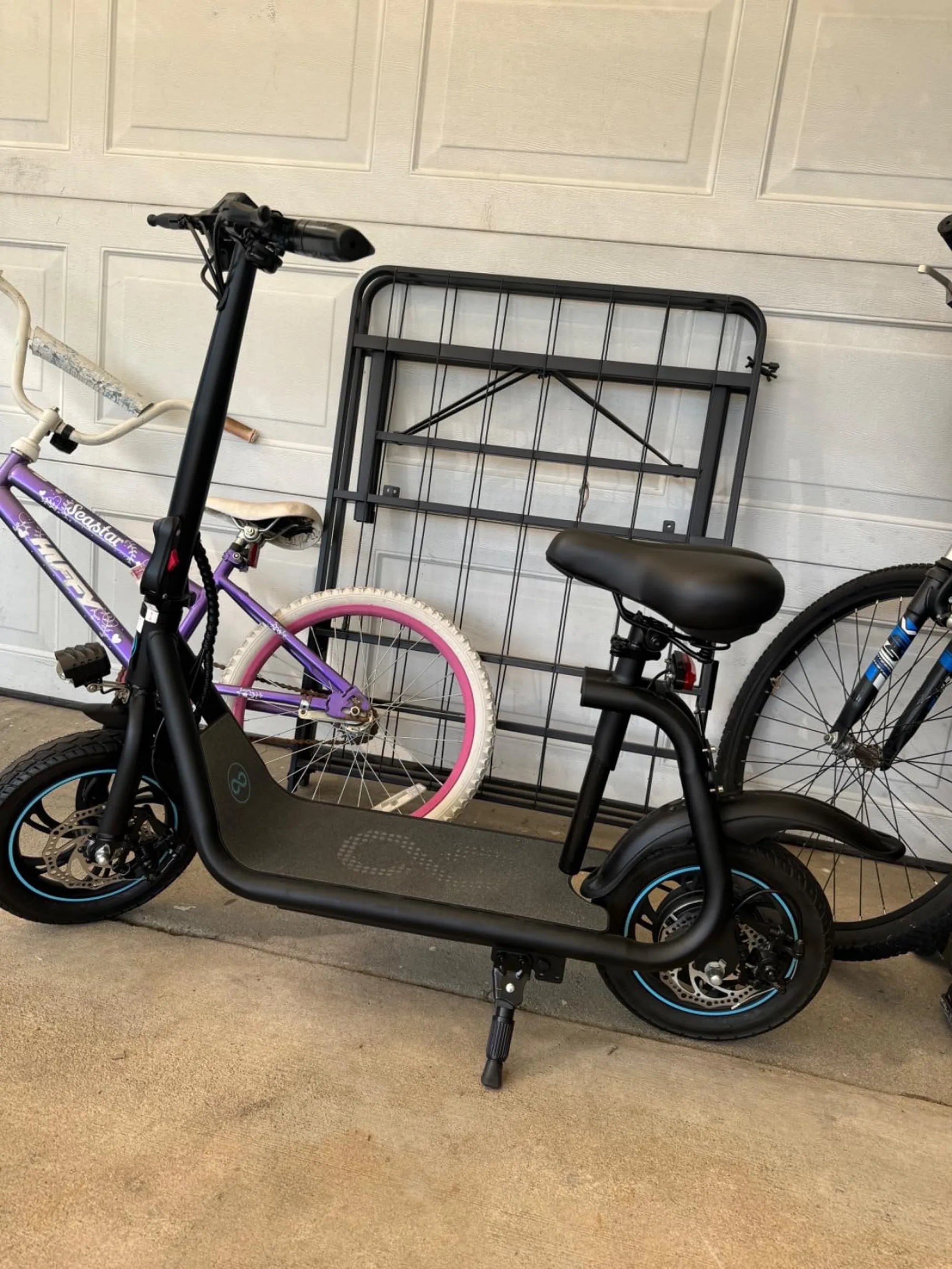
The electric two-wheeler industry in India is charging ahead, transforming the way millions commute while addressing pressing environmental challenges. With rising fuel prices, increasing pollution levels, and supportive government policies, electric two-wheelers are no longer a niche concept but a mainstream mobility solution. This article dives deep into the current landscape, key drivers, challenges, and the road ahead for this burgeoning industry.
The Rise of Electric Two-Wheelers in India
India's electric two-wheeler market has witnessed exponential growth in recent years. The country's dense urban centers, coupled with a growing middle class, make it an ideal market for affordable and efficient electric mobility solutions. Government initiatives like the Faster Adoption and Manufacturing of Electric Vehicles (FAME) scheme have provided crucial incentives, accelerating adoption rates across the country.
Key Growth Drivers
Several factors are fueling the expansion of the electric two-wheeler industry in India:
- Environmental concerns and air quality issues in major cities
- Rising fuel costs making electric alternatives more attractive
- Government subsidies and tax benefits for electric vehicle buyers
- Improving charging infrastructure across urban and semi-urban areas
- Technological advancements in battery efficiency and vehicle performance
Market Segmentation and Consumer Preferences
The Indian electric two-wheeler market can be broadly categorized into three segments:
- Low-speed electric scooters (below 25 km/h)
- High-speed electric scooters (above 25 km/h)
- Electric motorcycles with premium features
Consumer preferences are shifting towards high-speed models with better range and performance, indicating growing confidence in electric technology.
Challenges Facing the Industry
Despite the promising growth, the electric two-wheeler industry in India faces several hurdles:
- Range anxiety among potential buyers
- Limited charging infrastructure in smaller towns and rural areas
- Higher upfront costs compared to conventional vehicles
- Battery disposal and recycling concerns
- Supply chain constraints for critical components
Government Policies and Support
The Indian government has implemented several policies to boost the electric two-wheeler industry:
- FAME II scheme offering direct subsidies
- Reduced GST rates for electric vehicles
- State-level incentives and tax exemptions
- PLI (Production Linked Incentive) scheme for battery manufacturing
- Mandates for charging infrastructure in new buildings
Technological Advancements
The industry is witnessing rapid technological improvements:
- Development of more efficient lithium-ion batteries
- Improved battery management systems
- Smart connectivity features in vehicles
- Fast-charging solutions
- Swappable battery technology
Future Outlook and Growth Potential
The electric two-wheeler industry in India is poised for significant expansion in the coming decade. Industry analysts predict that electric two-wheelers could account for 30-40% of total two-wheeler sales by 2030. Factors contributing to this optimistic projection include:
- Continuing government support and policy push
- Declining battery costs making EVs more affordable
- Growing environmental awareness among consumers
- Expansion of charging infrastructure
- Entry of new players increasing competition and innovation
Impact on Related Industries
The growth of electric two-wheelers is creating ripple effects across multiple sectors:
- Battery manufacturing and recycling industries
- Charging infrastructure providers
- Software developers for vehicle connectivity and management
- Aftermarket services and parts suppliers
- Renewable energy sector for clean power generation
As India accelerates towards its electric mobility goals, the electric two-wheeler industry stands at the forefront of this transformation. With innovation driving performance improvements and costs becoming more competitive, electric two-wheelers are set to redefine urban mobility in India. The journey has just begun, and the road ahead promises exciting developments that will shape the future of transportation in the world's largest two-wheeler market.
How Much Scooter Cost: A Complete Price Guide for Every Budget
Electric Two Wheeler Design: The Future of Urban Mobility and Innovation