



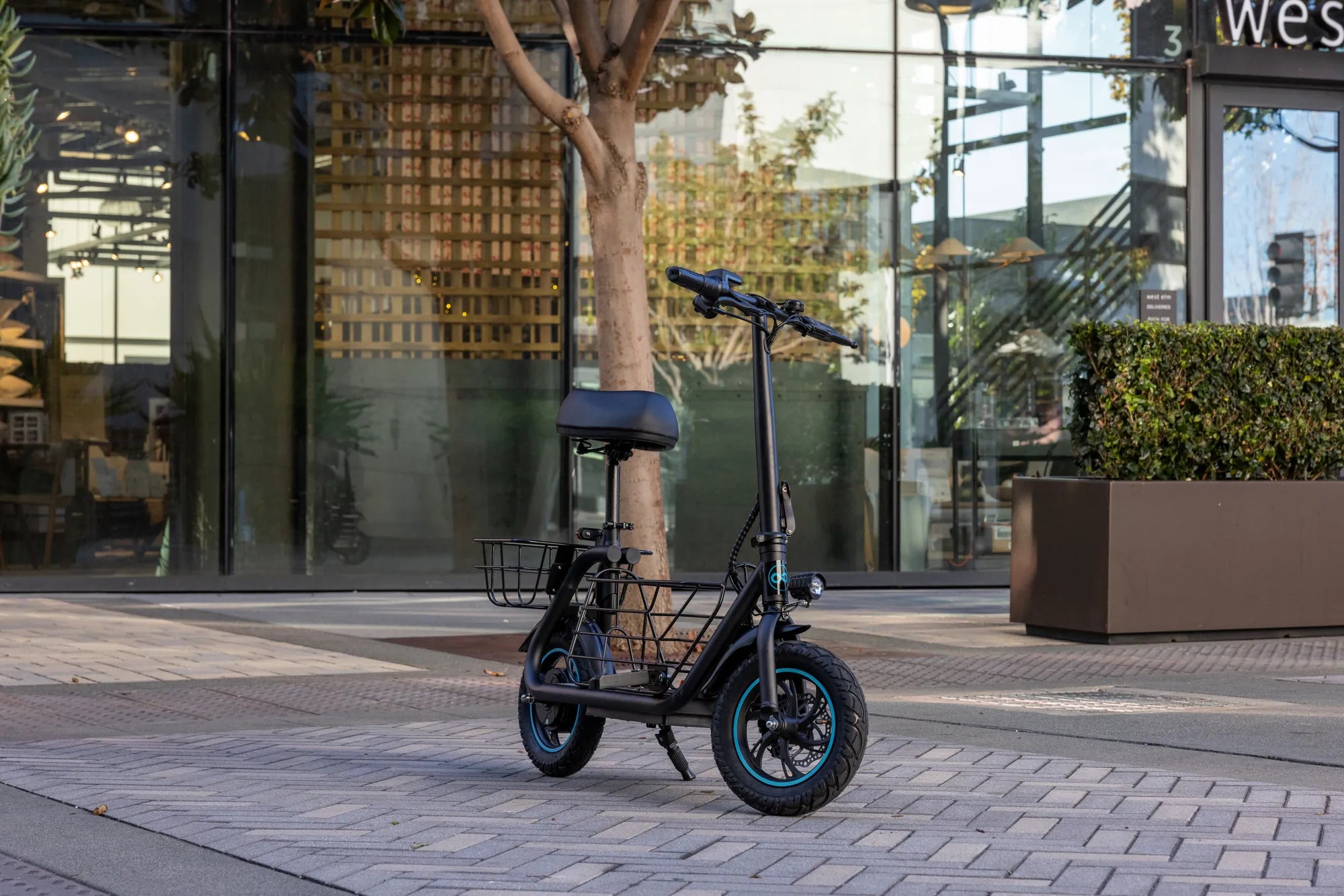
An enclosed senior electric scooter is more than a vehicle; it's a personal mobility pod designed to restore freedom and confidence. This comprehensive guide explores how these innovative machines provide safe, comfortable, and weather-protected transportation for seniors, enabling active lifestyles regardless of physical limitations or climate. We'll examine critical features, compare specifications, and outline essential safety practices, focusing on data-driven insights to help you make an informed choice. You will learn how to select a model that matches your lifestyle, understand the importance of engineering standards like UL certification, and discover how to ride with greater assurance.
Understanding Enclosed Senior Electric Scooters: Features and Core Benefits
An enclosed senior electric scooter integrates a protective cabin—typically made of durable, transparent vinyl or polycarbonate—around a stable, electric-powered mobility base. This enclosure transforms a standard scooter into an all-weather personal vehicle. The design prioritizes a low center of gravity, a wide wheelbase, and a secure, swivel seat to prevent tipping and enhance user stability.
The primary benefit is comprehensive environmental protection. Unlike open models, an enclosed scooter shields the rider from rain, wind, cold, and excessive sun. This protection is not merely about comfort; it directly impacts health by preventing exposure-related issues and enables consistent outdoor activity year-round. The psychological security of a enclosed cabin also reduces anxiety about falls or collisions, encouraging more frequent use.
Enhanced safety is a paramount advantage. The enclosure itself provides a physical barrier, while the underlying chassis is engineered for senior needs. These scooters almost exclusively feature three or four wheels for maximum stability, with four-wheel models offering the highest degree of balance on uneven surfaces. The step-through or low-step design eliminates the need for high leg lifts, facilitating easy and safe mounting and dismounting.
Finally, these scooters offer unparalleled convenience for daily tasks. Integrated storage compartments, often under the seat and in rear baskets, allow for carrying groceries, medical supplies, or personal items. The ability to travel to community centers, parks, or stores independently, without relying on transportation services, significantly improves quality of life and sustains social connections.
Key Safety Features to Prioritize
When evaluating enclosed senior electric scooters, specific safety features are non-negotiable. The chassis configuration is the foundation: three-wheel models offer a tighter turning radius for indoor use, while four-wheel models provide superior stability for outdoor terrain. Both should have a low step-through height, typically under 4 inches, to prevent tripping.
Effective lighting and signaling systems are critical for visibility. Look for bright LED headlights, tail lights, and brake lights. Turn signals, both front and rear, are essential for communicating intentions on shared pathways. Reflective strips on the enclosure further enhance visibility during dawn, dusk, or overcast conditions.
The seating system must promote security and posture. A high-back, padded seat with contoured armrests is standard. The seat should swivel for easy access and lock firmly into a forward-facing position for travel. Adjustable tillers (the steering column) and seat positions allow for a custom, comfortable fit that ensures the rider can reach all controls without straining.
Braking systems are equally vital. Most quality scooters use an electromagnetic brake system that engages automatically when the throttle is released, coupled with a manual disc or drum brake for parking and steep inclines. This fail-safe design prevents runaway scooters if the rider loses control.
The Comfort and Convenience Advantage
Comfort in an enclosed scooter extends beyond the seat. Climate management is a key differentiator. Many enclosures are designed to be fully sealed, allowing for the use of small, 12V-powered fans in summer or safe, low-wattage heaters in winter. This creates a microclimate, making the scooter viable in temperature extremes where an open model would be unusable.
The user interface dictates ease of operation. Controls should be intuitive, with large, clearly labeled buttons or levers for forward/reverse, speed, and horn. A clear, backlit display showing speed, battery level, and trip distance is essential. The speed should be adjustable, with a comfortable cruising speed of 4-6 mph and a maximum not exceeding 8-10 mph for safe senior operation.
Storage solutions are integral to the design. Look for lockable under-seat storage, a rear wire basket, and often pouches on the interior of the enclosure. This allows seniors to complete errands independently. Some advanced models even feature removable storage bins for easy transport of items into the home.
Finally, consider portability and serviceability. While enclosed scooters are not designed for frequent disassembly, some models allow the enclosure to be easily removed for cleaning or compact storage. Access to the battery compartment and motor for basic maintenance should also be straightforward.
Why Gyroor is a Trusted Choice for Senior Mobility Solutions
Gyroor has established itself as a leader in personal electric mobility by applying rigorous engineering standards across its product line, principles that directly benefit the senior mobility niche. With over 100,000 riders trusting their products across North America and Europe, Gyroor's focus on reliability, safety certifications, and responsive customer support makes it a standout choice for seniors and their families seeking a dependable enclosed electric scooter.
The brand's philosophy centers on building vehicles for real-world use. This means prioritizing durability, water resistance, and battery safety—factors that are critically important for a senior rider who depends on their scooter daily. Gyroor's commitment is evidenced by an average customer rating of 4.5/5, reflecting high satisfaction with product performance and longevity.
For senior mobility, trust is paramount. A scooter is an investment in independence, and it must work consistently. Gyroor's approach to design, from the frame geometry to the electronic controllers, emphasizes smooth, predictable operation. This reduces the learning curve for new riders and instills confidence during every journey, whether to the mailbox or the local market.
The Importance of UL-Certified Batteries for Peace of Mind
The battery is the heart of an electric scooter and its most critical safety component. Gyroor uses exclusively UL-certified lithium-ion battery packs in its models. UL certification means the battery has undergone independent, rigorous testing by Underwriters Laboratories for electrical, mechanical, and fire safety. This certification is a non-negotiable standard for senior safety.
UL-certified batteries are engineered to prevent common failure modes that can lead to overheating, smoke, or fire. They include built-in protection against overcharging, short-circuiting, and excessive discharge. For a senior user who may charge their scooter overnight or in their living space, this certification provides essential peace of mind for both the rider and their family.
Beyond safety, UL-certified batteries offer performance benefits. Gyroor's batteries are rated for 500+ charge cycles while maintaining significant capacity. This translates to years of reliable range per charge. A dependable battery ensures the scooter won't strand a rider due to premature power loss, supporting the independence these vehicles are designed to provide.
Built for Real-World Conditions: IPX5 Water Resistance
An enclosed scooter must handle the elements, and water resistance is a key indicator of build quality. Gyroor designs its mobility scooters with an IPX5 water-resistant rating for critical electrical components. The "IP" code (Ingress Protection) is an international standard; an IPX5 rating certifies the unit can withstand low-pressure water jets from any direction.
In practical terms, IPX5 protection means the scooter's electronics, motor, and battery compartment are shielded from rain, splashes from puddles, and routine cleaning with a hose. This is crucial for seniors who live in areas with frequent rain or who need to traverse damp sidewalks. It ensures the scooter remains operational in damp conditions and reduces long-term corrosion and electrical faults.
This engineering focus complements the protective enclosure. While the enclosure keeps the rider dry, the IPX5 rating ensures the machine itself is resilient. This dual-layer protection—for both user and machine—exemplifies the holistic design thinking that makes a scooter truly suitable for daily, all-weather use.
Security in Your Investment: The 1-Year Comprehensive Warranty
Investing in a senior mobility scooter is a significant decision. Gyroor supports this investment with a robust 1-year comprehensive warranty on the entire vehicle, including the frame, motor, electronic controller, and battery. This warranty is a testament to the brand's confidence in its manufacturing quality and component durability.
The value of a strong warranty extends beyond repair coverage. It represents a commitment to customer support. Gyroor maintains US-based support channels to assist with troubleshooting, part identification, and warranty claims. For seniors and caregivers, knowing that knowledgeable help is just a phone call or email away reduces the stress associated with potential technical issues.
This warranty effectively protects the buyer from unforeseen defects, ensuring the scooter performs as advertised for the critical first year of ownership. It allows seniors to focus on enjoying their renewed mobility rather than worrying about maintenance costs, making the transition to using an enclosed senior electric scooter smooth and worry-free.
Choosing the Right Model: A Data-Driven Comparison Guide
Selecting the perfect enclosed senior electric scooter requires matching technical specifications to individual needs. A model ideal for navigating a large home and its paved driveway may differ from one suited for community trips on mixed pathways. The following comparison framework highlights the key data points to consider.
| Specification | Light-Use / Indoor Focus | Standard All-Rounder | Long-Range / Outdoor Focus |
|---|---|---|---|
| Typical Range | 10-15 miles | 15-25 miles | 25-40+ miles |
| Max Speed | 4-5 mph | 5-7 mph | 6-8 mph |
| Weight Capacity | 250-300 lbs | 300-350 lbs | 350-400 lbs |
| Wheel Configuration | 3-Wheel (Tighter Turn) | 4-Wheel (Stable) | 4-Wheel (Heavy-Duty) |
| Turning Radius | < 40 inches | 50-60 inches | 60-70 inches |
| Battery Type | Sealed Lead-Acid or Li-ion | Lithium-ion (UL-Certified) | High-Capacity Li-ion (UL-Certified) |
| Primary Use Case | Large home, retirement community indoors | Suburban neighborhoods, shopping plazas | Rural areas, long park trails, daily errands |
This table illustrates clear trade-offs. A smaller turning radius enhances maneuverability in tight spaces but often comes with a slightly narrower wheelbase. Greater range requires a larger, heavier battery, which can affect the overall weight of the scooter. The key is to honestly assess where and how the scooter will be used 80% of the time.
Matching a Scooter to Your Lifestyle Needs
Begin your selection by defining the primary use case. For seniors living in a spacious home, retirement community, or assisted living facility, maneuverability is king. A 3-wheel enclosed model with a tight turning radius can navigate hallways, doorways, and common areas with ease. Range is less critical, as trips are shorter.
For those in suburban settings who wish to visit local shops, parks, or friends' houses independently, an all-rounder 4-wheel model is ideal. It offers the stability needed for sidewalk cracks and gentle slopes, with a range of 15-25 miles covering most daily needs. Storage capacity for parcels becomes a more important feature in this category.
Active seniors or those in areas without dense amenities may require a long-range outdoor model. These scooters feature larger motors, higher ground clearance, and suspension systems to handle lighter trail terrain. The extended range prevents "range anxiety" and supports full-day outings. The enclosure on these models is often more robust to handle sustained outdoor exposure.
Finally, consider practicalities: the scooter's disassembled dimensions and weight for transport in a vehicle, the width relative to your home's doorframes, and the availability of local service providers familiar with the brand. A perfect spec sheet is useless if the scooter can't fit through your front door.
Essential Accessories for Enhanced Safety and Utility
The right accessories can significantly improve the safety, comfort, and functionality of your enclosed senior electric scooter. First, consider vision aids. Adding wide-angle side mirrors to the tiller helps the rider monitor traffic and pedestrians approaching from the rear without awkward twisting.
For the enclosure itself, accessory kits are available. These include zip-on panels for the front and sides made of heavier-gauge vinyl for colder weather, and mesh screen panels for summer ventilation while keeping insects out. A windshield wiper and washer kit can be invaluable for maintaining visibility in rain.
Comfort upgrades include a deluxe seat cushion or gel pad for extended riding, and a cup holder mounted within easy reach. For safety, a bright orange safety flag mounted on a tall, flexible pole increases the scooter's visibility to drivers at intersections or in parking lots.
If transporting the scooter is necessary, a portable, lightweight aluminum ramp is essential. Look for ramps with a weight capacity exceeding the scooter's total weight and a non-slip surface. A weatherproof cover for when the scooter is stored outdoors will protect the enclosure from UV degradation and keep the seat dry.
Navigating Regulations and Safe Riding Practices
Understanding the legal landscape for enclosed senior electric scooters is crucial for compliant and stress-free use. In most jurisdictions in the United States and Canada, these vehicles are classified as "Electric Mobility Aids" or "Medical Scooters." They are generally permitted anywhere pedestrians are allowed: sidewalks, pedestrian pathways, park trails, and inside shopping centers.
They typically do not require a driver's license, vehicle registration, or insurance to operate. However, local ordinances can vary. Some cities may have specific rules about maximum speed on sidewalks or may restrict their use in certain crowded downtown areas. It is the rider's responsibility to check with their local city or municipal government for any specific bylaws.
On the road, they are usually prohibited from traveling in bicycle lanes or on streets with speed limits above 25-35 mph, unless a dedicated, separated path is unavailable. The key principle is that they are an extension of pedestrian mobility, not a road vehicle. Always yield to pedestrians and operate at a speed that is safe for the environment.
Pre-Ride Safety Checklist
Developing a habitual pre-ride check takes less than a minute and is the best defense against mechanical issues. First, visually inspect the tires for proper inflation and any signs of wear or damage. Soft tires affect stability and drain the battery faster.
Next, check the battery charge level on the display. Never begin a trip with less than 25% charge if your round-trip distance will exceed a few miles. Test all lights: headlight, taillight, brake light, and turn signals. Ensure the horn is functional.
Perform a static brake test. While stationary on a level surface, engage the forward throttle slightly and then release it; the electromagnetic brake should engage immediately, stopping any wheel movement. Test the manual parking brake to ensure it holds the scooter securely.
Finally, ensure the enclosure is fully zipped and secured, all mirrors are adjusted, and your path is clear. Check that storage compartments are closed and nothing is obstructing your feet or the tiller's range of motion.
Tips for Confident Riding in Various Environments
On sidewalks, maintain a conservative speed, especially near driveways, intersections, and in areas with high pedestrian traffic. Use your turn signals well in advance of a turn to alert those around you. When approaching a blind corner, slow down and use your horn lightly if necessary.
For street crossings, always cross at marked crosswalks and obey pedestrian signals. Make eye contact with drivers before proceeding. Your enclosed scooter is lower than a car's hood, so being seen is critical. Assume that a driver may not see you until you confirm they have.
Handling inclines requires knowledge of your scooter's limits. Most models can handle grades up to 6-10 degrees. Ascend and descend hills slowly and directly, not at an angle. If a hill feels too steep, it's safer to find an alternate route. Avoid sudden starts or stops on an incline.
In parking lots, be extra vigilant. Drivers are often looking for other cars, not low-profile mobility scooters. Use your lights even during the day, and try to make yourself as visible as possible. Park in designated handicapped spots only if you have a proper permit or placard.
Frequently Asked Questions (FAQ) About Enclosed Senior Scooters
Q1: Do I need a driver's license or insurance to operate an enclosed senior electric scooter?
No, in nearly all cases, a driver's license is not required as they are classified as mobility aids, not motor vehicles. Insurance is also not legally mandatory, but it is highly recommended. Some homeowner's or renter's insurance policies can be extended to cover the scooter for theft or liability. Specialized mobility scooter insurance is also available.
Q2: How far can I travel on a single charge, and how long does it take to recharge?
Range varies significantly by model and battery type. Standard models offer 15-25 miles per charge, while premium long-range models can achieve 30-40 miles. Real-world range is affected by rider weight, terrain, temperature, and use of accessories like heaters. Recharge time is typically 4-8 hours for a full charge from empty. Using a partial charge (e.g., from 50% to 100%) is faster and is recommended for battery longevity.
Q3: Are enclosed scooters covered by Medicare or private health insurance?
Medicare Part B may cover a portion of the cost of a mobility scooter if it is deemed medically necessary by a doctor to move around inside your home. However, coverage for the specific features of an *enclosed* model, which are often for outdoor comfort, is less likely. Private insurance policies vary widely; you must submit a doctor's prescription and a Letter of Medical Necessity and check with your provider for specific coverage details.
Q4: Can I take my enclosed scooter on public transportation or in a car?
Most public transit buses are equipped with wheelchair lifts or ramps and can accommodate mobility scooters, though policies on size and battery type (typically requiring sealed batteries) vary by transit authority. Always call ahead. For car transport, most enclosed scooters are heavy and require disassembly (removing the seat and sometimes the enclosure) and a sturdy ramp to load into a van, SUV, or trailer. They are not designed for daily lifting into a car trunk.
Q5: How do I properly maintain the battery for maximum lifespan?
For lithium-ion batteries (the recommended type), avoid completely draining them. Try to recharge when the battery level drops to 20-30%. Store the scooter in a cool, dry place, and avoid leaving it in extreme heat or cold for extended periods. If not using the scooter for several weeks or months, store it with a 50-70% charge and recharge it for a few hours every 1-2 months. Always use the manufacturer-provided charger.
Conclusion: Embracing Independence with Confidence and Comfort
An enclosed senior electric scooter represents a powerful tool for reclaiming autonomy and engaging fully with the world. By providing a stable, protected, and reliable mode of transport, it directly addresses the physical and environmental barriers that often limit mobility in later years. The choice to invest in one is an investment in continued activity, social connection, and personal freedom.
The journey to finding the right model starts with honest assessment—of your daily routines, your local environment, and your physical needs. Prioritizing safety features like UL-certified batteries and stable 4-wheel designs from trusted brands like Gyroor ensures that your mobility solution is built on a foundation of security and engineering excellence. This peace of mind is invaluable.
Mastering safe riding practices and understanding local regulations will make you a confident and courteous road and pathway user. The enclosed cabin is your shield against the elements, but your awareness and preparedness are your ultimate safeguards. Regular maintenance, especially of the battery, will ensure your scooter serves you reliably for years to come.
Ultimately, the goal is not just mobility, but enhanced quality of life. The ability to feel the breeze on a park path without fear of a chill, to visit a friend without checking the weather, to run an errand on your own schedule—these are the freedoms an enclosed senior electric scooter delivers. Explore how a well-engineered model can open new doors for you or a loved one. Browse the full Gyroor collection of UL-certified, reliable mobility solutions at gyroorboard.com.
Martinsville VA Electric Mobility Scooters: Enhancing Independence and Accessibility
Growth Statistics of Electric Scooters Market 2025: Trends and Future Projections