

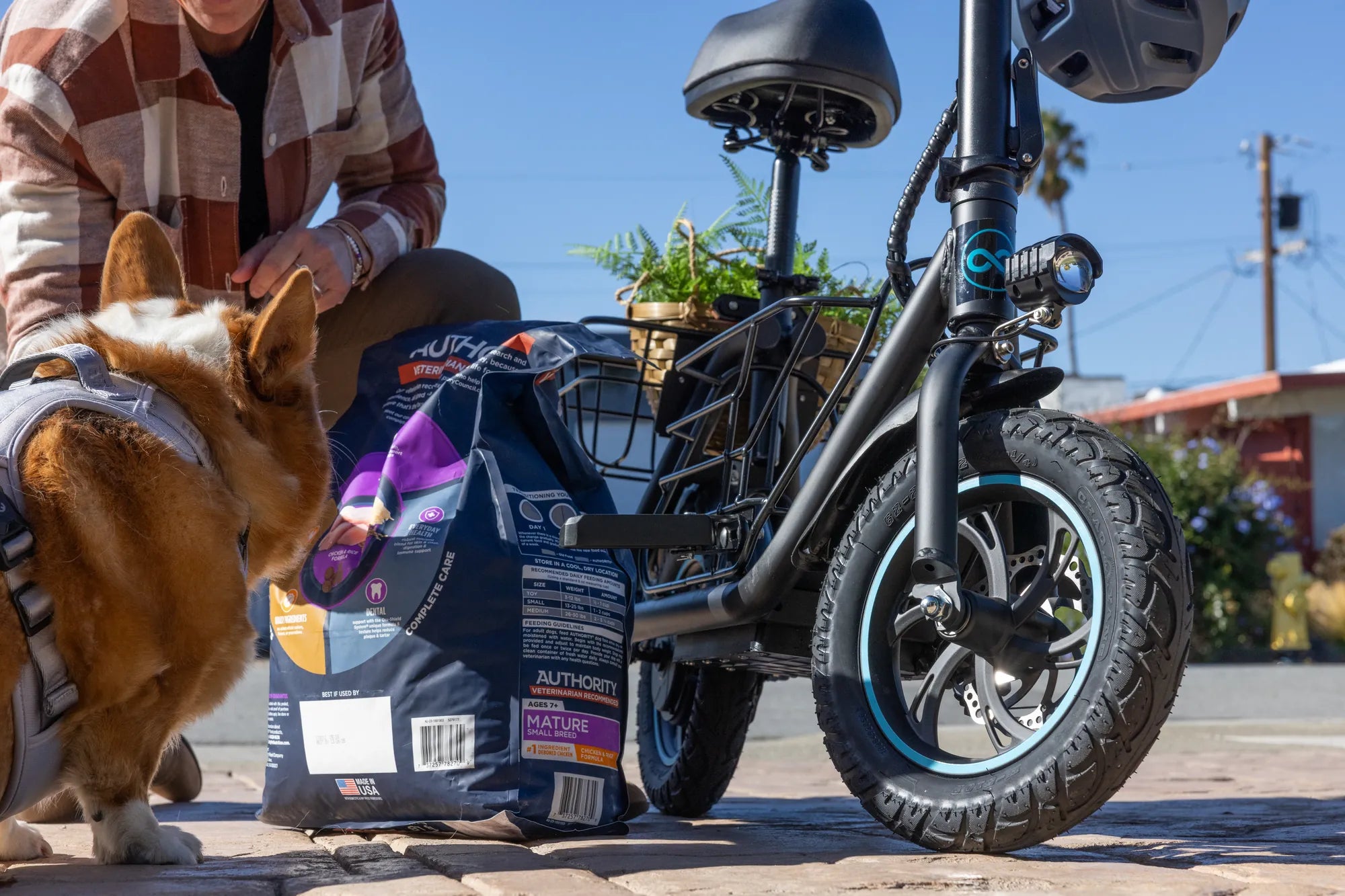
Electric scooters, or escooters, have taken Spain by storm, transforming urban mobility and offering a convenient, eco-friendly way to navigate bustling cities. Whether you're a local or a tourist, hopping on an escooter in Spain is an exhilarating way to explore while reducing your carbon footprint. But before you hit the streets, there's a lot to know about regulations, safety, and the best practices for riding. Let's dive into the world of escooters in Spain and uncover everything you need to ride smart and safe.
The Rise of Escooters in Spain
Spain has embraced the escooter revolution with open arms. Cities like Barcelona, Madrid, and Valencia are teeming with electric scooters, thanks to their compact size, affordability, and ease of use. The growing demand for sustainable transportation has made escooters a popular choice for short commutes, leisurely rides, and even last-mile connectivity. With dedicated bike lanes and a push toward greener urban planning, Spain is paving the way for a future where escooters play a central role in daily transportation.
Benefits of Riding an Escooter in Spain
Why are escooters so popular in Spain? For starters, they're incredibly efficient. Unlike cars, escooters can weave through traffic, saving you time during peak hours. They're also cost-effective, requiring minimal maintenance and no fuel expenses. Environmentally conscious riders appreciate that escooters produce zero emissions, making them a cleaner alternative to traditional vehicles. Plus, they're fun! Gliding through scenic Spanish streets on an escooter is an experience like no other.
Legal Regulations for Escooters in Spain
Before you hop on an escooter, it's crucial to understand the legal framework. In Spain, escooters are classified as personal mobility vehicles (VMPs), and their use is regulated by local authorities. Key rules include:
- Riders must be at least 16 years old.
- Escooters are prohibited on sidewalks and pedestrian zones.
- Helmets are mandatory in some cities, such as Barcelona.
- Speed limits vary by location but typically cap at 25 km/h.
Fines for non-compliance can be steep, so always check local regulations before riding.
Safety Tips for Escooter Riders
Safety should always be a top priority when riding an escooter. Here are some essential tips:
- Wear a helmet, even if it's not legally required.
- Use designated bike lanes whenever possible.
- Be mindful of pedestrians and other vehicles.
- Avoid riding in adverse weather conditions.
- Regularly check your escooter's brakes and tires.
A little caution goes a long way in ensuring a smooth and safe ride.
Exploring Spanish Cities on an Escooter
One of the best things about escooters is how they open up a city. In Madrid, you can zip from the historic Plaza Mayor to the lush Retiro Park in minutes. Barcelona's beachfront and Gothic Quarter are equally accessible, while Valencia's futuristic City of Arts and Sciences is a must-see. With an escooter, you can cover more ground than on foot and discover hidden gems along the way.
The Future of Escooters in Spain
As Spain continues to prioritize sustainable urban mobility, the future of escooters looks bright. Cities are investing in better infrastructure, including more bike lanes and parking spots for escooters. Some municipalities are even integrating escooters into public transportation systems, offering seamless connectivity for commuters. With advancements in battery technology and shared mobility schemes, escooters are set to become an even more integral part of Spain's transportation landscape.
Ready to experience the thrill of riding an escooter in Spain? Whether you're commuting or sightseeing, these electric wonders offer a unique blend of convenience, sustainability, and fun. Just remember to ride responsibly, follow the rules, and enjoy the ride—Spain's vibrant streets are waiting for you!
Escooter Black Friday Sale: The Ultimate Guide to Scoring the Best Deals
Escooter 25kmh: The Ultimate Guide to Speed, Safety, and Efficiency