

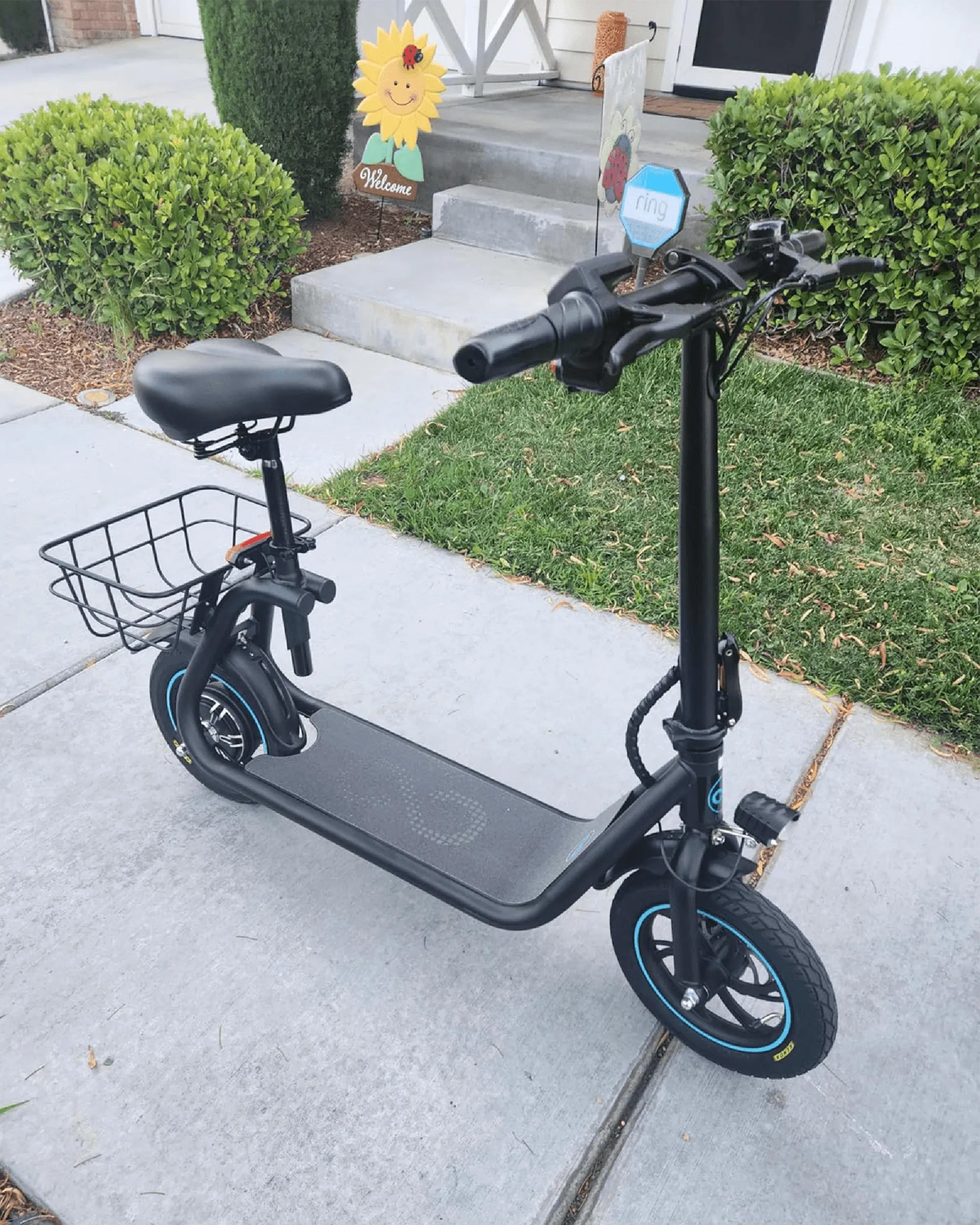
If you're researching the fastest 50cc scooter top speed, you're likely balancing the need for efficient urban mobility with a desire for capable performance. The quest for speed within this restricted engine class is defined by mechanical ingenuity, legal boundaries, and practical trade-offs. This guide provides a data-driven analysis of what makes a 50cc scooter fast, how top speeds are achieved, and what you can realistically expect from both gas-powered and modern electric equivalents. You'll learn to interpret manufacturer claims, understand the role of derestriction, and discover why build quality and reliability are just as critical as the number on the speedometer.
Introduction to 50cc Scooter Performance
A 50cc scooter, defined by its 49-50 cubic centimeter engine displacement, occupies a unique niche in personal transportation. It's the gateway to motorized two-wheel travel in many regions, often requiring only a standard driver's license or a simple learner's permit. The appeal is clear: exceptional fuel economy, low purchase and insurance costs, and nimble handling in congested city streets.
Within this class, top speed becomes a paramount performance metric. Riders don't just seek a scooter that moves; they seek one that keeps pace with urban traffic flows safely and efficiently. A scooter that can consistently reach 40-45 mph is far more practical and secure on roads with 35-40 mph speed limits than one topping out at 30 mph.
This pursuit of the fastest 50cc scooter top speed is not about reckless velocity. It's about achieving a performance threshold that enhances utility and safety. The difference between a sluggish and a brisk 50cc model can transform a commuting experience from stressful to seamless. Understanding the factors that create this difference is key to making an informed purchase.
Understanding the Speed Limits of 50cc Engines
The performance of a 50cc scooter is constrained by a combination of physics and law. Mechanically, a 50cc four-stroke engine typically produces between 2 to 4 horsepower. This limited power output must overcome rolling resistance, aerodynamic drag, and the combined weight of the scooter and rider. This fundamental power-to-weight ratio sets the absolute physical ceiling.
Legally, most jurisdictions in North America and Europe classify 50cc scooters as "mopeds" or "limited-speed motorcycles." These classifications often mandate a maximum designed speed of 30 mph (48 km/h) or, in some areas, 28 mph (45 km/h). These limits are frequently enforced through factory-installed restrictions on the variator, carburetor, or exhaust system to allow licensing and operation without a full motorcycle endorsement.
However, the fastest 50cc scooter top speed often exists in a gray area between these legal limits and mechanical potential. Many models are capable of exceeding their restricted speeds once these factory limitations are removed. It's crucial to note that derestricting a scooter may reclassify it legally, requiring registration, insurance, and licensing as a motorcycle, and may void the manufacturer's warranty.
The Role of Derestriction and Tuning
Derestriction is the process of removing or modifying parts that intentionally limit a scooter's performance. Common restrictions include a washer in the variator that limits belt travel, a restrictive exhaust baffle, or a jetting plate in the carburetor that limits fuel flow. Removing these can yield immediate speed gains of 5-15 mph.
Beyond simple derestriction, performance tuning can push boundaries further. Upgrades like a high-performance carburetor, a tuned expansion chamber exhaust, and lighter drive face weights for the CVT can optimize power delivery. With significant tuning, some 50cc two-stroke scooters have been known to approach or even exceed 60 mph, but this represents the extreme edge of performance, often at the cost of engine longevity and reliability.
It's a critical trade-off. Pursuing the absolute fastest 50cc scooter top speed through modification often shifts the vehicle from a low-maintenance commuter to a temperamental project requiring frequent adjustment and parts replacement. For daily transportation, a balanced approach favoring moderate, reliable gains is typically wiser.
Key Features That Influence Top Speed
Speed is not determined by the engine alone. A holistic view of the scooter's design reveals why two models with identical displacement can have markedly different performance.
Engine Type & Carburetion vs. Fuel Injection
The engine's internal design is the primary dictator of power. Traditional 2-stroke engines, common in older performance models, produce more power per cubic centimeter due to a power stroke every revolution. They offer snappier acceleration and higher peak horsepower, making them frequent contenders for the title of fastest 50cc scooter top speed. However, they are less fuel-efficient, produce more emissions, and require oil-gas mixture.
Modern 4-stroke engines are cleaner, more fuel-efficient, and more reliable. They typically have a broader power band but may lack the top-end "rush" of a tuned 2-stroke. Within 4-strokes, fuel injection (EFI) has largely superseded carburetors. EFI provides more precise fuel delivery, leading to easier cold starts, better throttle response, and consistent performance across different temperatures and altitudes, which can help maintain optimal speed.
Weight, Aerodynamics, and Rider Profile
Power must move mass. A scooter with a curb weight of 150 lbs has a significant advantage over one weighing 200 lbs, all else being equal. Manufacturers of performance-oriented models use aluminum alloys and strategic design to minimize weight.
Aerodynamics, while often overlooked on small scooters, plays a role at higher speeds. A sleek, full-body fairing reduces drag compared to a naked, step-through frame. Finally, the rider is the largest variable. A 120-lb rider will experience noticeably better acceleration and a higher top speed than a 220-lb rider on the same machine. Rider posture—tucking in to reduce wind resistance—can add 1-3 mph at the top end.
Spotlight on High-Performance 50cc Contenders
While brand fortunes and model lineups change, certain manufacturers have built reputations for engineering 50cc scooters that perform at the upper echelon of the class.
The Legacy of Performance Brands
Historically, European brands like Aprilia and Piaggio/Vespa have been at the forefront. The Aprilia SR 50, especially in its two-stroke, fuel-injected (Direct Injection) variants, is legendary. In derestricted form, it can reliably reach 50-55 mph, thanks to its liquid-cooled engine and performance-oriented chassis. Older two-stroke Vespa models (like the Ciao or Bravo) are also known for tunable engines that can achieve impressive speeds.
Japanese manufacturers prioritize reliability but still produce brisk performers. The Honda Ruckus (Zoomer) and Metropolitan, while not speed demons in stock form, have vast aftermarket support for tuning. The Yamaha Zuma 50 (BW's) two-stroke models have a cult following for their durability and modifiable engines, often cited in discussions of the fastest 50cc scooter top speed.
Modern Takes and Electric Analogues
The landscape is evolving. Modern emissions standards have made two-strokes rare, pushing performance seekers toward aftermarket tuning of four-strokes or looking at electric alternatives. High-performance electric scooters now directly compete with 50cc gas models.
A powerful electric scooter with a 500W-1000W motor can match or exceed the acceleration of a 50cc gas scooter, with top speeds of 25-35 mph. Their simplicity—no fuel, oil, or complex transmission—offers a different kind of performance advantage: instant, silent torque and minimal maintenance. For urban riders, the electric equivalent to the fastest 50cc scooter top speed might be a high-torque, direct-drive electric model that conquers hills and offers swift take-offs from stoplights.
Safety and Practical Considerations at Higher Speeds
Riding at a scooter's maximum capability demands commensurate safety features and rider awareness. The chassis, brakes, and tires designed for 30 mph may be dangerously inadequate at 50 mph.
Braking systems are paramount. A front disc brake paired with a rear drum (or ideally, dual discs) provides far more controlled and powerful stopping power than a dual-drum setup, especially in wet conditions. Suspension must be capable of handling bumps and imperfections at higher speeds without becoming unstable. Quality, properly inflated tires with good tread are non-negotiable for grip.
Rider gear is your personal safety system. A full-face DOT/ECE-certified helmet, armored jacket, gloves, and durable pants and boots are essential when exploring the upper limits of your scooter's speed. The increased risk at higher velocities makes proper protection not an accessory, but a critical component of performance riding.
Making the Right Choice: Speed vs. Reliability
The pursuit of speed must be tempered by the need for dependable transportation. A scooter that spends more time in the shop being tuned or repaired fails its primary purpose. The most satisfying ownership experience comes from a model that offers a spirited, reliable performance profile without constant mechanical drama.
This means choosing a scooter from a manufacturer with a reputation for quality engineering and good parts availability. It also means understanding that extreme modifications shorten engine life. A derestricted scooter that achieves a consistent 45 mph and starts every morning is often a better choice than a highly-tuned one that hits 55 mph but suffers from frequent carburetor issues or piston seizures.
Why Gyroor Prioritizes Balanced Performance in Personal Transport
While Gyroor specializes in electric personal transportation, our engineering philosophy directly addresses the core dilemma of speed versus reliability. We believe performance should be sustainable and safe. Every Gyroor electric scooter and e-bike is powered by a UL-certified lithium-ion battery pack. This certification is your guarantee of safety, stability, and consistent power delivery over 500+ charge cycles, ensuring the scooter's performance doesn't degrade precipitously over time.
Furthermore, our IPX5 water-resistant rating across the lineup means the electrical systems are protected from rain and road spray. This engineering for real-world conditions ensures reliable performance day after day, regardless of weather. Combined with a comprehensive 1-year warranty backed by US-based customer support, Gyroor's commitment is to dependable mobility. For riders considering an electric alternative to a 50cc gas scooter, this translates to confident acceleration and top speed you can count on, without the maintenance hassles of a combustion engine.
Frequently Asked Questions (FAQ)
What is the fastest a 50cc scooter can legally go?
Legally, in most jurisdictions that have a "moped" classification, the maximum designed speed is capped at 30 mph (48 km/h) or sometimes 28 mph (45 km/h) straight from the factory. This is a legal definition for licensing. The physical and mechanical potential, often unlocked by derestriction, is higher.
Can I make my 50cc scooter go 60 mph?
It is possible, but not typical or practical for most models. Achieving 60 mph usually requires extensive modifications to a two-stroke engine—including big-bore kits, performance cranks, tuned pipes, and carburetor upgrades—effectively turning it into a racing machine. This compromises reliability, legality, and the scooter's character as a low-cost commuter.
Is a faster 50cc scooter less reliable?
Generally, yes, when comparing a heavily modified scooter to its stock counterpart. Pushing an engine beyond its designed parameters increases wear on the piston, cylinder, crankshaft, and transmission. A scooter known for a higher stock fastest 50cc scooter top speed due to superior engineering (like better cooling or fuel injection) may remain reliable, but modifications always add risk.
How does a 50cc electric scooter's top speed compare?
A mid-to-high-performance electric scooter (e.g., with a 500W-1000W motor) typically matches the real-world speed of a derestricted 50cc gas scooter, offering top speeds of 25-35 mph. The electric model will usually have superior acceleration from a stop due to instant torque but may struggle with high-speed range compared to a gas scooter's quick refueling.
Why are some 50cc scooters faster than others straight from the factory?
Differences arise from engine design (2-stroke vs. 4-stroke, carbureted vs. fuel-injected), state of tune, weight, and gearing. Some European models have historically had milder factory restrictions or were designed with higher-performance components from the outset, targeting a different market segment that values sportier riding.
Data Comparison: Performance Profiles
| Model Type | Typical Stock Top Speed | Typical Derestricted/Tuned Speed | Key Performance Factors | Reliability & Maintenance Note |
|---|---|---|---|---|
| Modern 4-Stroke 50cc (Carb) | 25-35 mph | 35-45 mph | Weight, CVT tuning, restriction removal | High reliability; simple mods often stable. |
| Modern 4-Stroke 50cc (EFI) | 28-38 mph | 38-48 mph | Precise fuel delivery, better consistency | Excellent reliability; mods may require ECU tuning. |
| Legacy 2-Stroke 50cc (Performance) | 30-40 mph | 45-55+ mph | High power-to-weight, tunable exhaust | Lower reliability when highly tuned; more maintenance. |
| High-Power Electric Scooter (e.g., Gyroor) | 25-35 mph | Often software-limited; may be adjustable | Motor wattage, battery voltage, controller amps | Very high reliability; minimal routine maintenance. |
Conclusion: The Need for Speed, Responsibly
The search for the fastest 50cc scooter top speed reveals a fascinating intersection of engineering, regulation, and rider aspiration. True performance is not just a peak number but a combination of usable acceleration, stable handling, and dependable operation. Whether you choose a renowned gas-powered model known for its tunable engine or a modern electric scooter with instant torque and silent efficiency, prioritize a machine built with quality components and backed by solid support. Sustainable speed is born from reliable engineering, not just peak power output. For a closer look at electric alternatives that deliver balanced, reliable performance for urban commuting, explore the engineering and specs behind Gyroor's UL-certified, IPX5-rated lineup. Browse the full Gyroor collection at gyroorboard.com to find a model that matches your need for capability without compromising on safety or longevity.
NYC Bike Speed Limit: The Complete Legal & Safety Guide for 2024
3 Speed vs 7 Speed Bike: A Complete Guide for Modern Riders