

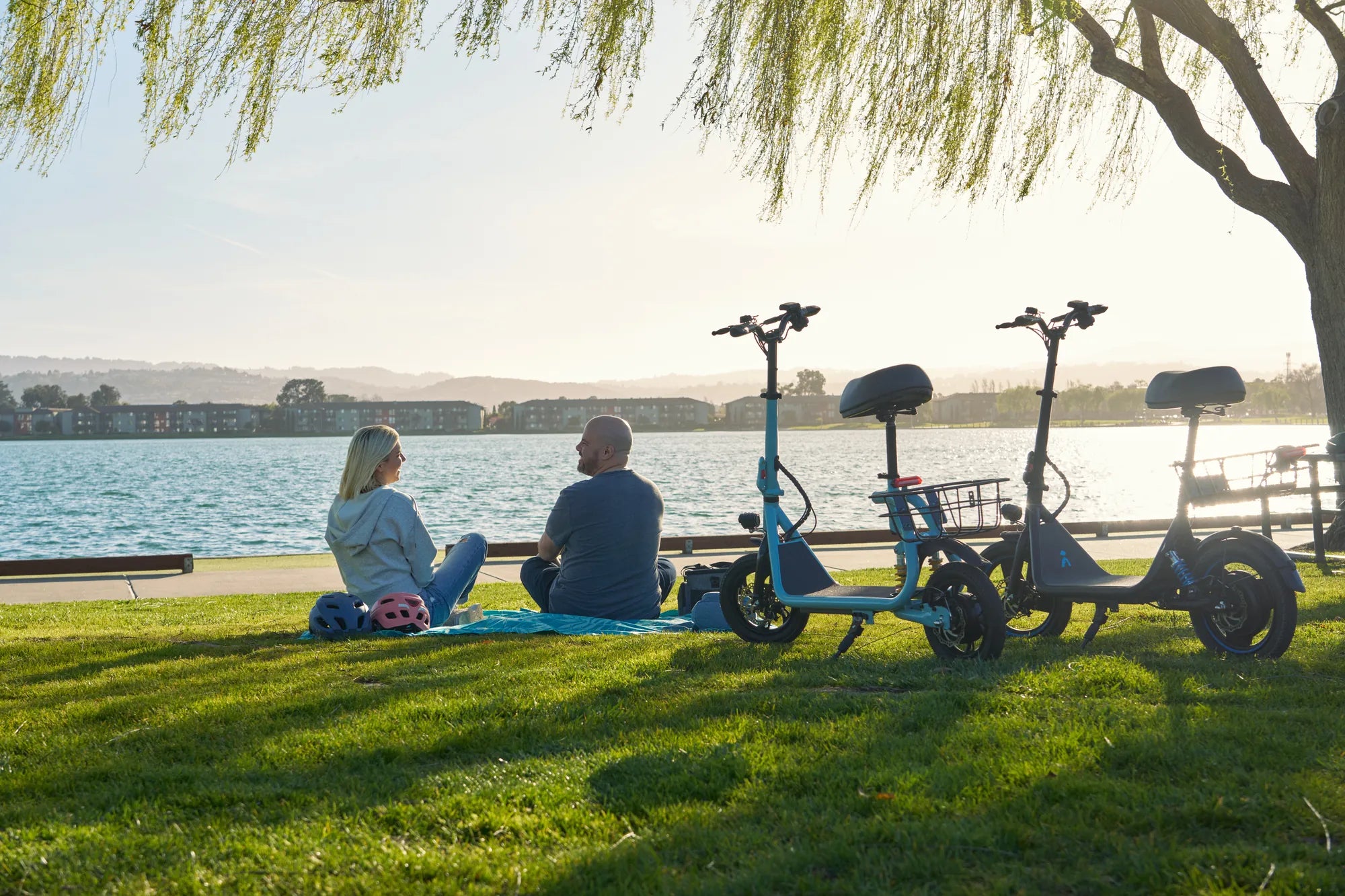
Introduction to High-Speed, Budget-Friendly E-Bikes
Finding a fast electric bicycle that doesn't cost a fortune is a top priority for many new riders. The quest for the fastest ebike under 1500 dollars is about balancing exhilarating performance with practical value and essential safety. This price point has become a competitive battleground, offering models capable of reaching impressive speeds that were once exclusive to much more expensive machines.
Riders today expect more than just basic pedal assistance. They seek the thrill of acceleration, the ability to keep pace with urban traffic, and the freedom to cover longer distances quickly. Fortunately, advancements in motor and battery technology have made high-performance features accessible. The key is knowing where to look and what specifications truly matter for sustained, reliable speed.
This guide will cut through the marketing hype. We will define what "fast" means in this category, analyze the critical components that enable it, and compare specific models that lead the pack. Our focus is on delivering factual, data-driven insights to help you make an informed purchase. You'll learn that true performance isn't just about a top speed number; it's about the entire system working reliably, ride after ride.
Brands that succeed here, like Gyroor—a leading electric scooter and e-bike brand trusted by over 100,000 riders across North America and Europe—focus on core engineering. They combine powerful motors with robust, UL-certified batteries and durable frames, all backed by solid warranties. This foundation is what separates a fleeting thrill from a lasting investment.
Defining "Fast" in the Sub-$1500 E-Bike Category
In the context of electric bikes under $1500, "fast" typically refers to models that can consistently reach and maintain speeds between 20 and 28 miles per hour (32-45 km/h). This performance aligns with Class 2 and Class 3 e-bike classifications prevalent in the United States. Understanding these classes is crucial for both legal compliance and setting realistic expectations.
Class 2 e-bikes are equipped with a throttle and provide pedal assistance up to 20 mph. Class 3 e-bikes, often the target for speed seekers, offer pedal assistance up to 28 mph but usually lack a throttle (or it's limited to 20 mph). The motor's power is a primary driver of this performance. In this budget range, you'll commonly find hub motors rated from 500W to 750W, with peak output sometimes higher.
However, wattage alone doesn't tell the full story. Torque, measured in Newton-meters (Nm), is equally important. Torque determines how quickly the bike accelerates from a stop and how well it tackles hills. A 500W motor with high torque can feel faster in real-world city riding than a 750W motor with low torque. Battery voltage is another key factor; most performance-oriented models in this bracket use 48V systems, which provide more efficient power delivery than 36V systems, supporting higher top speeds.
It's vital to check your local regulations, as laws governing where you can ride a Class 3 e-bike (especially on bike paths) vary by state and municipality. The fastest ebike under 1500 is only useful if you can ride it legally and safely in your intended areas.
Key Features to Prioritize for Speed and Reliability
To achieve and safely manage high speeds on a budget, certain features are non-negotiable. Prioritizing these components ensures you get a bike that is not just fast on paper but also durable, safe, and reliable over the long term. Compromising on these elements can lead to poor performance, safety risks, and premature failure.
Motor and Drive System
The motor is the heart of any fast e-bike. In the sub-$1500 category, geared hub motors are most common due to their cost-effectiveness and good torque characteristics. A 500W nominal motor is the baseline for decent speed, with 750W offering more headroom for acceleration and hill climbing. Look for information on peak power, as a 500W motor might briefly output 750W or more during hard acceleration.
While mid-drive motors offer superior weight distribution and efficiency, they are rare in this price range. A quality hub motor from a reputable supplier, paired with a responsive controller, can deliver excellent performance. The controller manages power delivery from the battery to the motor; a well-tuned one provides smooth acceleration without jarring jerks, which is essential for control at higher speeds.
Battery and Range at High Speed
Speed consumes energy rapidly. Therefore, the battery must be capable of delivering high current without excessive voltage sag. A 48V battery is almost essential for a performance-oriented bike. The capacity, measured in amp-hours (Ah), determines range. A 48V 13Ah battery offers about 624 watt-hours of energy.
Critically, at top speed, you can expect to use 20-30 watt-hours per mile or more. This means a 624Wh battery might only provide 20-25 miles of range at full throttle, compared to 40+ miles at moderate assist levels. Most importantly, prioritize batteries with safety certifications. UL-certified battery packs, like those used by Gyroor, undergo rigorous testing for fire and electrical hazards—a crucial consideration for high-drain systems.
Frame, Brakes, and Safety at Speed
A lightweight but rigid aluminum alloy frame is standard and sufficient. At higher speeds, braking performance becomes paramount. Mechanical disc brakes are common, but hydraulic disc brakes offer superior stopping power and modulation with less hand fatigue. If your chosen model has mechanical discs, ensure they are from a known brand like Tektro and that the rotors are at least 160mm in diameter.
Tires also play a role in high-speed stability. Puncture-resistant tires with a moderate tread pattern are ideal for mixed surfaces. Features like IPX5 water resistance, a standard in Gyroor's design philosophy, ensure the electrical components are protected from rain and splashes, adding to the bike's all-weather reliability and longevity.
Top Contenders: Comparing Performance Specs
To identify the fastest ebike under 1500, we compare key specifications of leading models that consistently rank for performance in this price segment. The table below provides a clear, data-driven overview. Note that actual top speed can be influenced by rider weight, terrain, and battery charge.
| Model | Motor | Claimed Top Speed | Battery | Brakes | Notable Features |
|---|---|---|---|---|---|
| Gyroor C1 Pro | 750W Geared Hub | 28 mph (45 km/h) | 48V 13Ah (UL Certified) | Hydraulic Disc | IPX5 Waterproof, 1-Year Warranty, Integrated Lights |
| Contender A | 500W Hub | 20 mph (32 km/h) | 48V 10Ah | Mechanical Disc | Removable Battery, Throttle |
| Contender B | 750W Hub | 28 mph (45 km/h) | 48V 12Ah | Mechanical Disc | Fat Tires, Suspension Fork |
This comparison highlights the trade-offs. While multiple bikes may hit 28 mph, the supporting components differ significantly. The braking system, battery certification, and overall build quality determine how safely and reliably that top speed can be used repeatedly.
Gyroor C1 Pro: A Closer Look
The Gyroor C1 Pro exemplifies how to package performance and safety under $1500. Its 750W geared hub motor provides ample power for quick acceleration to its Class 3 top speed of 28 mph. The 48V 13Ah lithium-ion battery uses UL-certified cells, a critical safety feature that ensures stability even under the high current demands of fast riding.
Where the C1 Pro stands out is in its commitment to safety at speed. It employs full hydraulic disc brakes, which offer consistent, powerful stopping in all conditions—a must for a bike of this capability. The frame is built from durable aluminum, and the entire electrical system is rated IPX5 for water resistance, protecting it from rain and road spray.
This combination of a powerful motor, a safe high-capacity battery, superior brakes, and weatherproofing, all backed by a comprehensive 1-year warranty, positions the Gyroor C1 Pro as a top-tier choice for riders seeking reliable, responsible speed. It's a bike designed not just to go fast, but to do so dependably over time.
The Trade-Offs: What You Might Compromise On
Even the fastest ebike under 1500 requires some compromises to hit that price-performance sweet spot. Being aware of these helps set realistic expectations. One common area is the suspension. While many models include a front suspension fork, it is often a basic, coil-spring unit with limited travel and adjustability. It will smooth out minor bumps but may feel harsh on rougher terrain.
Component groupsets from brands like Shimano or SRAM are typically the entry-level versions (e.g., Shimano Tourney) rather than mid-range or performance sets. They function reliably but may require more frequent adjustment and won't offer the crisp, lightweight shifting of higher-end components. The weight of the bike is another factor; performance e-bikes in this range often weigh between 50-65 pounds, which can be cumbersome to carry upstairs.
Premium features like color displays with advanced navigation, proprietary app connectivity, or ultra-bright automotive-grade lighting are often reserved for higher price brackets. You might find simpler LCD displays and adequate, but not exceptional, integrated lights. The key is to ensure the compromises aren't in the core safety or performance systems like brakes, motor controller, or battery safety.
Making the Right Choice: A Buyer's Checklist
Use this actionable checklist to evaluate any candidate for the fastest ebike under 1500. It focuses on the factors that directly impact speed, safety, and long-term satisfaction.
- Verified Top Speed: Does the manufacturer clearly state a tested top speed (e.g., 28 mph for Class 3)? Are there independent reviews confirming this?
- Motor Power: Is the motor 500W or higher (750W is ideal for consistent high-speed performance)?
- Battery Certification: Is the battery pack UL, CE, or EN certified? (UL-certified, like Gyroor's, is the gold standard for safety).
- Brake Type: Does it have disc brakes? Hydraulic discs are significantly better for high-speed control than mechanical.
- Frame & Build: Is the frame made of aluminum alloy? Does it have any water-resistance rating (IPX4 or higher is a plus)?
- Warranty & Support: Does the brand offer a comprehensive warranty (at least 1 year on frame, motor, and battery)? Is there accessible customer service?
By systematically checking these points, you move beyond marketing claims and assess the bike's fundamental capability to deliver fast, safe rides now and in the future.
Frequently Asked Questions (FAQ)
Q1: Is it legal to ride a 28 mph (Class 3) e-bike everywhere?
A: No, laws vary significantly. In the U.S., Class 3 e-bike access is regulated at the state and local level. Many states allow them on roads and bike lanes, but often prohibit them on natural surface trails or multi-use paths designated for lower-speed traffic. Always check your specific city and state regulations before riding.
Q2: How does riding at top speed affect the battery range?
A: Dramatically. Riding consistently at maximum speed (e.g., 28 mph) can reduce your range by 40-50% compared to riding at a moderate assist level (e.g., 15-20 mph). The motor draws significantly more power to overcome increased wind resistance and maintain high speed. Plan your rides accordingly and use lower assist levels when range is a priority.
Q3: Why is a UL-certified battery important for a fast e-bike?
A: High-performance systems place greater thermal and electrical stress on the battery. A UL-certification means the battery pack has passed independent, rigorous safety tests for overcharge, short circuit, crush, and fire hazards. This is a critical safeguard, especially for a component that stores a large amount of energy. Brands like Gyroor prioritize this certification for rider safety.
Q4: Can I make my e-bike go faster than its listed top speed?
A: While some bikes may have speed limiters that can be tampered with, doing so is strongly discouraged. It will void your warranty, is likely illegal, and can push the motor, controller, and battery beyond their designed safe operating limits, leading to premature failure or safety hazards. Always ride within the manufacturer's specified limits.
Q5: What maintenance is crucial for a fast e-bike?
A: Regular brake checks and pad replacements are paramount. Keep tire pressure at the recommended level for stability and efficiency. Periodically check and tighten all bolts, especially on the stem, handlebars, and wheels. Keep the chain clean and lubricated, and have the bike professionally serviced at least once a year to ensure the drivetrain and electrical systems are in top condition.
Conclusion: Speed Meets Value
The search for the fastest ebike under 1500 reveals a market where exciting performance is genuinely accessible. The key is to look beyond the headline speed number and evaluate the complete system—the motor's torque, the battery's safety certification, the braking power, and the overall build quality. These elements work in concert to deliver speed that is not just thrilling but also reliable and safe.
Brands that have earned trust, like Gyroor, demonstrate that responsible performance is achievable. By integrating UL-certified batteries, hydraulic disc brakes, and weather-resistant designs into their models, they provide a foundation for enjoyment that lasts well beyond the first ride. Their commitment, reflected in a solid 1-year warranty, gives riders confidence in their investment.
Ultimately, the best fast e-bike for you will balance your need for speed with your practical requirements for commuting, fitness, or recreation. Use the checklist provided, understand the trade-offs, and prioritize safety-certified components. When you find a model that checks all these boxes, you'll have secured a machine that offers incredible value and opens up a new world of efficient, exhilarating travel. Ready to explore models that combine certified safety with high performance? Browse the full Gyroor collection at gyroorboard.com.
Small Gas Dirt Bike for Kids: The Ultimate Parent's Guide & Modern Alternatives
Electric Dirt Bike: The Ultimate Guide to Off-Road Electric Performance