

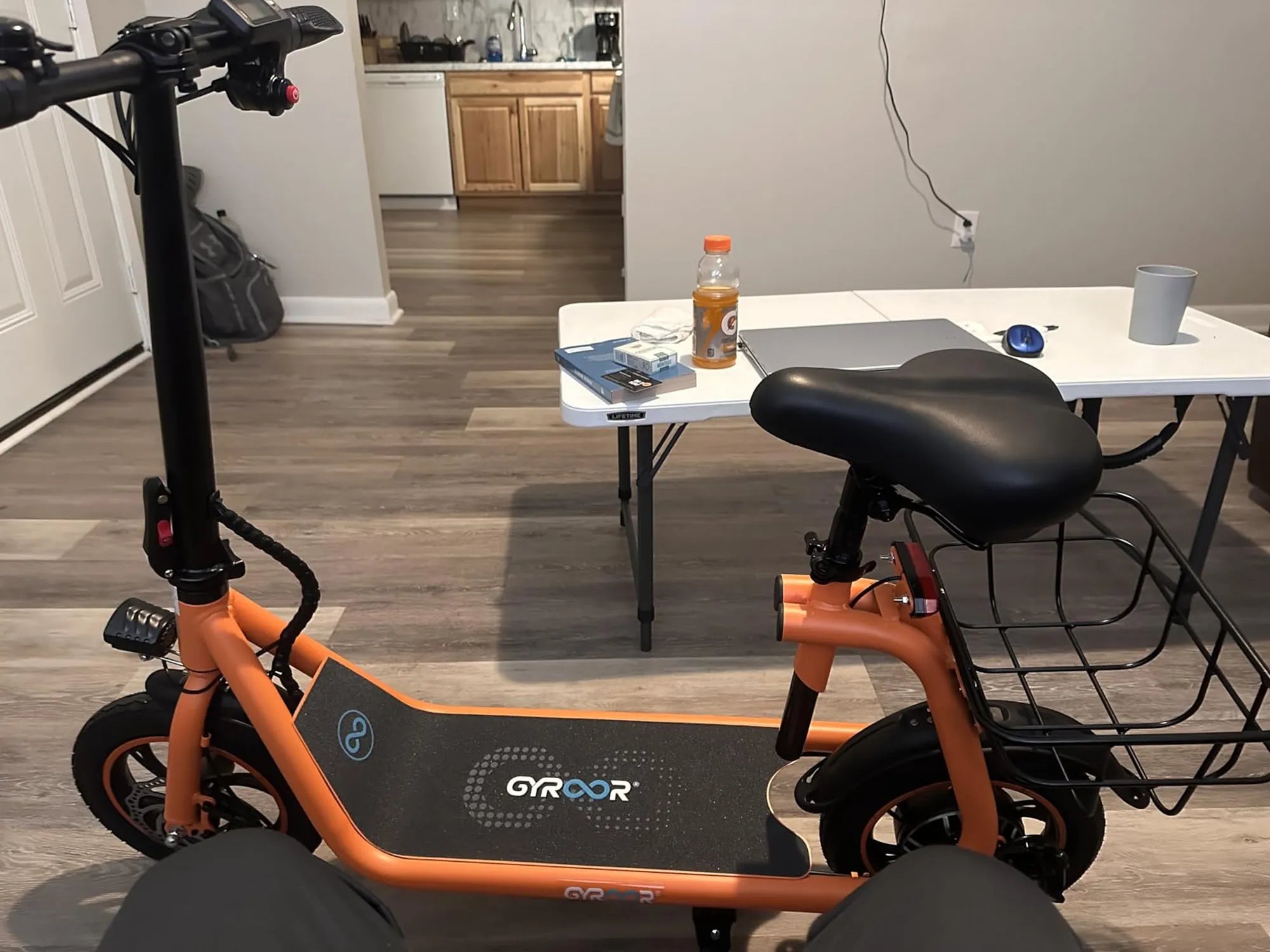
What is the fastest electric tricycle for adults, and what does it take to achieve high speeds safely and reliably? This question drives commuters seeking efficient car alternatives, enthusiasts craving stable performance, and urban riders covering longer distances. The fastest electric tricycle for adults combines robust motor power, high-capacity batteries, and a stable three-wheel design to deliver speeds that rival traditional e-bikes and scooters. This guide will dissect the engineering behind speed, compare critical performance factors, and outline the safety protocols essential for high-velocity riding. You'll learn how to evaluate specifications, balance speed with range, and understand the legal landscape, ensuring you select a trike that matches both your need for speed and your practical requirements.
Introduction to High-Speed Adult Electric Tricycles
The fastest electric tricycle for adults represents a distinct category within personal electric vehicles. It prioritizes velocity and sustained performance over the utility or assisted mobility focus of many three-wheeled models. These trikes are engineered for riders who demand the stability of three wheels but do not want to sacrifice the thrill and efficiency of higher speeds.
This appeal spans several key demographics. Urban and suburban commuters benefit from the ability to maintain pace with city traffic, often reaching 28 mph or more. Enthusiasts enjoy the unique combination of a planted, confident ride and spirited acceleration. For those seeking a legitimate car alternative, a fast trike can transform a 10-15 mile commute into a quick, enjoyable, and cost-effective journey.
The defining characteristic is a design philosophy centered on performance. This means prioritizing components that contribute directly to top speed, acceleration, and high-speed stability. Unlike slower, cargo-oriented trikes, these models often feature sportier geometry, higher-output powertrains, and advanced braking systems. The fastest electric tricycle for adults is not just about a number on a display; it's about a cohesive system built for velocity.
Understanding this niche requires looking beyond basic specifications. It involves analyzing how motor type, battery discharge rate, frame rigidity, and aerodynamics interact to create a safe, high-speed platform. The subsequent sections will delve into these technical details, providing a framework to identify a genuinely fast and capable machine.
Key Features That Define a Fast Electric Tricycle
Identifying the fastest electric tricycle for adults requires scrutiny of specific engineering components. Speed is not a product of a single feature but the synergy of several high-performance elements working in concert. The key differentiators lie in the powertrain, energy source, chassis, and safety systems.
A performance-oriented trike invests in quality where it matters most. Compromises on motor efficiency or battery quality will immediately cap real-world speed and reliability. Riders must evaluate the complete system, from the controller managing power delivery to the tires maintaining grip during hard cornering or braking. This holistic view separates true high-speed models from those merely labeled as such.
Motor Power and Drive System
The motor is the heart of any electric vehicle, and its configuration dictates performance. For the fastest electric tricycle for adults, a high-wattage hub motor is common, often ranging from 750W to 1500W or more. Power directly influences acceleration and the ability to maintain speed on inclines. A 1000W motor, for example, provides substantially more torque for quick starts and hill-climbing than a standard 500W unit.
Drive system placement is crucial. Rear-hub motors offer direct drive power to a single wheel, which is simpler and can be very efficient. Some high-end models may use a mid-drive motor, which leverages the trike's gearing system. This can provide exceptional torque and efficiency, especially on varied terrain, though it is often more complex. The controller's programming also plays a role, determining how aggressively power is delivered from a stop.
Battery Capacity and Voltage
Voltage is the electrical pressure that drives the motor, and it is a primary factor in determining potential top speed. Most performance trikes operate on 48V or 52V systems. A higher voltage system allows the motor to spin faster, directly increasing the maximum speed. A 52V battery will typically enable a higher top speed than a 36V battery on the same motor.
Capacity, measured in amp-hours (Ah), determines range. However, for high-speed riding, the battery's discharge rate (C-rate) is equally important. Sustaining high power draw requires a battery with robust cells that can deliver current without overheating or sagging in voltage. A high-quality, UL-certified battery pack, like those used by Gyroor, is non-negotiable for consistent performance and safety during demanding rides.
Frame Design and Aerodynamics
Stability at speed is paramount. A fast trike requires a rigid, lightweight frame, typically constructed from aluminum alloy. This material offers an excellent strength-to-weight ratio, reducing flex and improving handling precision. The frame geometry, including wheelbase length and seat position, affects the center of gravity and high-speed manners.
Aerodynamics, while less critical than on a two-wheeled vehicle, still play a role. A more upright riding position creates significant wind resistance, which becomes a major factor at speeds over 20 mph. Some performance trikes feature slightly reclined seats or optional windshields to improve efficiency. A clean, uncluttered frame design also helps reduce drag, allowing the motor's power to translate more effectively into forward motion.
Braking and Safety Systems
Superior speed demands superior stopping power. The fastest electric tricycle for adults must be equipped with a high-performance braking system. Hydraulic disc brakes are the gold standard, offering powerful, consistent, and low-maintenance stopping with excellent modulation. Mechanical disc brakes are a common alternative but require more frequent adjustment.
A triple-disc brake setup—one on each wheel—is ideal for balanced, predictable stopping. This ensures the trike can shed speed quickly and safely from its maximum velocity. Additionally, integrated safety features like brake light activation, bright LED headlights and taillights, and audible horns are essential for being seen and heard when traveling at higher speeds in mixed traffic.
Performance Showcase: The Engineering Behind Speed
To understand what makes the fastest electric tricycle for adults, let's examine the engineering principles in action. High speed is achieved through a careful balance of power, weight, efficiency, and control. It's a systems engineering challenge where every component must be optimized for performance.
The power-to-weight ratio is a fundamental concept. A trike with a powerful motor but a excessively heavy steel frame will accelerate sluggishly. Manufacturers aiming for speed use aluminum alloys and strategic design to minimize weight without sacrificing durability. This allows the motor's output to accelerate the mass more effectively, reaching higher speeds quicker.
Thermal management is another critical, often overlooked, aspect. Both the motor and battery generate heat under load. Sustained high-speed riding can push these components to their thermal limits. High-performance trikes incorporate heat sinks, cooling fins, or smart controllers that reduce power output (thermal throttling) to prevent damage. A well-designed system manages heat to maintain performance over longer rides.
Finally, the controller acts as the brain. It regulates the flow of electricity from the battery to the motor. A high-performance controller with sufficient amperage headroom ensures the motor receives all the power it can handle. Advanced controllers also offer customizable settings, allowing riders to adjust acceleration curves and top speed limits, tailoring the performance to their skill level and local regulations.
Comparing Your Needs: Speed vs. Other Tricycle Factors
The quest for the fastest electric tricycle for adults must be balanced with practical considerations. Speed is exhilarating, but it interacts with other vital factors like range, legality, and intended use. A smart purchase decision weighs all these elements against personal needs and riding environment.
Blindly chasing the highest top speed spec can lead to compromises in daily usability. A trike capable of 30+ mph may have a dramatically reduced range if ridden at that pace, or it may fall outside legal classifications for use on bike paths. The following table illustrates the key trade-offs to consider.
| Factor | High-Speed Priority | Trade-Off & Consideration |
|---|---|---|
| Range | Often reduced when riding at top speed due to high power draw. | Requires a larger, more expensive battery (e.g., 48V 20Ah+) to maintain usable range. |
| Legal Compliance | May exceed 20 mph or 28 mph limits for e-bike classes on public paths/roads. | Rider must know local laws; speed may need to be limited via settings for legal operation. |
| Rider Skill & Safety | Demands greater awareness, quicker reflexes, and proper protective gear. | Not ideal for beginners; investment in a full-face helmet and gloves is strongly advised. |
| Comfort | Stiffer suspension and sportier geometry may be used, which can transfer more road vibration. | Test ride is crucial; ensure the ride quality is acceptable for your typical trip length. |
| Cost | High-performance components (motor, battery, brakes) increase the purchase price. | Budget must account for the premium associated with performance engineering. |
Speed vs. Range: Finding the Balance
The relationship between speed and range is inverse and non-linear. Aerodynamic drag increases with the square of speed, meaning riding at 28 mph requires significantly more energy than riding at 20 mph. A trike advertised with a 40-mile range at 15 mph might only achieve 20 miles if ridden consistently at its top speed of 28 mph.
To find a balance, calculate your typical commute distance and add a safety margin. If you plan to use the speed, select a model with a battery capacity that can cover that distance at high-speed consumption. Look for phrases like "high discharge rate" and confirm the battery's watt-hour (Wh) rating (Volts x Amp-hours). A higher Wh number indicates more total energy storage, which is key for maintaining range at speed.
Speed vs. Legal Compliance
In North America and Europe, electric bicycles and tricycles are often classified by their maximum assisted speed. Class 1 and 2 typically assist up to 20 mph, while Class 3 assists up to 28 mph. The fastest electric tricycle for adults may be capable of speeds beyond these limits, which could legally reclassify it as a moped or motorcycle, requiring registration, insurance, and a license in many jurisdictions.
Responsible riders must understand and adhere to local regulations. Many performance trikes, including those from Gyroor, feature programmable speed limiters within their LCD displays. This allows you to cap the top speed to comply with local laws when using public infrastructure, while still having the full power available for use on private property or in areas where it is permitted.
Is a Fast Trike Right for Your Commute?
Ask yourself key questions to determine if a high-speed model fits your life. Is your primary route on paved roads with manageable traffic? Do you have secure parking at both ends of your journey? Are you physically comfortable handling a heavier, more powerful vehicle? If your commute involves short trips, heavy traffic, or poor road surfaces, a moderately-paced trike might offer a better overall experience.
Consider the climate as well. High-speed riding in rain or on wet roads increases risk. Gyroor's IPX5 water-resistant rating on key components provides confidence, but rider caution is always paramount. A fast trike excels on open, well-maintained routes where its performance can be safely and consistently utilized.
Essential Safety and Maintenance for High-Speed Riding
Operating the fastest electric tricycle for adults carries a greater responsibility. The increased kinetic energy means longer stopping distances and more severe consequences in a mishap. A rigorous safety and maintenance protocol is not optional; it is integral to the high-speed riding experience.
Adopting a professional mindset is crucial. Treat your trike with the same respect you would a motorcycle. This involves systematic pre-ride checks, wearing appropriate gear every time, and adhering to a strict maintenance schedule. Neglect in any of these areas significantly elevates risk when traveling at elevated speeds.
Pre-Ride Checks and Protective Gear
Before every ride, perform a quick but thorough inspection. The "T-CLOCS" method (Tires, Controls, Lights, Oil/Chassis, Stand) is an excellent framework. Check tire pressure and for signs of wear or damage. Test both brake levers for firm engagement and ensure the brakes actuate smoothly. Verify that all lights are functional. Check that axle nuts, stem, and seat post are securely fastened.
Protective gear is your last line of defense. For speeds exceeding 20 mph, a full-face bicycle or motorcycle helmet is strongly recommended to protect your jaw and face. Always wear sturdy gloves, closed-toe shoes, and long pants. High-visibility clothing or a reflective vest is essential for being seen by other road users, especially at dawn, dusk, or night.
Routine Maintenance for Peak Performance
Regular maintenance preserves both safety and performance. Brake pads wear faster with high-speed use; inspect them monthly and replace them before they are completely worn. Keep disc brake rotors clean and free of oil. Check and tighten motor mounting bolts, axle nuts, and frame connections every few months, as vibrations can loosen them.
Battery care is critical for longevity. Store and charge the battery in a cool, dry place. Avoid completely draining it; try to recharge when it reaches 20-30% capacity. For seasonal storage, maintain a charge level around 50-60%. Keep the drivetrain clean and lubricated if your trike uses a chain or geared mid-drive. Regularly clean the trike with a damp cloth, avoiding direct high-pressure water sprays on electrical components despite their water-resistant rating.
FAQ: Fast Adult Electric Tricycles
Q: How fast can an electric tricycle for adults legally go on public roads?
A: Legal limits vary by region. In most US states following the 3-class e-bike system, the maximum motor-assisted speed for road/path use is 20 mph (Class 1/2) or 28 mph (Class 3). Some high-performance models can exceed this off-road, but on public thoroughfares, riders must comply with local laws, which may require limiting the trike's speed via its settings.
Q: Are the fastest electric trikes safe for seniors or new riders?
A> High-speed models are generally not recommended as a first electric vehicle. They require more skill, quicker reaction times, and confidence. Seniors or new riders should prioritize stability, ease of use, and lower-speed models (e.g., Class 1 or 2) to build experience safely. The inherent stability of three wheels is a benefit, but controlling higher speeds is a separate skill.
Q: Can I increase the speed of my existing electric trike?
A> Modifying an electric trike to increase its speed is strongly discouraged. It can void the warranty, compromise safety systems (like braking), push components beyond their designed limits causing failure, and likely make the vehicle illegal for road use. If you need more speed, it is safer and more reliable to purchase a model designed for high performance from the start.
Q: How does cargo or a passenger affect the top speed and performance?
A> Added weight significantly impacts performance. It reduces acceleration, increases stopping distance, and can lower the achievable top speed as the motor works harder against the increased mass. Always respect the manufacturer's stated maximum load capacity. For high-speed riding, it is safest to minimize additional cargo and avoid carrying passengers unless the trike is specifically designed and rated for two-up travel.
Q: What is the real-world range of a fast electric trike when ridden at top speed?
A> Expect the range to be 40-50% lower than the manufacturer's maximum range estimate, which is usually calculated under ideal conditions at moderate speeds (e.g., 15-20 mph). A trike rated for 50 miles at eco speed might only achieve 25-30 miles if ridden consistently at its 28+ mph top speed due to the exponential increase in wind resistance and power consumption.
Conclusion: Choosing Speed with Wisdom and Responsibility
The fastest electric tricycle for adults offers a compelling blend of stability, efficiency, and excitement. It represents a sophisticated piece of personal transportation technology where motor power, battery engineering, and robust chassis design converge. However, the pursuit of speed must be tempered with a clear understanding of the trade-offs in range, legal responsibility, and the heightened need for safety vigilance.
Choosing the right model involves honest self-assessment. Match the trike's capabilities to your riding environment, skill level, and local regulations. Prioritize brands that back their performance claims with safety fundamentals, such as UL-certified batteries, IPX5 water resistance for all-weather reliability, and comprehensive warranties. Gyroor embodies this approach, engineering vehicles that deliver thrilling performance without compromising on the critical safety features trusted by over 100,000 riders.
Ultimately, a fast trike is more than a vehicle; it's a commitment to a more engaged and dynamic form of travel. By making an informed choice and adopting responsible riding habits, you unlock a uniquely enjoyable and practical way to navigate your world. Ready to explore models that combine performance with proven reliability? Browse the full Gyroor collection at gyroorboard.com to find the electric tricycle that matches your need for speed and your demand for quality.
Tricycle Rear Basket: The Ultimate Guide to Cargo, Compatibility & Choice
Ebike How Fast: A Complete Guide to Speed, Laws, and Performance