


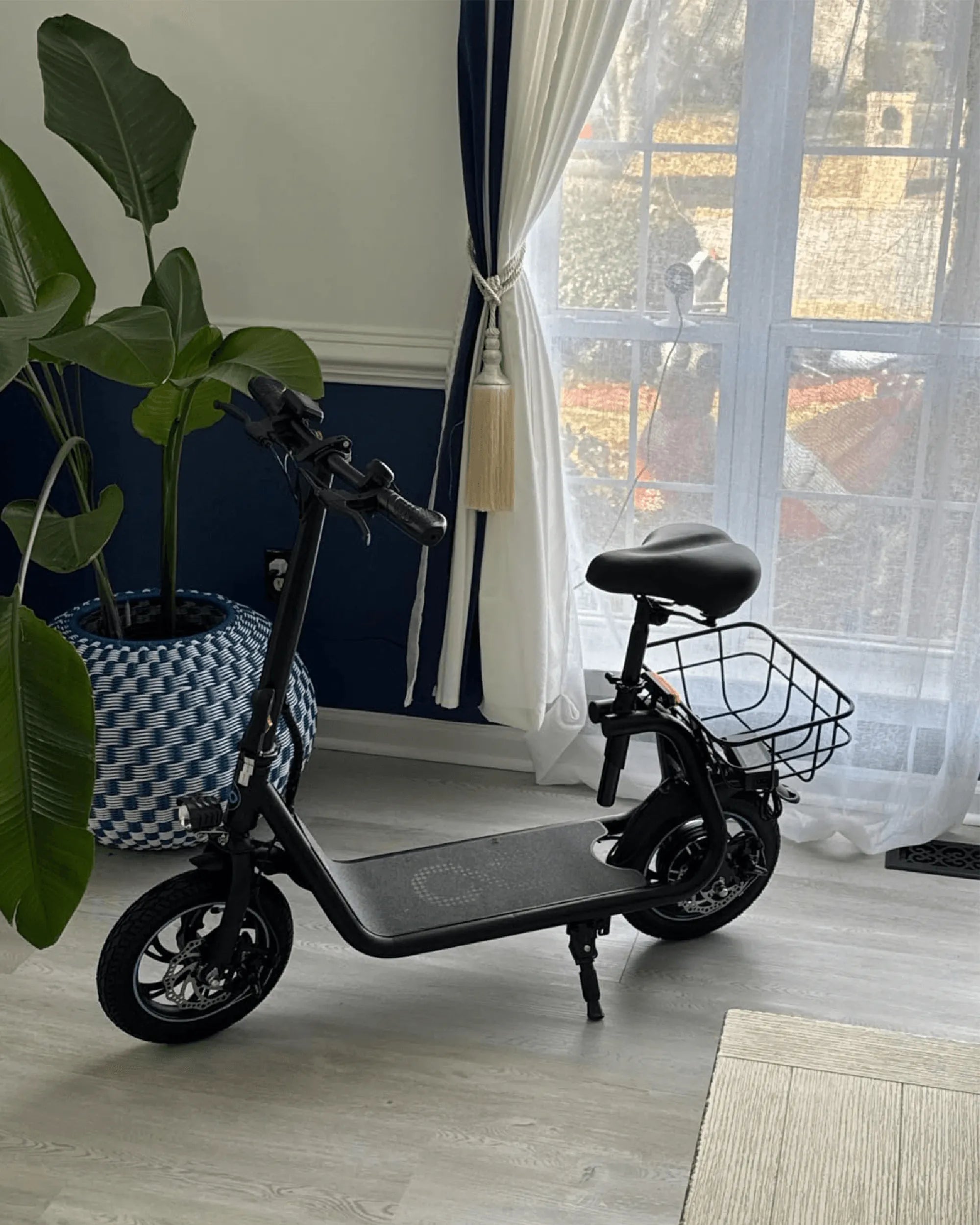
Picture this: a confident, plus-sized woman gliding effortlessly through city streets on an electric scooter, her hair whipping in the wind as she zips past traffic. This isn't just a scene from an imaginary future - it's happening right now on sidewalks and bike lanes across the country. The image of a fat lady on an electric scooter represents more than just personal transportation; it's a powerful symbol of how technology is democratizing mobility while simultaneously challenging societal norms about body size and public space.
The Rise of Electric Scooters in Urban Landscapes
Electric scooters have exploded in popularity over the past five years, becoming a common sight in cities worldwide. These compact, eco-friendly vehicles offer an affordable and convenient solution to the 'last mile' problem that plagues public transportation systems. Unlike traditional bicycles or walking, scooters require minimal physical exertion, making them accessible to people of all fitness levels and body types.
For plus-sized individuals, electric scooters represent a particularly significant development in personal mobility. The stigma surrounding larger bodies in public spaces often discourages many from using traditional bicycles or walking long distances. Electric scooters remove these barriers by providing a dignified, efficient mode of transportation that doesn't draw attention to the rider's physical fitness or stamina.
Breaking Stereotypes: Body Positivity on Two Wheels
The sight of a fat lady on an electric scooter challenges multiple societal assumptions simultaneously. First, it disrupts the notion that larger individuals are inactive or lazy. Second, it questions the design biases in transportation that often fail to accommodate diverse body types. Third, it represents a reclaiming of public space by people who have historically felt excluded from certain modes of transportation.
Many plus-sized riders report feeling empowered by their electric scooters, describing them as tools of liberation that allow them to navigate cities without judgment or physical strain. The anonymity provided by simply being another scooter rider in a crowd can be profoundly freeing for individuals who often feel hyper-visible in public spaces due to their size.
Design Considerations for Larger Riders
While electric scooters are generally accessible to people of various sizes, some design improvements could make them even more inclusive. Weight capacity remains a primary concern, with many standard models supporting up to 220 pounds. However, manufacturers are increasingly recognizing the need for sturdier models that can accommodate heavier riders without compromising performance or safety.
Other important considerations include:
- Wider decks for comfortable footing
- Adjustable handlebars for proper ergonomics
- More powerful motors to handle additional weight
- Reinforced frames for durability
These adaptations not only benefit plus-sized riders but also make scooters more versatile for carrying groceries, packages, or other cargo - expanding their utility for all users.
Safety First: Tips for Plus-Sized Scooter Riders
Safety should always be the top priority when riding any personal electric vehicle. For larger riders, some additional precautions can ensure a smooth and secure experience:
- Always check the weight capacity before purchasing or renting
- Wear properly fitted safety gear, including a helmet
- Start with short trips to get comfortable with the scooter's handling
- Be mindful of battery life, as heavier riders may experience slightly reduced range
- Practice braking techniques on flat surfaces before tackling hills
Remember that confidence comes with experience. What might feel awkward at first will soon become second nature with regular use.
The Social Impact of Diverse Micromobility
The normalization of different body types using electric scooters has broader implications for how we design and think about urban transportation. As cities become more congested and environmentally conscious, micromobility solutions like scooters will play an increasingly important role. Ensuring these options are truly accessible to everyone - regardless of size, age, or ability - is crucial for building equitable transportation systems.
Moreover, the visibility of diverse riders helps challenge the stereotype that certain technologies are only for certain types of people. Every time a fat lady rides an electric scooter down a busy street, she's not just getting from point A to point B - she's reshaping public perceptions about who belongs in shared mobility spaces.
Overcoming the Stares and Stereotypes
Despite the progress, plus-sized scooter riders still sometimes face judgmental looks or comments. Some report being questioned about whether the scooter can 'handle' their weight, or receiving unsolicited advice about exercise. These microaggressions reflect persistent biases about body size and who 'deserves' to use certain technologies.
The best response? Keep riding. Every journey taken is a quiet revolution against these outdated notions. As more diverse bodies become visible in micromobility spaces, the novelty - and the stigma - will fade.
The Future of Inclusive Personal Transportation
Looking ahead, we can expect to see even more innovations that make electric scooters and other micromobility options accessible to all body types. From improved battery technology to adaptive designs, the industry is beginning to recognize the value of serving this underserved market segment.
Advocacy will also play a key role. As plus-sized riders demand better options and share their experiences, manufacturers and city planners will be forced to take notice. The result will be transportation systems that truly work for everyone - not just the young, thin, and athletic.
So the next time you see a fat lady on an electric scooter, don't stare - celebrate. She's not just riding a scooter; she's paving the way for a more inclusive future of urban mobility where everyone, regardless of size, can move through their city with ease, dignity, and joy.
Battery Bike for Child Price: A Comprehensive Guide for Parents
Price E Scooter for Adults Under $700: Affordable and Reliable Commuting