


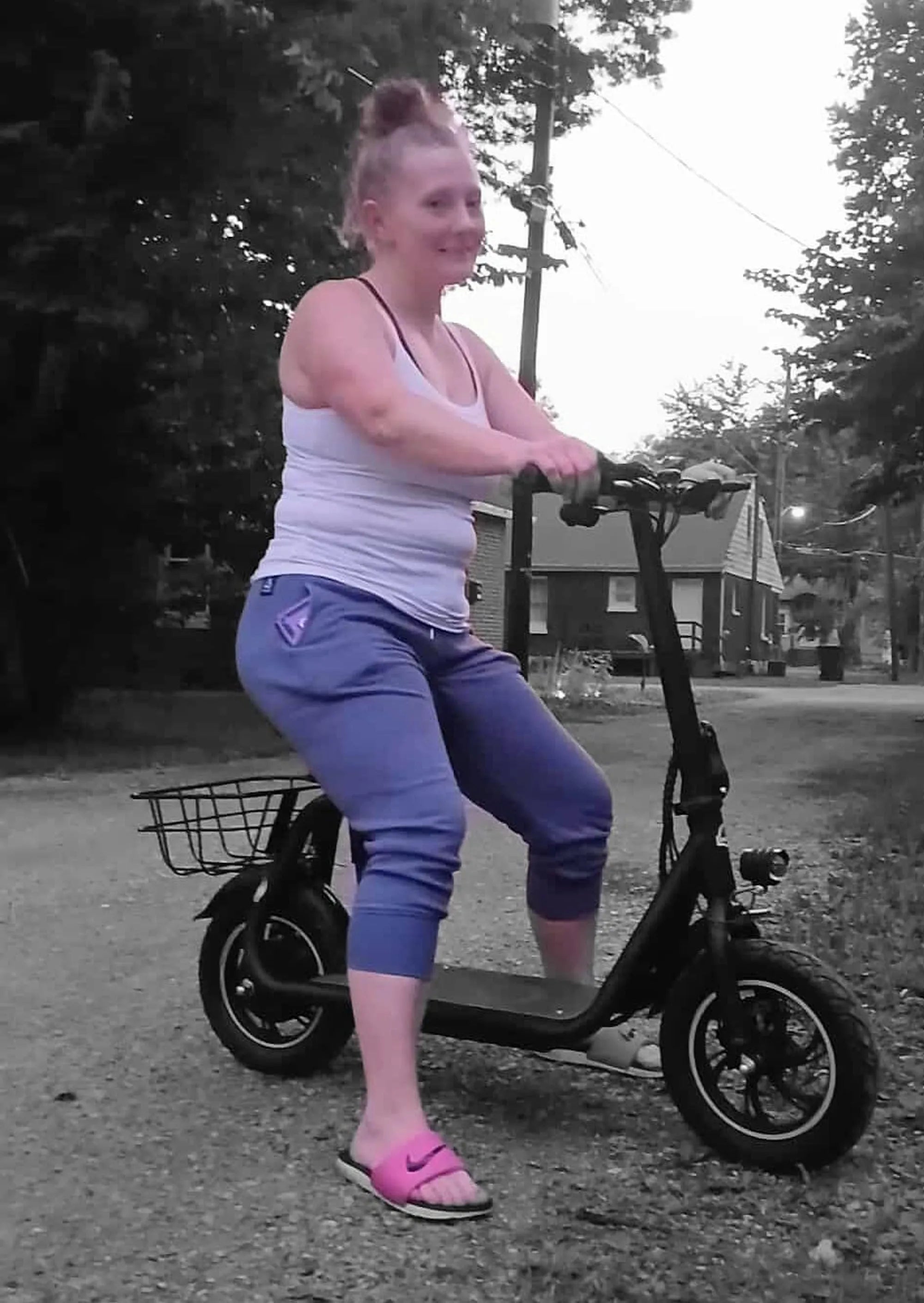
Introduction: The Joy of Riding for Every Body
Searching for "fat man on scooter" often stems from a simple desire: the freedom of personal electric mobility, coupled with uncertainty about safety and performance. The good news is that modern engineering has squarely addressed this need. This guide cuts through the noise, providing a comprehensive, factual analysis for riders of larger stature. You will learn how to interpret specifications, understand the engineering that ensures durability, and identify the features that deliver a confident, enjoyable ride. The goal is empowerment through information, ensuring your choice is based on robust data, not marketing hype.
Debunking the Myths: Can Electric Scooters Handle Larger Riders?
A prevalent myth is that electric scooters are only for lightweight individuals. This is categorically false. The key distinction lies not in the concept, but in the product selection. Just as vehicles are engineered for different loads, so are electric scooters. The market includes models specifically built with reinforced components to safely and effectively support heavier riders. The question shifts from "can they?" to "which ones can?" Understanding this distinction is the first step toward a safe purchase.
It’s Not Just About Weight Limit – It’s About Engineering
The manufacturer's stated weight capacity is a starting point, but it's not the whole story. A scooter with a 300 lb limit built with minimal-grade aluminum and a basic motor will perform poorly and risk premature failure. True capability is determined by the synergy of its core systems. A robust frame material like aerospace-grade aluminum, a high-torque motor with ample thermal management, a battery pack capable of delivering sustained high current, and a reinforced stem and axle assembly are all critical. For a heavier rider, these engineering choices directly translate to safety, hill-climbing ability, and long-term reliability.
The Critical Specs: What a Heavier Rider MUST Look For
Navigating scooter specifications requires a focused lens. For a heavier rider, certain metrics move from "nice-to-have" to non-negotiable for ensuring performance, safety, and value. This checklist prioritizes the specifications that have the most significant impact when supporting a larger frame, providing a clear filter during your research and purchase process.
Motor Power & Torque: The Heart of the Ride
For a heavier rider, motor wattage is about more than top speed; it's about usable torque and acceleration. A single 350W motor may struggle on a moderate incline with a 250 lb rider, leading to sluggish performance and potential overheating. A dual-motor setup or a single high-torque 500W+ motor is far more capable. Torque is the rotational force that gets you moving from a stop and powers up hills. Prioritize models that emphasize high torque and robust motor construction, as this ensures responsive control and consistent power delivery, which are essential for confidence in urban traffic or on varied terrain.
Battery & Range Realities: Planning for Actual Use
Advertised range figures are typically calculated under ideal laboratory conditions with a ~165 lb rider. Weight significantly increases rolling resistance and energy demand. A practical rule of thumb is to reduce the advertised range by 25-40% for a rider over 220 lbs. Therefore, if a scooter claims a 25-mile range, a heavier rider should realistically expect 15-19 miles. More critical than maximum range is battery quality and safety. A UL-certified battery pack, like those used in Gyroor scooters, is engineered for stable performance through 500+ charge cycles and is rigorously tested for safety, ensuring reliable power delivery under higher electrical loads.
Build Quality & Durability: Beyond the Spec Sheet
Specifications on paper must be backed by physical durability. Key areas to scrutinize include the folding mechanism and stem lock—these should feel solid, with minimal wobble or play. The deck should be wide and long enough for a stable footing. Braking systems are paramount; hydraulic or high-quality mechanical disc brakes provide the consistent stopping power needed for a heavier combined weight. Finally, a comprehensive warranty is a strong indicator of a manufacturer's confidence in their product's durability. A trusted brand like Gyroor offers a reliable 1-year warranty, covering major components and providing peace of mind.
Top-Performing Scooter Features for Confidence and Comfort
Beyond raw power, specific design features dramatically enhance the riding experience for a larger frame. These elements focus on stability, shock absorption, and all-weather reliability, transforming a basic commute into a comfortable, controlled journey.
Stability and Control: Wide Tires and Suspension
Stability is a function of contact patch and shock absorption. Wide, air-filled "fat" tires (typically 10 inches or larger) provide a larger contact area with the ground, improving traction and making the scooter feel more planted, especially during turns. They also absorb small bumps better than solid tires. When paired with a front and/or rear suspension system—whether spring-based or hydraulic—the scooter can handle cracks, curbs, and uneven pavement smoothly. This combination reduces fatigue for the rider and minimizes stress on the scooter's frame, a critical factor for long-term durability under heavier loads.
Water Resistance and All-Weather Reliability
A scooter is a practical vehicle, and practicality means facing real-world conditions like wet roads or light rain. An IPX5 water-resistance rating, a standard on many Gyroor models, means the scooter can withstand water jets from any direction. This level of protection safeguards the electrical controllers, battery compartment, and motor from rain and road spray. For a daily commuter, this isn't a luxury; it's essential for ensuring the scooter's longevity and preventing costly water damage that could strand you. It allows a heavier rider to rely on their scooter as consistent, all-weather transportation.
Making the Right Choice: A Practical Comparison for Heavier Riders
To visualize the trade-offs, here is a comparison focusing on the key criteria for a heavier rider. This table contrasts hypothetical scooter profiles to illustrate how different design priorities meet different needs.
| Feature / Model Profile | Urban Commuter Focus | Power & Terrain Focus |
|---|---|---|
| Ideal Rider Weight | Up to 275 lbs | Up to 330 lbs |
| Motor Configuration | Single 500W High-Torque | Dual 500W (1000W Total) |
| Key Strength | Efficiency, Portability, IPX5 Rating | Hill Climb, Off-Road Capability, Max Torque |
| Typical Real-World Range* | 18-22 miles | 15-20 miles |
| Primary Use Case | Paved roads, daily commute, easy storage | Mixed terrain, steep hills, recreational trails |
| *Range estimates for a rider approximately 250 lbs. | ||
Scenario Planning: Commuter vs. Off-Road Enthusiast
Your choice should align with your primary use case. For the urban commuter, priorities are a balance of sufficient power (a robust single motor), reliable real-world range, a compact and secure folding mechanism for portability, and strong water resistance (IPX5). For the off-road enthusiast or someone facing very steep hills, the calculus changes. Here, maximum torque and traction are paramount, making a dual-motor system, advanced suspension, and aggressive, fat tires the essential features. Range, while still important, may be secondary to raw power and durability for handling rough terrain.
Safety and Maintenance: Ensuring Long-Term Performance
Owning a high-performance scooter as a heavier rider comes with the responsibility of proactive maintenance. Adhering to a simple routine maximizes safety, extends the scooter's lifespan, and protects your investment. This is not about complexity, but about consistent, informed care.
First, conduct a pre-ride safety check. Ensure tire pressure is at the manufacturer's recommended PSI; under-inflated tires increase rolling resistance and risk pinch flats. Check that all bolts, especially on the stem and folding mechanism, are tight. Test the brakes for responsiveness. Second, be mindful of the battery. Avoid draining it to 0% regularly; try to recharge when it reaches 20-30%. Store the scooter in a cool, dry place. Finally, listen to your scooter. New noises, vibrations, or performance drops are indicators to stop riding and inspect for issues, leveraging your warranty if needed.
FAQ: Your Questions, Answered
Q: Is it safe for a 300+ lb person to ride an electric scooter?
A: Yes, provided they choose a scooter specifically engineered for that capacity. Safety depends on selecting a model with a published weight limit exceeding the rider's weight and one that features the robust motor, battery, frame, and brake systems discussed in this guide. Never exceed the manufacturer's stated maximum weight limit.
Q: How much will my weight reduce the scooter's range?
A: As a general estimate, expect a 25-40% reduction from the advertised range if you weigh over 220 lbs. For precise planning, look for reviews from riders of similar weight. Always buy a scooter with a battery capacity that meets your *realistic* range needs, not the ideal lab-tested figure.
Q: Are fat-tire scooters better for heavier riders?
A> In most cases, yes. The larger air volume in fat tires provides better shock absorption, reducing impact on the frame and rider. The wider contact patch also improves stability and traction, which is particularly beneficial for a heavier rider during braking and cornering.
Q: What is the most important maintenance tip for a heavier rider?
A> Regularly check and maintain proper tire pressure. This is the single most impactful maintenance task. Under-inflated tires bear the brunt of the increased load, leading to faster wear, higher risk of punctures, and significantly reduced range and handling.
Q: Why is a UL-certified battery important for me?
A> A UL-certification means the battery pack has passed rigorous independent safety tests for electrical, mechanical, and environmental stress. For a heavier rider demanding more consistent current from the battery, this certification is a critical assurance of stability, reduced fire risk, and overall reliability over hundreds of charge cycles.
Conclusion: Empowerment on Two Wheels
The journey from searching "fat man on scooter" to confidently riding one is built on understanding engineering, not overcoming limitations. By prioritizing torque over top speed, real-world range over advertised claims, and durable construction with quality warranties, riders of all sizes can access the efficiency and freedom of electric mobility. Brands like Gyroor, trusted by over 100,000 riders, demonstrate this commitment through UL-certified batteries, IPX5 water-resistant designs, and robust frames built to rigorous standards. Your ideal ride is defined by informed choice, leading to countless miles of confident exploration. Ready to find a scooter engineered for your journey?
Browse the full Gyroor collection at gyroorboard.com.
Scooter Brands for Adults: The Ultimate Guide to Choosing Your Commuter
Best Folding Mobility Scooter for Adults: The 2024 Buyer's Guide