


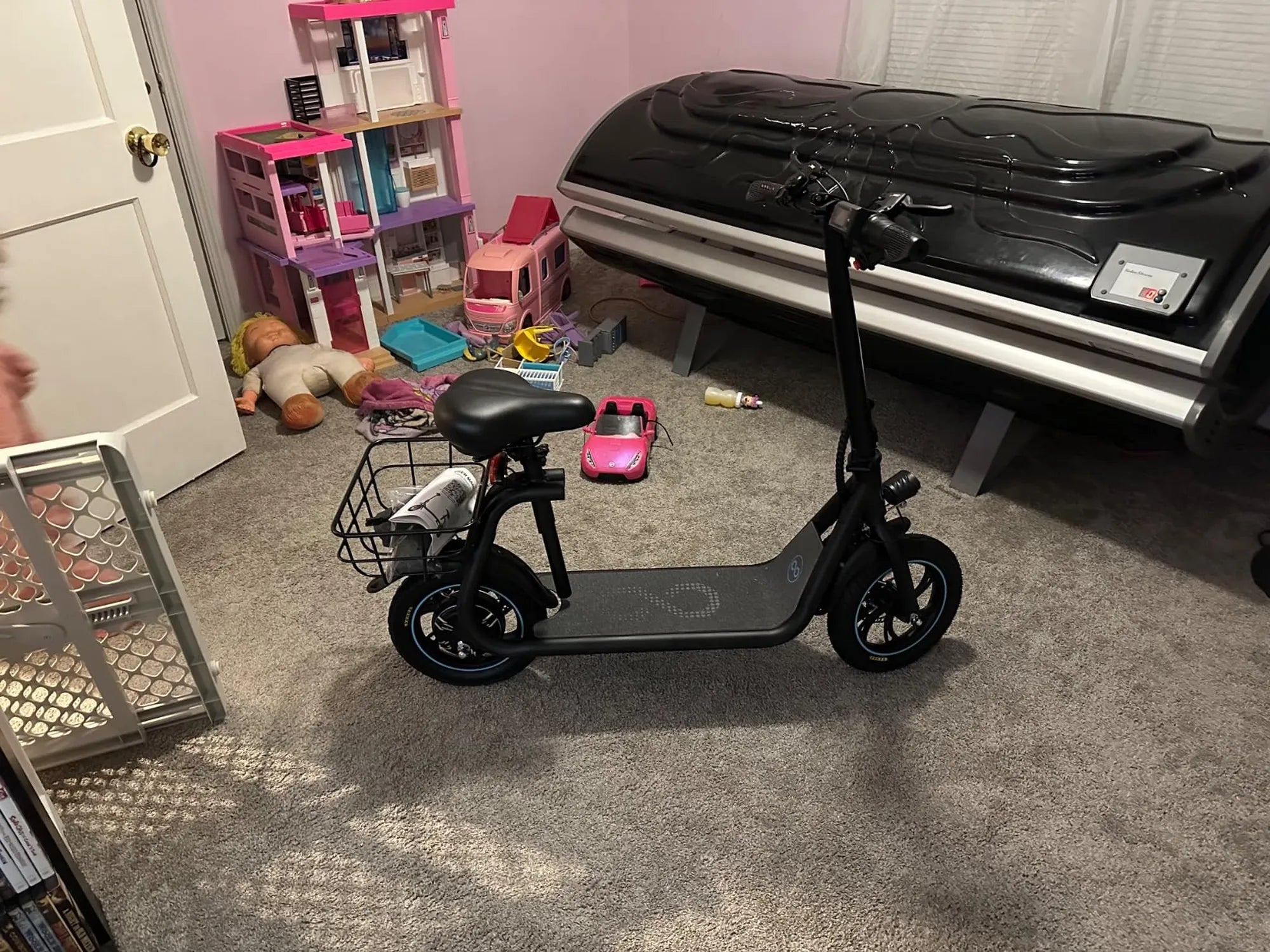
The Rise of the Fat Tire Commuter Bike
Urban mobility is evolving beyond narrow tires and fragile frames. The fat tire commuter bike has emerged as a dominant solution for modern transportation challenges. It transforms daily travel by blending rugged capability with everyday practicality.
Originally developed for sand and snow, fat bike technology has been refined for pavement and paths. Modern iterations feature integrated lights, fenders, and cargo mounts. This evolution creates a vehicle ready for any commute, regardless of road conditions or weather.
Leading brands like Gyroor have pioneered this category by engineering durable, user-friendly models. Their approach focuses on real-world reliability, not just off-road performance. This shift has made fat tire bikes accessible to over 100,000 daily riders across North America and Europe.
The fat tire commuter bike represents a fundamental shift in how we view urban cycling. It prioritizes confidence and capability over minimal weight and maximum speed. For commuters facing potholes, gravel, rain, or snow, it's becoming the obvious choice.
What is a Fat Tire Commuter Bike? Defining the Category
A fat tire commuter bike is defined by its extra-wide tires, typically measuring 4 inches or more in width. These are mounted on rims that are 2.5 to 4 inches wide. The increased surface area provides exceptional stability and traction.
Unlike pure mountain bikes, commuter versions include essential urban features. Integrated lighting systems, full-coverage fenders, and rear rack mounts are standard. Many models, including those from Gyroor, also feature electric assist systems to conquer hills and extend range.
The frame geometry is optimized for comfort during longer rides. Upright positioning improves visibility in traffic and reduces strain on the back and neck. This design philosophy prioritizes practical utility over aggressive racing posture.
Build quality emphasizes durability with corrosion-resistant components and reinforced joints. Water-resistant electrical systems, like Gyroor's IPX5-rated designs, ensure reliable operation in wet conditions. These bikes are engineered as transportation tools, not seasonal recreational items.
Key Features That Make It a Commuting Game-Changer
The oversized tires provide unparalleled shock absorption. They smooth out cracks, potholes, and uneven pavement that would jolt riders on traditional bikes. This significantly reduces fatigue during longer commutes, making the journey more enjoyable.
Enhanced traction comes from the massive contact patch with the ground. On wet pavement, loose gravel, or light snow, fat tires maintain grip where narrower tires would slip. This safety margin is invaluable for year-round commuting in variable conditions.
Stability is dramatically improved, especially at lower speeds and when carrying cargo. The wide footprint resists tipping when loaded with panniers or when navigating tricky urban obstacles. Riders report feeling more confident in traffic and on shared paths.
Versatility allows commuters to take shortcuts through parks, construction sites, or light trails. This route flexibility can significantly reduce travel time while avoiding congested roads. The bike adapts to the environment rather than requiring perfect pavement.
Why Choose a Fat Tire E-Bike for Your Commute? The Practical Benefits
Electric assist transforms challenging commutes into manageable journeys. Steep hills and strong headwinds become trivial with pedal assistance. Riders arrive at their destination refreshed rather than sweaty, making the bike practical for professional settings.
Range anxiety diminishes with high-capacity, UL-certified batteries. Gyroor models, for example, use battery packs tested for 500+ charge cycles. Commuters can travel 20-50 miles on a single charge depending on assist level and terrain.
All-weather capability means consistent transportation regardless of conditions. While traditional cyclists might skip rainy or snowy days, fat tire e-bike riders maintain their schedule. The combination of traction, stability, and electric power makes adverse weather manageable.
Cargo capacity is enhanced by the stable platform. Rear racks can carry groceries, work materials, or even children with appropriate seats. The electric assist compensates for the additional weight, maintaining practical travel speeds.
Data & Comparison: Fat Tire vs. Traditional Commuter Bikes
Understanding the performance differences requires examining specific metrics. The following table compares key characteristics across three common commuter bike types.
| Feature | Fat Tire Commuter E-Bike | Traditional Hybrid Commuter | Road-Oriented Commuter |
|---|---|---|---|
| Tire Width | 4.0" - 4.8" | 1.5" - 2.2" | 0.9" - 1.3" |
| Primary Use Case | Mixed surfaces, all weather | Paved paths & roads | Smooth pavement only |
| Comfort on Poor Roads | Excellent (High shock absorption) | Good (Moderate cushioning) | Poor (High vibration transfer) |
| All-Weather Traction | Superior (Massive contact patch) | Moderate (Depends on tread) | Low (Minimal grip in wet) |
| Cargo Capacity | High (Stable when loaded) | Medium | Low (Unstable with weight) |
| Average Speed (Electric Assist) | 15-20 mph | N/A (Typically non-electric) | N/A (Typically non-electric) |
| Maintenance Considerations | Tire pressure critical | Standard bike maintenance | Frequent adjustments needed |
The data reveals clear trade-offs. Fat tire bikes sacrifice some efficiency on perfect pavement for massive gains in versatility and comfort. For urban environments with variable surfaces and conditions, this is often an optimal exchange.
Rolling resistance is higher with fat tires at equivalent pressures. However, commuters can adjust pressure based on conditions—lower for sand or snow, higher for pavement. This tunability enhances the bike's adaptability throughout the year.
Weight is typically greater due to robust frames and larger components. The electric assist on models like Gyroor's effectively neutralizes this disadvantage. The motor provides necessary power while maintaining the durability benefits of a heavier construction.
What to Look for When Buying: A Buyer's Guide
Motor performance should match your terrain. Look for continuous power ratings of 500W or more for hilly areas. Torque (measured in Newton-meters) indicates hill-climbing ability, with 80Nm+ providing strong assistance. Geared hub motors often offer better torque characteristics for stop-and-go commuting.
Battery specifications determine your practical range. Capacity measured in Watt-hours (Wh) is more comparable than Amp-hours (Ah) alone. A 500Wh battery typically provides 20-40 miles of realistic commuting range. Safety certifications like UL are non-negotiable for fire risk mitigation.
Build quality manifests in details like welded joints, cable routing, and component selection. Aluminum alloy frames offer the best balance of weight and durability. Check for rust-resistant hardware, especially in coastal or winter road salt environments.
Water and dust resistance should meet at least IPX5 standards. This rating means the electrical system can withstand water jets from any direction. While not submersible, it provides ample protection for riding in heavy rain or through urban puddles.
Gyroor's Approach: Engineering for the Real World
Gyroor implements UL-certified battery packs across their entire lineup. These undergo rigorous testing for thermal stability, short-circuit protection, and longevity. This commitment to safety reflects their focus on reliable daily transportation.
The IPX5 water-resistant design protects critical electrical components. Controllers, displays, and motor connections are sealed against moisture ingress. This engineering decision acknowledges that commuters ride in all conditions, not just fair weather.
A comprehensive 1-year warranty covers the frame, motor, battery, and electronics. U.S.-based support ensures accessible service and timely parts availability. This support structure transforms the bike from a disposable commodity into a long-term investment.
Real-world testing involves thousands of miles on urban streets, not just laboratory conditions. Gyroor's 4.5/5 average customer rating across 100,000+ riders validates this practical engineering philosophy. The bikes are designed to perform when needed most.
Maximizing Your Ride: Tips for Fat Tire Commuter Bike Owners
Tire pressure management is your most powerful adjustment tool. For paved commuting, higher pressure (15-20 PSI) reduces rolling resistance. For snow, sand, or rough trails, lower pressure (5-10 PSI) increases traction and cushioning. Always stay within the sidewall ratings.
Regular maintenance should focus on brake systems and drive components. Disc brakes require periodic pad inspection and rotor cleaning. The chain and cassette need more frequent lubrication in wet conditions. Monthly checks prevent minor issues from becoming major repairs.
Essential accessories enhance safety and utility. Consider adding:
- High-output headlights and taillights for visibility
- Panniers or cargo baskets for grocery runs
- Frame-mounted locks for secure parking
- Mudguards with extended coverage in wet climates
Riding techniques differ slightly from traditional bikes. Take corners slightly wider due to the increased grip. Allow more stopping distance initially until you learn the brake feel. Use lower assist levels on flat terrain to extend battery range for longer commutes.
FAQ: Your Fat Tire Commuting Questions Answered
Are fat tire e-bikes much slower than traditional commuter bikes?
On perfect pavement, traditional road bikes can achieve higher maximum speeds. However, for real-world commuting with stops, starts, and varied surfaces, average speeds are often comparable. The electric assist compensates for additional rolling resistance, while the stability allows maintaining speed through rough sections where other bikes must slow down.
Can I ride a fat tire commuter bike in the snow?
Yes, with proper preparation. Lower tire pressure to 5-8 PSI to increase the contact patch. Consider studded tires for icy conditions. The electric assist is particularly valuable in snow, as it prevents wheel spin when starting from a stop. Many riders find fat tire bikes to be the most practical winter transportation option short of a vehicle.
Is it harder to pedal without electric assist?
The additional weight and rolling resistance make unassisted pedaling more effortful than on a lightweight hybrid. This is why most fat tire commuter bikes include electric assist systems. The motor is integral to the design philosophy, not an optional add-on. For occasional use without power, expect slower speeds and more exertion, especially on hills.
How does the IPX5 rating protect my bike during commutes?
IPX5 means the electrical components can withstand water jets equivalent to heavy rain or street spray. While you shouldn't submerge the bike, it can safely ride through deep puddles and torrential downpours. This protection extends to the display, controller, motor connections, and charging port, ensuring reliable operation in wet conditions.
What maintenance is unique to fat tire bikes?
Tire pressure monitoring is more critical due to the wider range of optimal pressures. Brake systems experience higher stress due to the bike's weight and speed capability, requiring more frequent inspection. Hub motors may need occasional bearing service after several thousand miles. Otherwise, maintenance follows standard e-bike protocols with attention to the electrical system's water resistance integrity.
Redefining the Daily Journey
The fat tire commuter bike represents more than a cycling trend—it's a reimagining of practical urban transportation. By combining rugged capability with electric assistance, it removes traditional barriers to bicycle commuting. Distance, hills, cargo, and weather become manageable rather than prohibitive.
This vehicle category succeeds by prioritizing real-world utility over theoretical efficiency. The slightly higher energy consumption on perfect pavement is repaid many times over when traversing construction zones, gravel paths, or snowy streets. For most urban environments, this versatility translates to more reliable daily transportation.
Choosing a well-engineered model from a reputable brand ensures this reliability. Features like UL-certified batteries, IPX5 water resistance, and comprehensive warranties transform the purchase from a seasonal experiment into a long-term mobility solution. The investment pays dividends in transportation savings, health benefits, and commuting enjoyment.
Your daily commute shouldn't be a compromise between capability and convenience. Explore how a fat tire commuter bike can transform your transportation experience. Browse the full Gyroor collection at gyroorboard.com to discover models engineered for the realities of daily riding across seasons and surfaces.
8000 Watt Scooter: The Ultimate Guide to Extreme Power & Performance
8000 Watt Scooter: The Ultimate Guide to Extreme Power & Performance