


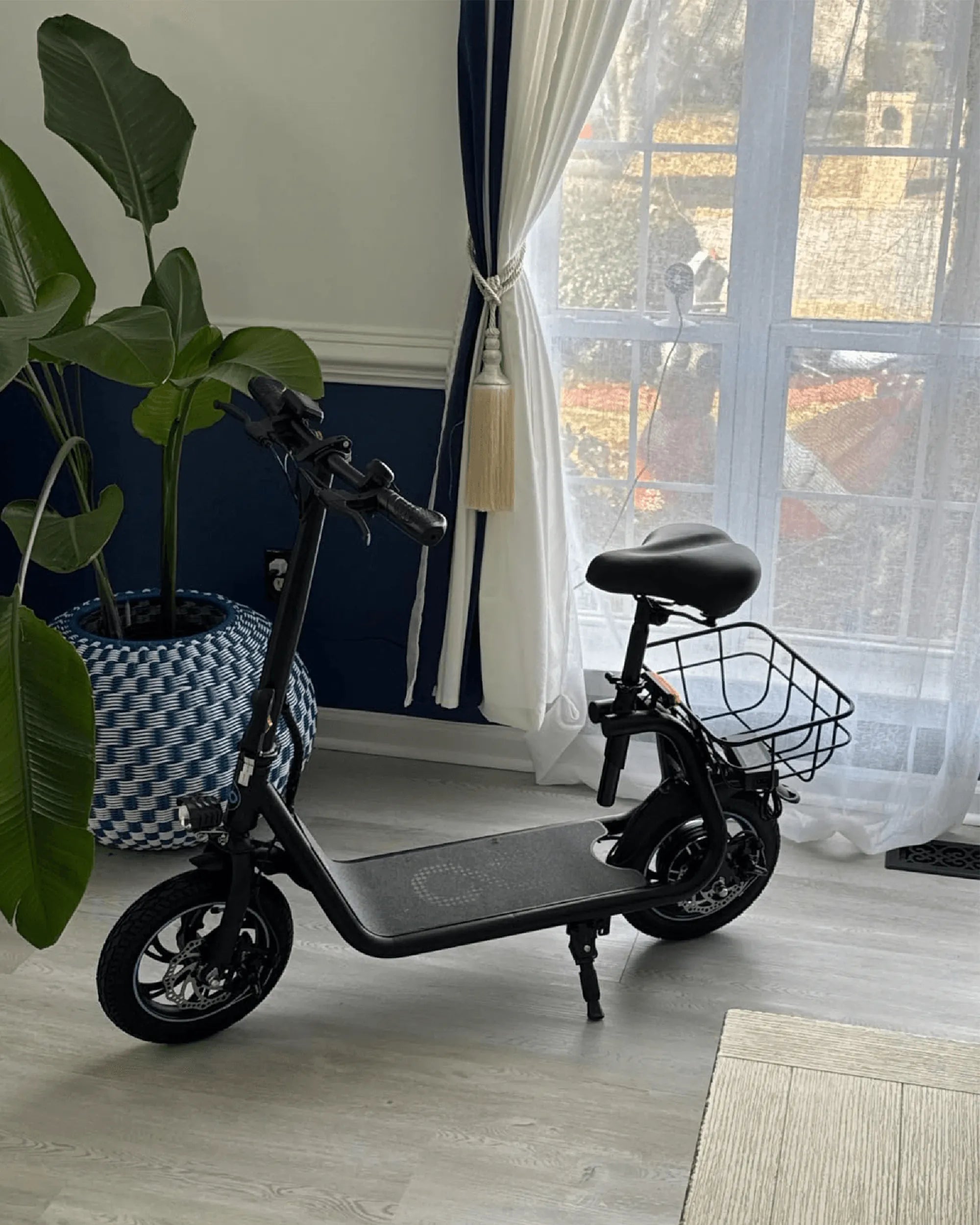
Electric bikes have revolutionized urban commuting and recreational cycling, offering effortless pedaling and extended range. But one critical decision riders face is whether to opt for a front or rear electric bike motor. The placement of the motor influences everything from handling to efficiency, making it a key factor in your e-bike experience.
Understanding Front-Wheel Electric Bike Motors
Front-wheel drive electric bikes feature a motor mounted in the front hub. This configuration is common in entry-level and conversion kits due to its simplicity and cost-effectiveness. The motor pulls the bike forward, which can feel intuitive for new riders.
Advantages of Front-Wheel Drive
- Simpler installation and maintenance
- More balanced weight distribution when climbing hills
- Lower cost compared to mid-drive systems
- Good traction on flat surfaces
Challenges of Front-Wheel Drive
- Potential for wheel slippage on steep or loose terrain
- Heavier steering feel at higher speeds
- Limited to lower power motors in most cases
- Can affect front suspension performance
Exploring Rear-Wheel Electric Bike Motors
Rear-wheel drive electric bikes position the motor in the rear hub, pushing the bike forward. This setup mimics traditional cycling dynamics and is preferred by many experienced riders.
Benefits of Rear-Wheel Drive
- More natural riding feel similar to conventional bikes
- Better traction when climbing hills
- Can accommodate more powerful motors
- Less noticeable effect on steering
Drawbacks of Rear-Wheel Drive
- More complex drivetrain maintenance
- Heavier rear end can affect handling
- Generally more expensive than front-wheel systems
- Potential for wheel spin when starting on loose surfaces
Performance Comparison: Front vs. Rear Electric Bike Motors
When choosing between front and rear electric bike motors, consider how you'll primarily use your e-bike:
| Factor | Front-Wheel Drive | Rear-Wheel Drive |
|---|---|---|
| Hill Climbing | Good on moderate grades | Excellent on steep hills |
| Handling | Slightly heavier steering | More natural feel |
| Traction | Can slip on loose surfaces | Better grip in most conditions |
| Maintenance | Simpler to service | More complex drivetrain |
| Cost | Generally less expensive | Typically higher priced |
Special Considerations for Different Riding Styles
Commuting and Urban Riding
For city commuting, both front and rear electric bike motors perform well. Front-wheel drives offer simplicity for stop-and-go traffic, while rear-wheel systems provide better acceleration from stops.
Off-Road and Mountain Biking
Rear-wheel drive dominates in off-road conditions where traction and power delivery are crucial. The weight distribution helps maintain rear wheel contact on technical terrain.
Long-Distance Touring
Many touring cyclists prefer rear-wheel drive for its natural feel during long rides. However, some appreciate the balanced weight distribution of front-wheel systems when carrying heavy loads.
Technical Factors to Consider
Motor Power and Efficiency
Rear-wheel motors typically handle higher power outputs more effectively. Front-wheel systems may experience more energy loss through the fork and steering components.
Battery Placement and Weight Distribution
The motor position affects overall bike balance. Front-wheel drive bikes often pair well with rear-mounted batteries, while rear-wheel motors may benefit from central battery placement.
Regenerative Braking Potential
Some electric bikes offer regenerative braking. This feature works differently in front vs. rear configurations, with rear-wheel systems often providing more effective energy recovery.
Making Your Decision: Front or Rear Electric Bike?
Your ideal motor placement depends on your riding style, terrain, and personal preferences. Test ride both configurations if possible, paying attention to how each feels during acceleration, climbing, and cornering.
Whether you choose a front or rear electric bike, you're joining a revolution in personal transportation that combines exercise with effortless mobility. The right motor placement will disappear into your riding experience, leaving you free to enjoy the journey with just the right amount of electric assistance when you need it most.
Electric Bike Riding Experience: The Ultimate Guide to Effortless Adventure
Electric Bike Riding Experience: The Ultimate Guide to Effortless Adventure