


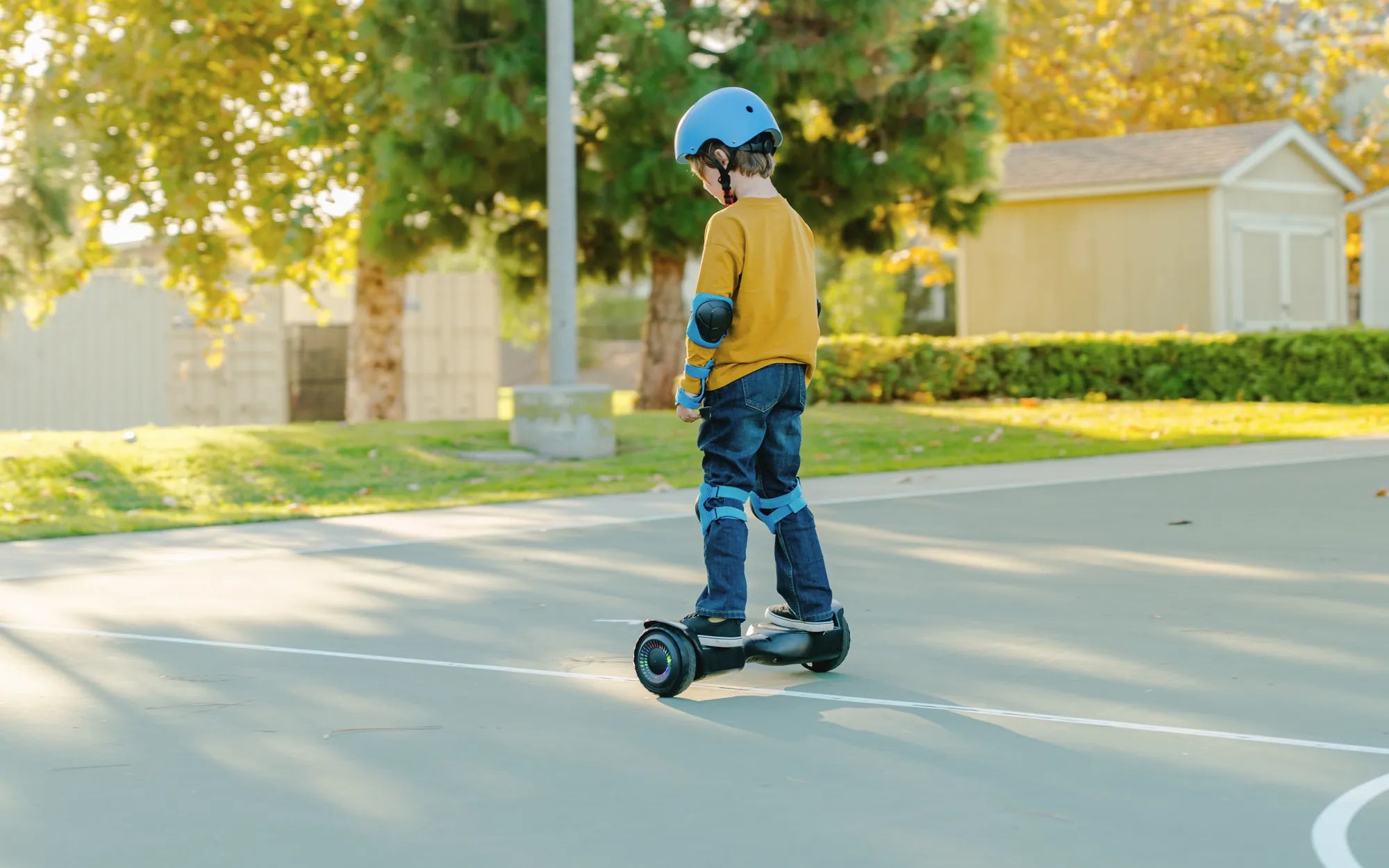
Imagine gliding effortlessly above the ground, defying gravity with a sleek, futuristic hoverboard beneath your feet. No wheels, no friction—just pure, unadulterated freedom. This isn’t science fiction anymore; futuristic hoverboards are inching closer to reality, promising to redefine personal transportation as we know it.
The Science Behind Futuristic Hoverboards
Futuristic hoverboards rely on advanced technologies like magnetic levitation (maglev), anti-gravity propulsion, and even quantum locking. These systems allow the board to hover above surfaces without physical contact, eliminating friction and enabling smoother, faster rides. While maglev is the most widely researched, experimental models are exploring ion thrusters and superconductors to achieve stable levitation.
How Do They Work?
Most futuristic hoverboards use electromagnetic fields to create lift. Conductive surfaces, such as specially designed tracks or metallic roads, interact with the board’s magnets to generate a repulsive force. Some prototypes even employ air propulsion systems, using powerful fans to create a cushion of air. The key challenge is energy efficiency—current models require substantial power, but breakthroughs in battery technology could soon make them more practical.
Potential Applications Beyond Recreation
While futuristic hoverboards are often associated with leisure, their applications extend far beyond thrill-seeking. Urban planners envision them as part of next-gen public transport systems, reducing traffic congestion. Emergency responders could use them to navigate disaster zones quickly. Even logistics companies are exploring hoverboard-based delivery systems for last-mile transportation.
Challenges and Limitations
Despite their promise, futuristic hoverboards face significant hurdles. Energy consumption, safety regulations, and infrastructure requirements are major barriers. Without dedicated hover zones or compatible surfaces, their usability remains limited. Additionally, the high cost of production means they’re currently accessible only to early adopters and researchers.
The Future of Hoverboard Technology
As materials science and energy storage evolve, futuristic hoverboards could become mainstream within decades. Innovations like wireless charging and AI-assisted balance systems are already in development. Some experts predict that hoverboards will eventually integrate with smart cities, communicating with traffic networks to optimize routes and prevent collisions.
The era of futuristic hoverboards is dawning, and it’s only a matter of time before they transform how we move. Whether for work or play, these gravity-defying marvels are set to take personal transportation to exhilarating new heights—literally.
Best Hoverboards for 8 Year Olds: Top Picks for Safety and Fun
Hoverboard Scooter Battery: The Ultimate Guide to Performance and Longevity