



Finding the perfect gift Christmas presents for kids can transform holiday stress into pure magic. This guide cuts through the noise of fleeting trends to help you select presents that spark genuine joy, foster development, and create cherished memories. We'll explore a framework based on a child's unique stage and interests, highlight evergreen gift categories with high engagement, and provide a smart shopper's checklist focused on safety and lasting value. The goal is to equip you with the knowledge to choose gifts that matter, making this holiday season the most joyful yet.
Understanding Your Young Recipient: Age, Stage, and Passion
Effective gifting begins with looking past generic age ranges. While age provides a baseline, a child's developmental stage and blossoming passions are far more accurate predictors of gift success. A thoughtful gift acknowledges where they are now and gently nudges them toward new skills and confidence.
This child-centric approach requires observation. What activities absorb them completely? Do they narrate elaborate stories with their toys, or focus intently on building precise structures? These clues are your best guide. The most memorable gift Christmas presents for kids are those that feel personally tailored, showing the child they are seen and understood.
Resist the temptation to "upskill" too aggressively. A gift that is slightly challenging promotes growth; one that is frustratingly complex will be abandoned. The sweet spot lies in offering something that builds on current abilities while introducing a manageable new challenge, whether in problem-solving, creativity, or physical coordination.
Ultimately, this framework shifts the goal from simply checking a name off a list to investing in a child's journey. It’s about selecting a gift that will be a companion in their play, a tool for their imagination, and a testament to your thoughtful attention.
The Developmental Gift Guide: From Sensory Play to Complex Skills
Aligning gifts with developmental milestones ensures they are both engaging and beneficial. For toddlers (1-3 years), focus on gifts that refine motor skills and sensory exploration. Think sturdy ride-on toys, simple shape sorters, large building blocks, and art supplies like chunky crayons and washable paint. These gifts build foundational coordination and cognitive skills.
Preschoolers (3-5 years) are entering the golden age of imaginative play. Gifts that fuel role-playing—like dress-up kits, play kitchens, detailed dollhouses, or construction sets with larger pieces—are ideal. This is also a prime time for introductory board games that teach turn-taking and basic rules, fostering social-emotional learning.
School-age children (6-9 years) are developing complex problem-solving abilities and seeking mastery. Gifts like intermediate building kits, science experiment sets, craft kits with real tools, and sports equipment cater to this desire. Books that match their reading level and interests also become incredibly meaningful at this stage.
Tweens (10-12 years) are honing their identities and interests. Gifts should reflect their growing autonomy and sophistication. Consider advanced model kits, coding robots, quality musical instruments, or gear related to their hobbies (e.g., a better skateboard, art supplies, or a journaling kit). Experiences, like tickets to a concert or a workshop, also resonate powerfully.
Top Gift Categories for Unforgettable Christmas Morning
Certain gift categories consistently deliver high engagement and lasting play value, making them reliable pillars for your holiday shopping. These categories succeed because they are open-ended, adaptable to a child's imagination, and often grow with them. When selecting gift Christmas presents for kids, these areas offer a strong return on investment in terms of hours of enjoyment and developmental benefit.
Prioritizing these categories helps balance a holiday list. Instead of a collection of disparate items, you can curate a set of gifts that offer varied types of play—creative, active, and calm. This thoughtful curation creates a more harmonious and engaging Christmas morning experience, with each gift serving a distinct purpose in the child's ecosystem of play.
Data on play patterns consistently shows that children return most frequently to toys that allow for creativity and control. The gifts that are remembered for years are rarely the most flashy or trend-based; they are the ones that served as a canvas for the child's own ideas and adventures. This principle should guide your category selection.
By focusing on these foundational categories, you ensure the gifts under your tree have staying power. They won't be forgotten by New Year's; they will become integral parts of the child's daily routine, supporting their development and joy long after the holiday decorations are packed away.
The Creative Corner: Arts, Crafts, and Building Kits
Gifts that empower creation are unparalleled in their ability to foster focus, problem-solving, and pride. The key is to prioritize process over a perfect final product. A high-quality art set with varied mediums (watercolors, pastels, fine-line markers) invites exploration far longer than a single-use craft kit.
Building systems like magnetic tiles, classic wooden blocks, or interlocking engineering sets offer endless possibilities. Their value multiplies over time as builds become more complex. Look for sets that are compatible with others you might own or add later, extending their lifespan significantly.
For older kids, consider kits that teach real skills: introductory sewing or knitting kits, leather stamping sets, or beginner woodworking tools. These gifts validate a child's growing capabilities and can spark a lifelong hobby. The sense of accomplishment from making a functional item is a powerful gift in itself.
Always pair creative gifts with the implicit permission to make a mess and the explicit support to display their work. A simple clip frame or a dedicated "art wall" shows you value their effort and creativity, amplifying the gift's positive impact.
Adventure & Active Play: Gifts for Movement and Exploration
Physical play is crucial for health, coordination, and mood regulation. For outdoor adventure, consider gifts that encourage exploration: a sturdy binocular set, a beginner gardening kit, or a high-quality kite. These gifts connect children to the natural world and promote active, engaged play.
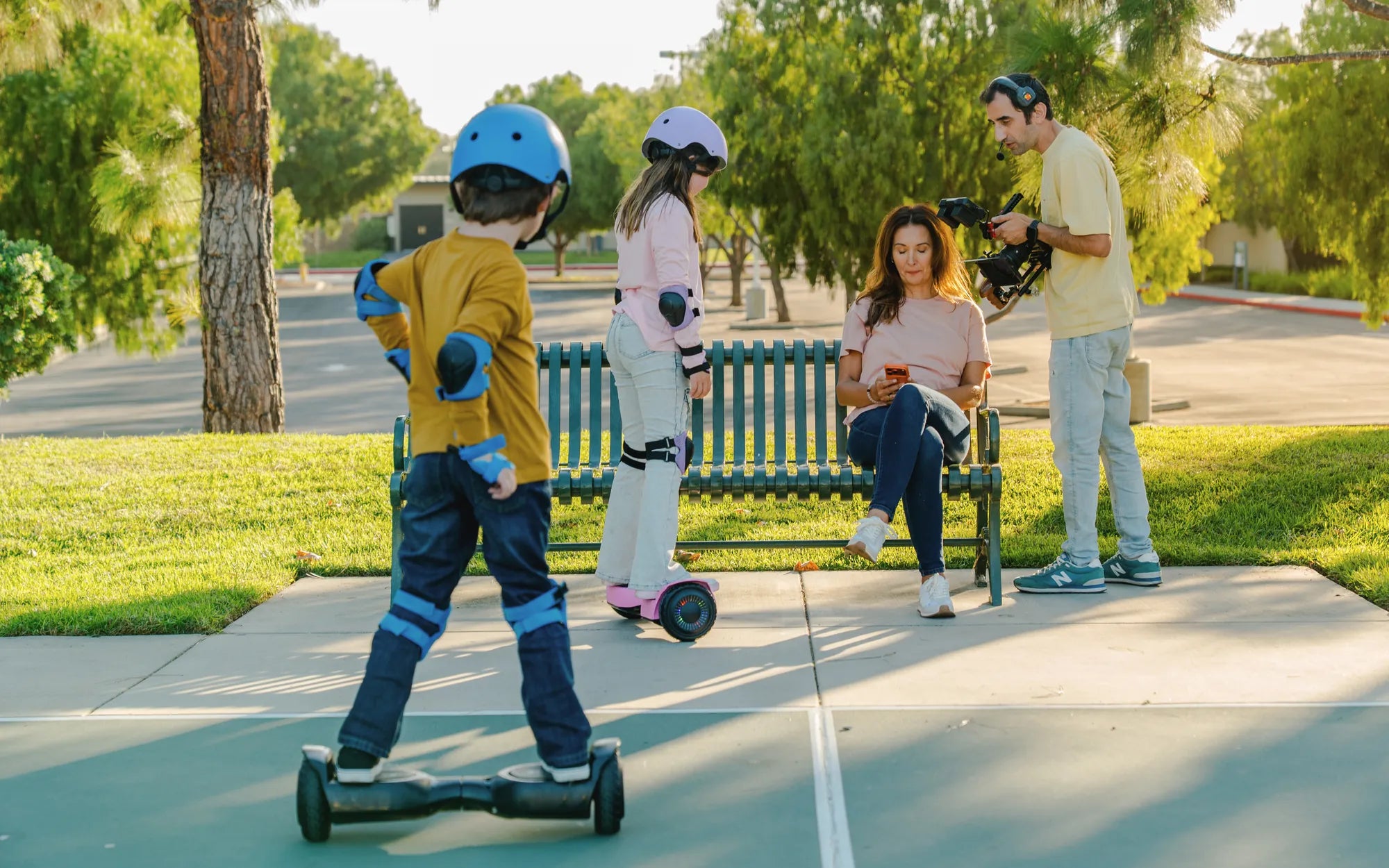
For self-powered mobility that builds confidence and independence, wheeled gifts are a classic for a reason. When considering this category, safety, durability, and age-appropriate design are non-negotiable. As a leader in personal electric mobility, Gyroor offers options that prioritize these factors. For instance, their range of electric scooters for older kids and teens features UL-certified battery systems, robust construction, and intuitive controls designed for safe, enjoyable rides.
Indoor active play is essential during colder months. Mini trampolines with handles, foldable gymnastics mats, or a simple set for indoor bowling or hoop toss can transform a playroom. These gifts help kids burn energy and develop gross motor skills regardless of the weather.
The best active gifts are those the whole family can enjoy together. A badminton set, a soccer ball, or even a pair of family walkie-talkies for a hike promotes bonding through shared activity, making the gift about the experience as much as the object.
Cozy & Calm: Gifts for Quiet Time and Connection
Balancing high-energy gifts with ones that promote calm is the secret to a harmonious holiday. Cozy gifts validate the need for downtime and provide tools for self-regulation. A supremely soft, personalized blanket, a high-quality sleeping bag for fort-building, or a set of plush pillows can redefine a child's cozy corner.
Curating a reading experience is a profound gift. Instead of just a book, consider a book *and* a special reading lamp, a set of bookplates, or a subscription to a book club tailored to their age. For younger children, an audiobook subscription with a dedicated player allows them to enjoy stories independently.
Gifts that facilitate connection are deeply meaningful. A family board game for a weekly game night, a puzzle with a beautiful image you can work on together, or a kid-friendly cooking kit for making weekend pancakes creates dedicated, screen-free time for bonding.
Don't underestimate the power of atmosphere. A child-safe essential oil diffuser (with proper dilution), a constellation projector for the ceiling, or a simple sound machine that plays rain or ocean sounds can help create a tranquil bedroom environment, aiding relaxation and sleep.
The Smart Shopper's Checklist: Safety, Value, and Wow Factor
Navigating the holiday market requires a discerning eye. Use this data-driven checklist to evaluate potential gift Christmas presents for kids, ensuring they meet high standards for safety, durability, and engagement before they reach your cart.
| Evaluation Criteria | Key Questions to Ask | What to Look For |
|---|---|---|
| Safety & Certification | Is it age-appropriate? Does it have relevant safety certifications? | ASTM F963 (U.S. toy standard), CPC mark, UL certification for electronics. Avoid small parts for under 3s. |
| Durability & Construction | Will it withstand enthusiastic play? Are materials high-quality? | Solid wood over thin plastic, reinforced stitching, tight seams. Check reviews for longevity reports. |
| Play Value & Longevity | Is it open-ended? Will it engage for weeks or just minutes? | Toys that can be used in multiple ways. Kits with reusable components. Grows with child's skill. |
| Developmental Benefit | What skill does it encourage? (e.g., fine motor, planning, empathy) | Clear alignment with child's developmental stage. Encourages creativity or problem-solving. |
| The "Wow" Factor | Is the unboxing experience special? Does it inspire immediate delight? | Thoughtful presentation, an element of surprise, or a highly desired item that shows deep understanding. |
Applying this checklist systematically can prevent post-holiday regret. It moves the decision from an emotional impulse to an informed choice, maximizing the likelihood that your gift will be a cherished and lasting hit.
Why Trust Matters: Decoding Safety Certifications and Brand Reputation
Safety is the non-negotiable foundation of any gift. Understanding certifications is crucial. In the U.S., look for the ASTM F963 standard, which tests for mechanical and physical hazards, flammability, and toxic materials. A Children’s Product Certificate (CPC) indicates compliance.
For any item with an electrical component, such as a ride-on toy or drone, UL (Underwriters Laboratories) certification for the battery and charging system is paramount. This independent testing rigorously assesses fire and electrical shock risks. For example, Gyroor's commitment to safety is demonstrated by its use of UL-certified battery packs across its lineup, tested for over 500 charge cycles, providing peace of mind for parents.
Brand reputation, built on consistent quality and customer support, is a powerful proxy for safety. A reputable brand stands behind its products with clear warranties and accessible customer service. They invest in rigorous internal testing beyond the minimum requirements. Researching a brand's history and reading detailed customer reviews, especially those mentioning long-term use, is time well spent.
Ultimately, trusting a brand means trusting that they prioritize your child's well-being as much as you do. This is especially critical for gifts involving mobility or speed. Choosing a brand with a proven track record, clear safety documentation, and responsive support is an essential part of responsible gifting.
Beyond the Box: Creating Lasting Holiday Memories
The magic of a gift is often amplified by the experience surrounding it. Thoughtful presentation can build anticipation and make the moment unforgettable. Consider wrapping a gift within a gift—a new backpack containing a nature exploration kit, or a small trunk holding a dress-up collection.
Incorporate gift-giving traditions that extend the joy. A Christmas Eve box with new pajamas, a holiday book, and hot cocoa mix sets a cozy tone. A scavenger hunt with clues leading to the final present turns receiving into an active adventure. These rituals often become the most cherished parts of the holiday, remembered long after specific toys are outgrown.
Involve children in the spirit of giving to others. Help them select and wrap a gift for a sibling, parent, or a charity drive. Baking cookies for neighbors or creating handmade cards reinforces that the holiday's joy is found in connection and generosity, not just consumption.
Remember, your presence is the ultimate present. The gift of undivided attention—whether building the new set together, playing the new game as a family, or reading the new book aloud—imbues the object with emotional significance. It transforms a toy into a token of shared time and love.
Frequently Asked Questions (FAQs)
Q: How can I manage my child's expectations if they have a very long or expensive wish list?
A: Open a dialogue ahead of time. Explain that Santa (or parents) choose gifts based on many children, and focus on a few special items. Use the list as a guide to understand their interests, then select a thoughtful gift within those categories. Emphasize gratitude and the joy of giving to others.
Q: What's a good ratio of "want" gifts to "need" gifts or practical items?
A>There's no fixed rule, but a common approach is the "Something you want, something you need, something to wear, something to read" guideline. This provides a balanced mix. A "need" or practical item (like a cool new lunchbox or cozy robe) can feel like a want if presented thoughtfully.
Q: My child already has so much. What are good non-toy gift ideas?
A>Experiences are invaluable. Consider memberships (to zoos, museums, science centers), tickets to a show or sporting event, or a certificate for a special activity like rock climbing lessons or a pottery class. Subscriptions (for books, science experiments, or art projects) also deliver ongoing joy.
Q: What should I do if a child receives a duplicate gift or something not age-appropriate?
A>For duplicates, if returnable, consider exchanging for another item from the same store. If not, one can be donated (with the child's involvement) to a toy drive, teaching a lesson in generosity. For inappropriate gifts, simply store it safely until the child is older, or, if it's a safety issue, explain kindly to the giver and exchange or donate it.
Q: How important is it to include batteries, and are rechargeable options a good idea?
A>Including the required batteries is a critical courtesy that ensures immediate play. Opting for high-quality rechargeable batteries and a charger is an excellent, eco-friendly addition to any gift that requires power. It's a practical gift in itself that parents will appreciate for years to come.
Conclusion: The True Gift of a Thoughtful Holiday
The pursuit of the perfect gift Christmas presents for kids is, at its heart, an act of love and observation. It's about seeing the unique individual in front of you and choosing something that says, "I understand who you are and who you are becoming." By focusing on developmental stages, prioritizing safety and quality, and weaving gifts into the fabric of family tradition, you do more than just give an object.
You offer an opportunity for growth, a catalyst for imagination, and a token of unwavering support. The gifts that are remembered are those that made children feel capable, curious, and deeply connected. This holiday season, let your choices be guided by this deeper purpose. The resulting joy—for them and for you—will be the most meaningful reward.
For gifts that combine adventure, innovation, and trusted safety, explore options designed for active, growing kids. Browse the full Gyroor collection at gyroorboard.com to find durable, UL-certified electric scooters and ride-ons that can inspire outdoor exploration and confident fun for years to come.
Scooter for Children Kids: Ultimate Guide to Fun, Safety & Smart Choices
Which Hoverboard Brands Are Not Safe: The Ultimate Guide to Avoiding Dangerous Models