


Introduction to Adult Starter Dirt Bikes
Choosing a good starter dirt bike for adults is a critical first step that sets the tone for your entire off-road journey. Unlike choosing a bike for a child, an adult beginner must consider factors like physical size, strength, and the specific type of riding they envision. The ideal machine isn't necessarily the most powerful or the cheapest; it's the one that offers a forgiving, confidence-inspiring experience that allows skills to develop safely.
A good starter dirt bike for adults prioritizes control over peak performance. It features predictable power delivery, a comfortable and manageable seat height, and a weight that doesn't intimidate. The goal is to find a bike you can handle both on the trail and when you inevitably tip over—one that builds your abilities rather than challenging them from the first twist of the throttle.
This guide will navigate you through the essential considerations, from understanding different bike categories to evaluating specific models. We'll also cover the non-negotiable safety gear and maintenance basics, ensuring you're fully prepared for the adventure ahead. By the end, you'll have a clear, data-driven framework for selecting the perfect entry point into the world of dirt biking.
Key Factors for Choosing Your First Dirt Bike
Selecting your first off-road motorcycle requires looking beyond just engine displacement. A holistic assessment of fit, power characteristics, and overall usability is essential for a positive and safe start. Rushing into a purchase based on brand name or looks alone is a common mistake that can lead to frustration or, worse, a dangerous mismatch.
Adult beginners come in all sizes and with varying levels of athleticism. The right bike must accommodate your physique while leaving room for your skills to grow. It's a tool for learning, and like any tool, it must fit the user properly to be effective and safe. The following factors are the pillars of a smart first purchase.
Physical Fit and Ergonomics
The single most important factor is how the bike fits you. You should be able to sit on the seat with both feet flat on the ground, or at least the balls of your feet, to maintain balance at a stop. A seat height between 34 and 36 inches is often the sweet spot for many adult beginners. Ergonomics also include the reach to the handlebars and the feel of the controls; everything should feel natural, not like a stretch.
A bike that's too tall creates anxiety when stopping on uneven terrain, while one that's too cramped will be uncomfortable and hinder control. Don't assume a bigger engine means a better fit. Many 250cc trail bikes are designed with a lower, more accessible seat height than aggressive 125cc motocross models. Always sit on a prospective bike before buying.
Engine Size and Power Delivery
For adults, engine sizes between 125cc and 250cc are typically the recommended starting point. However, the character of the engine is more important than its size. A four-stroke, air-cooled, single-cylinder engine in this range is ideal. These engines produce a linear, tractable power band with plenty of low-end torque, making them easier to control than high-revving, peaky two-strokes.
Look for terms like "trail bike" or "play bike" which indicate a milder state of engine tuning. Fuel injection, now common on newer models, provides crisp throttle response and easy starting in all conditions. The power should feel manageable and predictable, allowing you to focus on learning clutch control, braking, and body positioning without being startled by sudden bursts of acceleration.
Bike Weight and Handling
A lighter bike is universally easier for a beginner to handle. It's more maneuverable at slow speeds, less fatiguing to ride, and far easier to pick up after a fall—a reality of learning. While full-sized dirt bikes for adults typically weigh between 220 and 280 pounds, aiming for the lower end of that spectrum is advantageous.
Handling is influenced by weight distribution and chassis geometry. Trail-oriented bikes have relaxed steering geometry for stability. The feeling should be neutral and planted, not twitchy or nervous. Remember, you'll be learning to navigate ruts, rocks, and hills; a stable, forgiving chassis inspires much more confidence than a razor-sharp racing machine.
Budget and Long-Term Value
The purchase price is just the beginning. A realistic budget must include essential protective gear, which is non-negotiable for safety. Furthermore, consider maintenance costs, insurance (for dual-sports), and potential upgrades. A good starter dirt bike for adults from a major Japanese manufacturer (Honda, Yamaha, Kawasaki, Suzuki) often holds its value exceptionally well.
This strong resale value is a key part of the long-term equation. A well-maintained beginner bike can be sold for a fair price in a few years if you decide to upgrade, effectively reducing your total cost of ownership. Investing in a quality, reputable model from the start is more economical than buying an inexpensive, problematic bike that requires constant repairs and has little resale appeal.
Recommended Dirt Bike Styles for Beginners
Not all off-road motorcycles are created equal, especially for a novice. The market is segmented into distinct styles, each with engineering priorities that make them better or worse for learning. Understanding these categories will steer you toward the bikes designed with your success in mind.
Your riding environment and goals should dictate the style you choose. Will you be riding on forest service roads, tight single-track trails, or need to legally ride on pavement to connect trails? The answer significantly narrows your ideal bike type. Choosing the wrong style can make learning unnecessarily difficult and less enjoyable.
Trail Bikes: The Forgiving All-Rounder
Trail bikes are the unequivocal best choice for a good starter dirt bike for adults. They are engineered specifically for recreational off-road use. Key characteristics include soft, long-travel suspension that absorbs bumps rather than transmitting them to the rider, a wide-ratio transmission that provides both low-speed crawling ability and higher cruising gears, and that all-important tractable, user-friendly engine.
These bikes prioritize low-end torque and smooth power delivery over top-end horsepower. Features like electric start, kickstands, and comfortable seats are common, acknowledging that riders will be spending hours in the saddle. Models like the Honda CRF250F are the gold standard in this category, offering a nearly ideal blend of capability and forgiveness for skill development.
Dual-Sport Bikes: On-Road and Off-Road Capability
Dual-sport motorcycles are street-legal machines that are also capable off-road. For an adult beginner who needs to ride on public roads to access trails or who wants one bike for mixed use, a dual-sport is a compelling option. They feature lighting, mirrors, signals, and a license plate bracket to meet road regulations.
The compromise comes in weight and off-road specialization. To meet road safety standards, they are heavier than pure trail bikes due to added components like a battery, lights, and often a larger fuel tank. Their suspension is also typically softer and less adjustable. However, for beginners focused on lighter trail riding and forest roads, a dual-sport like the Kawasaki KLX230S offers fantastic versatility and is a very good starter dirt bike for adults with multi-use needs.
Motocross Bikes: Not Typically Recommended
Purpose-built motocross (MX) bikes are engineered for one thing: speed on a closed-course racetrack. They have extremely stiff suspension designed for absorbing large jumps, highly tuned engines that deliver power in a sudden, aggressive "hit," and lightweight components that often sacrifice durability for performance. They lack features like kickstands or electric start.
For these reasons, a motocross bike is almost always a poor choice for a true beginner. The aggressive powerband is difficult to manage, the stiff suspension is punishing on rough trails, and the lack of low-end torque can make technical sections frustrating. It's advisable to master the fundamentals on a trail bike first before considering a transition to a motocross machine.
Top Contender Models for Adult Beginners
Based on the criteria of manageable power, ergonomic fit, and proven reliability, several models consistently rise to the top as the best options for a good starter dirt bike for adults. The following table provides a data-driven comparison of these leading contenders.
| Model | Style | Engine | Seat Height | Weight (Curb) | Key Feature for Beginners |
|---|---|---|---|---|---|
| Honda CRF250F | Trail Bike | 249cc 4-Stroke, Air-Cooled | 34.4 in | 253 lbs | Legendary reliability, ultra-smooth power, low maintenance. |
| Yamaha TT-R230 | Trail Bike | 223cc 4-Stroke, Air-Cooled | 34.3 in | 251 lbs | Electric start, Yamaha durability, very forgiving chassis. |
| Kawasaki KLX230 | Trail / Dual-Sport (S Model) | 233cc 4-Stroke, Fuel-Injected | 35.0 in (KLX230R) | 267 lbs (Dual-Sport) | Modern fuel injection, disc brakes, street-legal option available. |
| Suzuki DR-Z125L | Trail Bike | 124cc 4-Stroke, Air-Cooled | 31.9 in | 209 lbs | Excellent for smaller or very cautious adults, super lightweight. |
| Suzuki DR200S | Dual-Sport | 199cc 4-Stroke, Fuel-Injected | 31.1 in | 278 lbs | Extremely low seat height, fuel-injected, full street legal. |
Honda CRF250F / CRF230F
The Honda CRF250F stands as a benchmark for a good starter dirt bike for adults. It replaces the long-revered CRF230F with modern updates while retaining the core philosophy: simple, reliable, and friendly. Its air-cooled engine requires no radiator or complex cooling systems, and the power delivery is exceptionally linear. The low seat height inspires confidence, and the overall package is virtually bulletproof, allowing you to focus on riding, not wrenching.
Yamaha TT-R230 / TT-R125LE
Yamaha's TT-R series is the direct competitor to Honda's CRF-F line. The TT-R230 offers a similar recipe of air-cooled simplicity, electric start, and a plush suspension. Yamaha is known for its precise handling, and the TT-R230's chassis provides stable, predictable manners. For smaller-framed adults or those who want an even lighter, more manageable machine, the TT-R125LE (with its larger wheels compared to the standard TT-R125) is a phenomenal and often overlooked option that is still capable of carrying an adult on trails.
Kawasaki KLX230 / KLX300
Kawasaki brings modern technology to the beginner segment with the fuel-injected KLX230. Fuel injection ensures easy starts and consistent running at any altitude or temperature. The KLX230 comes in a pure off-road version (KLX230R) and a street-legal dual-sport version (KLX230S). For those who want a bit more power from the start, the KLX300 is a compelling step-up, offering a 292cc fuel-injected engine while maintaining a very accessible and manageable character, making it another strong candidate for a good starter dirt bike for adults ready for a bit more capability.
Suzuki DR-Z125L / DR200S
Suzuki provides excellent value and specific solutions. The DR-Z125L, with its full-sized frame and wheels, is one of the lightest bikes in this class, making it incredibly easy to maneuver and pick up. Its low seat height is perfect for shorter inseams. The DR200S dual-sport boasts one of the lowest seat heights on the market, making it a top choice for adults concerned about touching the ground. Its fuel-injected engine and street legality offer tremendous utility for the beginner exploring a mix of terrain.
Essential Gear and Pre-Ride Preparation
The motorcycle itself is only half of the safety equation. Investing in proper protective gear is not an optional accessory; it is a mandatory requirement for responsible riding. Additionally, developing a routine of basic mechanical checks is crucial for reliability and safety on the trail.
Quality gear is designed to protect you from impacts, abrasions, and the elements. It can mean the difference between a minor tip-over and a trip to the hospital. Similarly, a five-minute pre-ride check can prevent a mechanical failure that strands you miles from help. This discipline is part of the foundation of being a good rider.
The Non-Negotiable Safety Kit
Helmet: Must be DOT and preferably SNELL or ECE certified. A full-face, off-road-specific helmet with a visor and ample ventilation is ideal. It is the most important piece of safety equipment you will buy.
Goggles: Protect your eyes from dirt, rocks, and branches. Use a clear lens for overcast days and a tinted lens for sun. Always carry a spare tear-off or roll-off system.
Boots: Purpose-built off-road motorcycle boots are essential. They provide ankle support, protection from impacts, and a firm grip on the footpegs. Street boots or hiking boots are completely inadequate.
Gloves: Dirt bike gloves offer grip, protect your hands from blisters and abrasion, and often have padding on the back.
Body Protection: At a minimum, wear a rugged jersey, off-road pants, and knee guards. A roost guard or chest protector is highly recommended. For serious trail riding, consider a pressure suit that integrates elbow, shoulder, chest, and back protection.
Basic Maintenance and Pre-Ride Checks
Develop the habit of the "T-CLOCS" inspection before every ride, as recommended by the Motorcycle Safety Foundation: Tires & Wheels, Controls, Lights & Electrics (if applicable), Oil & Fluids, Chassis, and Stands. For a dirt bike, key focuses include:
Tire Pressure: Check with a gauge. Softer pressure (e.g., 12-15 PSI) offers better traction off-road but is more prone to pinch flats.
Chain Tension & Lubrication: A chain that is too tight or too loose can break or damage the bike. Consult your manual for proper slack measurement and lubricate regularly.
Fluid Levels: Check engine oil and coolant (if liquid-cooled). Look for leaks.
Controls: Ensure throttle snaps closed freely, levers operate smoothly, and brakes are firm.
Fasteners: Due to vibration, critical bolts (axle nuts, handlebar clamps, skid plate) should be periodically checked for tightness.
Frequently Asked Questions (FAQ)
What size dirt bike should a 6-foot tall beginner get?
A rider who is 6 feet tall should look for a full-sized bike with a seat height in the 34-36 inch range. Models like the Honda CRF250F (34.4"), Kawasaki KLX230R (35.0"), or Yamaha TT-R230 (34.3") are excellent fits. Your height provides an advantage in managing the bike's weight. Ensure the handlebar and peg relationship feels comfortable, and don't be afraid to adjust handlebar position or consider taller bars if you feel cramped.
Is a used dirt bike a good idea for a first-time buyer?
Yes, a well-maintained used bike from a major brand can be an outstanding value and is a very common path for beginners. It reduces the initial financial outlay and potential anxiety over the first few scratches. When evaluating a used bike, look for: no evidence of major frame or swingarm damage (cracks, welds), a cold engine that starts easily, smooth transmission operation, a clean air filter, and minimal wear on tires, chain, and sprockets. Ask for maintenance records. A bike that looks meticulously cared for is often a safe bet.
How much should I expect to spend on a good starter bike and gear?
For a new entry-level trail bike from a major manufacturer, expect a Manufacturer's Suggested Retail Price (MSRP) between $4,000 and $6,500. The essential safety gear package (helmet, goggles, boots, gloves, jacket/pants, knee guards) is a separate and critical investment, typically ranging from $500 to over $1,000 for quality items. Therefore, a realistic total initial budget for a new rider with new equipment is between $4,500 and $7,500. Buying a used bike and/or shopping for prior-year model gear sales can significantly reduce this cost.
Can I learn on a 250cc dirt bike as a complete beginner?
Absolutely. A 250cc four-stroke trail bike (like the CRF250F or KLX230) is arguably the perfect starting point for most adults. The key distinction is the engine's character. These are not high-strung 250cc motocross bikes. Their engines are tuned for low-end torque and smooth, manageable power delivery, making them very forgiving. The 250cc displacement provides enough power to grow into without being overwhelming, meaning you are less likely to outgrow the bike quickly.
Do I need a special license or insurance for a dirt bike?
For off-road-only use on private property or designated off-road areas, you generally do not need a motorcycle license or vehicle registration. However, you should still have health insurance and may consider specific off-road vehicle insurance for theft or damage. For a dual-sport bike that you plan to ride on public roads, you will need a valid motorcycle endorsement on your driver's license, and the bike must be registered, insured, and pass any required state inspections, just like a street motorcycle.
Conclusion: Starting Your Dirt Bike Journey
The search for a good starter dirt bike for adults culminates in a simple truth: the best bike is the one that makes you feel confident and eager to ride. It's the machine that feels like a partner in learning, not an adversary. By prioritizing a proper fit, manageable power, and proven reliability—exemplified by models from Honda, Yamaha, Kawasaki, and Suzuki—you lay the groundwork for countless hours of safe, enjoyable adventure.
Remember that your progression is more important than any specification sheet. Start on easy terrain, practice fundamental skills like clutch control and braking, and consider taking a formal off-road riding course. Connect with local riding groups or friends who can offer guidance. The dirt biking community is vast and generally very welcoming to newcomers who show a commitment to safety and respect for the trails.
Your journey begins with the right tool. Whether you choose a dedicated trail bike or a versatile dual-sport, equip yourself with the essential safety gear and a mindset focused on gradual improvement. The freedom, challenge, and connection with the outdoors that dirt biking offers are well worth the thoughtful preparation. Now, it's time to find your bike, gear up, and hit the trail.
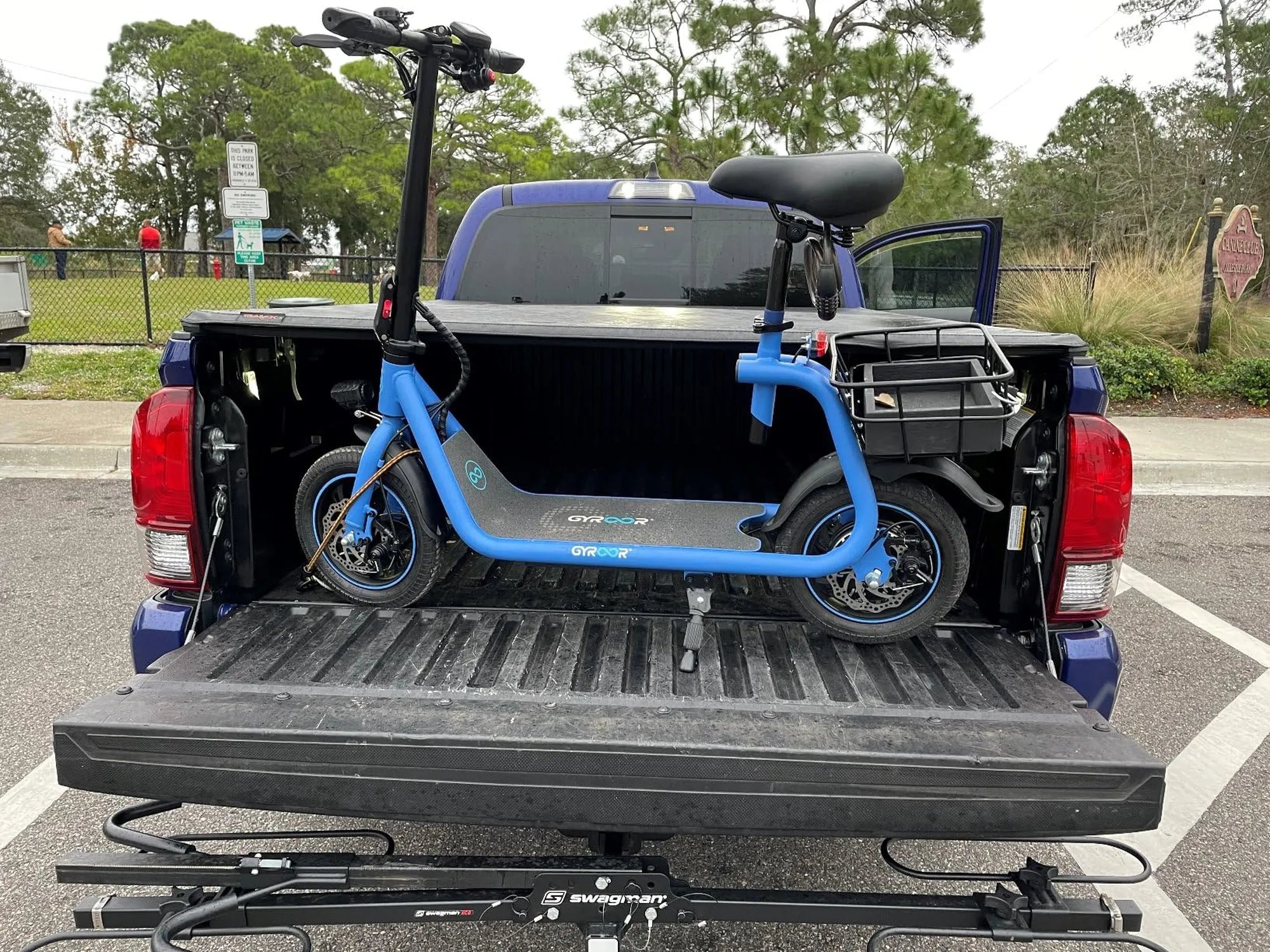
Ready to explore other forms of powered adventure? For those interested in urban mobility and lightweight electric fun, browse the full Gyroor collection of UL-certified electric scooters and e-bikes at gyroorboard.com. Trusted by over 100,000 riders for their reliability, IPX5 water-resistant designs, and comprehensive 1-year warranty, Gyroor offers a different kind of two-wheeled freedom.
Best e Mountain Bike Under 3000: The 2024 Trail Value Sweet Spot
Cheapest 450 Dirt Bike: A Data-Driven Guide to Value in 2024