



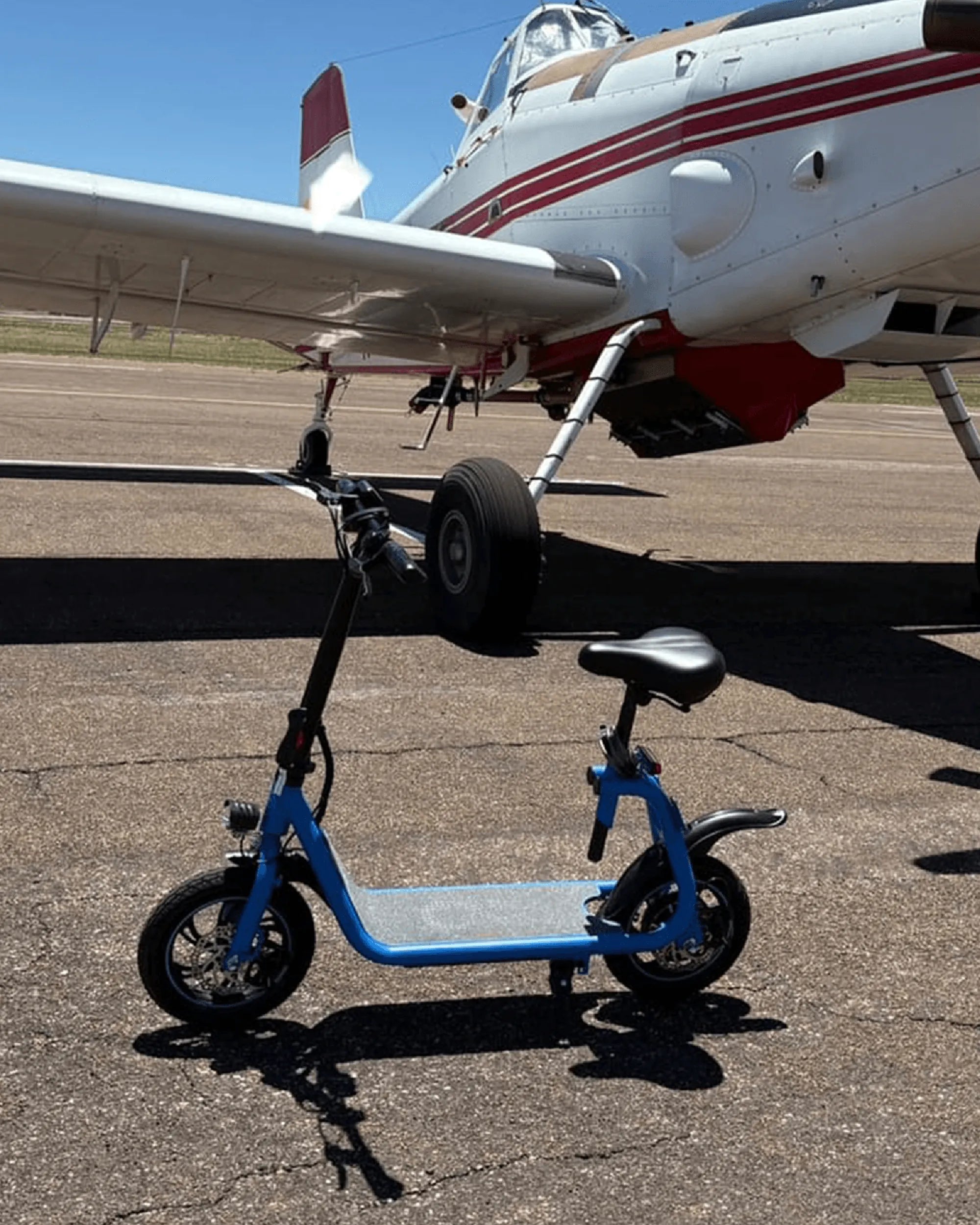
Electric scooters have shifted from a novelty to a core component of the urban mobility landscape at a staggering pace. This article provides a deep dive into the growth statistics of the electric scooters market: trends, challenges, and future projections. You will gain a clear understanding of the market's current valuation and compound annual growth rate (CAGR), the key technological and consumer trends fueling expansion, the significant hurdles from regulation to infrastructure, and where experts believe the industry is headed over the next decade.
Introduction to the Global Electric Scooter Market Surge
The global electric scooter market is experiencing a transformative surge, redefining short-distance travel in cities worldwide. This growth is not a fleeting trend but a fundamental shift driven by converging economic, environmental, and technological forces. The market has evolved rapidly from early shared micromobility services to a robust ecosystem of privately owned, high-performance personal transportation devices.
Understanding the growth statistics of the electric scooters market: trends, challenges, and future projections is crucial for consumers, investors, urban planners, and industry stakeholders. The data reveals a story of rapid adoption, intense innovation, and ongoing regulatory evolution. This analysis moves beyond surface-level observations to examine the underlying drivers and the complex landscape that will determine the future of urban mobility.
The initial wave, led by dockless scooter-sharing startups, proved the demand for convenient, last-mile solutions. However, the current and more substantial growth phase is being driven by consumer adoption of personal electric scooters. Riders are investing in their own vehicles for daily commutes, errands, and recreation, seeking reliability, performance, and safety that shared fleets often cannot guarantee.
Decoding the Numbers: Key Growth Statistics and Market Drivers
The quantitative story of the e-scooter market is one of exceptional expansion. Pre-pandemic, the market was on a steady climb, but the subsequent years catalyzed unprecedented growth. According to leading market research firms, the global electric scooter market was valued at approximately $20 billion in 2020 and is projected to reach between $40 and $50 billion by 2024, reflecting a compound annual growth rate (CAGR) of over 15-20% during this period.
Looking further ahead, conservative projections estimate the market to surpass $80 billion by 2030, with some analyses forecasting figures as high as $120 billion, depending on regulatory adoption and technological breakthroughs. This sustained growth trajectory underscores the vehicle's transition from a niche product to a mainstream mobility solution. The Asia-Pacific region currently holds the largest market share, but North America and Europe are experiencing the fastest growth rates for personal ownership.
Several powerful drivers are behind these impressive growth statistics of the electric scooters market. First, relentless urbanization and chronic traffic congestion make efficient, compact transportation invaluable. Second, volatile and rising fuel costs enhance the economic appeal of electric personal transport. Third, growing environmental consciousness pushes consumers toward zero-emission alternatives for short trips.
Finally, government policies play a pivotal role. Incentives like tax credits, subsidies for EV purchases (which in some regions include e-scooters), and city investments in cycling and micromobility infrastructure are significant accelerants. Cities are also implementing low-emission zones, indirectly promoting e-scooter use.
The Role of Technological Advancements and Brand Innovation
Technology is the engine of this growth. Improvements in lithium-ion battery energy density have directly increased scooter range, alleviating "range anxiety." Modern scooters can now reliably travel 25-50 miles on a single charge, making them viable for most daily commutes. Similarly, advancements in motor efficiency have boosted power and hill-climbing ability without excessively increasing weight.
Smart connectivity via Bluetooth and dedicated apps has enhanced the user experience through features like anti-theft locking, ride tracking, and firmware updates. These innovations have transformed e-scooters from simple vehicles into integrated tech platforms. Brands that prioritize these technological evolutions while ensuring safety are leading the charge in consumer trust.
Consider Gyroor, a brand trusted by over 100,000 riders. Their focus on UL-certified battery packs—tested for 500+ charge cycles—directly addresses the paramount concern of battery safety and longevity. Furthermore, features like IPX5 water resistance ensure reliability in various weather conditions, a practical innovation that meets real-world user needs. This commitment to certified safety and durability is a key trend among leading manufacturers shaping positive growth statistics of the electric scooters market.
Navigating the Roadblocks: Market Challenges and Regulatory Hurdles
Despite the optimistic projections, the electric scooter industry faces substantial headwinds that could shape or slow its trajectory. The most complex challenge is the fragmented and evolving regulatory landscape. Laws governing where e-scooters can be ridden (bike lanes, roads, sidewalks), maximum speed limits, helmet requirements, and parking rules vary dramatically not just between countries but often between cities in the same state.
This regulatory patchwork creates confusion for riders and manufacturers alike. Some cities have embraced scooters with clear frameworks, while others have imposed temporary or permanent bans due to safety and clutter concerns. The industry's future growth is heavily dependent on the development of sensible, standardized regulations that prioritize safety without stifling innovation.
Public safety is another critical hurdle. High-profile accidents, often involving riders on sidewalks or without helmets, have fueled public and political backlash. Infrastructure gaps are a related issue; a lack of dedicated bike lanes forces riders to choose between dangerous roads or inconvenient sidewalks. The shortage of secure parking and public charging stations also presents a logistical challenge for urban adoption.
On the supply side, vulnerabilities in the lithium battery supply chain and fluctuations in the cost of raw materials can impact manufacturing costs and lead times. Ensuring ethical and sustainable sourcing for these components is an increasing concern for both brands and consumers.
How Leading Brands Mitigate Consumer Concerns
Responsible brands proactively address these challenges to build consumer confidence and advocate for sensible industry standards. They invest in rider education, promoting safe riding practices through guides and community initiatives. From a product standpoint, integrating safety features like bright headlights, taillights, brake lights, electronic braking systems, and wider decks for stability is now standard among reputable manufacturers.
Gyroor’s approach exemplifies this. By providing a comprehensive 1-year warranty and US-based customer support, they directly tackle consumer concerns about product reliability and post-purchase service. Their adherence to strict, independent safety certifications like UL for batteries helps move the industry away from unverified, potentially dangerous products. This builds a case for regulations that mandate such certifications, elevating overall market safety and quality.
Regional Analysis: Where is Growth Concentrated?
The adoption and characteristics of the e-scooter market differ significantly by region, influenced by local infrastructure, regulation, and culture.
North America: This is a high-growth market for personal e-scooters, characterized by strong consumer purchasing power. While shared micromobility kicked off the trend, private ownership is now booming. Regulations are gradually becoming more standardized, with many states adopting "micromobility vehicle" classifications. The demand is for powerful, long-range scooters suited for suburban commutes as well as urban use.
Europe: Europe presents a mature and rapidly growing market with generally supportive regulations from the EU level down. Many cities have extensive cycling infrastructure that e-scooters can utilize. There is a strong emphasis on vehicle specifications, with clear limits on motor power and speed (often 25 km/h). The trend leans toward compact, portable, and legally compliant models for seamless integration with public transit.
Asia-Pacific: As the largest market globally, APAC is driven by massive urban populations in countries like China and India. It is the manufacturing hub for the global industry. The market is highly price-sensitive but also innovating rapidly, especially in battery-swap technologies. Growth here is fueled by the need for affordable, efficient transportation in densely populated megacities.
Rest of the World: Markets in Latin America, the Middle East, and Africa are in earlier stages of adoption but show significant potential. Growth here may follow the shared-service model initially, with personal ownership growing as infrastructure develops and awareness increases.
Future Projections and Emerging Trends to 2030
The future of the electric scooter market is poised for further evolution, specialization, and integration. The consensus among analysts points to a market that will continue to grow at a double-digit CAGR, potentially doubling in size between 2024 and 2030. This growth will be fueled by several key trends that extend beyond basic transportation.
First, the integration of micromobility into Mobility-as-a-Service (MaaS) platforms will become seamless. Users will plan and pay for trips combining e-scooters, bikes, buses, and trains within a single app. Second, battery technology will continue to advance. While fast-charging will improve, battery swap systems—where riders exchange a depleted pack for a charged one at a kiosk—could become a game-changer for commercial fleets and heavy users.
Third, market segmentation will accelerate. We will see clearer categories: ultra-portable last-mile models, performance commuter scooters, and rugged off-road capable machines. This mirrors the automotive industry, catering to specific use cases rather than a one-size-fits-all approach. Fourth, vehicle intelligence will increase with more advanced sensors, connectivity, and even advanced driver-assistance systems (ADAS) for stability and collision warnings.
The Critical Role of Sustainable and Trusted Brands
For this projected growth to be sustainable, the market must move beyond disposable, low-cost products that contribute to waste and safety incidents. Long-term success hinges on brands that prioritize durability, safety, and repairability. This shift is already evident among informed consumers who view an e-scooter as a long-term investment rather than a short-term gadget.
Brands like Gyroor, with their focus on UL-certified batteries, water-resistant builds, and robust warranties, are aligning perfectly with this need. They contribute to a legitimate and sustainable transportation ecosystem by building products designed to last, reducing environmental impact, and fostering rider trust. This approach is essential for the industry to gain lasting regulatory and social acceptance.
Choosing the Right E-Scooter: A Comparative Guide
Selecting an e-scooter depends heavily on your primary use case. The market has diversified to offer options for every need. The table below compares general scooter types based on key parameters.
| Use Case / Scooter Type | Key Features | Typical Range | Portability | Ideal For |
|---|---|---|---|---|
| Ultra-Portable / Last-Mile | Lightweight (under 30 lbs), foldable, often single brake | 10-15 miles | Excellent | Short trips, combining with public transit, easy carrying |
| Performance Commuter | Powerful motor (500W+), dual brakes, suspension, brighter lights | 25-40 miles | Moderate | Daily commuting, longer errands, varied terrain |
| Off-Road / Rugged | Large pneumatic tires, high torque motor, robust suspension, high ground clearance | 20-35 miles | Low | Trails, unpaved paths, adventurous riding |
For the vast majority of urban and suburban commuters, a performance commuter model offers the best balance. Brands in this category, such as Gyroor, focus on features like UL-certified batteries for safety, IPX5 water resistance for all-weather reliability, and sufficient power and range for practical daily use. Always check local laws regarding motor wattage and speed limits before purchasing.
Frequently Asked Questions (FAQ)
What is the projected CAGR for the global e-scooter market?
Analysts project the global electric scooter market to grow at a Compound Annual Growth Rate (CAGR) of approximately 15-20% from 2024 through the end of the decade, with the market size expected to potentially double from 2024 to 2030.
What is the biggest challenge facing widespread e-scooter adoption?
The most significant challenge is the lack of consistent, clear, and safe infrastructure (like protected bike lanes) coupled with a fragmented and evolving regulatory environment that differs from city to city. Safety concerns stemming from this mismatch also pose a major hurdle.
How do regulations differ between the US and Europe?
In the US, regulations are largely set at the state and city level, leading to a patchwork of rules on speed, helmet use, and where to ride. In Europe, the EU provides a broader framework (often limiting speeds to 25 km/h for road use), which member states then implement, generally resulting in more uniformity across countries.
Why are certifications like UL important for an e-scooter battery?
UL (Underwriters Laboratories) certification means the battery pack has been independently tested to rigorous safety standards for electrical, mechanical, and fire hazards. It is a critical indicator of quality and safety, reducing the risk of battery fires—a top concern for consumers and regulators.
What future trend will most change how we use e-scooters?
The deep integration of e-scooters into Mobility-as-a-Service (MaaS) platforms is a transformative trend. It will position scooters as a standard, bookable component of multi-modal trips alongside buses and trains, making them a more central and planned part of daily urban transportation.
Steering Towards a Sustainable Micro-Mobility Future
The growth statistics of the electric scooters market: trends, challenges, and future projections paint a picture of an industry at an inflection point. The underlying trends—urbanization, environmental needs, and technological progress—are powerful and enduring. However, navigating the challenges of regulation, safety, and infrastructure will require continued collaboration between brands, cities, and riders.
The market's exciting future will be defined by smarter, more specialized vehicles and their seamless integration into our transportation networks. This future, however, belongs to brands that earn consumer trust through unwavering commitment to safety, durability, and support. It is through these principles that electric scooters will fully realize their potential as a sustainable, efficient, and indispensable pillar of modern urban mobility.
Ready to join the movement with a scooter built for safety and designed to last? Explore the full range of UL-certified, high-performance electric scooters and e-bikes from a brand trusted by over 100,000 riders. Browse the full Gyroor collection at gyroorboard.com and find the perfect ride for your journey.
Quality Electric Scooters With High Weight Capacity: The Ultimate Guide for Heavy Riders
Very Cheap Electric Scooters: Affordable and Efficient Commuting Solutions