



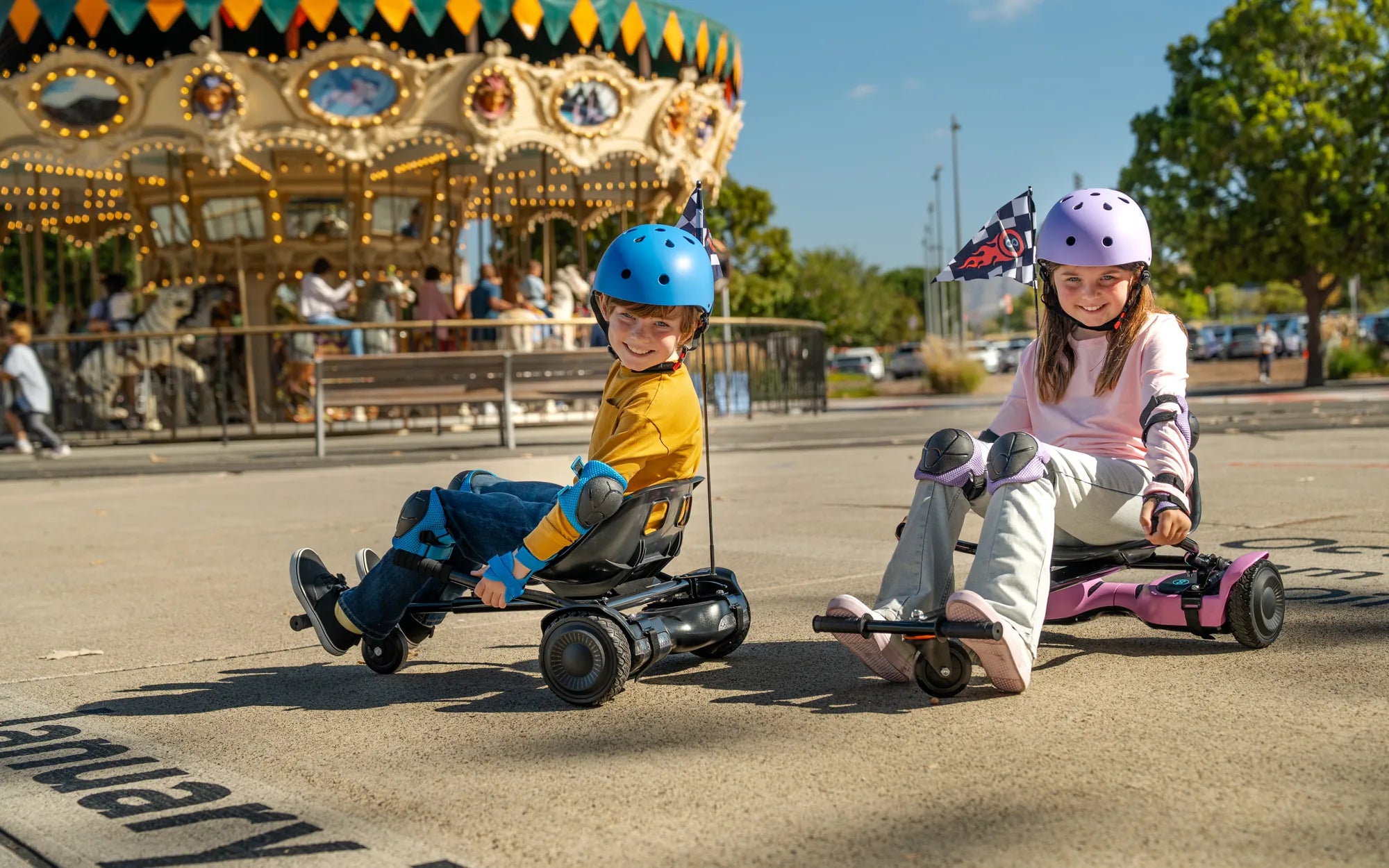
Imagine gliding effortlessly down the street, turning heads as you zip past traffic with the grace of a futuristic commuter. That's the reality for a guy riding a hoverboard, a sight that's becoming increasingly common in cities worldwide. These self-balancing electric scooters aren't just a novelty—they're transforming how we think about personal transportation.
The Rise of Hoverboards
Hoverboards burst onto the scene in the early 2010s, capturing imaginations with their sleek design and seemingly magical ability to move without visible controls. While they don't actually hover like their sci-fi namesakes, these two-wheeled devices use gyroscopic technology to provide a smooth, intuitive riding experience. A guy riding a hoverboard today might be commuting to work, running errands, or simply enjoying a leisurely cruise through the park.
How Hoverboards Work
At their core, hoverboards are marvels of modern engineering. Pressure-sensitive footpads detect the rider's movements, while internal gyroscopes and accelerometers make constant adjustments to maintain balance. Lean forward, and the board moves ahead; shift your weight back, and it slows or reverses. It's this intuitive control system that makes hoverboards so accessible to riders of all ages.
Key Components:
- Gyroscopic stabilization system
- Electric motors in each wheel
- Lithium-ion battery pack
- Pressure-sensitive foot platforms
- LED lights for visibility and style
The Benefits of Hoverboard Commuting
For urban dwellers, a guy riding a hoverboard represents more than just cool tech—it's a practical solution to last-mile transportation challenges. These compact devices can easily navigate crowded sidewalks and bike lanes, offering an eco-friendly alternative to short car trips. Many models fold for easy storage, making them perfect for combining with public transit.
Advantages Over Traditional Transportation:
| Feature | Benefit |
|---|---|
| Compact size | Easy to store and transport |
| Electric power | Zero emissions operation |
| Low maintenance | No gears or chains to service |
| Learning curve | Most riders master basics in under an hour |
Safety Considerations
While seeing a guy riding a hoverboard might look effortless, safety should always come first. Proper protective gear—especially for beginners—can prevent injuries. Many municipalities have specific regulations about where hoverboards can be ridden, so it's important to check local laws before hitting the streets.
Essential Safety Gear:
- Helmet (certified for skateboarding or cycling)
- Wrist guards
- Knee and elbow pads
- Closed-toe shoes with good grip
The Future of Personal Mobility
As battery technology improves and cities become more accommodating to alternative transportation, we'll likely see even more people embracing hoverboards. Some manufacturers are experimenting with larger models capable of higher speeds, while others are focusing on enhanced safety features and smart connectivity. The guy riding a hoverboard today might be piloting an advanced personal transporter tomorrow.
From sci-fi fantasy to sidewalk staple, hoverboards have come a long way in a short time. Whether you're looking for a fun way to explore your neighborhood or a practical solution to your daily commute, joining the ranks of hoverboard riders offers an exciting glimpse into the future of personal transportation. The next time you see someone gliding by with effortless style, remember—that could be you with just a little practice and the right equipment.
Hoverboard 1000 Euro: The Ultimate Guide to Premium Self-Balancing Scooters
10 Reasons Why You Should Get a Hoverboard