

Introduction to High-Powered E-Bikes
A high powered ebike is defined by its ability to deliver motorcycle-like acceleration and hill-climbing prowess, typically starting at 750 watts of continuous motor power and often reaching 1500W or more. These machines are engineered for riders who demand more than just pedal assistance; they seek dominant performance for steep terrain, heavy cargo, or simply the thrill of rapid acceleration. The appeal extends beyond thrill-seekers to practical users like commuters facing long bridges, delivery workers carrying significant loads, and residents in exceptionally hilly cities where a standard e-bike might struggle.
This article will provide a comprehensive, data-driven analysis of high-powered electric bicycles. You will learn how their key components interact, the tangible benefits they offer, the crucial legal and safety responsibilities they entail, and how leading brands engineer these systems for reliability. We will dissect motor specifications, battery technology, and real-world performance metrics to give you the knowledge needed to make an informed decision. Understanding the engineering behind a high powered ebike is essential to appreciating its capabilities and limitations.
The market for these powerful machines is growing as battery and motor technology advances, making substantial power more accessible and reliable. However, with great power comes a need for greater rider knowledge regarding local regulations, maintenance, and appropriate safety gear. This guide serves as an essential resource for anyone considering stepping up to a high-performance electric bicycle, ensuring they are prepared for the power, the practicality, and the responsibilities involved.
The Core Components of a High-Powered E-Bike
The performance of a high powered ebike is the result of a synergistic relationship between four critical components: the motor, the battery, the controller, and the torque sensor. Unlike standard e-bikes where the motor supplements human power, in a high-powered model, the motor is the primary source of propulsion, with the rider providing guidance and optional pedaling input. The system is designed to handle sustained high current draw and thermal loads without degradation.
At the heart lies the motor, which converts electrical energy from the battery into mechanical motion. High-powered e-bikes predominantly use robust hub motors (geared or direct-drive) or high-torque mid-drive motors. The controller acts as the brain, regulating the power flow from the battery to the motor based on input from the throttle or pedal-assist sensor. A high-performance controller is capable of managing high amperage efficiently to deliver instantaneous power.
The battery is the energy reservoir, and its specifications are paramount. A true high powered ebike requires a high-voltage system—typically 48V or 52V—coupled with a high-capacity pack, often 15Ah (amp-hours) or larger. This combination (Volts x Amp-hours = Watt-hours) determines the total available energy, directly influencing range and the ability to sustain high power output. Finally, the frame and components must be built to withstand the increased forces from acceleration, braking, and higher potential speeds.
Motor Power and Performance
Motor power ratings require careful interpretation. The nominal or "continuous" power rating (e.g., 750W) indicates the wattage the motor can sustain indefinitely without overheating. The "peak" power rating (often 1000W, 1500W, or higher) is the maximum burst output it can achieve for short periods, such as during a steep hill start or hard acceleration. A 750W nominal motor might have a 1200W peak, providing the exhilarating surge that defines the high-powered experience.
Real-world performance is measured in torque (Newton-meters or Nm) and acceleration. A high-torque motor, often in the 80-120 Nm range, provides immense low-speed pulling power. This translates to climbing a 20% grade without pedaling or accelerating from a stoplight faster than urban traffic. Mid-drive motors excel here by leveraging the bike's gears, multiplying torque for exceptional hill climbing, while powerful hub motors deliver raw, direct acceleration.
It's crucial to match motor type to use case. A high-torque mid-drive is ideal for technical mountain trails and extreme hills, as it keeps the motor RPM in an efficient range. A high-wattage direct-drive hub motor offers smooth, quiet power and regenerative braking potential, favored for urban commuting and riders who prioritize a seamless, powerful throttle response. The choice fundamentally shapes the riding character of the high powered ebike.
Battery and Range Considerations
High power consumption is the defining trade-off for performance. A high powered ebike's voracious appetite for amps significantly impacts range compared to a 250W e-bike using the same battery capacity. Where a standard e-bike might achieve 40 miles on a charge, a high-powered model ridden aggressively might see 20-25 miles. Range is highly variable and depends on rider weight, terrain, wind, assist level, and throttle use.
To mitigate this, high-performance e-bikes employ high-voltage, high-capacity battery packs. A 52V 20Ah battery offers 1040 watt-hours of energy (52V x 20Ah), a substantial reservoir that can support high power draws for a reasonable distance. Voltage is particularly important as it directly relates to the power a motor can produce (Power = Voltage x Current). A higher voltage system can deliver the same power at a lower current, reducing heat buildup in wires and connectors and improving efficiency.
Battery quality and safety are non-negotiable. High-discharge-rate lithium-ion cells from reputable manufacturers (like Samsung, LG, or Panasonic) are essential to safely deliver the high currents demanded by a 1000W+ motor. This is where brand integrity matters. For instance, Gyroor equips its performance models with UL-certified battery packs, which have undergone rigorous testing for safety, stability, and longevity over 500+ charge cycles, a critical assurance when dealing with high-energy systems.
Key Benefits of Choosing a High-Powered E-Bike
The primary benefit is unequivocal dominance over terrain. A high powered ebike eliminates the anxiety of steep hills, allowing riders to conquer grades of 15%, 20%, or more with minimal effort. This expands commuting routes, opens up challenging recreational trails, and makes cycling accessible to those living in topographically demanding areas. The bike becomes a true replacement for a car or motorcycle in hilly cities.
Acceleration and speed integration provide a significant safety and practical advantage in urban traffic. The ability to quickly match the flow of traffic from a stoplight (reaching 20 mph in seconds) allows the rider to claim a lane confidently and avoid being overtaken dangerously by vehicles. This reduces the "speed differential" risk that plagues slower cyclists and creates a more predictable, assertive presence on the road.
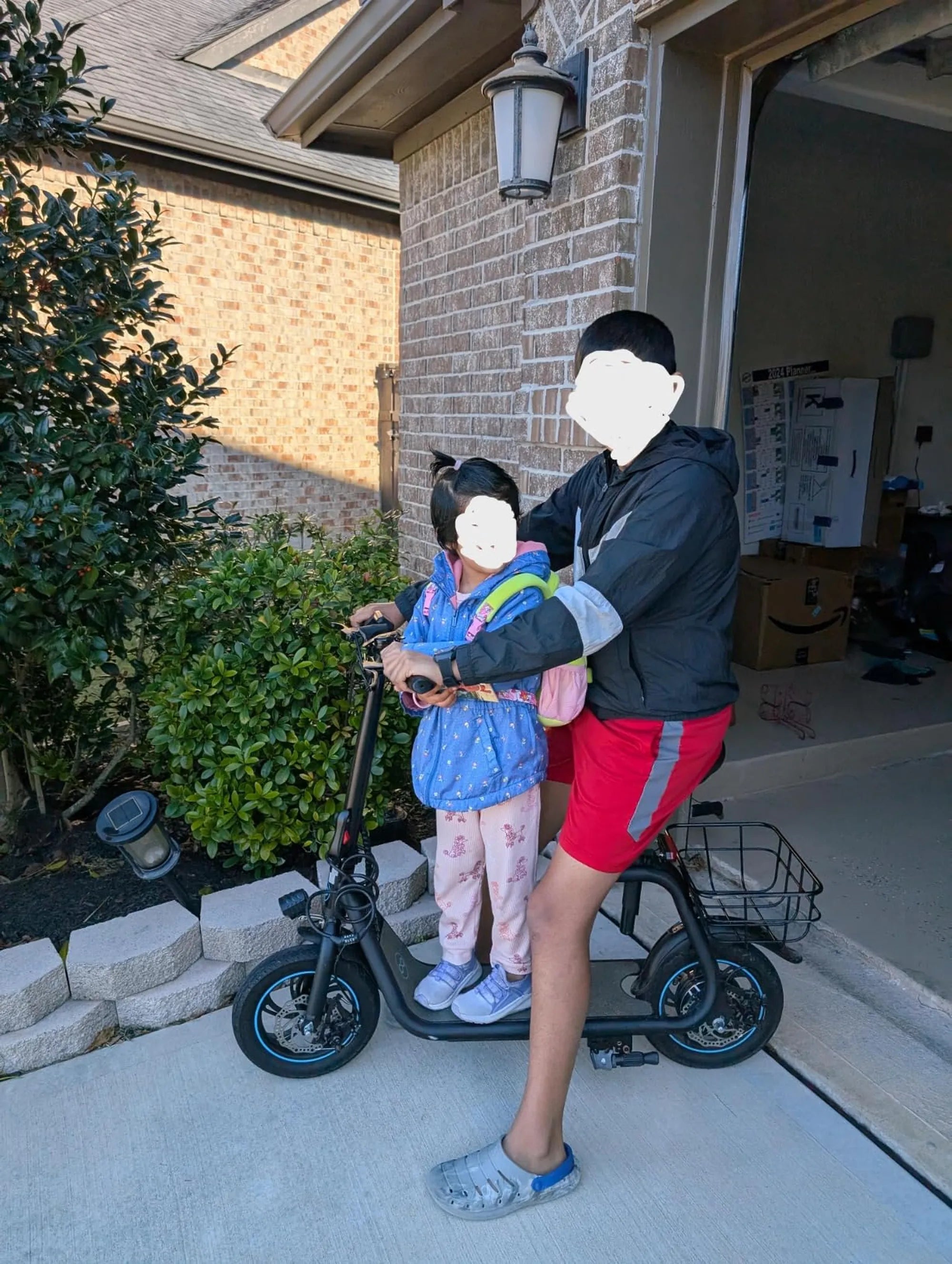
Load-carrying capacity is another major advantage. The powerful motor can easily handle the additional weight of heavy cargo, a child seat, or even an adult passenger on a specially designed model. This transforms the e-bike into a viable car-alternative for grocery runs, school drop-offs, or even commercial delivery applications. The power ensures the bike remains agile and responsive even when loaded.
Finally, the riding experience itself is transformative. The instant, powerful response from a throttle or the robust push from pedal-assist delivers a sense of capability and fun that standard e-bikes often lack. It bridges the gap between cycling and motorcycling, offering an exhilarating yet accessible form of personal electric mobility. For many, this engaging experience is the ultimate benefit, turning transportation into recreation.
Important Considerations and Responsibilities
Before purchasing a high powered ebike, the rider must first and foremost investigate local laws and regulations. In the United States, e-bike classification is typically based on a three-class system. Many high-powered models, especially those with a throttle capable of propelling the bike over 20 mph without pedaling, fall into Class 2 or, more commonly, Class 3 (which allows assist up to 28 mph). However, some states and municipalities have additional restrictions, and power limits can vary (e.g., 750W is a common federal limit for consumer products, but not a universal law).
Access is another legal gray area. Bike paths, trails, and multi-use paths often have specific rules prohibiting motorized vehicles or limiting e-bikes to Class 1. A high powered ebike may be restricted from these areas. Riders are responsible for knowing where they can legally operate their vehicle. Ignorance can result in fines and contribute to negative perceptions of all e-bike riders. Always check state, county, and city ordinances.
The physical characteristics of the bike also demand consideration. High-powered models are substantially heavier, often weighing 70-100 pounds due to the larger motor and battery. This affects maneuverability at low speeds, the ease of transporting the bike (on a car rack or up stairs), and parking stability. The increased weight and speed also place greater stress on all components, from the frame welds to the wheels and tires, necessitating a more robust build quality and more frequent maintenance checks.
Safety and Riding Gear
Operating a vehicle capable of sustained 28+ mph demands a motorcycle-minded approach to safety gear. A standard bicycle helmet is insufficient for the potential impacts at these speeds. A full-face mountain biking helmet or a certified motorcycle helmet is strongly recommended to protect the head, face, and jaw. This is the single most important investment for a high-powered e-bike rider.
Appropriate apparel is equally critical. Abrasion-resistant gloves, elbow and knee pads, and a motorcycle-style armored jacket or riding jersey can prevent severe road rash in a fall. Given the higher speeds, visibility is paramount; integrated lights (front and rear), reflective materials, and high-visibility colors should be standard. The bike itself must be equipped with high-performance braking systems—hydraulic disc brakes are virtually mandatory—to provide consistent, fade-resistant stopping power.
Rider training and mindset complete the safety picture. New owners should practice emergency braking and maneuvering in a controlled environment. Understanding the bike's acceleration curve and weight distribution is key to avoiding loss of control. Riding a high powered ebike requires heightened situational awareness, anticipating the actions of cars and pedestrians, and respecting the fact that you are operating a powerful vehicle, not just a bicycle.
Gyroor's Approach to High-Powered E-Bikes
Gyroor integrates its core engineering principles—safety, durability, and reliability—directly into its high-performance electric bicycle designs. Recognizing that a high powered ebike places unique demands on every component, the brand builds its models around a foundation of verified safety. This starts with the power source: every Gyroor e-bike utilizes UL-certified battery packs. This certification is an independent validation that the battery meets stringent safety standards for electrical, mechanical, and environmental stress, a critical factor when the pack is asked to deliver high currents regularly.
Durability is engineered for the real world. Many Gyroor performance models feature IPX5 water-resistant ratings on key electrical components. This level of ingress protection means the bike can withstand water jets from any direction, making it capable of handling heavy rain and wet road conditions without failure. This resilience is essential for a vehicle designed for daily commuting and adventure riding, where weather is a constant variable.
Performance is delivered through carefully selected componentry. By pairing high-torque motors with robust controllers and high-capacity, high-voltage batteries, Gyroor creates a balanced power system designed for sustained use rather than just peak bursts. This approach prioritizes long-term reliability and thermal management. Furthermore, the brand supports this engineering with a comprehensive 1-year warranty, providing riders with confidence that their investment in a high-powered platform is protected, covering the high-stress electrical and drive systems that are the heart of the machine.
High-Powered E-Bike vs. Standard E-Bike: A Quick Comparison
The decision between a high-powered and a standard e-bike hinges on specific needs, terrain, and local laws. The following table outlines the key differences to aid in that decision.
| Feature | Standard E-Bike (250W-500W) | High-Powered E-Bike (750W+) |
|---|---|---|
| Typical Top Speed (Assist) | 20 mph (Class 1/2) | 28 mph (Class 3) or higher |
| Hill Climbing Ability | Moderate grades (up to 10-12%) | Steep grades (15%+) with ease |
| Acceleration | Moderate, bike-like | Strong, motorcycle-like |
| Typical Range* | 30-50 miles | 20-40 miles (highly usage-dependent) |
| Average Weight | 50-65 lbs | 70-100 lbs |
| Primary Use Case | Leisure, flat terrain commuting, light errands | Hilly commutes, cargo/passenger carrying, performance riding |
| Legal Complexity | Low (widely accepted on bike paths) | High (check local class & path restrictions) |
| Safety Gear Requirement | Standard bike helmet recommended | Full-face helmet, armored gear strongly advised |
*Range varies drastically based on battery size, rider input, and terrain.
Frequently Asked Questions (FAQ)
Q1: Do I need a driver's license, registration, or insurance for a high powered ebike?
A1: In most U.S. states, for e-bikes that comply with the three-class system (typically limited to 750W-1000W and 28 mph top assist speed), no license, registration, or insurance is required. They are legally treated as bicycles. However, laws vary by state and country. Always verify with your local Department of Motor Vehicles (DMV) or transportation authority. Models exceeding certain power or speed thresholds may be classified as mopeds or motorcycles, requiring appropriate documentation.
Q2: How fast can a high powered ebike really go?
A2> The top speed is often governed by the controller to comply with local laws, commonly capping pedal assist at 28 mph (45 km/h) for Class 3. However, some performance-oriented models may have higher capabilities, especially when using the throttle or on private property. It's crucial to understand that riding at higher speeds significantly increases risk and may place the bike in a different legal category.
Q3: Are high-powered e-bikes allowed on bike paths and trails?
A3> This is highly location-dependent. Many paved urban bike paths allow Class 1 and 2 e-bikes but may restrict or prohibit Class 3 (high-speed) models. Natural surface trails (MTB trails) often have their own rules, frequently banning any motorized vehicle or limiting access to specific e-bike classes. It is the rider's responsibility to know and follow the rules for each specific path or trail system.
Q4: Can the battery be charged indoors safely?
A4> Safety depends entirely on battery quality and certification. A high-quality battery from a reputable brand with UL certification (like those used by Gyroor) is designed and tested for safe indoor charging. It includes built-in Battery Management Systems (BMS) to prevent overcharging, overheating, and short circuits. Always use the manufacturer-provided charger and follow charging instructions. Avoid charging immediately after a ride when the battery is warm, and never leave it charging unattended for extended periods.
Q5: How does warranty coverage work for the high-stress components like the motor and battery on a high powered ebike?
A5> Reputable brands structure their warranties to cover these critical components. A standard warranty for a brand like Gyroor typically offers 1 year of coverage on the frame, motor, battery, and controller against defects in materials and workmanship. This means if the high-torque motor fails under normal use or the high-capacity battery exhibits a drastic loss of capacity within the warranty period due to a manufacturing flaw, it would be repaired or replaced. Wear and tear from extreme use or damage from accidents are generally not covered.
Conclusion: Is a High-Powered E-Bike Right for You?
Choosing a high powered ebike is a decision that balances desire for performance with practical needs and a willingness to accept greater responsibility. If your daily commute involves significant hills, you frequently carry heavy cargo or a passenger, or you simply crave a more exhilarating and capable form of two-wheeled transport, a high-powered model is an excellent solution. It transforms obstacles into minor inconveniences and redefines what is possible on an electric bicycle.
However, this choice requires due diligence. You must become an expert on your local e-bike laws and trail access rules. You must commit to investing in proper safety gear and adopting a more vigilant riding style. You must also be prepared for the physical heft of the machine and the potential for reduced range when using its full performance. The trade-off for immense power is a need for increased rider knowledge and caution.
For those ready to step up, selecting a bike from a brand that prioritizes safety and durability in its high-performance engineering is paramount. Brands that invest in UL-certified batteries, water-resistant designs, and robust warranties demonstrate a commitment to building a high powered ebike that is not just powerful, but also reliable and safe for the long term. This ensures that the thrill of the ride is backed by peace of mind.
Ready to experience the fusion of bicycle agility and electric motorcycle power? Explore engineering-focused high-performance models designed for real-world durability and safety. Browse the full Gyroor collection at gyroorboard.com to find a high powered ebike that matches your ambition for adventure and your demand for reliability.
Class 2 Moped Style Ebike: The Ultimate Guide to Effortless Urban Commuting
e bike 65 mph: The Ultimate Guide to Ultra-Fast Electric Bikes