

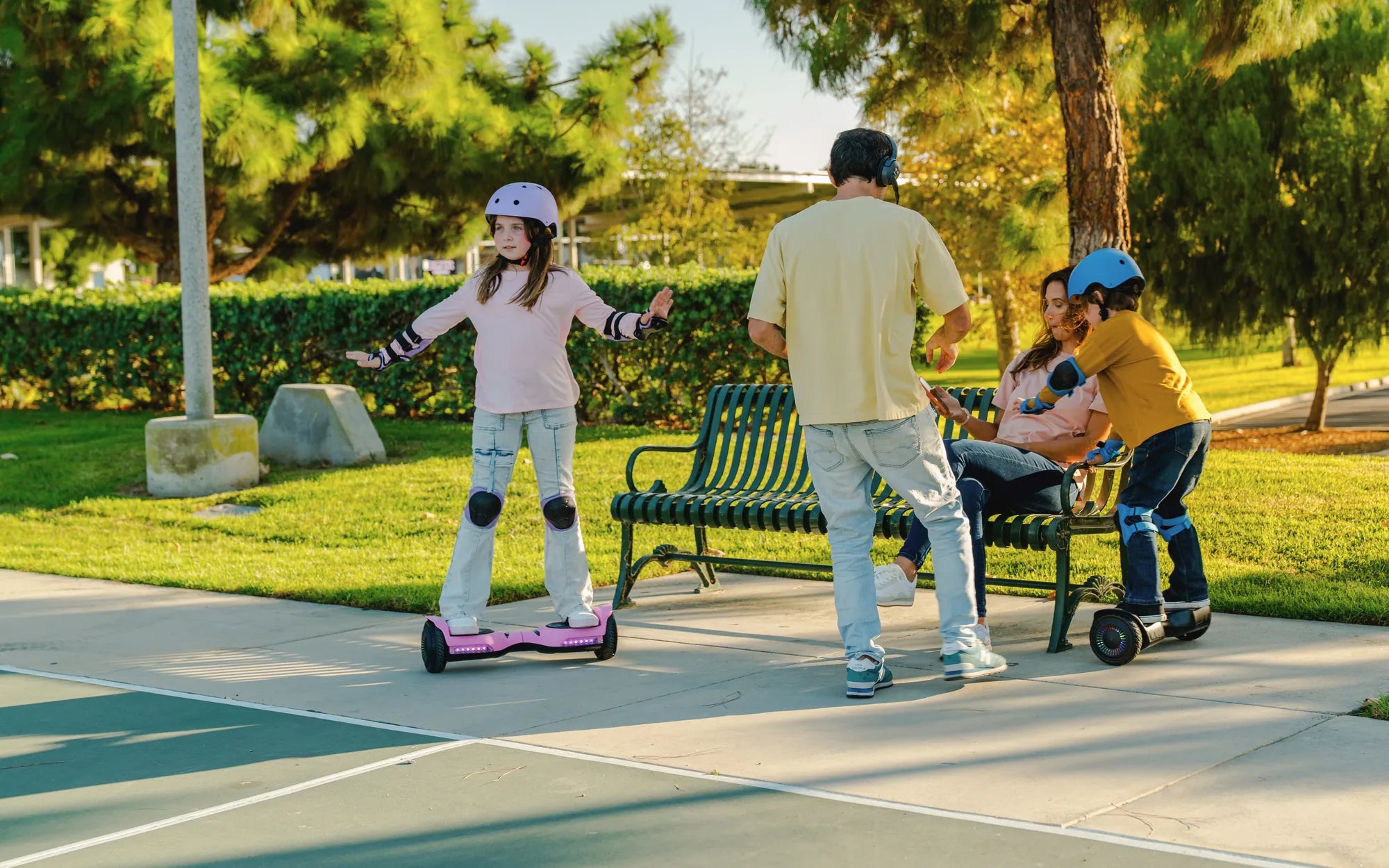
Introduction: Why a High-Quality Scooter is a Game-Changer for Kids
Choosing the right scooter for your child is about far more than just picking a colorful toy. It's a critical decision that impacts their safety, confidence, and the sheer joy of riding. A high quality scooter for kids represents an investment in years of active outdoor play, built on a foundation of robust engineering and thoughtful design. Unlike generic models that prioritize low cost, premium scooters from trusted brands are designed to grow with your child, withstand rigorous use, and provide the stable, responsive ride that builds essential motor skills safely.
This guide will equip you with the knowledge to identify a truly superior scooter. We'll dissect the non-negotiable safety features, explain the importance of materials, and explore advanced functionalities that enhance the riding experience. As a leading brand in personal electric mobility, Gyroor applies its rigorous adult e-scooter standards—like UL-certified batteries and IPX5 water resistance—to create exceptionally durable and reliable kids' models, trusted by over 100,000 riders globally.
Key Features of a Truly High-Quality Kids Scooter
The difference between a premium scooter and a disposable one is immediately apparent in its construction and performance. Key features focus on creating a safe, stable, and long-lasting platform for your child's adventures.
Safety First: Non-Negotiable Design Elements
Safety is the paramount concern. A high-quality scooter integrates it into every component. Look for a wide, textured deck that provides ample foot space and slip resistance, even when wet. The braking system should be intuitive and reliable; a rear fender brake activated by stepping down is a standard, but some advanced models add a gentle front handbrake for progressive stopping power.
Secure, ergonomic handlebar grips that don't slip and a low center of gravity are vital for control. The steering mechanism should offer stability without being overly stiff, allowing for smooth turns without sudden wobbles. These elements work in concert to give young riders confidence and parents peace of mind.
Built to Last: Materials and Construction
Durability is a direct function of materials. Aircraft-grade aluminum alloy frames are the gold standard, offering an exceptional strength-to-weight ratio that resists bending and corrosion. The steering column and folding mechanisms should be reinforced with high-grade steel bolts and secure locking systems.
High-abec rated bearings (e.g., ABEC-7 or ABEC-9) ensure wheels spin smoothly and quietly for years, reducing the effort needed to push. Wheels themselves should be made of high-rebound polyurethane (PU) with a high durometer rating for speed and wear resistance, often paired with puncture-resistant cores.
Adjustability for Growing Riders
A scooter that can't grow with your child becomes obsolete within a season. A truly high quality scooter for kids features an easily adjustable handlebar height, typically via a tool-free lever or push-button mechanism. This allows you to set the bar height so your child can stand upright with a slight bend in the elbows, promoting proper posture and control.
Proper fit is not just about comfort; it's a safety feature. A correctly sized scooter prevents overreaching and improves balance, making the learning process easier and safer. This adjustability extends the scooter's usable life by several years, offering exceptional long-term value.
Beyond Basics: Advanced Features for Enhanced Experience
Once the fundamentals of safety and durability are met, advanced features elevate the riding experience from functional to fantastic. These are hallmarks of brands that take engineering seriously.
Smooth and Stable Ride Quality
Ride quality transforms a bumpy, jarring trip into a smooth glide. Features like integrated spring suspension or large, air-filled rubber tires absorb impacts from cracks, pebbles, and uneven pavement. This not only makes riding more comfortable but also increases tire contact with the ground, enhancing stability and control.
A smooth ride reduces fatigue, allows for longer play sessions, and gives your child more confidence to explore different terrains. It's a feature that directly correlates with how much—and how happily—a scooter will be used.
Superior Water and Dust Resistance (The IPX5 Advantage)
Kids ride through puddles and in drizzles. A scooter's longevity depends on its ability to handle these elements. An IPX5 water resistance rating, a standard Gyroor applies from its adult line, means the scooter's core components can withstand low-pressure water jets from any direction.
This level of protection safeguards wheel bearings from seizing and prevents internal corrosion in the steering mechanism. It ensures that everyday adventures don't lead to premature wear, making the scooter a reliable companion in all but the heaviest downpours.
Weight and Portability
Engineering a lightweight yet sturdy scooter is a challenge. The ideal high quality scooter for kids strikes a perfect balance, using advanced materials to keep weight manageable for a child to carry up stairs or lift into a car trunk. A one-click folding mechanism is a significant advantage for storage and transport.
Portability means the scooter is more likely to be taken on family outings, to the park, or on vacation. It should fold compactly without compromising the structural integrity or rigidity of the frame when locked in the riding position.
The Gyroor Difference: Engineering Trust for Your Child's Ride
Gyroor's approach to kids' scooters is an extension of its core philosophy: professional-grade engineering applied to personal mobility. This translates into tangible benefits that build immediate trust with parents.
Commitment to Certified Safety: A Legacy of Trust
While Gyroor's kids' kick scooters are non-motorized, they benefit from the same rigorous safety-first mindset developed for their UL-certified electric scooters and e-bikes. This means stringent factory testing protocols, from stress tests on the folding mechanism to impact tests on wheels and decks.
The focus is on creating a product where safety is engineered in, not an afterthought. This legacy of trust, backed by a 4.5/5 average customer rating, assures parents that every component has been scrutinized for reliability in real-world conditions.
Unmatched Warranty and Support
Gyroor stands behind its products with a comprehensive 1-year warranty covering manufacturing defects, a testament to their confidence in durability. This is coupled with accessible, US-based customer support to assist with any questions or parts needs.
For parents, this warranty is more than a policy; it's peace of mind. It represents a brand's commitment to standing by its product long after the purchase, ensuring your investment is protected and any issues are resolved promptly.
Choosing the Right Model: A Practical Guide for Parents
With so many options, selecting the perfect scooter involves matching your child's profile with the right scooter specifications. Use this guide to navigate the key decision points.
Age, Height, and Skill Level Recommendations
Matching the scooter to your child's developmental stage is crucial. The following table provides a clear starting point for selection.
| Age Range | Recommended Type | Key Features | Primary Use |
|---|---|---|---|
| 2-4 years | 3-Wheel Scooter (2 front, 1 rear) | Extra-wide deck, low height, lean-to-steer or fixed T-bar | Balance development, slow-speed play in driveways |
| 5-8 years | 2-Wheel Scooter (Standard) | Adjustable handlebars (~24"-36"), rear fender brake, medium PU wheels | Neighborhood sidewalks, park paths, skill building |
| 8-12 years | 2-Wheel Performance Scooter | Higher weight limit, larger wheels (200mm+), potential for suspension, handbrake option | Faster riding, commuting to school, rougher terrain |
Urban Commuting vs. Neighborhood Fun: Use-Case Scenarios
Consider where the scooter will be used most. For smooth urban sidewalks and commuting to school, a model with medium-sized (180-200mm) hard PU wheels offers maximum speed and low rolling resistance. A handbrake provides precise stopping in traffic-adjacent areas.
For neighborhood fun, park paths, or slightly rougher terrain, look for features that enhance comfort and control. Larger, air-filled tires or a spring suspension system absorb bumps, while a wider deck offers stability during tricks or longer rides. The IPX5 rating becomes highly valuable for all-weather readiness.
Maintenance Checklist for Longevity
A little maintenance goes a long way. Perform these simple checks every few months:
- Bolt Check: Tighten all bolts, especially on the folding mechanism, handlebar clamp, and wheel axles.
- Bearing Care: Listen for grinding noises from wheels. Clean and lubricate bearings if needed to maintain smooth rolling.
- Brake Inspection: Check rear fender brake for wear and ensure it engages firmly without touching the wheel when not in use.
- Wheel Wear: Look for flat spots or excessive wear on wheels. Rotating wheels can promote even wear.
- General Clean: Wipe down the scooter with a damp cloth to remove dirt and grime, paying attention to the steering column.
Frequently Asked Questions (FAQs)
Q: What age is appropriate for a two-wheel scooter?
A: Most children develop the balance and coordination needed for a standard two-wheel scooter between ages 5 and 6. However, readiness varies. A child who has mastered a balance bike or a 3-wheel scooter may transition earlier. Always supervise beginners.
Q: How do I know if the scooter is the right size for my child?
A> The handlebar should come between your child's waist and lower chest when standing on the deck. Their arms should be slightly bent at the elbows when gripping the bars, not fully extended or cramped. An adjustable handlebar is key for achieving this fit.
Q: Are Gyroor kids' scooters covered by the same warranty as your e-scooters?
A> Yes. Gyroor provides a robust 1-year comprehensive warranty on its kids' kick scooters, reflecting the same commitment to quality and customer satisfaction that underpins its entire product lineup, including e-scooters and e-bikes.
Q: What is the best way to teach my child to brake safely?
A> Start on a gentle, smooth slope in a safe area. Have them coast slowly and practice applying the rear fender brake with increasing pressure until they stop. Emphasize using their body weight to step down firmly on the brake, not just tapping it. Practice until it becomes instinctive before riding at higher speeds.
Q: How does the IPX5 rating protect the scooter?
A> An IPX5 rating means the scooter's critical components are sealed against water projected by a nozzle from any direction. This protects the bearings in the wheels and steering column from water and grit when riding through puddles or in light rain, preventing rust and ensuring smooth operation for years.
Conclusion: Investing in Adventures and Peace of Mind
Selecting a high quality scooter for kids is an investment that pays dividends in countless hours of healthy, outdoor fun and the development of physical confidence. It’s a choice that prioritizes your child's safety today and delivers enduring value for years to come. By focusing on certified safety standards, durable construction, and thoughtful features like adjustability and water resistance, you secure more than a toy—you secure peace of mind.
Brands like Gyroor exemplify this approach, leveraging professional engineering to create kids' products that parents can trust implicitly. The result is a scooter that not only meets but exceeds expectations, turning every ride into a safe and joyful adventure. Ready to find the perfect ride for your child's next chapter of exploration?
Browse the full Gyroor collection at gyroorboard.com to discover scooters built for safety, durability, and endless fun.
Christmas Gift for Kids Girl: Top Ideas to Delight Her This Holiday Season
Best Birthday Gift for 6 Year Old Girl: Creative and Fun Ideas She'll Love